
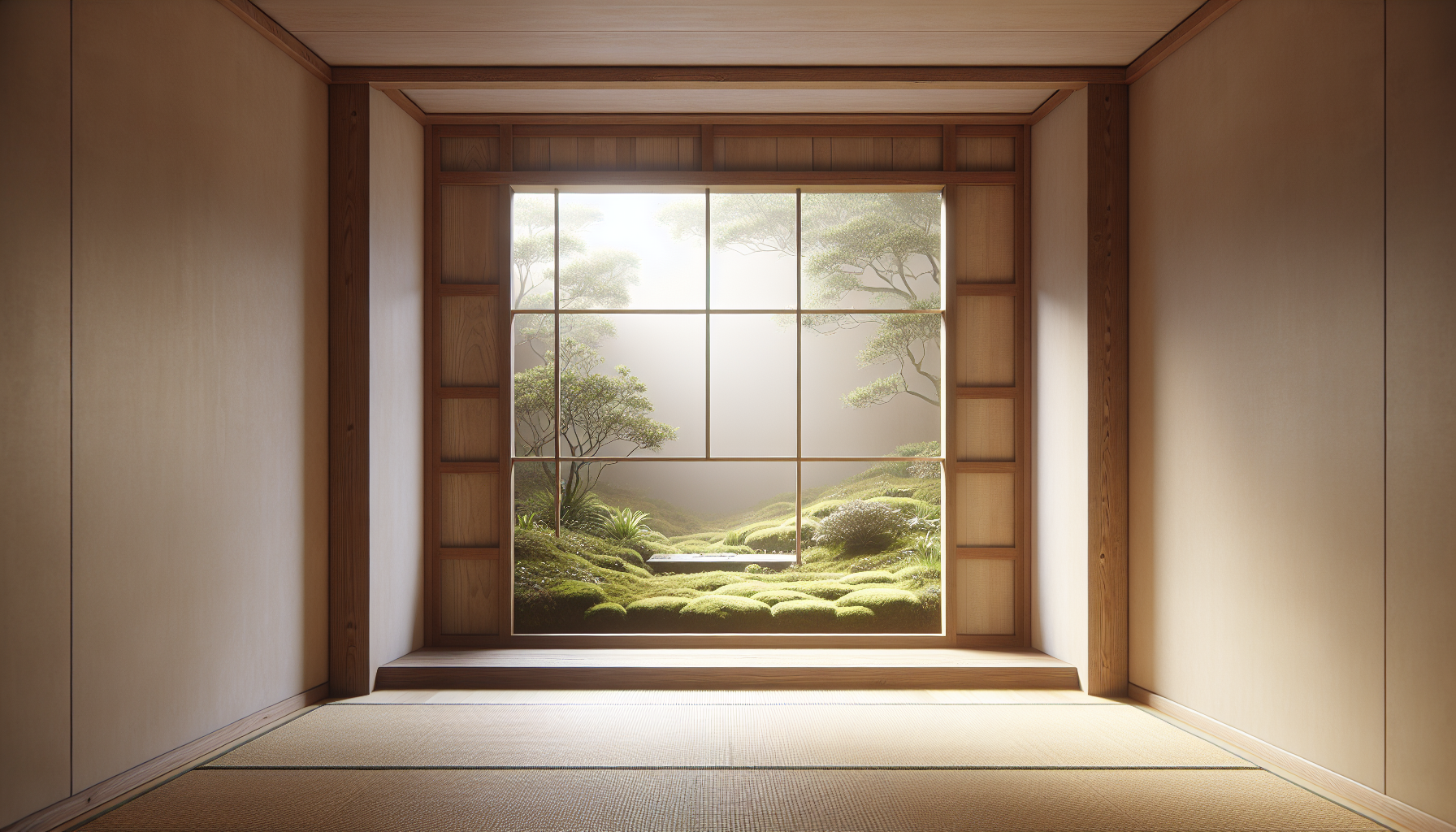
Which window shapes best suit Japandi homes?
Window Shapes for Japandi Homes
You want windows that reflect Japandi’s calm, functional elegance while bringing natural light and a connection to the outdoors. This guide helps you choose shapes, placements, materials, and details so your windows support the quiet balance between Japanese simplicity and Scandinavian warmth.
Understanding Japandi and How It Affects Window Choices
Japandi fuses Japanese restraint and Scandinavian comfort, so your windows should be uncluttered, purposeful, and crafted from natural materials when possible. You’ll prioritize natural light, framed views, and proportions that emphasize harmony and human scale.
You’ll also consider durability and energy efficiency—Japandi favors honest materials and long-lasting solutions. The right window shapes will reinforce minimal lines, soft textures, and the indoor-outdoor relationship central to the style.
Key Design Principles That Guide Window Selection
Apply these principles as you select window shapes and placements.
- Functionality over ornamentation: choose shapes that serve light, ventilation, and view needs.
- Warm minimalism: favor simple geometry and natural finishes.
- Balance and proportion: match window size and rhythm to room scale and furniture layout.
- Connection to nature: optimize sightlines to gardens, courtyards, or sky.
Each principle will influence whether you choose a large picture window, narrow vertical openings, clerestory strips, or a combination of shapes.
Common Window Shapes and How They Fit Japandi
Below is a quick comparison to help you weigh different shapes against typical Japandi goals: light, view, privacy, and minimalism.
| Window Shape | Best for | Japandi strengths | Considerations |
|---|---|---|---|
| Rectangular (standard) | All rooms | Clean, versatile, easy to frame views | Needs careful proportioning |
| Tall vertical | Living rooms, stairwells | Adds rhythm, accentuates height | Can limit horizontal views |
| Horizontal ribbon (strip) | Bedrooms, bathrooms, kitchens | Provides daylight and privacy, modern look | May feel detached from ground-level views |
| Picture (fixed) | Living room, dining | Unobstructed view, strong focal point | No ventilation unless combined |
| Square | Small rooms, clusters | Balanced, simple geometry | Must be scaled carefully |
| Corner windows | Living room, kitchen | Expands views and light, seamless indoor-outdoor feel | Structural and shading complexities |
| Sliding/large panels | Patio, living rooms | Smooth indoor-outdoor transition | Track maintenance, glare control |
| Clerestory | Hallways, high walls | Brings daylight without sacrificing privacy | Limited view, needs careful placement |
| Skylight | Kitchens, bathrooms, corridors | Direct top light, accentuates materials | Heat gain/loss if not spec’d well |
| Circular/arched | Accent spaces | Softens geometry, Japanese tokonoma feel | Less typical for strict minimalism |
| Bay/Bow | Breakfast nooks, reading corners | Cozy alcove, seating potential | More ornate, needs simplified detailing |
| Triangular/geometric | Accent areas | Architectural interest, minimal when used sparingly | Harder to fit within Japandi restraint |
Rectangular Windows
Rectangular windows are the backbone of Japandi design because they are simple, adaptable, and easy to integrate into clean compositions. You can use them vertically or horizontally and vary sizes to create rhythm.
When you select rectangular windows, think about proportion—tall vertical windows will emphasize height and create a rhythmic cadence, while wide horizontal windows connect you with landscape and sit well above low furniture.
Tall Vertical Windows
Tall vertical windows work well if you want to accentuate ceiling height or punctuate a wall with narrow views of trees or sky. In a Japandi interior, they add a rhythmic repetition that complements wooden slats or shelving.
Use them individually as slender accents, or repeat them as a series to create a serene pattern. Pair them with natural wood frames to amplify warmth.
Horizontal Ribbon Windows
Horizontal ribbon windows suit rooms where you want daylight and privacy without a full view. They’re excellent above counters in kitchens or bathrooms, and they align well with low furniture typical of Japandi living.
A well-placed ribbon window will bring soft, even light and can become a defining horizontal element in your façade, balancing vertical structural lines.
Picture Windows (Fixed)
Picture windows are ideal when you want to frame a view—whether a garden, a stone courtyard, or a carefully composed scene. Because they’re fixed, they give you uninterrupted sightlines that feel like living artwork.
In Japandi homes you’ll often see large picture windows with low sills that visually and physically connect interior floors to outdoor decks or gardens. Pair a picture window with nearby operable windows for ventilation needs.
Square Windows
Square windows embody balanced geometry, fitting the Japandi love of simple forms. They work well in clusters for a grid-like effect or as single punctuations in a wall.
Be cautious with scale; oversized squares can feel heavy, while tiny squares may look overly minimal. Use them to echo furniture proportions or architectural elements.
Corner Windows
Corner windows open up visual space by eliminating the typical corner barrier, making small rooms feel larger and fostering a clear indoor-outdoor relationship. They’re especially effective where your site offers multiple vantage points.
Structurally they can be more complex and may need careful flashing and thermal detailing, but the payoff in view and light is significant.
Sliding Doors and Large Panels
Sliding glass panels or large fixed panels are common in Japandi living areas for seamless transitions to outdoor terraces or patios. They support the lifestyle of bringing landscape into your home and easing flow.
Choose frames with slim sightlines and warm finishes so the heavy glass doesn’t feel cold. Use sliding solutions that balance operability and insulation.
Clerestory Windows
Clerestory windows sit high on walls to bring daylight deeper into spaces while preserving privacy and wall space for furnishings. They’re fantastic for long, narrow rooms or rooms that face neighbors.
In Japandi interiors, clerestories can create soft sweeps of light that emphasize natural textures on walls and floors.
Skylights
Skylights are unobtrusive sources of zenith light that can transform darker central spaces like kitchens and corridors. They bring strong daylight and a sense of sky that resonates with Japanese appreciation of natural cycles.
To fit Japandi aesthetics, select simple frames and consider diffusing glazing to avoid harsh direct sun where not wanted.
Circular and Arched Windows
Circular or arched windows are less common in strict Japandi minimalism, but they can add a gentle, intimate character when used as accents. Their soft geometry can reference traditional Japanese design elements like moon windows.
Use them sparingly and keep surrounding detailing understated to maintain harmony with the overall restrained aesthetic.
Bay and Bow Windows
Bay and bow windows create cozy nooks and can serve as a focus for reading or a tea corner. They introduce a small projection that invites connection to garden views.
Simplify materials and trim to align with Japandi minimalism; a modest wooden bench seat without ornate moldings keeps the look restrained and functional.
Triangular and Geometric Windows
Geometric windows make a bold architectural statement and can be effective when used in small quantities to add character. For Japandi, prefer single, well-proportioned geometric openings rather than many disparate shapes.
Their distinctive lines should complement rather than compete with the calm, neutral interior palette.
Materials, Frames, and Grid Patterns
Frame material and finish are as important as window shape because they determine tactile quality, warmth, and longevity. In Japandi homes, you’ll prioritize natural-looking frames, thin sightlines, and restrained grid patterns.
Wood Frames
Wood frames contribute warmth and tactility and pair beautifully with Japandi interiors. Choose responsibly sourced hardwoods or engineered wood with durable finishes for longevity.
Maintain simple profiles and consider oil-finish or clear coats that accentuate grain rather than painted, ornate frames.
Metal and Aluminum Frames
Slim metal frames (often powder-coated) suit scenographic picture windows and sliding doors because they allow for larger expanses of glass with minimal visual obstruction. In Japandi schemes, prefer muted tonal finishes—black, deep charcoal, or warm bronze.
Look for thermally broken aluminum to meet energy efficiency needs.
Composite and Vinyl
Composite frames provide good performance and lower maintenance; choose wood-look finishes or minimalist profiles to fit the Japandi sensibility. Avoid high-gloss or overly decorative profiles.
Shoji-Inspired Screens and Room Dividers
Shoji screens inspire grid patterns and diffused light. You can use shoji-inspired mullions, translucent panels, or internal sliding screens to modulate light and privacy without heavy curtains.
Keep proportions and materials simple: thin wooden lattices and neutral rice-paper alternatives work well.
Mullions, Muntins and Grid Patterns
If you use grids, opt for slim, restrained mullions that create rhythm without clutter. Vertical emphasis tends to feel more Japanese, while horizontal grids echo Scandinavian proportions—mixing both can produce a balanced Japandi appearance.
Avoid overly ornate grillwork and keep divisions geometric and regular.
Proportions, Scale, and Placement
Proportion and scale make or break how a window feels in a Japandi room. You’ll want windows that harmonize with furniture scale and ceiling height.
Sill Height and Connection to Floor
Low sills (around 18–24 inches / 450–600 mm) encourage seating arrangements that align with the view and reinforce that indoor-outdoor connection. Standard sill heights (about 30–32 inches / 760–810 mm) work well behind counters or for privacy. Higher sills are appropriate for bathrooms or where you want more wall space.
Consider the furniture you intend to place near windows—low-profile seating benefits from lower sills.
Window-to-Wall Ratio
A balanced window-to-wall ratio provides light without overwhelming structure. For Japandi spaces, moderate-to-generous glazing framed with natural materials tends to create the calm, light-filled interiors you want.
In living rooms, aim for larger expanses to form a focal point; in bedrooms, scale down slightly for coziness and privacy.
Rhythm and Repetition
Repeating tall narrow windows or a regular grid of square windows introduces calm rhythm. Use repetition to create pattern without ornament—two or three matching openings create visual order.
Avoid arbitrary, irregular placement unless you intentionally want an asymmetrical composition.
Framing Views
Identify primary views—garden, courtyard, tree canopy—and orient larger windows to frame them. Use smaller or higher windows to offer glimpses of sky, branches, or textured walls.
Frame the view as you would a painting: consider the foreground, middle ground, and background when selecting the opening’s dimensions.
Glass Choices and Performance
Glass selection affects comfort, energy use, and the quality of light. Japandi homes value both function and subtle beauty, so your glazing choices should enhance warmth and durability.
Glazing Types
- Double or triple glazing for thermal efficiency is essential in most climates.
- Low-emissivity (low-E) coatings reduce heat loss and control solar gain.
- Laminated glass increases safety and can reduce sound transmission.
Match glazing performance to your climate and orientation to avoid overheating or excessive heat loss.
Privacy and Frosted Options
Frosted or translucent glass works well for bathrooms and street-facing openings where privacy is needed without heavy coverings. Use patterned or sandblasted finishes sparingly to maintain the minimal aesthetic.
Internal shoji panels or sliding screens can create privacy while adding texture.
Solar Control and Coatings
If your home faces intense sunlight, consider spectrally selective coatings or exterior shading devices (deep eaves, wooden louvers) to control glare. Japandi favors passive strategies—overhangs, deciduous planting, and pergolas—before relying solely on mechanical solutions.
Acoustic Considerations
If you’re in an urban setting, prioritize acoustic laminated glazing or double-glazed units with different thicknesses to reduce noise. Frame seals and proper installation are as important as the glass itself.
Operability and Ventilation
A balanced Japandi window program combines fixed windows for view with operable windows for ventilation and comfort.
Casement vs Awning vs Sliding vs Fixed
- Casement windows provide good ventilation and tight seals when closed, and they complement vertical compositions.
- Awning windows are useful above counters or in wet areas because they can stay open during light rain.
- Sliding windows and doors are great for transitions and when low sills are desired.
- Fixed windows offer unobstructed views and excellent thermal performance.
Combine types to get both full views and adequate ventilation.
Combining Fixed with Operable
Place fixed picture windows with adjacent operable units or clerestories to allow airflow without sacrificing view. This combination supports the Japandi ethos of practical beauty—uninterrupted sightlines plus functionality.
Screens and Insect Protection
Incorporate minimalist retractable insect screens or sliding screen panels that vanish when not needed. Keep frames and mechanisms simple to preserve clean lines.
Room-by-Room Recommendations
Tailor window shapes to each room’s activities, privacy needs, and relationship to the outdoors.
Living Room
You’ll likely want a large picture window or sliding panels that frame the garden and allow natural light to wash the room. Combine with vertical accent windows or a clerestory to add layered daylight.
Consider a low sill to integrate seating and offer seamless outdoor connection.
Bedroom
For bedrooms, prioritize privacy and soft, even daylight. Horizontal ribbon windows placed higher on the wall or tall narrow windows that frame a distant view work well.
Operable windows for nighttime ventilation and layered treatments (shoji panels or light-blocking shades) help balance light and restfulness.
Kitchen
Ribbon windows above counters are ideal for kitchen tasks—they provide daylight without sacrificing storage or backsplash space. Corner windows can add light to prep areas and visually expand the kitchen.
Ensure operable windows for ventilation (cooking odors and moisture) and choose durable frame materials.
Bathroom
High clerestory windows, frosted glass, or narrow vertical windows can bring daylight while preserving modesty. Skylights are a great option for interior bathrooms but choose diffusing glazing and consider solar gain.
Waterproof frames and finishes are essential.
Entry and Hallway
Clerestory or narrow vertical windows near the entry bring light into transitional spaces without creating security concerns. A modest picture window near the door can frame a plant or rock garden to set a tonal welcome.
Home Office
You’ll want balanced daylight with minimal glare—place windows perpendicular to desks where possible. A combination of a picture window for a view and a smaller operable or clerestory window for ventilation works well.
Dining Area
Frame an external view with a wide picture window or sliding panels that open to alfresco dining. Keep window treatments minimal to preserve a calm dining environment.
Window Treatments and Finishes
Japandi favors subtle solutions that modify light and privacy without heavy ornamentation.
Roller Shades and Blinds
Simple roller shades in natural fabrics or neutral tones offer calm control of daylight. Wooden slat blinds can complement wood frames but keep slat widths narrow for minimal visual disruption.
Roman and Fabric Treatments
Soft fabric treatments can add warmth, but choose tonal, matte materials and simple installation (hidden tracks or plain rods) to avoid clutter.
Shoji Screens and Sliding Panels
Shoji-inspired sliding panels provide diffused light and a tactile element. Use them internally as room dividers or before windows for privacy and a layered look.
Curtains (Minimal Approach)
If you choose curtains, keep them light-colored and unlined for daytime use, and consider heavier, simple-lined panels that stack neatly when open for night privacy.
Exterior Considerations and Curb Appeal
Window shapes affect how the exterior reads—Japandi exteriors are understated, with windows contributing to calm rhythm.
Symmetry vs Asymmetry
Symmetrical, balanced arrangements emphasize order and serenity; thoughtful asymmetry can feel more Japanese and organic. Decide which approach complements your architecture and site.
Window Placement and Landscaping
Place windows to frame landscape features—stone, bamboo, a tree trunk—so both interior and exterior feel cohesive. Planting softens the façade and helps control light and privacy.
Color and Finish Choices
Neutral frame colors—natural wood, black, or muted grays—work best. Keep exterior trim minimal and integrate with façade materials like timber, plaster, or muted metal.
Practical Checklist to Choose the Right Window Shape
Use this checklist as you make decisions.
- Identify primary views and sightlines from key seating or activity points.
- Determine privacy needs for each room.
- Match window scale to room size and furniture layout.
- Combine fixed picture windows with operable units for ventilation.
- Choose frame materials that coordinate with interior finishes.
- Verify energy performance for your climate (U-values, low-E).
- Consider shading needs (overhangs, louvers, vegetation).
- Plan for maintenance and cleaning access.
- Ensure adequate insect screening where needed.
- Keep grid patterns and mullions minimal and consistent.
Common Mistakes to Avoid
Avoid these pitfalls as you design windows for a Japandi home.
- Choosing windows that are out of proportion with the space—either too large and overpowering, or too small and disconnected.
- Overcomplicating window detailing with ornate trim or heavy mullions.
- Ignoring orientation and solar gain—this leads to overheating or excessive glare.
- Forgetting practical operability—beautiful fixed windows that can’t ventilate can reduce comfort.
- Overusing decorative shapes—limit circles, arches, or unusual geometry to one or two focal points.
Cost Considerations and Installation Tips
Window costs vary widely based on size, shape, glazing performance, and frame materials. Custom shapes and corner windows are more expensive due to structural changes and specialized installation.
Plan early and coordinate with structural engineers for large openings or corner units. Prioritize quality flashing, thermal breaks, and proper sealing to avoid moisture and thermal issues later.
Get multiple quotes and consider prefabricated high-performance units for consistency and warranty benefits.
Maintenance and Longevity
You’ll extend the life of your windows by:
- Regularly wiping frames and tracks to prevent buildup.
- Checking seals and weatherstripping annually.
- Re-oiling or re-finishing wooden frames as recommended by the manufacturer.
- Cleaning glass with gentle, neutral cleaners to avoid residue.
- Inspecting flashing and exterior connections after severe weather.
Minimal, consistent care keeps windows both beautiful and functional.
Final Recommendations
When choosing window shapes for your Japandi home, aim for simplicity, natural materials, and carefully considered placement. Use a combination of picture windows, vertical accents, and clerestories to achieve layered daylight, framed views, and privacy. Keep mullions and trims minimal, select warm frame materials, and balance fixed glazing with operable units for ventilation.
Start by mapping key view points, furniture layouts, and sun paths on your site. You’ll create a serene interior that feels connected to nature while remaining comfortable and efficient. If you’re uncertain, sketch a few compositions or consult with a designer who understands both Japanese and Scandinavian design principles so you can select window shapes that truly support the calm, functional beauty of Japandi living.