
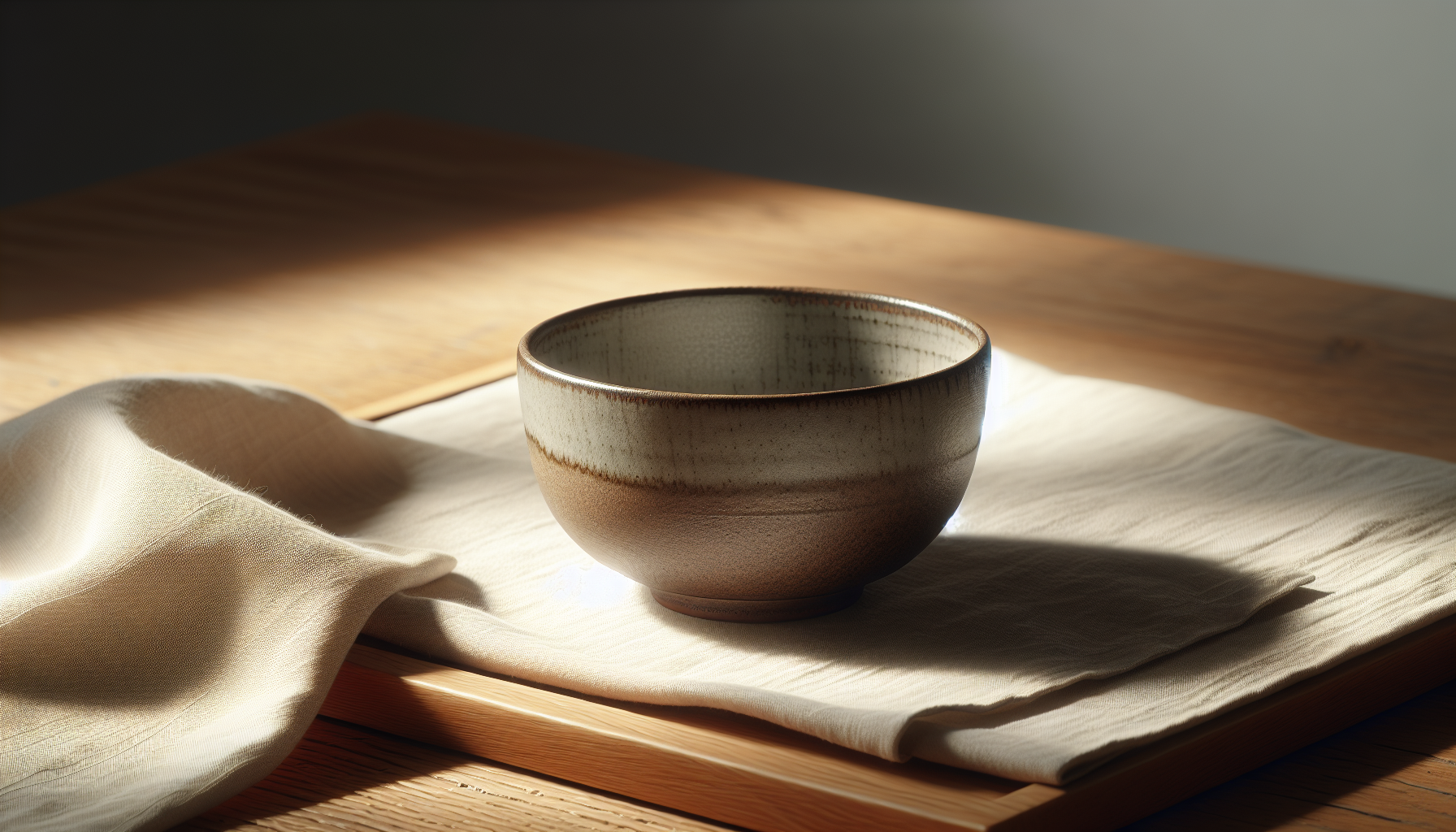
Have you ever wondered why Japandi feels so “calm” and how you can bring that same peacefulness into your home?
Why people describe Japandi as “calm” and how to bring the aesthetic home
Japandi blends Japanese minimalism and Scandinavian functionality to create interiors that feel serene and purposeful. You’ll learn what specific elements produce that calming effect and practical steps you can use to translate the style into your own rooms.
What is Japandi?
Japandi is a hybrid design style that merges the warm simplicity of Scandinavian design with the refined restraint of Japanese aesthetics. You’ll notice a focus on natural materials, restrained color palettes, and furniture that values function and craftsmanship.
Origins and cultural influences
The connection between Japanese and Scandinavian design is rooted in shared values like simplicity, utility, and respect for natural materials. You can trace features of Japandi to mid-century Scandinavian modernism and traditional Japanese design principles such as wabi-sabi and ma.
Why the style feels calm
Japandi feels calm because it removes visual noise and foregrounds only what is necessary and beautiful. When you limit color, clutter, and competing textures, your mind experiences less stimulation and more clarity.
Clear sightlines and spatial breathing room
One key calming aspect is the use of negative space: uncluttered surfaces and unobstructed sightlines allow your eyes to rest. You can intentionally create breathing room by reducing furniture quantity and prioritizing simple shapes.
Natural materials and tactile order
Materials like wood, stone, and linen invite a tactile connection that grounds you physically and emotionally. When you incorporate honest textures instead of synthetic or flashy finishes, you’ll feel more connected to the space.
Neutral and balanced color schemes
A restrained palette of muted tones reduces visual tension and fosters a soft, cohesive environment. You can mix warm and cool neutrals to maintain interest while preserving serenity.
Core principles to create a calm Japandi interior
These principles will guide every decision you make when adopting the style: minimalism with warmth, craftsmanship, function-first furniture, nature-inspired palettes, and balanced asymmetry. You’ll apply these repeatedly to achieve a calm and coherent home.
Minimalism with warmth
Minimalism in Japandi avoids being cold or clinical by adding warm woods, soft textiles, and rounded forms. You’ll aim for “intentional minimalism” where every item has purpose and contributes to the mood.
Craftsmanship and quality
Japandi values well-made items that age gracefully and reward touch and use. You can invest selectively in enduring pieces rather than filling rooms with disposable goods.
Function-first furniture
Furniture should be practical and beautifully simple, often featuring multifunctional or compact designs. You’ll choose pieces that support how you live, which reduces friction and helps the space feel calm.
Wabi-sabi and imperfect beauty
The Japanese concept of wabi-sabi accepts imperfection and transience, which you can echo by choosing materials that mark time pleasantly. You’ll allow surfaces to patina and prioritize authenticity over uniform perfection.
Ma: the importance of negative space
Ma, the Japanese idea of meaningful emptiness, shows how empty space can be a design element. You’ll cultivate balanced voids that let objects and furniture breathe and be appreciated.
How Japandi’s color palette supports calm
The palette is mostly neutral with gentle contrasts, which reduces visual distraction and supports a relaxed atmosphere. You’ll lean on warm woods, soft whites, muted greens, and charcoal accents.
Typical Japandi colors and why they work
Common tones include ash white, soft beige, warm gray, dove blue, muted green, and black or charcoal as contrast. These colors work by being low-saturation and naturally complementary, so your eye doesn’t have to adjust to strong contrasts.
Suggested palette table
| Color family | Typical hues | Why it calms |
|---|---|---|
| Whites & off-whites | Ash white, eggshell | Reflect light softly and make spaces feel open |
| Warm neutrals | Beige, oatmeal, sand | Add warmth without visual noise |
| Muted greens & blues | Sage, dove blue, soft teal | Evoke nature and balance cool/warm tones |
| Dark accents | Charcoal, deep brown, black | Provide grounding contrast and definition |
You can use this table as a reference when choosing paint, textiles, or decor.
Materials and textures that promote calm
Japandi relies on authentic materials with restrained finishes—think matte, unvarnished, and tactile. You’ll want to mix smooth and textured surfaces in a cohesive way to create depth without clutter.
Recommended materials and characteristics
Use natural woods (oak, ash, walnut with light finishes), stone (matte porcelain, granite), and textiles (linen, wool, cotton). You’ll choose materials that feel honest and age well.
Materials pros and cons table
| Material | Pros | Cons |
|---|---|---|
| Light oak | Warmth, versatile grain | Prone to scratches if unprotected |
| Walnut | Rich tone, elegant | Can darken rooms if overused |
| Linen | Breathable, soft patina | Wrinkles easily |
| Wool | Warmth, durability | Can be heavy and costly |
| Stone tile | Durable, tactile | Cold underfoot without rugs |
This comparison will help you decide based on budget, care, and the mood you want.
Furniture choices and arrangement for calm
Choice and placement of furniture are crucial; you’ll favor low profiles, clean lines, and multi-function pieces that don’t overpower the room. Keep circulation clear so the room feels open and restful.
Key furniture pieces to prioritize
Essentials typically include a low sofa with wooden legs, a simple coffee table in light wood, a streamlined dining table, and storage that hides clutter. You’ll focus on one or two statement pieces and let the rest be understated.
Scale, proportion, and balance
Scale matters: oversized pieces can overwhelm, while too-small pieces feel disjointed. You’ll aim for proportional harmony by measuring sightlines and ensuring visual weight is balanced across the room.
Furniture arrangement checklist
| Task | Why it matters |
|---|---|
| Ensure 30–40″ walkways | Keeps circulation unimpeded |
| Place seating around a focal point | Encourages calm socializing |
| Leave negative space around statement pieces | Allows form to be appreciated |
| Use low-profile pieces | Maintains sightlines and a grounded feel |
Use this checklist to test layout decisions before committing.
Lighting for a soothing atmosphere
Lighting can make or break calmness; you’ll aim for layered, warm, and dimmable light sources that mimic natural patterns. Soft shadows and warm temperatures help create intimate, relaxed spaces.
Types of lighting to use
Combine ambient lighting (overhead and general), task lighting (reading lamps), and accent lighting (wall or floor fixtures). You’ll use warm bulbs (2700K–3000K) and dimmers whenever possible.
Natural light and window treatments
Maximize natural light with simple treatments like linen curtains or wooden blinds that filter light elegantly. You’ll avoid heavy drapery that blocks light and opt for translucent or neutral fabrics.
Textiles and soft furnishings that calm
Textiles are where warmth and softness enter a Japandi room: think linen cushions, wool throws, and simple woven rugs. You’ll layer textures but keep patterns minimal or subtle.
Rug and textile tips
Select low-contrast, natural-fiber rugs to reduce visual clutter while keeping floors comfortable. You’ll choose textiles that are tactile and durable rather than overly ornate.
Cushion and throw strategy
Stick to a small palette and varied textures; for example, two linen cushions and one wool cushion on a sofa with a chunky knit throw. You’ll avoid mixing loud patterns to maintain a tranquil rhythm.
Accessories and decor: restraint equals calm
Accessories should be curated and meaningful, not merely decorative. You’ll group objects with intent, use asymmetry for interest, and avoid filling every surface.
How to style surfaces
Apply the rule of threes or odd-number groupings, with one taller item and several lower ones to create visual balance. You’ll make each vignette purposeful—books, a ceramic vessel, and a simple plant is often enough.
Plants and natural accents
Plants bring life and calm by connecting you to nature; choose sculptural plants like rubber plant, snake plant, or bonsai. You’ll use simple planters in matte finishes that fit the palette.
Storage and decluttering for lasting calm
A calm room depends on hidden storage that contains daily clutter and routines that prevent pileup. You’ll invest in clever storage solutions and maintain habits that keep surfaces clear.
Practical storage solutions
Consider closed cabinets, built-in shelving with doors, baskets, and low credenzas that match the aesthetic. You’ll use consistent materials and colors to integrate storage rather than make it stand out.
Decluttering strategies
Adopt “one-in, one-out” policies and seasonal purges so your home doesn’t accumulate excess items. You’ll schedule short weekly tidying sessions to keep spaces perpetually calm.
Room-by-room guidance to bring Japandi home
Each room has unique needs, but the same principles apply: simplicity, natural materials, measured accents, and purposeful storage. You’ll get actionable tips for living areas, bedrooms, kitchens, bathrooms, and entryways.
Living room
Make the living room a tranquil gathering spot with a low sofa, a simple coffee table, and soft ambient lighting. You’ll designate storage for electronics and remotes so surfaces remain uncluttered.
Bedroom
The bedroom should be restful with muted tones, minimal furniture, and layered bedding in natural fibers. You’ll avoid excessive wall decor and keep the bed as the clear focal point.
Kitchen
In the kitchen, keep countertops clear and choose functional, beautiful tools that you use regularly. You’ll favor wood utensils, ceramic dishes, and closed cabinetry to retain a clean look.
Bathroom
Use stone or matte tiles, simple fixtures, and woven storage baskets for towels and toiletries. You’ll keep only daily essentials visible and store the rest to maintain serenity.
Entryway
Create a calm transition with a small bench, minimal shoe storage, and a tidy catch-all for keys and mail. You’ll keep the entryway welcoming but uncluttered so you can leave and return without stress.
Budget strategies: getting the look without overspending
You can achieve Japandi warmth on a budget by prioritizing a few key investments and mixing in affordable pieces. You’ll save on trends and spend on timeless items that anchor the room.
Prioritize investments
Spend on a quality sofa, a well-crafted table, and durable flooring or rugs; supplement with budget-friendly accessories and DIY finishes. You’ll get the greatest long-term value by putting money into pieces you use daily.
Low-cost swaps and DIY ideas
Refinish an old table with a light wood stain, sew simple linen cushion covers, or upcycle storage baskets with neutral paint. You’ll use paint and textiles to change the mood affordably.
Budget table: where to spend and where to save
| Category | Spend (priority) | Save (low priority) |
|---|---|---|
| Sofa/Seating | High — daily use | Decorative cushions |
| Dining table | Medium — central piece | Chairs if mixed mismatch works |
| Rugs & flooring | High — anchors room | Small accessories |
| Lighting | Medium — dimmers & fixtures | Single-use decor items |
| Textiles | Medium — bedding & rugs | Small accent throws |
Use this guide to allocate your budget wisely.
Common mistakes to avoid
Some common pitfalls can make Japandi feel unfinished or contrived rather than calm and authentic. You’ll recognize these missteps and avoid them for a more successful result.
Over-minimalism that feels cold
Removing too much can make spaces feel sterile rather than warm; you’ll counter this with natural textures and a few personal items. Aim for minimalism with soul.
Too many competing wood tones
Using many different wood colors can create dissonance; you’ll stick to a limited palette of wood finishes for cohesion. A consistent undertone (warm or cool) helps unify pieces.
Ignoring scale and proportion
Furniture that’s too small or overly large disrupts the balance of a room and creates visual tension. You’ll measure and test layouts to maintain harmonious proportions.
Maintenance and living in a Japandi home
Creating calm is ongoing; you’ll adopt maintenance habits to keep your home functioning and soothing. Routine care of textiles, wood, and surfaces will preserve the aesthetic and comfort.
Practical cleaning and care tips
Use mild cleaners appropriate for natural materials, brush rugs regularly, and periodically oil wood pieces if recommended. You’ll schedule seasonal checks to rotate textiles and refresh plants.
Adapting the home as life changes
Japandi’s flexibility means you can adapt pieces for new purposes without erasing the aesthetic. You’ll make updates slowly and intentionally rather than impulsively.
Checklist: how to start your Japandi transformation
A simple checklist helps you take practical steps without feeling overwhelmed. You’ll use this as a roadmap to plan purchases and changes.
Quick-start checklist table
| Step | Action |
|---|---|
| 1 | Clear surfaces and assess what you use daily |
| 2 | Choose a neutral base color for walls and large pieces |
| 3 | Swap heavy curtains for light linen or wooden blinds |
| 4 | Add a key wood furniture piece (sofa, table) |
| 5 | Layer in natural textiles (rug, cushions, throws) |
| 6 | Introduce plants and one or two meaningful objects |
| 7 | Create storage solutions to hide clutter |
| 8 | Fine-tune lighting with warm bulbs and dimmers |
Follow these steps and adjust as you go.
Styling examples and combinations
Seeing combinations helps you know how to mix elements without overthinking. You’ll use inspiration examples as starting points for your own personalized Japandi look.
Example 1: Serene living room
A low-profile light gray sofa, an ash wood coffee table, a woven jute rug, two linen cushions, and a large matte ceramic vase with a simple branch. You’ll balance the softness of textiles with the structure of wood and ceramics for a calming tableau.
Example 2: Peaceful bedroom
Soft oatmeal walls, a walnut headboard with simple timber bedside tables, white linen bedding with a muted sage throw, and soft pendant lights. You’ll create a restful setting that prioritizes sleep and relaxation.
Shopping and sourcing tips
Choose suppliers that prioritize natural materials and transparent craftsmanship when possible. You’ll look for stores or makers that match the quality and ethics you want to live with.
Where to shop
Buy local craft markets for ceramics, ethically sourced wood furniture from reputable brands, and sustainable textile labels for bedding and rugs. You’ll also check secondhand shops and vintage markets for unique pieces that add character.
Questions to ask before buying
Ask about materials, finishes, warranty, and return policies; consider how the piece will age and how it will be maintained. You’ll check dimensions and sample swatches when possible to avoid surprises.
Final thoughts: living with Japandi calm
Japandi is less a strict set of rules and more a gentle philosophy that encourages thoughtful choices, quality, and a slower pace of living. You’ll find calm not through perfect imitation but by making intentional decisions that reflect how you live.
How to make Japandi personal
Incorporate a few meaningful items—photographs, heirlooms, or artworks—within the restrained framework so your home feels curated but lived-in. You’ll balance personal identity and minimalist discipline so the space reflects both calm and character.
Resources and next steps
If you want to continue learning, look for books and blogs on Japanese minimalism, Scandinavian design, and wabi-sabi philosophy to deepen your understanding. You’ll also benefit from sketching a simple floor plan and doing a materials mood board before making major purchases.
You now have a roadmap to why Japandi feels calm and how to bring that aesthetic into your home step by step. Use the principles, palettes, and practical tips here to shape a space that supports rest, clarity, and everyday beauty.