
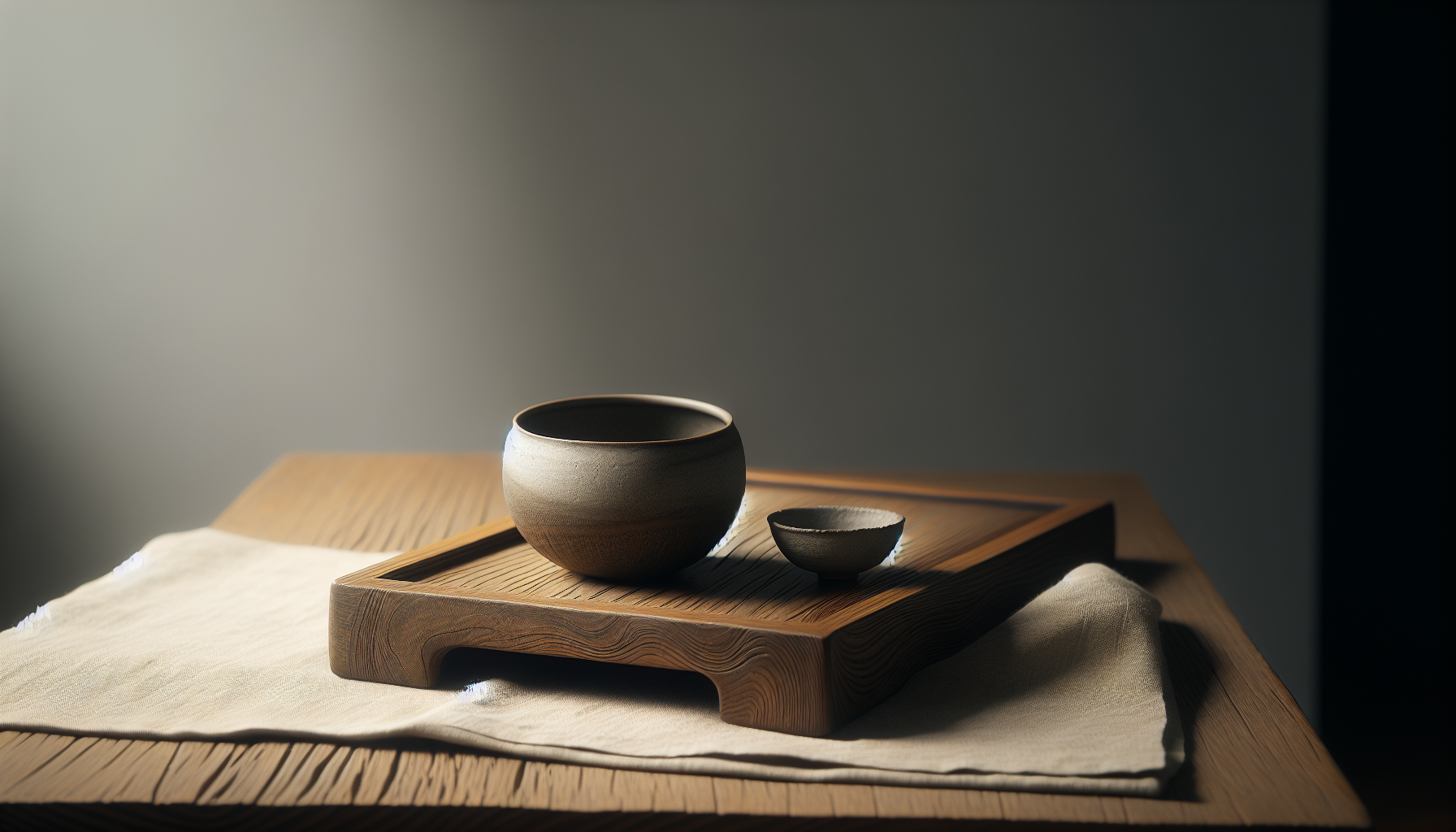
Have you ever walked into a room and immediately felt calmer, like the space itself was taking a deep breath with you?
Why people describe Japandi as calm
You probably notice that Japandi interiors seem to slow things down. The style blends Japanese restraint with Scandinavian warmth, and that combination is intentionally crafted to reduce visual noise, encourage comfort, and promote clarity of mind. This article explains the specific elements that create that calm, the psychology behind them, and how you can bring the same feeling into your own home.
What is Japandi?
You can think of Japandi as a hybrid design movement that merges Japanese minimalism and Wabi-sabi with Scandinavian functionality and hygge-like comfort. It’s not just a mix of furniture styles — it’s a philosophy that guides choices around materials, color, light, and how you use space. When done well, the whole is more refined and soothing than either influence alone.
Origins and cultural influences
The style grew from a cultural conversation between two design traditions. Japanese aesthetics emphasize simplicity, imperfection, and a profound respect for nature. Scandinavian design values practicality, warmth, and craftsmanship. Together, they produce interiors that are pared back, intentional, and tactile — all qualities that lead people to call Japandi “calm.”
Key terms you should know
- Wabi-sabi: An appreciation for the beauty of imperfection, aging, and natural wear.
- Hygge: A Danish concept centered on coziness, contentment, and comfortable togetherness.
- Minimalism: A design approach that emphasizes essentials, removing the unnecessary.
Understanding these helps you see why Japandi isn’t cold or sterile — it’s minimal, but also human and lived-in.
The design principles that create calm
You’ll find several repeating themes in Japandi that work together to reduce stress and foster a serene environment. Each of these contributes to calm in a different way.
Minimalism and intentionality
Minimalism lowers visual clutter, which reduces cognitive load and prevents your attention from being scattered. In Japandi, every piece has purpose and resonance; you’re encouraged to keep only what supports function or emotional well-being.
Natural materials and textures
Nature is calming by design. Materials like wood, stone, bamboo, rattan, and linen add visual warmth and tactile interest. These surfaces age gracefully, offering a quiet story of use rather than screaming for attention.
Neutral color palette
Soft neutrals, muted earth tones, and restrained accent colors calm your visual field and slow down your perception. Pale beiges, warm greys, and desaturated greens and blues encourage relaxation and make it easier for your eyes to rest.
Functional furniture and craftsmanship
Simple, well-made furniture encourages mental ease because it performs reliably and looks balanced. Clean lines and subtle detailing mean each object is restful to the eye. Craftsmanship signals quality, which reduces the urge to constantly replace or rearrange.
Negative space and layout
Negative space — the empty areas between objects — gives the eye room to breathe. Thoughtful spacing and an uncluttered layout guide your attention calmly through a room, rather than overwhelming it with competing focal points.
Soft, layered lighting
Layered lighting (ambient, task, accent) lets you control mood and brightness, avoiding harsh contrasts that can be jarring. Warm, dimmable lights mimic natural rhythms and help lower stress hormones, especially in the evening.
Tactile comfort and textiles
Textiles like wool throws, linen curtains, and cotton cushions add softness and invite touch. The right textures soothe through both sight and feel, making your environment both visually and physically comforting.
Biophilic elements
Plants, natural light, and views of the outdoors reconnect you with nature, which reduces anxiety, lowers blood pressure, and improves mood. Japandi uses these elements sparingly but meaningfully, so the effect is pronounced without feeling cluttered.
How the elements work together to create calm
Think of Japandi as an ecosystem. A neutral color without texture can feel flat, while texture without a calming palette can feel chaotic. The combination of muted colors, warm materials, soft lighting, and purposeful furniture produces a balanced sensory environment. When all elements are aligned, your brain gets less conflicting information and can shift into a restful state more easily.
Comparing Japanese and Scandinavian contributions
You may find it helpful to see how each tradition contributes to Japandi’s calm.
| Aspect | Japanese contribution | Scandinavian contribution |
|---|---|---|
| Philosophy | Wabi-sabi (beauty in imperfection, restraint) | Hygge (coziness, social comfort) |
| Color | Muted, natural tones, often darker accents | Light, airy neutrals, pastels |
| Materials | Tatami, bamboo, paper, raw wood | Light woods (pine, ash), textiles like wool |
| Furniture | Low, grounded, often multifunctional | Functional, ergonomic, clean lines |
| Ornament | Minimal, meaningful objects | Simple, cozy accessories |
| Layout | Emphasis on negative space and flow | Open, airy rooms with functional zones |
This table shows why the mix feels calm: you get the meditative restraint from Japan with the cozy, human warmth of Scandinavia.
The psychology of calm in Japandi
You might be curious about why certain visual cues produce calm. Several psychological mechanisms are at work.
Reduced cognitive load
When a space has fewer competing stimuli, your brain spends less energy processing information, which lowers stress and mental fatigue. Intentional simplicity reduces decision fatigue and creates a sense of order.
Predictable patterns and gentle contrasts
Calm spaces balance sameness and variation. Predictable patterns reassure the mind, while subtle contrasts (in color, texture, or scale) keep the space visually engaging without startling you.
Connection to nature (biophilia)
Humans are wired to respond positively to natural materials, sunlight, and plant life. These elements can trigger physiological responses like lowered cortisol and increased feelings of well-being.
Sensory harmony
Calm environments align visual, tactile, and auditory senses. For example, soft textiles visually suggest comfort and also provide a pleasant physical touch. Sound-absorbing fabrics and rugs reduce echo and noise, which diminishes auditory stress.
Ritual and routine
A clutter-free, well-organized space supports daily rituals — morning coffee, reading, or simple stretches — that can be grounding and restorative. Your environment makes it easier to maintain helpful routines.
Practical steps to make your space feel Japandi calm
You don’t need a complete renovation to get the calming effects of Japandi. Small, intentional changes can shift the feel of a room dramatically.
1. Start with decluttering and editing
Remove items that don’t serve function or meaning. You should be selective: keep what you use regularly or what brings you genuine joy. Use simple storage to keep surfaces clear.
2. Choose a restrained color palette
Pick two to three base neutrals (warm white, soft beige, warm grey) and one muted accent (desaturated green, blue, or terracotta). Consistency across walls, textiles, and décor unifies the space.
3. Prioritize natural materials
Replace synthetic materials where possible with wood, stone, clay, linen, and wool. If budget is a concern, introduce these through accessories: a wooden coffee table, linen cushions, or a ceramic vase.
4. Keep furniture low and grounded
Favor furniture with lower profiles—especially in living areas—to create a relaxed, grounded feeling. Pieces should be simple, sturdy, and well-proportioned to your space.
5. Layer lighting
Combine overhead ambient light, task lighting (reading lamps), and accent lighting (soft wall fixtures or candles). Use warm color temperatures (2700–3000K) and dimmers where possible.
6. Add texture, not pattern overload
Introduce texture through woven rugs, textured pottery, and wood grain rather than busy patterns. This keeps the visual field calm while offering tactile variety.
7. Bring in plants thoughtfully
Choose low-maintenance plants placed to create compositional balance. A single sculptural plant or a small cluster near a window can provide the calming biophilic boost you want.
8. Invest in quality storage
Hidden storage keeps everyday clutter out of sight. Built-in cabinets, woven baskets, and multifunctional furniture help maintain serenity.
9. Be intentional with artwork and objects
Select pieces that have personal meaning or are simple in form. One large, quiet artwork often feels more calming than many small busy pieces.
10. Maintain airflow and access to natural light
Keep windows unblocked and choose simple window treatments like linen curtains or wooden blinds. Fresh air and daylight anchor the rhythm of the day.
Practical checklist (table)
| Task | Why it helps | Quick tip |
|---|---|---|
| Clear one surface | Reduces visual noise | Start with coffee table or nightstand |
| Limit color palette | Prevents overstimulation | Use 2–3 neutrals + 1 muted accent |
| Add one natural material | Reconnects with nature | Wooden tray, ceramic bowl, linen cushion |
| Use warm lighting | Lowers tension in evenings | Replace bulbs with 2700–3000K |
| Hide daily clutter | Supports calm routines | Use baskets, sliding doors, drawers |
| Introduce one plant | Improves mood and air quality | Pothos, snake plant, or a peace lily |
| Choose one statement piece | Anchors the room | A low sofa or a handcrafted table |
Room-by-room recommendations
You’ll get the best results if you apply Japandi principles across rooms rather than focusing on one area alone.
Living room
Aim for a low, comfortable seating arrangement with a natural-finish wood coffee table and a simple rug. Keep decorative objects meaningful and sparse; a single large vase or a small curated stack of books is usually enough.
Bedroom
Make the bedroom your calmest room. Use soft linens, muted colors, good blackout curtains, and minimal furniture. Keep bedside tables simple and avoid screens at least an hour before bed when possible.
Kitchen
Prioritize function and clean surfaces. Wooden cutting boards, ceramic dinnerware, and simple shelving that hides less-used items support both usability and calm. Keep countertops tidy and appliances stored when not in use.
Bathroom
Opt for stone or ceramic accessories, soft towels in neutral tones, and minimal toiletries on display. Plants that tolerate humidity (like ferns) can enhance the spa-like atmosphere.
Entryway
Use a small bench, a tray for keys, and a basket for shoes. Keep the entryway uncluttered so it acts as a calm transition between outside and your sanctuary.
Workspace
Simplify your workspace to reduce distractions. Keep only essential tools on the desk, use natural light when available, and add one plant or natural object for balance.
Common mistakes to avoid
You’ll get a more authentic calm if you steer clear of these missteps.
- Overdoing minimalism: Removing everything can make a space feel sterile. Keep personal touches and tactile materials.
- Adding too many trends: Japandi favors timelessness. Avoid overly trendy patterns or flashy hardware that will date the space.
- Mixing too many woods: Aim for harmonious tones; too many contrasting woods create visual discord.
- Using stark cold neutrals: Japandi is warm and inviting. Choose warm greys and beiges rather than icy white.
- Hiding all personality: A calm space still needs meaningful objects — a family photograph, a handmade bowl, or a single cherished book.
Materials, colors, and finishes guide
You’ll find this short guide useful when selecting pieces or making purchases.
| Element | Preferred choices | What to avoid |
|---|---|---|
| Wood | Ash, oak, walnut, bamboo (natural or oiled finish) | High-gloss laminates, painted faux-wood |
| Textiles | Linen, wool, cotton, hemp | Synthetic shiny fabrics |
| Colors | Warm whites, sand, warm grey, desaturated green/blue | Neon, highly saturated tones |
| Metals | Brushed brass, matte black, oxidized bronze | Polished chrome, bright stainless steel |
| Floor | Wide wooden planks, matte tiles, natural stone | Very dark high-gloss floors that reflect clutter |
Lighting specifics
You should focus on light that flatters materials and supports mood.
- Warm color temperatures: Use 2700–3000K for living areas and bedrooms.
- Layering: Combine ambient (ceiling), task (reading), and accent (uplights, candles).
- Dimmers and controls: These help adjust the environment for morning, day, and evening.
- Natural light: Maintain access with simple window treatments and reflective surfaces to spread daylight.
Textiles and comfort
You’ll want to blend softness and structure.
- Bedding: Use natural linen or cotton in neutral tones. Linen wrinkles in a relaxed, intentional way that fits Japandi.
- Rugs: Choose low to medium pile in natural fibers; consider sisal or wool for texture.
- Throws and cushions: Limit patterns; prefer muted tones and tactile surfaces like knit or brushed wool.
Plants and placement
Plants are powerful, but placement matters.
- Scale: Match plant size to the space; a large Ficus or Rubber Plant suits a corner, while a small succulent works on a shelf.
- Grouping: Cluster two or three plants of different heights for a composed look.
- Maintenance: Pick low-maintenance options if you’re busy — snake plants, ZZ plants, and pothos are tolerant and calming.
Budget-friendly Japandi tips
You can achieve the aesthetic without breaking the bank.
- Refinish or oil existing wood furniture to bring warmth.
- Use thrifted or vintage pieces with a simple profile and sand/paint them in warm neutrals.
- Swap textile covers (cushions, throws) to change mood cheaply.
- Buy plants and ceramics from local markets instead of high-end brands.
- Focus on one statement upgrade (good sofa or large rug) and simplify the rest.
Maintenance rituals to preserve calm
Once your space is arranged, a few simple routines help maintain the atmosphere.
- Weekly reset: Clear surfaces and return items to their homes.
- Monthly edit: Reassess décor and remove anything that feels unnecessary.
- Seasonal swap: Rotate throws and plants to align with the season, keeping the space fresh without clutter.
- Gentle cleaning: Use natural cleaning products on wood and textiles to preserve material integrity.
Examples of Japandi moods
You might want to imagine how different combinations feel.
- Serene coastal Japandi: Pale sand walls, whitewashed oak floor, linen textiles, and driftwood accents create a tranquil seaside mood.
- Warm forest Japandi: Rich ash furniture, olive-green accents, leather pouf, and clay ceramics evoke a calm, grounded forest feeling.
- Urban minimal Japandi: Light grey walls, black metal accents, pale wood, and strategic greenery yield a quiet, modern retreat.
Frequently asked questions (FAQs)
You’ll likely have some common questions if you’re considering Japandi for your home.
Q: Will Japandi make a small apartment feel cramped?
A: Quite the opposite. Japandi’s emphasis on negative space and multifunctional furniture can make small spaces feel airier and more functional.
Q: Is Japandi suitable for families with children?
A: Yes. Choose durable natural textiles, easy-to-clean surfaces, and robust furniture. The calm aesthetic can be child-friendly with practical, well-placed storage.
Q: Can you mix Japandi with antiques or other styles?
A: You can, as long as you maintain visual restraint. One or two vintage pieces that have simple lines and natural materials often integrate well.
Q: How do you keep the space from feeling cold?
A: Layer textiles, include warm wood tones, add soft lighting, and place meaningful objects to create warmth without clutter.
Q: Is it expensive to achieve Japandi?
A: It can be budget-friendly if you focus on a few quality items and update textiles and accessories over time. Craftsmanship matters, but you can often find affordable, well-made pieces if you look thoughtfully.
Final thoughts
You’re drawn to Japandi because it answers a basic human need for calm, order, and connection to nature. The style’s power comes from intentional simplicity, tactile warmth, and thoughtful use of space. By applying these principles — limiting clutter, choosing natural materials, layering lighting, and keeping a muted palette — you can create a home that feels restful and resilient. Start small, focus on what matters most in your daily life, and let the calm emerge naturally.