
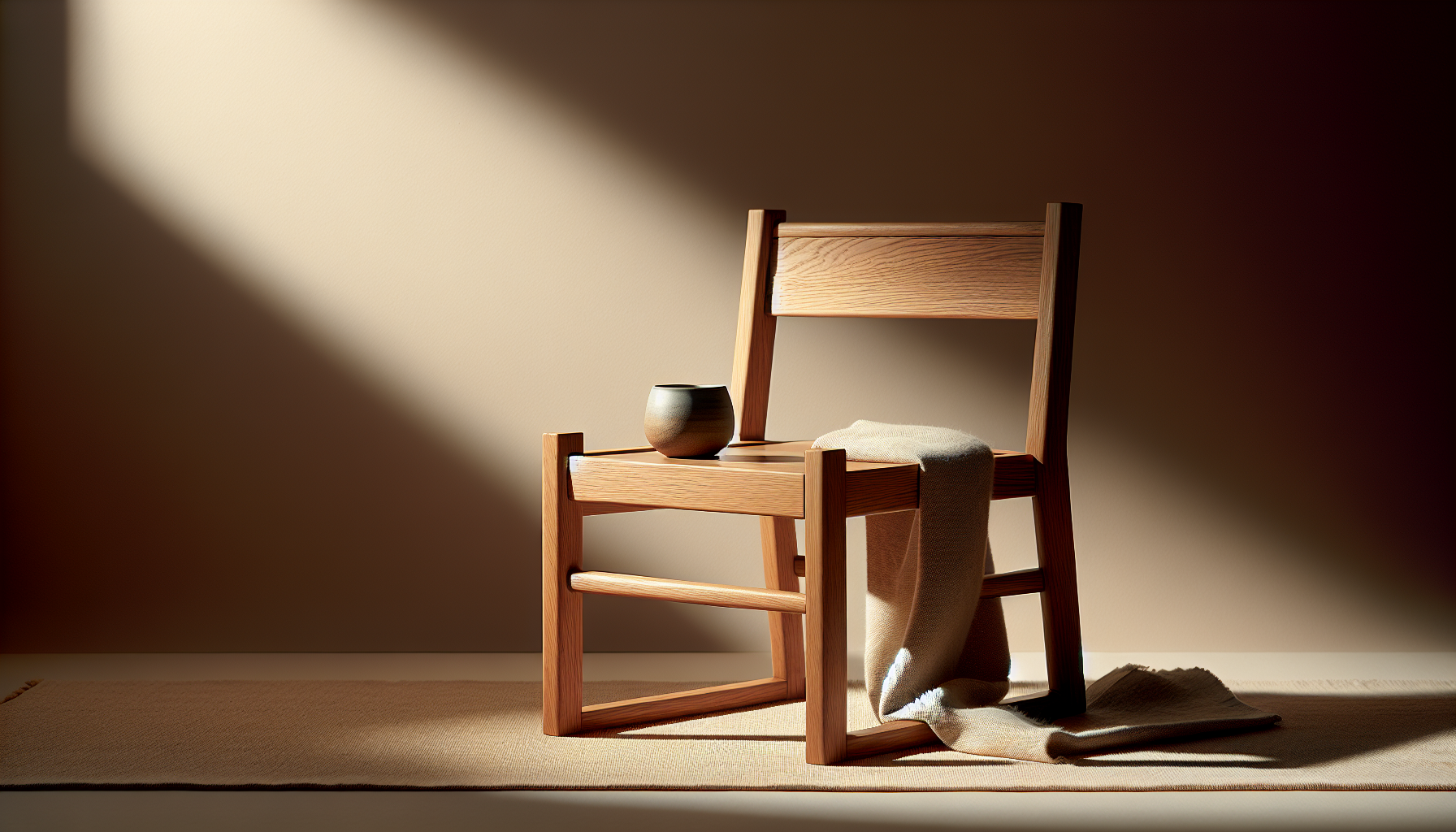
?Can a single design language feel fresh and modern while also remaining quietly timeless in your home?
Why Japandi Is Seen as Both Modern and Timeless
Japandi marries Japanese and Scandinavian design philosophies into a single approach that feels current yet enduring. You’ll notice its popularity because it speaks to contemporary tastes for simplicity, sustainability, and comfort while drawing on traditions that resist trends.
What this article will do for you
You’ll get a clear, practical understanding of why Japandi reads as both modern and timeless. The article breaks down origins, principles, practical applications, common misconceptions, and ways to make the style feel personal in your living spaces.
What Is Japandi?
Japandi is a hybrid interior style combining Japanese aesthetics (wabi-sabi, calm minimalism) and Scandinavian design (functional simplicity, warmth). You’ll recognize it in rooms that prioritize natural materials, refined forms, and intentional restraint.
Origins and cultural influences
The style emerges from a cultural alignment: Japanese emphasis on restraint, craft, and nature; Scandinavian focus on light, functionality, and human-centered design. When these philosophies meet, you get a balanced aesthetic that values both form and feeling.
Core idea in one sentence
Japandi centers on calm minimalism—design stripped to essentials yet rich in texture and thoughtful detail. You’ll find spaces that feel carefully curated, not bare.
Key Principles of Japandi
These principles explain how Japandi achieves that modern-but-timeless feeling. You’ll use these guidelines to evaluate or create spaces with lasting appeal.
Simplicity and minimalism
Simplicity in layout and objects creates clarity and calm, making rooms feel modern. You’ll see that less visual clutter helps furniture and materials show their best qualities.
Natural materials and craftsmanship
Wood, stone, paper, and textiles grounded in craftsmanship anchor the style to tradition. You’ll appreciate how hand-finished joinery or visible wood grain adds authenticity and longevity.
Functional beauty
Every element earns its place through use and proportion rather than ornament. You’ll prefer items with multiple positive traits—practical, well-made, and visually pleasant.
Neutral palette with warm accents
Soft neutrals—cream, warm beige, muted gray—form the backdrop, while deeper tones like black or indigo provide contrast. You’ll find the palette both restrained and adaptable, which helps the style feel enduring.
Balance of negative space and warmth
Empty space is used intentionally to give objects breathing room while soft textures and warm woods prevent coldness. You’ll sense calm in the balance between open areas and cozy details.
Wabi-sabi acceptance and Scandinavian utility
Imperfection is accepted and sometimes celebrated, paired with Scandinavian focus on user comfort and efficiency. You’ll see handcrafted irregularities coexist with ergonomic furniture.
Why Japandi Reads as Modern
Modernity here means of-the-moment, minimal, and tuned to current lifestyles. These aspects create a contemporary feel you’ll notice right away.
Clean lines and streamlined silhouettes
Furniture with simple geometric forms looks current and uncluttered. You’ll find that these silhouettes scale well in modern floorplans and smaller urban homes.
Emphasis on multifunction and efficiency
Modern life demands flexible spaces; Japandi encourages multiuse furniture and clear, adaptable layouts. You’ll be able to live comfortably with fewer, better pieces.
Neutral backdrop for contemporary art and technology
A calm canvas lets contemporary art, modern lighting, and technology integrate without visual conflict. You’ll enjoy how a minimalist base highlights modern accessories.
Sustainable and ethical sourcing as a modern value
Younger buyers especially prioritize sustainability, and Japandi’s material choices respond to that value. You’ll choose items made to last, which aligns with contemporary environmental concerns.
Visual restraint aligned with modern taste
Current design trends favor restraint and intentionality over maximalism. You’ll see Japandi represented widely because it matches this broader cultural inclination.
Why Japandi Feels Timeless
Timelessness implies durability in taste and function—things that don’t quickly date. Japandi’s roots in craft and proportion make it feel like it belongs across eras.
Rooted in traditional craft and philosophy
Japanese and Scandinavian traditions each have long histories of craftsmanship, proportion, and utility. You’ll sense continuity because many Japandi elements are founded on centuries-old practices.
Natural materials age gracefully
Wood patinas, stone matures, and linen softens—all of which add character over time rather than degrade. You’ll prefer pieces that look better with age rather than those that feel disposable.
Proportion and restraint outlive trends
Designs that honor scale, balance, and human comfort rarely become passé. You’ll find these principles make rooms feel steady rather than trendy.
Color palettes that avoid fads
Neutral and muted palettes resist being bound to any single era’s color fads. You’ll be comfortable mixing older heirlooms into the scheme without them feeling out of place.
Functional core prevents dated ornamentation
Because decoration is purposeful, you won’t need to refresh your home as often to avoid looking dated. You’ll save time and money while your space continues to feel relevant.
How Japandi Balances Modern and Timeless
The balance comes from combining modern priorities—efficiency, clarity—with timeless elements—craft, materials, and proportion. This synergy is the reason the style resonates.
Contrast of form and material
You’ll notice modern shapes rendered in traditional materials—clean-lined sofas in oiled walnut, minimal cabinets with visible joinery. This contrast anchors the design in both present and past.
Layering textures for depth
Layering natural textures—wool, rattan, raw wood—creates visual richness without relying on ornament. You’ll get warmth and variation while keeping the overall lookup minimal.
Curated objects with stories
Selective, meaningful objects—craft pieces, ceramics, or travel finds—give the room character in a way that outlasts seasonal trends. You’ll choose items for meaning and longevity.
Restraint in decoration
Limited, thoughtful decor choices prevent over-personalization that can date a room quickly. You’ll aim for a few statement pieces rather than many fleeting accents.
Room-by-Room: Applying Japandi Principles
Practical advice helps you translate theory into spaces you use daily. Each room has distinct needs, and Japandi adapts well to these differences.
Living room
Prioritize seating comfort and open sightlines, with low-profile sofas or benches and natural wood coffee tables. You’ll create a calm communal area where materials and proportion are the focus.
Dining area
Choose a solid wood table, clean-lined chairs, and warm overhead lighting to encourage gathering. You’ll favor durable surfaces and uncluttered table settings that invite conversation.
Kitchen
Function and uncluttered surfaces are paramount; use unobtrusive hardware, wood elements, and high-quality basics. You’ll appreciate how a restrained kitchen makes cooking more pleasurable and efficient.
Bedroom
Keep bedding neutral, include tactile layers, and choose simple storage solutions that reduce visual noise. You’ll sleep better in an ordered, soft, and calming environment.
Bathroom
Natural stone, wood accents, and minimal fixtures help the bathroom feel spa-like and timeless. You’ll want moisture-resistant materials that still carry warmth and texture.
Home office
Opt for ergonomic furniture with clean lines, uncluttered work surfaces, and warm lighting. You’ll maintain focus in a serene, purposeful workspace that supports long-term use.
Materials, Colors, and Textures
Selecting materials and palettes is where you make the aesthetic decisions that determine whether your space leans more “modern” or more “timeless.”
Wood species and finishes
Light woods (ash, birch) evoke Scandinavian clarity; darker woods (walnut, teak) lean Japanese. You’ll pick finishes that show grain and avoid high-gloss lacquers that feel dated.
Fabrics and textiles
Use natural fibers—linen, wool, cotton—for upholstery, curtains, and throws. You’ll choose materials that soften and age gracefully rather than synthetics that shine and crack.
Stone, ceramics, and metal
Stone countertops, ceramic vessels, and matte metal accents add tactile contrast and durability. You’ll rely on these materials for longevity and subtle visual interest.
Color palette guidance
Base neutrals: off-white, warm gray, soft beige. Accent tones: charcoal, indigo, muted greens. You’ll keep the overall palette calm, reserving bolder hues for small focal points.
Texture strategy
Combine smooth surfaces with subtle texture—raw wood beside linen, stone beside wool. You’ll get depth without busy patterns or loud contrasts.
Furniture and Layout Choices
Furniture choice and placement are critical for both modern functionality and timeless comfort.
Invest in quality furniture
Look for solid joinery, sustainable materials, and classic silhouettes that are comfortable and well-proportioned. You’ll benefit from pieces that last physically and stylistically.
Low profiles and simple silhouettes
Low sofas, bench seating, and open, elevated legs light the visual weight of a room. You’ll find spaces feel larger and airier with these choices.
Negative space and breathing room
Leave space between pieces so each element can be seen and appreciated. You’ll avoid overcrowding and allow the room to feel intentional.
Multi-functional and modular pieces
Select furniture that adapts—extendable tables, movable storage, or seating that doubles as storage. You’ll maximize use without sacrificing serenity.
Lighting in Japandi
Lighting shapes mood and function. Japandi uses lighting to emphasize warmth and materiality rather than statement fixtures.
Natural light priority
Orient layouts to make the most of daylight and use light, airy window treatments. You’ll rely on natural light for its ability to render materials honestly.
Layered artificial lighting
Combine ambient, task, and accent lighting using warm bulbs and simple fixtures. You’ll achieve functional brightness without harshness.
Materials for lighting fixtures
Paper lamps, simple pendant fixtures in wood or metal, and woven shades complement the material palette. You’ll choose unobtrusive designs that provide soft, diffuse light.
Accessories, Plants, and Art
Accessories should be selective and meaningful. Plants and art are used sparingly to add life and context without clutter.
Curate, don’t clutter
Pick a few objects that tell a story—handmade vases, a framed textile, a simple sculpture. You’ll aim for meaning over maximal collection.
Greenery and botanicals
Plants add life and a natural counterpoint to minimal forms; choose sculptural, low-maintenance species. You’ll use planters with simple shapes and natural materials.
Art and wall treatment
Limit artwork to a few thoughtfully framed pieces that match the room scale and palette. You’ll hang art at eye level and avoid gallery saturation.
Maintenance and Longevity
Designing for longevity means considering how materials will age and how you’ll care for them.
Plan for wear and patina
Choose materials that develop character rather than show wear as damage. You’ll treat wood with natural oils and select fabrics that clean easily.
Easy routines for upkeep
Set simple cleaning and care routines that preserve materials without heavy work. You’ll protect textiles, condition wood surfaces, and keep stone sealed as needed.
Replace and repair rather than discard
Design with repairability in mind—removable upholstery, replaceable cushions, and modular components. You’ll extend the life of objects and reduce waste.
Sustainability and Ethical Considerations
Japandi’s focus on quality and natural materials often aligns with sustainable choices you’ll appreciate.
Durable materials reduce consumption
Higher-quality items mean fewer replacements and less waste over time. You’ll invest more upfront and benefit from longer usage.
Local craftsmanship and responsible sourcing
Supporting artisans and choosing certified materials (FSC wood, organic textiles) improves ethical impact. You’ll also get pieces with better construction and provenance.
Minimalism reduces environmental footprint
A restrained approach discourages impulse buying and favors multiuse objects. You’ll make intentional purchases that serve core needs.
Common Misconceptions About Japandi
Addressing myths helps you adopt the style with clarity and confidence.
“Japandi is cold and sterile”
Not true—proper material and texture choices create warmth and comfort. You’ll prioritize tactile fabrics and rounded forms to avoid an overly austere result.
“It’s only for small spaces”
Japandi works in any scale; principles of proportion and restraint adapt to large or small rooms. You’ll adjust furniture scale and layout accordingly.
“It’s expensive to achieve”
While handcrafted pieces can be costly, you can mix affordable basics with a few investment items. You’ll focus spending on high-use, high-visibility pieces for best value.
Mistakes to Avoid
Practical pitfalls can make a space look forced rather than authentic.
Over-minimalism that feels barren
Remove clutter, but keep warmth—layer textures and personal items thoughtfully. You’ll avoid rooms that look staged and instead create lived-in calm.
Mismatched scales
Choosing furniture too large or too small will upset the balance and comfort. You’ll measure, mock up, and ensure sightlines and circulation feel natural.
Ignoring lighting and texture
Flat color with poor lighting reads lifeless; texture and light are essential to Japandi’s appeal. You’ll layer both to make surfaces sing.
How to Make Japandi Personal
Personalization keeps the style from feeling clinical and makes your home uniquely yours.
Keep meaningful objects visible
A small group of personal items—vessels, books, or family ceramics—adds story without clutter. You’ll rotate items seasonally to maintain freshness.
Blend cultural and local references
Mix family heirlooms or locally made pieces with Japandi staples for authenticity. You’ll celebrate personal history while maintaining the overall aesthetic.
Tailor scale and comfort to your life
Choose seating depth, mattress firmness, and lighting levels that suit your routines. You’ll make the design work for you, not the other way around.
Cost and Budgeting Tips
You’ll want a strategy to achieve Japandi without overspending.
Prioritize spending on anchors
Invest in sofa, bed, dining table, and lighting first; use affordable accents for texture. You’ll get a strong foundation that defines the room.
Mix high and low
Pair investment pieces with budget-friendly textiles and accessories to stretch dollars. You’ll allocate funds where they have the most impact.
Buy secondhand and restore
Look for vintage solid wood pieces that can be refinished or reupholstered. You’ll save money while getting quality and character.
Sourcing Furniture and Materials
Where you shop and what you ask about matters for quality and ethics.
Ask about construction and origin
Look for solid joinery, sustainable wood, and durable finishes. You’ll look for brands that disclose materials and production methods.
Local makers and artisans
Commissioning local craftsmen supports community and yields unique pieces. You’ll get furniture tailored to your space and preferences.
Consider modular or customizable options
Brands that allow configuration help tailor scale and function to your needs. You’ll choose pieces that fit the room’s proportions and use-case.
Comparison: Japandi, Scandinavian, and Japanese Styles
Use this table to understand how Japandi synthesizes its parent styles and what makes it distinct.
| Feature | Japandi | Scandinavian | Japanese |
|---|---|---|---|
| Palette | Neutral base with warm accents | Light neutrals, bright whites | Subdued neutrals, deep accents |
| Form | Clean lines, low profiles | Simple, ergonomic | Minimal, often low and grounded |
| Materials | Mixed wood tones, natural textiles | Light woods, wool, cotton | Darker woods, bamboo, paper |
| Approach | Blend of warmth and restraint | Cozy functionality (hygge) | Wabi-sabi, imperfection acceptance |
| Accessories | Curated, purposeful | Cozy layers, functional decor | Minimal, often craft-focused |
| Feel | Balanced warmth and restraint | Bright and cozy | Quiet and meditative |
You’ll use this table to decide which elements to prioritize based on your taste.
Checklist to Start a Japandi Room
This quick table helps you plan the key steps when applying the style.
| Step | Action |
|---|---|
| 1 | Clear the room and assess function and scale |
| 2 | Choose base palette (neutral base + 1-2 accents) |
| 3 | Select anchor furniture (sofa, bed, table) with solid construction |
| 4 | Layer natural textiles (linen, wool) and add one rug |
| 5 | Add lighting: natural focus + warm layered fixtures |
| 6 | Curate 3–6 meaningful accessories and one plant |
| 7 | Maintain: set cleaning routine and repair plan |
You’ll follow these steps to create a cohesive room that feels both modern and enduring.
Final Thoughts
Japandi succeeds because it answers modern needs—simplicity, comfort, sustainability—while drawing from deep traditions of craft and restraint. You’ll find the style flexible: suitable for urban apartments, family homes, and quiet retreats. When you balance utility with beauty, you create spaces that are relevant today and likely to remain so for years.
If you’re ready to rework a room, start small: pick one anchor piece, refine the palette, and introduce texture. You’ll see how incremental changes can shift the room toward that modern-but-timeless Japandi equilibrium.