
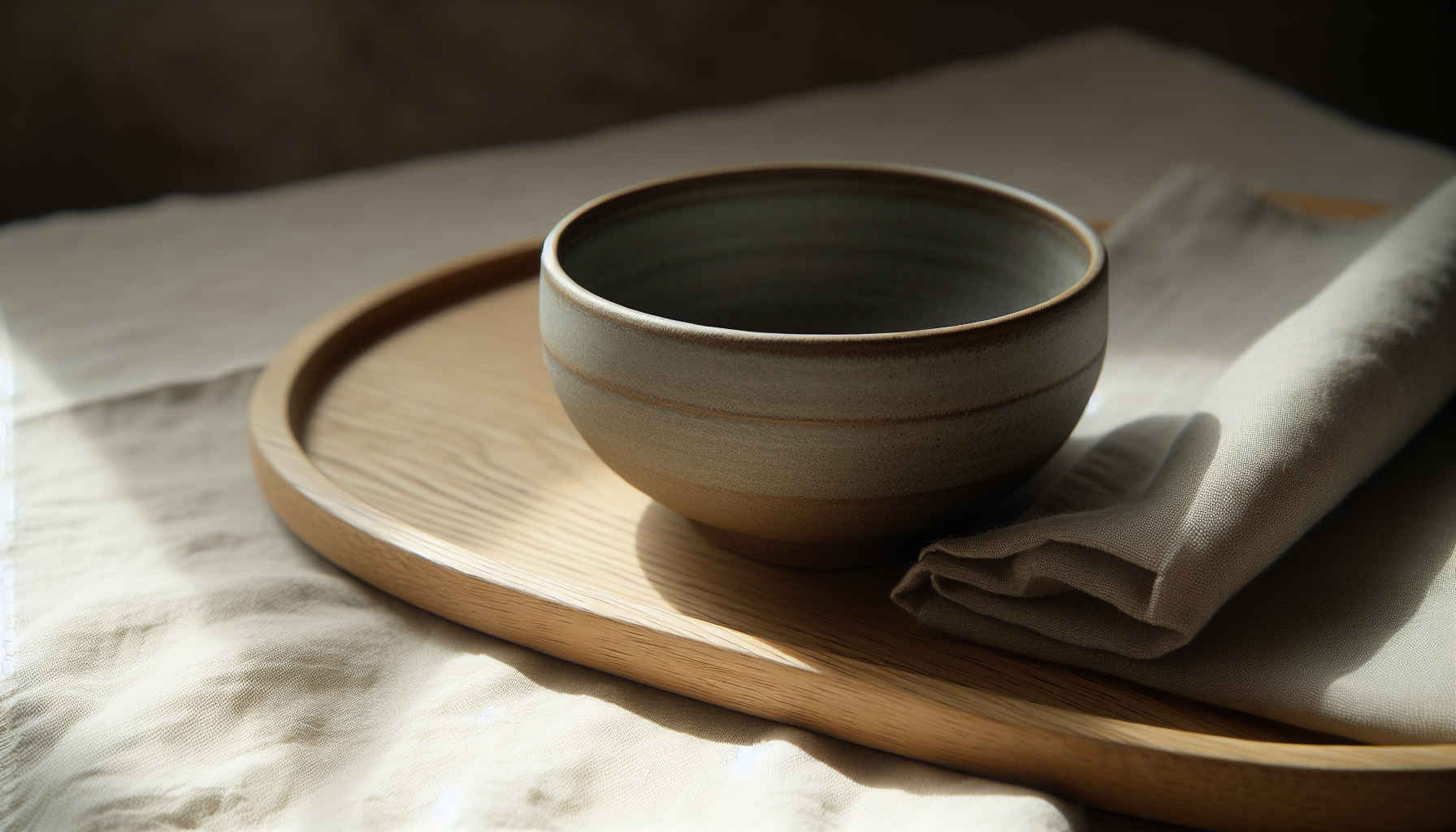
Have you ever walked into a room and immediately felt calmer, as if the space gently asked you to slow down?
Why Japandi is often linked to mindfulness through slow living principles
You’ll find that Japandi combines Japanese austerity and Scandinavian warmth in a way that feels intentional, calm, and unhurried. This hybrid aesthetic focuses on function, beauty, and a pared-back way of living that matches many slow living ideals. As you read, you’ll learn how the design principles of Japandi align with mindfulness and practical steps you can use to bring that peaceful quality into your own daily life.
What Japandi actually means
You should know that Japandi is a portmanteau of “Japanese” and “Scandi(navian)”. It blends the clean lines, natural materials, and muted color palettes of both traditions to create spaces that honor simplicity and craftsmanship. When you embrace Japandi, you’re choosing restraint, care, and an appreciation for materials and form.
Origins and cultural influences
Japandi draws from centuries-old Japanese aesthetics like wabi-sabi, and from Scandinavian ideas around functionality and hygge-like comfort. You’ll notice influences such as an emphasis on natural materials, craftsmanship, and a respect for imperfection. Both cultures value living well with less, which naturally connects to slow living philosophies.
Key characteristics at a glance
You’ll recognize Japandi by several clear features: minimal clutter, neutral color schemes, mixed textures, natural light, and balanced scales of furniture. These elements create visual calm and make the space feel intentionally edited. When you apply these characteristics, your environment can support clearer thinking and quieter habits.
Core principles that make Japandi feel mindful
Japandi isn’t just a look — it’s a set of guiding principles that help create an environment conducive to slow living and mindfulness. These principles include intentional simplicity, an emphasis on the present moment through sensory details, and respect for natural materials and unobtrusive design.
Intentional simplicity
You’ll find that intentional simplicity is about choosing objects with purpose rather than filling space for the sake of appearance. This approach helps reduce decision fatigue because your home contains fewer distractions. When you make deliberate choices about what you keep, your surroundings support calmer routines and clearer priorities.
Functional beauty
Japandi treats everyday objects as aesthetic opportunities. You’ll see furniture and décor that are both useful and visually pleasing, which helps you value the items you own. By prioritizing quality over quantity, you’re less likely to chase trends and more likely to appreciate craftsmanship.
Imperfection and wabi-sabi
You’ll notice that Japandi often celebrates subtle imperfections — a hallmark of wabi-sabi. Slight irregularities in glaze, visible wood grain, or hand-crafted finishes tell a story and invite you to accept transience. This attitude fosters contentment with the present moment, a central ethic of mindfulness.
Natural materials and tactility
You’ll experience warmth and grounding through materials like wood, stone, linen, and clay. These surfaces invite touch and create a sensory connection to the natural world. When your space is filled with natural textures, you’re more likely to slow your movements and be present with the objects and activities around you.
How slow living principles overlap with Japandi
Slow living emphasizes intention, quality, sustainability, and presence — all of which are embodied by Japandi design. You’ll see overlap in how both advocate for reduced consumption, deeper appreciation of possessions, and living at a human pace rather than chasing speed and efficiency alone.
Minimalism versus meaningful reduction
You’ll notice that slow living isn’t about strict minimalism; it’s about meaningful reduction. Japandi often follows this subtle distinction by keeping essential, beautiful items rather than declaring an austere absence of belongings. This allows you to have a home that’s both functional and emotionally resonant.
Rhythm and ritual in daily life
Japandi spaces encourage you to create slow rituals: morning tea at a low table, reading in a sunlit nook, or preparing food with care. These small rituals help you connect with everyday tasks, making life feel less rushed. When you set aside time for simple, repeated actions, your environment reinforces a mindful pace.
Sustainability and longevity
Both slow living and Japandi prefer items built to last and materials that age gracefully. You’ll find that investing in quality, timeless pieces reduces waste and fosters a sense of stewardship for your home. By choosing sustainable options, you’re aligning your inner values with outward choices.
The psychological benefits that link Japandi to mindfulness
When you surround yourself with calm, well-curated spaces, your brain receives fewer competing stimuli, which makes it easier to focus and relax. Japandi supports mental clarity through visual harmony, reduced clutter, and sensory softness. You’ll likely find your stress levels drop and your attention improves as your environment becomes more intentional.
Less cognitive load from clutter
You’ll experience fewer mental interruptions when surfaces are clear and items have a designated place. Clutter forces your brain to process more visual information, which drains cognitive resources. Japandi’s disciplined approach reduces that load, making mental processing easier.
Increased ability to be present
The simplicity and tactile quality of a Japandi interior helps you stay where you are — in the moment. You’ll notice that sensory pleasures like soft linen, warm wood, and natural light make you more mindful of the present. Such environments encourage slow activities and reduce the impulse to multitask.
Enhanced emotional regulation
You’ll benefit emotionally from spaces that feel stable and predictable. Soft palettes, orderly layouts, and harmonious proportions can soothe your nervous system. Over time, such consistent environmental cues help you develop calmer responses to daily stressors.
Design elements that support slow living
Certain tangible design elements within Japandi directly support the slow living lifestyle. These include layout choices, furniture scale, lighting strategy, and storage solutions that promote order and ritual.
Low, grounded furniture
You’ll often see low-profile seating and tables in Japandi interiors. This arrangement creates intimate spaces and encourages slower, grounded postures. Low furniture can make you feel more connected to the home’s physical presence and invite calmer social interactions.
Light and shadow control
You’ll appreciate how natural light is maximized, often complemented by soft shadows from paper screens or fabric. This gentle modulation of light reduces harsh contrasts and supports restful rhythms. Thoughtful lighting design helps you preserve a slower tempo in your day.
Thoughtful storage and hidden function
You’ll find that storage in Japandi design is both elegant and discreet, helping you maintain a serene environment. Built-in cabinets, baskets, and selective open shelving reduce visible mess and let you focus on essentials. When things have a place, your routines will feel smoother and less chaotic.
Neutral palette with intentional accents
You’ll notice neutrals dominate — soft beiges, warm greys, muted greens, and black accents. These colors reduce visual noise and help you feel centered. Carefully chosen accents add charm without overwhelming the senses, supporting a slow and intentional aesthetic.
A practical comparison: Japandi vs pure Minimalism vs Hygge
You may find it useful to compare Japandi with two related but distinct approaches. The table below highlights core differences so you can see why Japandi uniquely supports mindfulness and slow living.
| Feature | Japandi | Pure Minimalism | Hygge (Scandinavia) |
|---|---|---|---|
| Focus | Balance of function and warmth | Extreme reduction and function | Comfort and social coziness |
| Color palette | Muted neutrals, warm wood tones | Stark whites, black, minimal color | Warm neutrals, soft pastels |
| Materials | Natural, tactile (wood, stone, clay) | Often industrial or sparse | Soft textiles, wool, cushions |
| Emotional effect | Calm, composed, grounded | Clean, efficient, sometimes austere | Cozy, intimate, emotionally warm |
| Relationship to objects | Quality, craftsmanship, purposeful | Only essentials | Comfort-driven, more belongings |
| Suitability for mindfulness | High — balances simplicity and comfort | Moderate — can feel sterile | High — supports comfort and ritual |
You’ll see from the table that Japandi sits between minimalism and hygge, combining the benefits of both in a way that’s particularly aligned with slow living.
How to start creating a Japandi space in your home
You don’t have to renovate your entire home to benefit from Japandi principles. Start small, and focus on adjustments that create immediate impact: declutter, select a consistent palette, bring in natural materials, and simplify surfaces.
Begin with a single room
You might begin with the room where you spend the most time — a living area, bedroom, or kitchen. Move slowly through choices: keep what serves you, donate what doesn’t, and invest in one quality piece that anchors the room. This incremental approach fits the slow living philosophy and makes change easier to sustain.
Edit intentionally
You’ll want to edit your belongings with purpose. Ask whether each item serves a function or brings you joy. If the answer is no, consider letting it go. Intentional editing creates space for meaningful objects and reduces daily upkeep.
Mix Japanese and Scandinavian furniture language
You’ll find that pairing clean Nordic silhouettes with refined Japanese accents works nicely: a simple wooden sofa frame combined with a low tea table, for instance. Balance scale and warmth so one influence doesn’t dominate the other. Harmony is key.
Prioritize materials over trends
You’ll be better served by focusing on materials that age with character — solid wood, woven rattan, stone, and linen — rather than chasing fast-design trends. These choices align with slow living because they last longer and often become more cherished.
Room-by-room guide to applying Japandi
You’ll get better results by tailoring Japandi principles to each room’s function. Here are practical suggestions for your living room, bedroom, kitchen, and workspace.
Living room
Keep seating simple and low, arrange furniture to encourage conversation, and avoid over-accessorizing. Choose one or two statement pieces of furniture and use texture rather than ornament to create interest. A neutral rug, a single art piece, and a plant can be enough.
Bedroom
Aim for calm by limiting furniture to essentials: bed, bedside table, and maybe a small dresser. Use soft linens, natural fibers, and muted colors. Remove electronic clutter and create a routine that connects you to slow evening rituals like reading or tea.
Kitchen
Make the kitchen functional and tidy with closed storage and a few carefully chosen tools. Use wooden utensils, stone countertops if feasible, and ceramic dishware. You’ll find that slowing meal prep — focusing on seasonal ingredients and simple cooking — complements the Japandi kitchen.
Workspace
Keep your workspace uncluttered to help your mind stay focused. Opt for a functional desk, ergonomically sound chair, and limited desk accessories. Introduce tactile elements like a wooden pen holder or plant to ground the area without distracting you.
Everyday rituals that complement Japandi and foster mindfulness
Your environment changes behavior, and small rituals help you maintain a slower, more mindful rhythm. You’ll benefit from routines that engage your senses and encourage presence.
Morning rituals
Begin with a simple movement, a stretch, or a short tea ritual. You’ll notice that starting slowly sets the tone for your day. Keep morning items in designated places so you move intentionally.
Meal rituals
Cook with attention, use uncomplicated recipes, and sit down to eat without screens when you can. These habits make meals more nourishing both physically and mentally. The Japandi kitchen’s emphasis on useful tools helps you prepare food more gracefully.
Evening rituals
Dim lights, reduce stimulants like screens, and engage in calming activities such as reading, journaling, or a warm beverage. These rituals help you wind down and benefit from the restful cues of a Japandi bedroom.
The role of sustainability and longevity
You’ll notice that Japandi encourages choices that reduce waste and emphasize repair. Preferring well-made goods, natural fibers, and timeless design aligns with environmental responsibility and with slow living’s goal of mindful consumption.
Buy less, choose better
When you invest in quality, you reduce the need for frequent replacements. You’ll likely save money and reduce consumption over time while enjoying better aesthetic and tactile experiences. This choice supports both your mental well-being and the planet.
Maintain and repair
You’ll keep items longer by learning basic maintenance: oil wooden surfaces, re-sew cushions, and re-glaze ceramics when possible. Repair culture is central to slow living and strengthens your emotional bond with possessions.
Common mistakes and how to avoid them
You’ll get the most from Japandi when you avoid some frequent pitfalls: confusing minimalism with sterility, overcrowding with “just enough”, or mixing too many styles without cohesion. Here’s how to sidestep those issues.
Mistake: making it feel cold
You’ll avoid coldness by introducing natural textures, warm wood tones, and soft textiles. Add tactile layers and a few curated personal items to make spaces feel humane rather than museum-like.
Mistake: over-decluttering
You’ll want to resist the urge to remove everything. Keep meaningful items that support your routines and emotional needs. The goal is considered reduction, not emptiness.
Mistake: inconsistency in materials
You’ll achieve coherence by choosing a limited palette of materials and colors. If you mix too many finishes, the space can feel disjointed. Stick to three to four primary materials for harmony.
Small investments that make a big difference
You don’t need a big budget to bring Japandi into your life. Focus on a few changes that provide immediate sensory and functional gains.
- Swap heavy curtains for light linen panels to soften light.
- Replace one chair with a crafted wooden piece that invites sitting still.
- Introduce a natural-fiber rug to anchor a conversation area.
- Use ceramic bowls and wooden utensils for daily meals to heighten tactile pleasure.
You’ll see that small adjustments often create the most noticeable shifts in mood and behavior.
Evidence and studies that support design’s impact on mindfulness
While aesthetic trends can feel subjective, research supports the idea that your environment affects mood, cognition, and stress. You’ll find studies showing that reduced clutter improves attention and that natural materials and light positively influence well-being. Design that prioritizes nature, simplicity, and ritual can create measurable improvements in mental health.
How to interpret the research
You’ll understand that individual responses vary, but common patterns show that spaces which reduce visual noise and increase tactile comfort support better focus and emotional regulation. Use the research as guidance rather than a prescription.
Personalizing Japandi while keeping its spirit
You’ll want your home to reflect your personality while maintaining Japandi’s calming structure. Personalize by choosing a few meaningful objects, colors, or patterns that speak to you, then let restraint guide the rest.
Tips for personalization
- Select two or three sentimental items and display them minimally.
- Introduce a single artwork that resonates emotionally.
- Use plants to add life without overloading visual complexity.
- Keep a consistent color tone so your personal touches feel integrated.
You’ll find that thoughtful personalization strengthens the connection between your environment and your inner life.
Long-term maintenance of a mindful space
Keeping a Japandi-inspired home aligned with slow living requires gentle, ongoing commitment. You’ll benefit from periodic reassessment and small routines that prevent accumulation and maintain the space’s calming effect.
Quarterly editing ritual
Every few months, do a light edit: remove items you don’t use, repair what needs attention, and refresh textiles. This practice keeps your environment responsive to your life changes and prevents stagnation.
Daily quick resets
You’ll develop a short, daily tidy ritual — ten minutes at the end of the day to clear surfaces, fold textiles, and set what you’ll need for morning. These tiny habits preserve calm without becoming burdensome.
Final thoughts: how Japandi becomes a supportive container for slow living
When you intentionally design your home with Japandi principles, you create more than aesthetics — you build a container for a slower life. The balance of simplicity, warmth, and craftsmanship supports mindful rituals, reduces cognitive load, and fosters a durable relationship with your possessions. You’ll find that your environment gently encourages stillness, attention, and care.
If you’re ready to begin, choose one room, start small, and let your choices reflect your values. Over time, the habits you build in a Japandi space will help you live with greater presence, appreciation, and calm.