
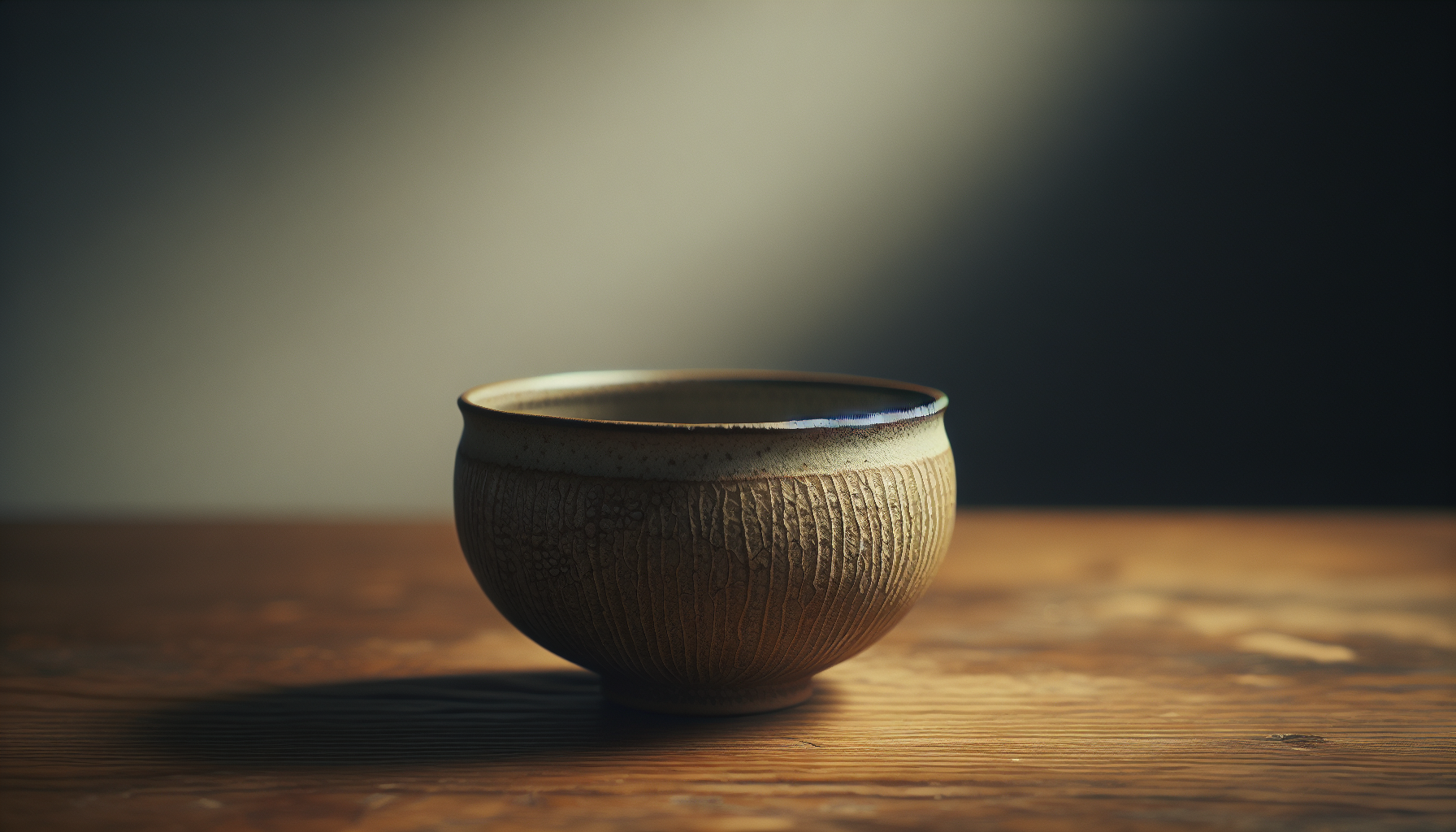
Have you noticed how certain rooms make you slow down and pay attention to the simple things?
Why Japandi is often linked to mindfulness through material choices
You’ll find that Japandi is more than a style — it’s a way of making your environment support calm attention. Combining Japanese restraint and Scandinavian warmth, Japandi uses material choices that encourage you to be present, appreciate texture, and care for objects over time. This article explains why those material choices are so closely tied to mindfulness and gives you practical, room-by-room advice to make your own space more intentional.
Origins and philosophy of Japandi
You should understand the roots of Japandi to see how material choices follow from its philosophy. Japandi borrows from both Japanese and Scandinavian design principles, forming a hybrid that emphasizes simplicity, functionality, and warmth.
Japanese influences
Japanese design traditions like wabi-sabi (accepting imperfection), ma (the space between things), and shibui (subtle beauty) inform how you choose and use materials. You’ll notice a preference for raw textures, natural aging, and minimal ornamentation. These choices make it easier for you to notice small details and cultivate a slower pace of living.
Scandinavian influences
From Scandinavia you get warmth, functionality, and a human-centered approach to design — think hygge, functional craftsmanship, and an emphasis on natural light. Scandinavian materials often highlight comfort and durability, inviting you to use spaces actively and mindfully rather than treating them like displays.
How the philosophies create mindfulness through materials
Together, these philosophies encourage you to use fewer, better things. When you pick materials that age gracefully, feel pleasant to touch, and visually calm the space, you’re nudged toward routines of care and appreciation. That’s the link between Japandi and mindfulness: the material world becomes a cue to be attentive.
Core material characteristics in Japandi
You’ll notice recurring qualities in Japandi materials. These define the look and how you interact with the space.
Naturalness
Natural materials like wood, bamboo, stone, and natural fibers are central. You’ll feel an immediate connection to the outdoors, which tends to lower stress and help you focus.
Texture and tactility
Tactile materials — linen, wool, nubby ceramics, untreated wood — invite touch and attention. When surfaces vary subtly, your senses engage, encouraging presence.
Muted, warm palettes
Colors tend to be neutral, warm, and muted. This reduces visual noise and helps you focus on form and texture rather than bold patterns.
Simplicity and craftsmanship
Pieces often reveal honest construction: simple joinery, exposed grain, and minimal hardware. You’ll tend to appreciate how objects are made and how they perform over time.
Comparing Japanese and Scandinavian influences
You may find it helpful to see the influences side by side. This table highlights the traits you’ll likely notice in Japandi and why they matter for mindfulness.
| Influence | Key material traits | Why it supports mindfulness |
|---|---|---|
| Japanese | Natural, unfinished wood; paper (washi); stone; bamboo; muted tones; visible joinery | Encourages acceptance of imperfection, tactile awareness, and quiet reflection |
| Scandinavian | Light woods (ash, oak); wool, linen; clean lines; warm neutrals; functional textiles | Promotes comfort, practical use, and human-scale living |
| Japandi (hybrid) | Warm-toned wood with simple lines; textured textiles; ceramics; low-profile furniture | Balances calm minimalism with cozy warmth to support daily mindful routines |
Common materials in Japandi and what they do for your wellbeing
You should know the distinct character and care implications of each material. The following table breaks down common Japandi materials, what they feel like, and why they encourage mindfulness.
| Material | Typical use | Sensory/psychological effect | Care/maintenance |
|---|---|---|---|
| Solid wood (oak, walnut, ash) | Furniture, shelving, flooring | Warmth, natural grain invites visual and tactile attention | Oil or wax finishes; dust regularly; avoid excessive moisture |
| Bamboo | Furniture, screens, flooring | Smooth texture, sustainable feel, subtle sheen | Clean with damp cloth; less prone to warping than some woods |
| Rattan and wicker | Seating, baskets | Organic texture, lightness, handmade feel | Avoid soggy environments; dust and lightly clean |
| Linen | Curtains, bedding, cushions | Breathable, slightly textured, cool to touch | Machine-washable or gentle wash; softens over time |
| Wool | Rugs, throws | Insulating, compressible texture; noise-dampening | Vacuum and spot clean; professional cleaning for deep stains |
| Ceramic and stoneware | Tableware, vases, tiles | Cool, grounding touch; visual imperfections celebrated | Hand-wash delicate pieces; seal stone surfaces as needed |
| Stone (granite, slate) | Countertops, tiles, accents | Solid, durable, grounding presence | Seal where porous; wipe spills promptly |
| Washi paper | Lamps, screens | Soft light diffusion, delicate texture | Keep away from moisture; replace if damaged |
| Matte metals (brass, black steel) | Hardware, lighting | Subtle, restrained shine; aging can add patina | Wipe with soft cloth; avoid abrasive cleaners |
| Natural fibers (jute, sisal) | Rugs, baskets | Coarse, earthy texture; visual grounding | Vacuum; avoid dampness to prevent mold |
Why these material choices encourage mindfulness
You’ll experience several psychological and sensory mechanisms that make material choices effective mindfulness cues.
Heightened sensory awareness
Natural textures and honest finishes invite you to touch and observe. When you run your hand across a wooden tabletop or feel linen bedding, your attention goes to the present moment.
Acceptance of imperfection
Materials that age or show subtle irregularities shift your focus from perfection to presence. A small crack or a patina becomes a record of use, helping you accept transience and the value of things that change with time.
Reduced visual clutter
Muted palettes and tidy material choices prevent overstimulation. When your surfaces are simple, your mind has fewer distractions, which makes it easier for you to slow down and notice.
Rituals of care
Materials that need maintenance — oiling wood, washing linen, dusting woven surfaces — invite small rituals. These caring acts become mindful practices that connect you to your home and to the passage of time.
How material textures influence mood and behavior
You should consider how tactile qualities cue certain actions or feelings.
- Smooth, finished wood can feel formal and tidy, encouraging you to use areas less or treat them as display spaces.
- Unfinished or lightly finished wood invites touch and everyday use, which supports warmth and casual living.
- Soft textiles like wool and linen encourage relaxation and lingering; they make you more likely to sit, read, or rest.
- Hard, cool materials like stone or ceramic ground a space and support focused activities like cooking or writing.
Material choices room-by-room
You’ll want to tailor your material decisions to how you use each room. Below are practical suggestions that connect material choices to mindful habits.
Living room
Your living room should balance comfort with restraint so that you naturally gravitate toward presence.
- Furniture: Choose low-profile wooden sofas and coffee tables with simple joinery. Opt for natural upholstery like linen or cotton blends.
- Textiles: Layer wool or cotton throws and a neutral rug made from jute or wool to reduce echo and add warmth.
- Ceramics: Use hand-thrown bowls and vases as tactile objects you can pick up and hold.
- Lighting: Paper or fabric lamps that diffuse light softly encourage calm evening routines.
Mindful habit: Make a small ritual of lighting a lamp and picking up a ceramic cup for tea, focusing on the warmth and texture.
Bedroom
Your bedroom should promote rest and slow transition into sleep.
- Bed frame: Light or warm wood with minimal headboard. Exposed joinery feels honest and grounded.
- Bedding: Linen or cotton-linen blends breathe well and feel gently textured.
- Flooring: Wood or low-pile wool rugs underfoot to provide warmth when you wake.
- Accents: A small wooden shelf for a single plant or ceramic vessel keeps clutter minimal.
Mindful habit: Keep a linen cloth to lightly fold and smooth your bedding each morning, turning a chore into a grounding ritual.
Kitchen and dining
Kitchens are active spaces, so materials should balance durability with sensory warmth.
- Countertops: Natural stone or matte-finish engineered surfaces for durability; wooden chopping boards for tactile prep work.
- Tableware: Hand-thrown ceramics make meals feel intentional and tactile.
- Cabinetry: Flat-panel wood cabinets or lacquered surfaces in muted tones for visual calm.
- Textiles: Cotton or linen napkins and table runners that soften the table setting.
Mindful habit: Use a wooden board you maintain (oil periodically), and treat cooking as a tactile, sensory-focused activity.
Bathroom
Bathrooms can be a mini retreat when simple textures and muted palettes are used.
- Tiles: Slate or textured stone adds grounding qualities.
- Towels: Thick cotton or linen towels invite a mindful moment after washing.
- Accessories: Ceramic soap dishes and wooden bath stools make daily routines more tactile.
Mindful habit: After bathing, take a moment to notice the towel’s texture and the scent of any natural soap you use.
Workspace
Your work area should limit distractions while keeping you comfortable for focus.
- Desk: Solid wood desk with a natural finish to provide warmth without glare.
- Chair: Ergonomic design with wool or leather upholstery for long comfort.
- Storage: Minimal open shelving made from wood so you can keep essentials visible but tidy.
Mindful habit: Maintain a single wooden tray for pens and small items; returning objects to this place becomes a centering act.
How light interacts with materials to support mindfulness
You’ll appreciate how materials look very different under varied light. Japandi emphasizes natural light and soft, diffuse artificial light.
- Natural daylight reveals wood grain and fabric texture, encouraging you to notice subtle changes across the day.
- Paper and fabric lamps soften shadows and create a calm atmosphere that supports relaxation.
- Matte and warm surfaces reduce reflections and glare, enabling you to focus on objects rather than light sources.
When you layer lighting (ambient, task, accent), materials take on different roles and invite different activities, from reading to resting.
Sustainability and health considerations
You should consider more than aesthetics — health and sourcing matter in mindful design.
Low VOCs and finishes
Choose finishes and adhesives with low volatile organic compounds (VOCs) to reduce indoor air pollution. Natural oils and hardwax finishes for wood are better alternatives to solvent-based lacquers.
Certifications and sourcing
Look for FSC (Forest Stewardship Council) certification for wood, OEKO-TEX for textiles, and Fair Trade or artisan-sourced labels for ceramics and woven items. These certifications align your material choices with ethical and sustainable practices.
Reclaimed and locally made materials
Reclaimed wood, vintage ceramics, and locally crafted textiles reduce environmental impact and create stories behind objects — which deepen your mindful connection.
Durability and repairability
Selecting durable and repairable items reduces consumption and invites a relationship with objects through repair and maintenance rituals.
Table: Sustainable material practices and benefits
You’ll find it useful to compare sustainable choices and why they matter.
| Practice | What you choose | Benefit to sustainability & mindfulness |
|---|---|---|
| Reclaimed materials | Reclaimed wood, salvaged stone | Lowers demand for new extraction; adds history and narrative to objects |
| Low-VOC finishes | Natural oils, water-based finishes | Healthier indoor air; less chemical smell to distract you |
| Local artisans | Handcrafted ceramics, woven goods | Supports community, shorter supply chains, more meaningful objects |
| Certified wood/textiles | FSC wood, OEKO-TEX textiles | Ensures responsible sourcing and safer materials |
| Repair-first approach | Furniture with replaceable parts | Encourages care, prolongs life, reduces waste |
How to choose, test, and combine materials
You should be intentional when mixing textures and surfaces. Here’s a practical checklist for choosing materials that support mindfulness.
- Touch before you buy: Feeling grain, weave, and texture will tell you whether you’ll want to interact with a piece.
- Assess scale and proportion: Large pieces in heavy materials should fit the room scale to avoid overwhelming the space.
- Limit palette to 3–4 core materials: This keeps visual calm while allowing variety through texture.
- Mix warm and cool: Warm wood + cool stone balances comfort and formality.
- Think about care: Choose materials that you’re willing to maintain — if oiling wood every few months feels like a burden, pick a low-maintenance alternative.
- Prioritize second-hand and artisan pieces where possible: They often have better construction and more character.
Mistakes to avoid
You’ll save time and frustration by knowing common pitfalls.
- Overstuffing with trendy pieces: A few high-quality items will support mindfulness better than many cheap objects.
- Choosing finishes that hide texture: High gloss can flatten the natural character of materials and reduces tactile invitation.
- Ignoring acoustics: Hard surfaces without soft textiles can make spaces feel harsh and less restful.
- Picking materials that you can’t maintain: Avoid materials that need specialized care if you won’t commit to it.
Practical budget tips
You can build a mindful Japandi space without spending a fortune.
- Prioritize investment pieces: Spend more on a solid wood table or a comfortable sofa; save on accessories like bowls or baskets.
- Mix high and low: Pair a high-quality wooden table with affordable linen cushion covers.
- Buy second-hand: You’ll find well-made furniture with character that already has the patina Japandi celebrates.
- DIY finishes: Sanding and oiling can refresh older pieces at low cost.
A 10-step plan to introduce Japandi material mindfulness into your home
You should have actionable steps to make changes manageable. Follow this simple plan:
- Audit your space: Note materials, textures, and finishes that feel noisy or sterile.
- Declutter visually: Remove items that don’t serve a function or bring calm.
- Choose a core palette: Pick 3–4 material types (e.g., oak, linen, ceramic, wool).
- Replace one item at a time: Start with a table or sofa to set the tone.
- Add tactile textiles: Introduce a wool rug or linen curtains in a neutral tone.
- Improve lighting: Add a paper or fabric lamp to soften evenings.
- Introduce natural elements: A potted plant, wooden tray, or stone bowl can connect you to nature.
- Commit to care rituals: Schedule oiling, washing, and gentle cleaning as mindful tasks.
- Source responsibly: Choose FSC wood, OEKO-TEX textiles, or artisan items when possible.
- Review and refine: Live with changes for a few months before adding more.
Examples and small rituals to build mindfulness into everyday use
You’ll find that small, repeatable actions help material choices become meaningful.
- Morning table ritual: Make coffee or tea in a favorite ceramic mug and feel the weight and texture before you sit.
- Weekly linen refresh: Rotate bed linens and notice the softened texture; take a moment to breathe in the calm.
- Monthly wood care: Oil a wooden table and appreciate the changing grain and color.
- Evening light transition: Swap overhead lights for a paper lamp to signal wind-down time.
Case study: transforming a cluttered living room into a Japandi sanctuary (short example)
You can use this short scenario as a template.
- Starting point: A living room with mismatched furniture, glossy surfaces, and heavy patterned textiles.
- Steps taken: Removed excess objects, replaced a bright rug with a neutral wool rug, swapped plastic lamps for a washi paper lamp, introduced a low oak coffee table, and added linen cushions.
- Result: The space became visually calmer, more tactile, and easier to maintain. The occupant reported feeling more relaxed and more likely to use the space for reading and intentional socializing.
Frequently asked questions (brief)
You may have common questions when trying to apply Japandi principles.
- Q: Can I have color in Japandi? A: Yes. Keep colors muted and natural — soft greens, dusty blues, and warm greys work well in small accents.
- Q: Is Japandi expensive? A: It doesn’t have to be. Prioritize one or two quality pieces and combine them with affordable textiles and second-hand finds.
- Q: How do I keep Japandi from feeling cold? A: Add soft textiles (wool, linen), warm wood tones, and layered lighting to foster coziness.
Final considerations: living with your materials over time
You should view materials as part of a long-term relationship rather than a one-off purchase. The mindful element of Japandi comes from ongoing interaction — touching, cleaning, repairing, and noticing. Over time, the way materials age will reflect the life you lead in the space, and those marks of use can become a source of quiet satisfaction.
When you choose materials intentionally, you create an environment that constantly prompts small acts of attention. Those acts, repeated daily, are the most accessible form of mindfulness: not separate from life, but woven into it through the objects you touch and the rituals you perform. If you commit to selecting honest materials, caring for them, and keeping visual simplicity, your home will quietly guide you toward presence.