
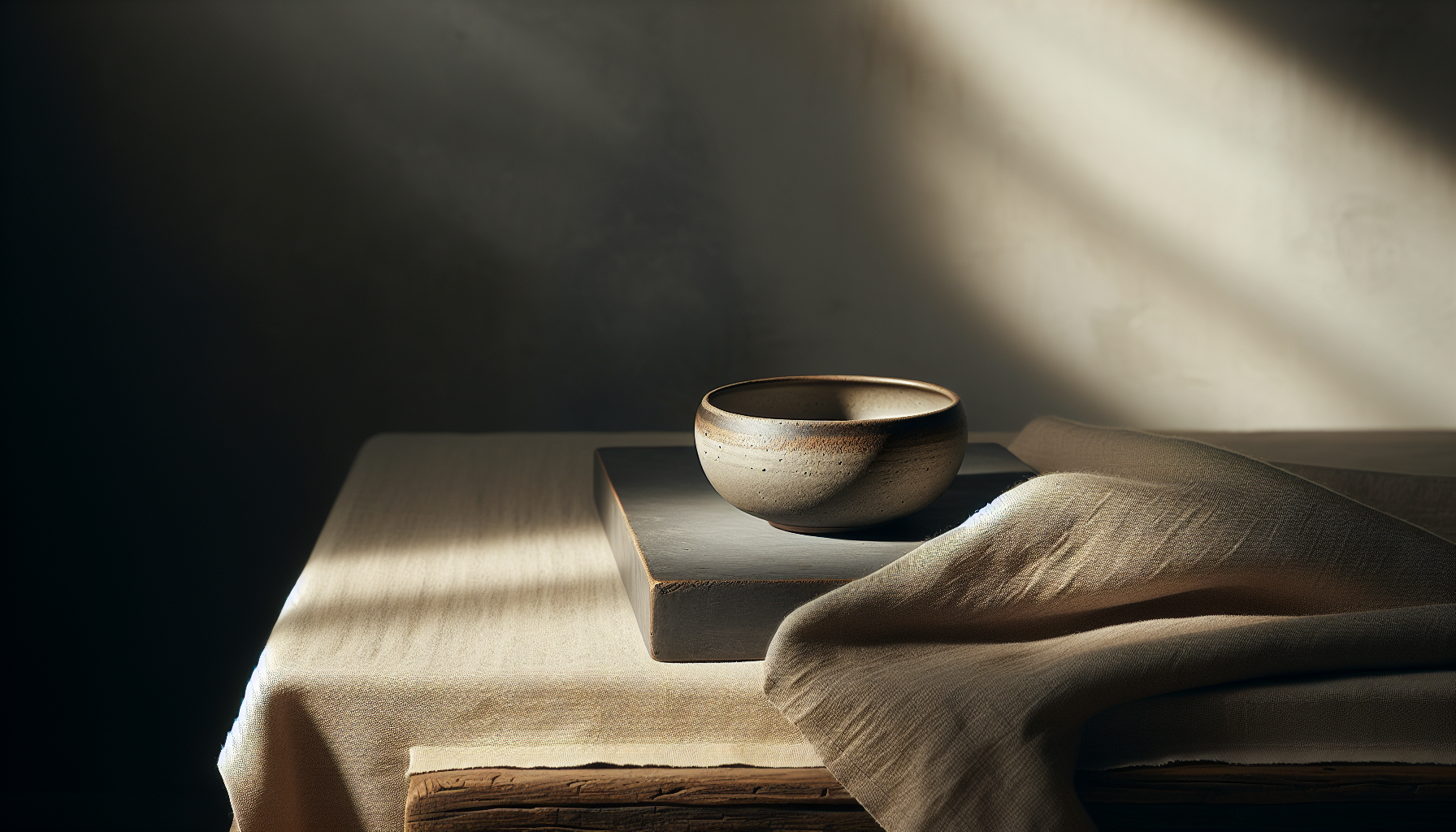
? Have you noticed how a calm, pared-back room can make you feel more present and centered?
Why Japandi is often linked to mindfulness through decluttering and simplicity
This article explains why Japandi is frequently associated with mindfulness, focusing on decluttering and simplicity as core bridges between design and mental well-being. You’ll learn how the aesthetic principles of Japandi—coming from Japanese and Scandinavian roots—encourage a mindful approach to living, and you’ll get practical steps to apply those ideas in your home and daily life.
What is Japandi?
Japandi is a hybrid design style that blends Japanese minimalism with Scandinavian functionality and warmth. You’ll notice clean lines, natural materials, muted colors, and an emphasis on purposeful objects.
This style is not only visual; it’s a lifestyle approach that values restraint, craftsmanship, and a slower pace. That combination makes Japandi naturally compatible with practices that promote mindfulness.
Origins and cultural influences
Japandi originates from two distinct design traditions: Japanese wabi-sabi and Scandinavian hygge/minimalism. Each contributes principles that feed into a mindful home environment.
Japanese design contributes an appreciation for imperfection, quiet rituals, and the beauty of natural materials. Scandinavian design contributes functional simplicity, comfort, and a focus on light and airy spaces. When you combine these influences, you get a design language that encourages attention, reflection, and calm.
Core principles of Japandi design
The key principles of Japandi—simplicity, functionality, craftsmanship, and natural materials—create spaces that feel both intentional and relaxed.
- Simplicity: You’ll eliminate visual clutter and keep only what serves a purpose or brings joy.
- Functionality: Furniture and objects are chosen for usefulness as well as beauty.
- Craftsmanship: You’ll favor well-made pieces that age gracefully.
- Natural materials: Wood, stone, linen, and ceramics are prioritized for sensory warmth and authenticity.
These principles align closely with mindful living because they require you to make deliberate choices about the objects and spaces you surround yourself with.
How simplicity supports mindfulness
Simplicity reduces sensory overload and helps you focus on the present moment. When you simplify a room, you create breathing room—both physically and mentally.
You’ll find that fewer objects demand your attention, so your mind has less to process. That quiet is fertile ground for mindful activities like reading, meditation, or simply being with family without constant distraction.
The role of decluttering in mindfulness
Decluttering is more than a cleaning task; it’s a practice in intentionality. When you decide what to keep and what to let go of, you’re making conscious value judgments about what matters in your life.
This process encourages you to reflect on your habits, priorities, and relationships with objects. The act of decluttering can teach you to resist impulse accumulation and become more discerning—skills that carry over to mindful decision-making.
Wabi-sabi, hygge, and mindful values
Japandi borrows concepts from Japanese wabi-sabi and Scandinavian hygge, both of which support mindful living in different ways.
- Wabi-sabi: Embraces imperfection, transience, and simplicity. It helps you appreciate the present and accept flaws as part of a meaningful life.
- Hygge: Emphasizes coziness, comfort, and intimate social moments. It encourages you to savor slow, pleasant experiences.
Together, these ideas promote presence and slow living—key components of mindfulness.
Visual and sensory elements that invite presence
Japandi relies on visual restraint and tactile materials to create a calm atmosphere. These elements help you stay grounded and attuned to your senses.
- Neutral color palettes: Soft beiges, muted greys, warm wood tones, and deep greens reduce visual noise and promote restfulness.
- Natural textures: Linen, wool, untreated wood, and clay offer tactile cues that encourage you to touch and engage with objects slowly.
- Soft lighting: Warm, indirect light reduces harsh contrast and invites relaxation.
These choices create a setting where mindfulness practices feel natural rather than forced.
Decluttering strategies that align with Japandi
You’ll get better results if you use decluttering methods that reflect Japandi values. Focus on quality over quantity and on maintaining a sense of calm in each space.
- Start small: Work on a single drawer, shelf, or corner to avoid overwhelming yourself.
- Keep what you use and love: If an item serves a practical purpose or sparks joy, it earns a place.
- Establish zones: Assign clear functions to areas (resting, eating, working) so objects naturally belong to one place.
- Implement storage as design: Use baskets, trays, and built-in storage that look attractive and keep things out of sight.
These approaches make decluttering an ongoing practice, not a one-time purge.
Room-by-room decluttering and design tips
You’ll benefit from a tailored approach for different spaces in your home. Each room has unique functions that affect how you should simplify and arrange it.
Living room
Your living room should feel open and intentional, with comfortable seating and a few carefully chosen accessories.
- Choose sofas and chairs with clean silhouettes and natural fabrics.
- Limit decorative items to pieces that have personal meaning or strong aesthetic value.
- Use low-profile storage to keep toys, throws, and remotes hidden.
A calm living room becomes a place where you can practice presence and social connection without distraction.
Bedroom
The bedroom should be a sanctuary for rest and restoration.
- Keep surfaces clear of clutter and screens to support better sleep.
- Opt for a minimal nightstand with only essential items like a lamp, a book, and perhaps a small bowl for jewelry.
- Use natural bedding materials to enhance tactile comfort.
When you simplify your bedroom, your mind associates it with rest, making it easier to unwind at night.
Kitchen and dining
Kitchens benefit from functional organization and visible order, since they are high-use areas.
- Store cookware and utensils in logical places to reduce decision fatigue.
- Keep countertops clear except for essential items or a single decorative bowl of fruit.
- Use open shelving sparingly and only for curated, frequently used pieces.
A tidy kitchen supports mindful cooking and more intentional meals.
Home office
A focused workspace should minimize interruptions and foster productive routines.
- Keep your desk surface clear of nonessential items.
- Use cable management and minimalist tech stands to reduce visual clutter.
- Introduce a single plant or an artistic object to add warmth without distraction.
A simplified workspace helps you stay present and maintain focus during work sessions.
How rituals reinforce mindful living in a Japandi home
Rituals are small, repeated actions that help you bring attention to everyday life. Japandi spaces encourage rituals because they are designed for living slowly and intentionally.
- Morning routines: A simple tea or brief stretching sequence in a calm corner sets a mindful tone for your day.
- Cleaning rituals: Daily or weekly tidying transforms chores into meditative activities rather than stressful tasks.
- Meal rituals: Thoughtful meal preparation and eating without screens turns dining into a sensory practice.
Rituals are ways you give meaning to ordinary moments, and a Japandi environment supports those practices by reducing distractions and highlighting sensory experiences.
Mindful purchasing: how to choose objects intentionally
Mindful purchasing helps you avoid clutter and choose items that add value to your life. When you buy with intention, you strengthen the connection between your possessions and your values.
- Ask whether an item serves a real need or adds genuine joy.
- Prioritize longevity and timeless design over trends.
- Consider multifunctional pieces that reduce the number of items you must own.
Over time, mindful purchasing reduces waste and brings coherence to your living environment.
The mental health benefits of a decluttered Japandi space
Your environment affects your mood, focus, and stress levels. A Japandi-inspired, decluttered space can provide measurable mental health benefits.
- Reduced anxiety: Visual calm lowers the physiological stress response and creates a sense of control.
- Better focus: Fewer distractions help you concentrate on tasks or relationships.
- Improved sleep: A simplified bedroom free of screens and clutter supports healthier sleep patterns.
- Increased creativity: A clear environment frees mental bandwidth for imaginative thinking.
You’ll likely notice these benefits gradually as you maintain a simplified living space.
Common mistakes to avoid when adopting Japandi
It’s easy to misinterpret Japandi as cold minimalism or to focus too much on aesthetics and not enough on function. Avoid these common pitfalls.
- Over-minimalizing: Removing everything can make a space sterile and uncomfortable. Keep soft materials and a few personal items.
- Following trends blindly: Japandi is about longevity and intentionality, so don’t buy items just because they’re fashionable.
- Neglecting functionality: A beautiful object that doesn’t serve your needs will create frustration and clutter.
Always test how a piece functions in your daily life before committing, and maintain a balance between beauty and comfort.
Japandi vs. other minimal aesthetics
Understanding how Japandi differs from other minimalist trends will help you apply it thoughtfully in your home. The following table summarizes key differences.
| Aspect | Japandi | Japanese (traditional) | Scandinavian | Minimalism |
|---|---|---|---|---|
| Main focus | Blend of simplicity + warmth | Harmony with nature, wabi-sabi | Comfort, functionality, light | Extreme reduction, utility |
| Color palette | Muted neutrals, warm woods | Natural, often muted | Light neutrals, bright accents | Monochrome or subdued tones |
| Textures | Natural textiles, raw wood, ceramics | Natural fibers, tatami, paper | Wool, cotton, wood | Smooth, often synthetic or engineered |
| Furnishings | Low, functional, crafted | Tatami, low tables, shoji screens | Functional, ergonomic, cozy textiles | Minimal pieces, multi-functional |
| Mindfulness link | Strong — intentional living | Strong — ritual and acceptance | Moderate — focus on comfort and simplicity | Varies — emphasis on clarity and efficiency |
This comparison helps you see Japandi as a balanced, tactile form of minimalism that prioritizes warmth and ritual alongside restraint.
Materials, colors, and textures that promote calm
Choosing the right materials will make your spaces feel deliberately tranquil and inviting. These choices support both aesthetic and sensory experiences.
- Woods: Oak, ash, and light-walnut tones add warmth and visual continuity.
- Textiles: Linen, cotton, and wool provide tactile comfort and breathable surfaces.
- Ceramics and stone: Handmade pottery and stone accents add grounding, imperfect beauty.
- Colors: Off-white, warm beige, soft gray, muted green, and earthy clay tones encourage rest.
When you select materials that age gracefully, you’re also practicing sustainability and deepening your attachment to possessions.
Storage solutions that maintain serenity
Good storage is as important as visible design because it keeps everyday items organized and out of sight. You’ll appreciate storage that is both beautiful and practical.
- Built-in shelving: Hidden compartments and flush cabinets create uninterrupted surfaces.
- Woven baskets: Attractive and breathable, baskets provide flexible, accessible storage.
- Multi-use furniture: Beds with drawers, benches with storage, and sideboards prevent excess accumulation.
- Labeling and zones: Simple labels and clearly defined storage areas reduce decision fatigue and speed tidying.
Maintaining an organized system reduces the effort required to keep your space peaceful.
Small-space Japandi for apartments and studios
You can create a mindful Japandi environment in a small footprint by focusing on multifunctional pieces and careful curation.
- Use vertical storage and wall-mounted shelving to free floor space.
- Choose smaller-scale furniture with simple lines and light tones to give the illusion of roominess.
- Keep a small selection of meaningful objects rather than trying to fill every surface.
Smart decisions about scale and function let you enjoy Japandi benefits even when space is limited.
Family-friendly Japandi: balancing simplicity and practicality
If you live with children or pets, minimalism must be adapted to be realistic and safe. You can maintain Japandi principles while accommodating family life.
- Choose durable, washable textiles in neutral tones.
- Keep everyday toys in designated baskets and rotate items to reduce clutter.
- Use rounded furniture and non-slip rugs for safety and comfort.
By designing systems for storage and rotation, you’ll keep the calm without sacrificing livability.
Seasonal rhythm and maintenance
Maintaining a Japandi home means developing simple routines rather than constant overhauls. Small, consistent practices keep your spaces tidy and mindful.
- Weekly reset: Spend 20–30 minutes returning items to their places and clearing surfaces.
- Seasonal curation: Rotate textiles and decor twice a year to keep your home fresh without accumulating.
- Gentle cleaning rituals: Treat fast, mindful cleaning as a chance to connect with your environment rather than a chore.
These rhythms turn maintenance into nourishing habits that support your wellbeing.
How to start—your first 30-day Japandi challenge
If you want a practical way to begin, try a 30-day plan that introduces simple habits and incremental decluttering.
- Days 1–7: Clear one area each day (a drawer, a shelf, a counter) and set up a donation box.
- Days 8–14: Reassess furniture layout for better flow and reduce surface items by half.
- Days 15–21: Introduce a ritual—morning tea, evening stretching, or a nightly 10-minute tidy.
- Days 22–30: Commit to mindful purchasing rules for the next three months and create a maintenance schedule.
This structured approach helps you form lasting habits and see immediate benefits in clarity and calm.
Measuring success: how you’ll know Japandi is helping your mindfulness
You can assess the impact of Japandi on your mental state with a few simple indicators.
- Reduced time spent searching for items and decreased daily visual stress.
- Easier transitions between activities and fewer distractions during focused work.
- Better sleep quality and a more relaxed bedtime routine.
- A general sense that your home reflects your values and supports your daily rituals.
Those outcomes show that decluttering and simplicity are doing more than making your space look good—they’re changing how you live.
Examples and scenarios
Seeing how Japandi principles apply in real-life situations can help you visualize the transition. Here are a few common scenarios and practical moves you can make.
- If you work from a couch: Create a dedicated workstation that you can close off, or use a slim, foldable desk that stores away to avoid blurring work and rest.
- If you love entertaining: Keep a small selection of quality dishware and linens instead of a large, rarely used collection; rotate pieces seasonally.
- If you collect books: Use a curated book display and store the rest, or adopt a one-in-one-out rule to prevent overflow.
These examples show that Japandi is adaptable and can support many lifestyles.
Long-term relationship with your things
Japandi encourages you to develop a long-term relationship with fewer, higher-quality possessions. That mindset reduces waste and increases appreciation.
- Repair rather than replace whenever possible.
- Invest in timeless pieces and care for them so they grow more meaningful with age.
- Record why you keep certain items—stories and memories help objects maintain significance.
This approach helps you buy less, cherish more, and live more intentionally.
Final thoughts
Japandi links naturally to mindfulness because its design principles—simplicity, intentionality, natural materials, and functional beauty—encourage you to slow down and pay attention. When you apply its ideas to decluttering, rituals, and purchasing habits, you create an environment that supports mental clarity, restorative sleep, and meaningful daily practices.
Approach Japandi as a gentle way to reframe your relationship with possessions and time. You don’t need to do everything at once; small, consistent changes will yield noticeable improvements in how you feel and how your home functions. By choosing fewer, better things and creating simple daily rituals, you’ll cultivate a living space that encourages presence, calm, and more mindful living.
Quick reference tables
The table below summarizes practical actions you can take to combine Japandi design and mindfulness in different areas of the home.
| Area | Japandi action | Mindfulness benefit |
|---|---|---|
| Entryway | Minimal hooks, single tray for keys, shoe storage | Reduces visual clutter, creates a calm transition into home |
| Living room | Low furniture, one curated shelf, hidden storage | Encourages restful socializing and presence |
| Bedroom | Clear bedside, natural bedding, no screens | Supports sleep hygiene and mental rest |
| Kitchen | Declutter countertops, intuitive storage zones | Simplifies meal prep, reduces stress |
| Workspace | Clear desk, minimal decor, good lighting | Improves focus and reduces decision fatigue |
| Bathroom | Streamlined toiletries, basket storage | Turns hygiene into a calming ritual |
And a step-by-step decluttering checklist you can print or follow on your phone:
| Step | Action | Time estimate |
|---|---|---|
| 1 | Choose one small area (drawer/shelf) | 15–30 minutes |
| 2 | Remove everything and sort into keep/donate/trash | 30–45 minutes |
| 3 | Clean the empty space | 10–15 minutes |
| 4 | Return only essential and beautiful items | 10–20 minutes |
| 5 | Establish a home for frequently used items | 10 minutes |
| 6 | Repeat daily or weekly for new areas | Ongoing |
Use these resources to guide your practice so you can gradually transform your home into a mindful, Japandi-inspired sanctuary.
If you’d like, I can provide a personalized 30-day plan for your specific floor plan or lifestyle, or help you build a shopping list of durable, Japandi-appropriate pieces for your home.