
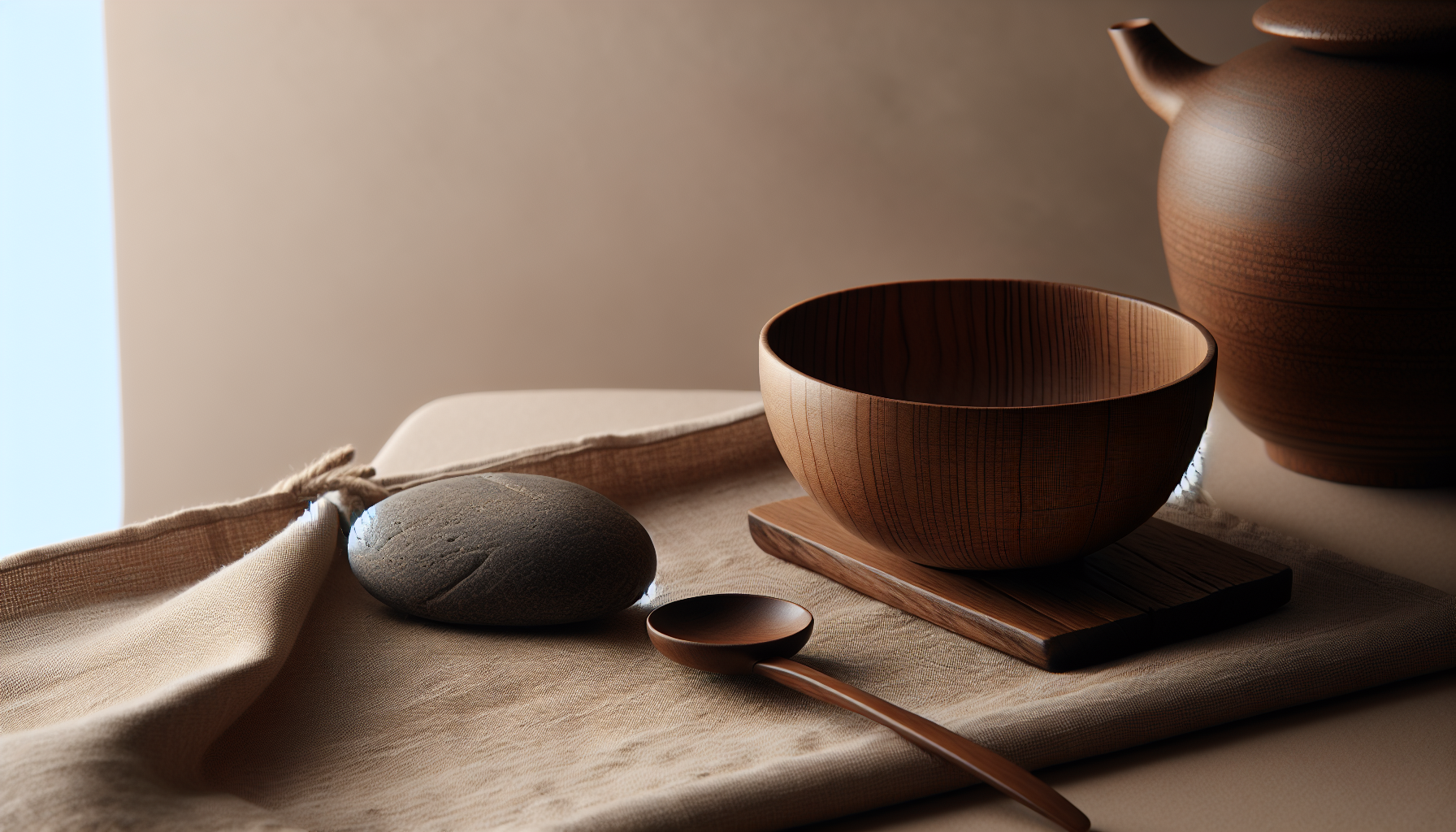
Have you noticed how some interiors make you slow down, breathe, and feel more present?
Why Japandi is often linked to mindfulness through craftsmanship and natural elements
You’ll find that Japandi design creates a calm, intentional atmosphere by combining Japanese aesthetics and Scandinavian functionality. This hybrid style emphasizes simplicity, craftsmanship, and the natural world, which together encourage mindful living. In the sections that follow, you’ll learn how specific design choices — from material selection to spatial layout — support attention, care, and well-being.
What is Japandi?
You might already think of Japandi as a design trend, but it’s more than a look: it’s a philosophy. Japandi fuses Japanese minimalism and wabi‑sabi with Scandinavian warmth and hygge, producing interiors that are restrained yet cozy. The result prioritizes purposeful objects, uncluttered spaces, and a connection to nature.
Origins and influences
You’ll see influences from two cultural traditions. From Japan, you get an appreciation for imperfection, ceremonies, and the tactile qualities of handcrafted items. From Scandinavia, you get light, functionality, and an emphasis on comfort. Together, these influences shape environments that are serene, intentional, and human-centered.
Core principles connecting Japandi to mindfulness
You’ll recognize key principles that tie Japandi to mindful practice: simplicity, slow craftsmanship, natural materials, and thoughtful spatial organization. Each principle reduces cognitive load and invites you to focus on the present moment.
Simplicity and essentialism
You’ll find fewer objects and clearer sightlines in Japandi interiors. By intentionally limiting possessions to what’s useful or beautiful, the environment reduces visual noise and encourages you to appreciate what remains. That simplicity invites slower, more aware behavior.
Slow craftsmanship and intentionality
Japandi celebrates handmade objects and visible craftsmanship. When you surround yourself with items made by skilled hands, you’re reminded of the time and care invested in each piece. That reminder can nudge you toward a slower pace and a greater appreciation for process over speed.
Natural materials and sensory grounding
Wood, stone, clay, and natural textiles are prominent in Japandi spaces. These materials engage your senses through texture, warmth, and subtle imperfections, which can anchor your attention and foster a grounded, present state.
The role of craftsmanship in fostering mindfulness
You’ll notice craftsmanship does more than add aesthetic value; it shapes how you relate to objects and routines. Craftsmanship can change an object from disposable to cherished, prompting different behaviors and emotional responses.
Process awareness and narrative
When you know the story behind a handcrafted object, you’re more likely to treat it with care. That narrative — the artisan’s touch, the making process, the subtle variations — creates a connection that supports contemplative appreciation. You’ll encounter items that invite handling rather than merely occupying space.
Durability and repairability
Craftsman-made pieces are often built to be maintained, repaired, and used for generations. That longevity fosters commitment and stewardship, which are mindful practices in themselves. You’ll develop rituals around caring for furniture, textiles, and ceramics, and those rituals can be calming and meaningful.
The sensory of handmade surfaces
Hand-thrown ceramics, hand-planed wood, and handwoven fibers yield tactile experiences that encourage touch and slower interaction. You’ll be more present when objects reward careful handling, which promotes mindful use rather than mindless consumption.
How natural elements support mindful living
Natural elements in Japandi design act as anchors for your attention. They provide sensory richness and seasonal variation, both of which keep your environment alive and engaging without overwhelming you.
Wood and warmth
You’ll see warm, often matte timber finishes used for floors, furniture, and accents. Wood’s grain, color variation, and texture enrich your sensory field and provide a constant yet non-intrusive presence. That warmth encourages relaxed body posture and a slower pace.
Stone and grounding
Stone elements — countertops, hearths, or accent tiles — introduce solidity and permanence. You’ll feel a sense of stability when you interact with stone surfaces, and their cool, tactile qualities can be calming.
Plants and biophilic connection
Plants bridge indoor environments with the outdoors. You’ll gain benefits from visual greenery, improved air quality, and the seasonal cycles of growth and dormancy. Caring for plants is also a mindful ritual that connects you to time and life processes.
Natural light and changing atmospheres
Natural light is central to both Japanese and Scandinavian design. You’ll experience shifting moods throughout the day as light softens, brightens, or casts shadows. That rhythm supports circadian patterns and provides gentle reminders of time passing — an invitation to notice rather than rush.
Wabi‑sabi and Hygge: Philosophical roots
You’ll benefit from understanding two philosophies that inform Japandi: Japanese wabi‑sabi and Scandinavian hygge. They’re not identical, but together they inform a mindful approach to living spaces.
| Aspect | Wabi‑sabi (Japanese) | Hygge (Scandinavian) |
|---|---|---|
| Core idea | Beauty in imperfection, transience, simplicity | Comfort, coziness, social warmth, well‑being |
| Aesthetic | Natural materials, patina, asymmetry | Soft textiles, warm lighting, layered textures |
| Emotional focus | Quiet reflection, acceptance | Comfort, contentment, social ease |
| Relation to objects | Valuing aged, handmade items | Creating cozy, reassuring environments |
| Mindful practices | Observing impermanence, restrained possession | Cultivating comfort and presence in everyday life |
You’ll notice that wabi‑sabi encourages sensitivity to time and imperfection, while hygge emphasizes warmth and comfort. Japandi blends these to create spaces that are both contemplative and inviting.
Material choices and sensory impact
You’ll want to be selective about materials because they shape how you feel and behave. Japandi uses a restrained palette of materials that are sensory-rich but muted in visual intensity.
Wood species and finishes
Oak, ash, walnut, and light birch are common choices. You’ll prefer matte or oil finishes over glossy lacquers because they feel more natural and less reflective. The tactile quality of hand-finished wood promotes gentle interaction and reduces visual glare.
Textiles and fibers
You’ll favor linen, cotton, wool, and hemp. These materials have tactile warmth and slightly irregular weaves that reward touch. Layering textiles — a linen curtain, wool throw, or cotton cushion — adds comfort without clutter.
Ceramics and clay
Unglazed or minimally glazed ceramics with irregular forms add a tactile, handmade quality. You’ll appreciate how slight variations in tone and surface engage your attention and encourage slow use, especially during meals or tea rituals.
Metal and accents
Brass, matte black, or muted steel are used sparingly for structural and accent details. You’ll use them to punctuate spaces without dominating the visual field, maintaining the overall calm.
Color palettes and lighting
You’ll find that Japandi palettes are neutral, balanced, and designed to enhance natural light. This combination supports a soothing atmosphere and sustained attention.
Neutral tones and subtle contrasts
Colors usually include warm beiges, soft browns, muted greens, charcoal, and off‑whites. You’ll find that these tones reduce visual overstimulation and make textured materials stand out.
Layered, adjustable lighting
You’ll use multiple lighting sources: general ambient light, task lighting, and accent lighting. Dimmable fixtures, paper lanterns, and warm LEDs replicate soft daylight and candlelight, encouraging relaxation and presence.
Managing daylight and privacy
You’ll balance sheer window treatments for soft light and heavier options for privacy and coziness. The goal is to let natural light shape the day while providing control for restful evenings.
Spatial organization and furniture
You’ll see careful consideration of scale, negative space, and multifunctionality. Furniture choices support calm movement and purposeful use.
Low-profile furniture and balance
Low seating and unobtrusive tables keep sightlines open and create a sense of groundedness. You’ll prefer furniture with clean silhouettes and visible joinery, which communicates honesty of construction.
Storage and hidden organization
You’ll use integrated storage solutions that keep surfaces clear. Built-in shelving, cabinets with clean doors, and multi-use pieces reduce visual clutter and help you maintain mindful order.
Flow and breathing room
Spacing objects to allow visual breathing room encourages your eyes and mind to rest. You’ll appreciate when rooms have intentional empty space; that emptiness becomes part of the design and a place for attention to settle.
Rituals, routines, and maintenance
You’ll find that rituals around care and use are as important as aesthetic choices. Japandi supports routines that emphasize presence and appreciation.
Daily rituals and presence
Simple daily acts — making tea in a favorite cup, sweeping a tatami mat, or folding a throw — become mindful rituals. You’ll find these actions slow your pace and connect you to the present.
Caring for objects
You’ll regularly oil wooden surfaces, mend textiles, and rotate plants. These maintenance routines cultivate stewardship, reduce waste, and encourage gratitude for the objects you own.
Seasonal adjustments
You’ll adapt textiles and arrangements with the seasons: lighter linens in summer, heavier wool in winter, a different plant or arrangement for spring. Those shifts keep your environment dynamic and aligned with natural rhythms.
Psychological and physiological effects
You’ll discover that the physical environment affects cognition, mood, and stress. Japandi’s design choices align with findings from environmental psychology and restoration theories.
Reduced cognitive load
An uncluttered environment reduces the number of stimuli your brain must process. You’ll experience fewer distractions, improved focus, and calmer decision-making.
Attention Restoration and biophilia
Natural elements help replenish cognitive resources according to attention restoration theory. You’ll find that exposure to nature — even via wood, plants, and natural light inside your home — supports recovery from mental fatigue.
Lower stress and improved sleep
Subdued lighting, natural materials, and less clutter contribute to lower cortisol levels and better sleep quality. You’ll feel more relaxed in spaces that signal safety and rest.
How to incorporate Japandi elements to cultivate mindfulness
You’ll be able to apply Japandi principles without a complete overhaul. The following steps and room-by-room checklist will help you make thoughtful changes that foster presence and calm.
Start with intent and a single room
Begin with one room and clarify what you want that room to prompt: rest, creativity, togetherness, or nourishment. You’ll find small, intentional changes are more sustainable than radical transformation.
Edit and curate
Remove items that don’t serve function or joy. You’ll keep only what’s useful, beautiful, or meaningful, which simplifies decisions and reduces distraction.
Invest in a few crafted pieces
Spend your budget on a few well-made items rather than many inexpensive ones. You’ll get greater tactile and emotional value from objects that age gracefully.
Bring nature indoors
Introduce plants, a wooden bowl, or a stone tray. You’ll feel more connected to natural cycles and sensory richness.
Create rituals around objects
Identify one or two rituals — a morning tea, an evening candle, a weekly furniture polish — that keep your environment mindful. You’ll find these rituals sustain presence over time.
Room-by-room checklist
| Room | Key Japandi elements | Mindful actions you can take |
|---|---|---|
| Living room | Low sofa or floor cushions, wooden coffee table, neutral rug, plants | Remove excess decor, create a tea/sitting corner, daily 5‑minute tidy ritual |
| Bedroom | Soft linen bedding, low bed frame, muted palette, blackout curtains | Make your bed mindfully each morning, avoid screens before sleep |
| Kitchen | Simple tableware, wooden chopping boards, open shelving with curated items | Practice mindful cooking, store essentials neatly, slow meals |
| Bathroom | Stone or wooden bath accessories, pure towels, simple storage | Create a short bathing ritual, use natural soaps and scent |
| Workspace | Minimal desk, natural light, storage for papers, ergonomic chair | Use time blocks, clear surface at day’s end, keep one meaningful object |
| Entryway | Bench, shoe storage, woven basket, a single artwork | Pause to remove shoes, hang a coat mindfully, quick daily sweep |
You’ll use this checklist as a flexible guide; adapt it to your household routines and space constraints.
Choosing and supporting craftsmanship
You’ll want to select crafted items thoughtfully. The selection process is part of the mindful practice.
How to evaluate craftsmanship
Look for visible joinery, tool marks, consistent proportion, and materials that age well. You’ll ask questions about construction techniques and care instructions to ensure longevity.
Where to find artisans
You’ll check local markets, maker cooperatives, specialty shops, and reputable online platforms that highlight makers. Direct communication with artisans often yields insights about materials and process.
Balancing budget and quality
You’ll prioritize pieces you use daily — tableware, chairs, bedding — for higher quality and choose less expensive decor for transient items. Value is measured by longevity and daily joy, not just price.
Sustainability and ethical considerations
You’ll likely be drawn to Japandi because it aligns with slower, more sustainable living. The style lends itself to ethical choices when you commit to thoughtful sourcing.
Prioritizing renewable and local materials
You’ll choose sustainably harvested wood, natural fibers, and low-VOC finishes. Local sourcing reduces transport impact and often supports traditional craft knowledge.
Upcycling and longevity
You’ll repair and repurpose old pieces instead of discarding them. This practice reduces waste and preserves the history carried by objects.
Transparency and certifications
You’ll look for clear information about sourcing, fair labor practices, and environmental impact. Certifications can help, but direct questions to makers often reveal meaningful details.
Common misconceptions and pitfalls
You’ll want to avoid misunderstanding Japandi as only a sparse aesthetic or a cold showroom look. Mindfulness isn’t about austerity; it’s about intentional comfort.
Not about sterility
Japandi emphasizes warmth and texture alongside restraint. You’ll resist making spaces feel clinical by adding textiles, soft lighting, and personal, handcrafted objects.
Avoiding trend-chasing
You’ll be mindful of buying items just because they’re fashionable. The goal is to cultivate a lasting environment, so prefer pieces that meet long-term needs.
Balance between function and form
You’ll ensure each object has both practical use and aesthetic value. Overprioritizing looks at the expense of functionality undermines the mindful benefits.
Case examples and practical scenarios
You’ll benefit from concrete scenarios that show how Japandi supports mindfulness in daily life.
Scenario 1: Morning routine in a Japandi bedroom
You wake on a low bed with linen sheets. Sunlight filters through sheer curtains. You sit on the edge of the bed, breathe, and make tea in a handcrafted mug. The few objects on the dresser are meaningful: a simple comb, a small vase, a book. The light, texture, and simplified routine help you start the day with intention.
Scenario 2: Evening ritual in the living room
After a day of activity, you dim lights and bring out a soft wool throw. You prepare a small plate on a wooden tray and sit at a low table for a calm meal or tea. The act of caring for the plant next to you becomes a meditative pause. These routines transform ordinary moments into deliberate practices that reduce stress.
Practical shopping and implementation tips
You’ll want a plan to implement Japandi sustainably and meaningfully. These tips will help you make choices that align with mindfulness.
- Start small: Replace one item at a time with a handcrafted, functional piece.
- Prioritize daily-use items: Chairs, tableware, and bedding have the biggest impact on everyday experience.
- Test materials: Sit on a sample chair, feel a textile, and see how light interacts with finishes before committing.
- Consider multi-use furniture: Pieces that serve several functions reduce furniture quantity and increase intentional use.
- Keep a repair kit: Basic tools and supplies let you maintain items and prolong their life.
Final thoughts
You’ll find that Japandi is more than an aesthetic; it’s an invitation to shape your environment so it supports attention, care, and well-being. By prioritizing craftsmanship, natural materials, and simple routines, you can transform everyday spaces into opportunities for calm and presence. Start with small, intentional moves, and let the practice of caring for your space become part of a mindful life.