
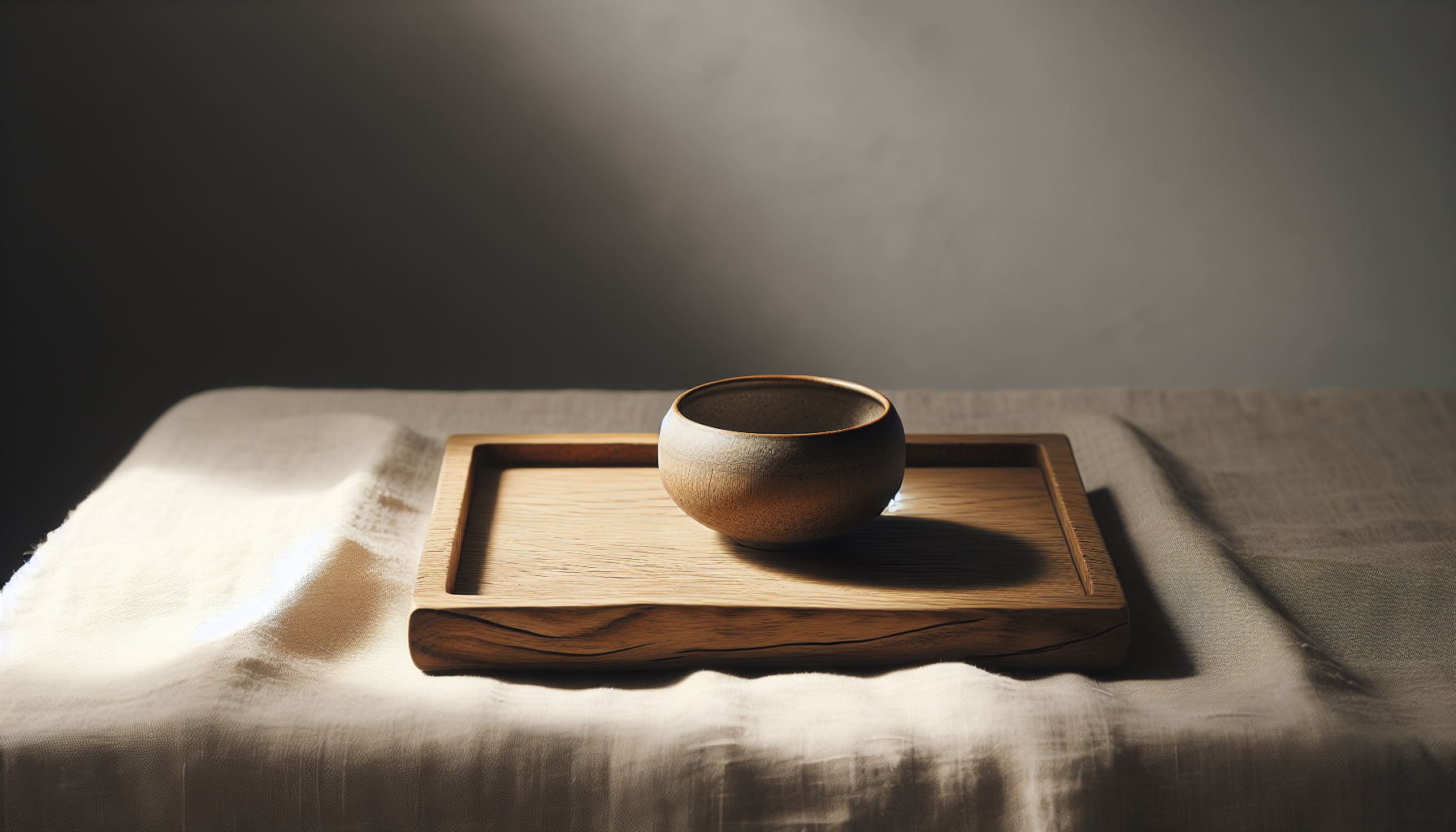
Have you noticed how certain rooms instantly make you feel calmer, more focused, and intentionally present?
Why Japandi is often linked to mindfulness in cultivating intentional spaces
You’ll find that Japandi is more than an aesthetic mashup of Japanese and Scandinavian design — it’s a practical approach to shaping how you live and think in a space. This article explains why Japandi is frequently paired with mindfulness and gives you concrete ways to use its principles to create intentional, calming environments.
What Japandi is and why it matters
You’ll see the term Japandi used to describe a hybrid design movement that blends Japanese wabi-sabi sensibilities and Scandinavian functional minimalism. It matters because the combined approach helps you simplify your surroundings, reduce visual noise, and craft spaces that support calm, clarity, and purposeful living.
The two roots: Japanese and Scandinavian traditions
Japandi draws from two distinct traditions that both emphasize restraint, craftsmanship, and respect for materials. You can think of it as the meeting point where the Japanese reverence for imperfection and the Scandinavian love for light and functionality come together to form balanced interiors.
Key principles at a glance
Japandi rests on principles like simplicity, natural materials, intentional objects, muted color palettes, and functional beauty. These concepts guide how you choose furniture, arrange items, and maintain your home so each object has meaning and purpose.
Why mindfulness pairs naturally with Japandi
You’ll quickly recognize that mindfulness and Japandi share core values: attention to detail, embracing the present moment through your environment, and reducing unnecessary stimuli. Both practices invite you to be deliberate about choices — whether it’s the placement of a teacup or the way you schedule your day.
Mindfulness as an attitude toward objects
When you practice mindfulness, you learn to relate to items with awareness rather than accumulation. Japandi helps you put this into action by encouraging you to keep only items that are useful, cherished, or intentionally decorative, which fosters a calmer mental landscape.
Environment shaping attention
Your surroundings influence your mind. A Japandi room is designed to gently steer your attention to what matters by removing clutter and emphasizing calm, which helps you maintain a mindful state more easily throughout your day.
Visual language: colors, textures, and light
You’ll notice Japandi spaces use color, texture, and light to cultivate a mood that supports reflection and calm. This visual language removes distraction and invites you to be more conscious of how your space makes you feel.
Color palette: muted, natural tones
Japandi favors soft neutrals, warm beiges, deep charcoals, and natural wood tones. Those colors minimize visual noise, making it easier for you to settle into stillness and focus on present-moment experiences.
Texture and tactility
Natural textures like unvarnished wood, linen, wool, and stone invite tactile interaction and sensory grounding. When you touch or see these materials, you’re more likely to feel connected to the present moment rather than lost in distraction.
Light and shadow as design tools
Soft natural light and intentional shadowing are important in Japandi interiors. The careful handling of light makes each object and surface meaningful and encourages you to pause and observe your environment, a small practice of mindfulness.
Spatial organization and function
You’ll find that the spatial layout in Japandi goes beyond style: it’s about function, flow, and intentionally shaped experiences. The way you arrange your room should make your daily activities smoother and your mind less burdened.
Clarity of purpose for every area
Japandi encourages you to assign clear functions to spaces and avoid mixing incompatible activities. When your kitchen, work area, and relaxation zone each have a defined purpose, you can move through tasks with more presence and less mental friction.
Negative space as positive design
Empty or negative space isn’t waste in Japandi — it’s part of the composition. Those areas let the eye rest and allow you to breathe, which creates a psychological sense of spaciousness and calm.
Furniture and object philosophy
You’ll notice furniture in Japandi spaces is often low, simple, and crafted with care. Pieces are chosen for durability, comfort, and quiet beauty so each item supports both practical use and contemplative presence.
Quality over quantity
Japandi favors high-quality, thoughtfully made items that last. Choosing fewer, well-made pieces reduces decision fatigue and makes it easier for you to form mindful relationships with your belongings.
Multipurpose and adaptable pieces
Furniture that serves multiple purposes encourages a flexible lifestyle and reduces clutter. When objects can adapt to different needs, you maintain a sense of order and presence in your daily routines.
Rituals and routines that align with space
You’ll find that Japandi supports simple rituals which enhance mindfulness — from a morning tea to a nightly tidying ritual. The environment you create encourages these practices because it is set up to make them easy and pleasurable.
Daily rituals that suit Japandi spaces
Keeping a small morning ritual like preparing tea or journaling encourages you to enter your day calmly and intentionally. A Japandi environment supports these rituals by offering a clean, focused area where the ritual can take place without interruption.
Minimal cleaning and maintenance habits
Regular, short tidying sessions are more aligned with Japandi living than long, infrequent cleanups. These habits keep your space consistently intentional and prevent the accumulation of visual clutter that might disrupt your mindfulness.
The psychological benefits of Japandi environments
You’ll begin to notice improvements in mood, concentration, and stress management when you shape your space along Japandi principles. The design supports mental clarity and emotional balance by removing unnecessary stimuli and promoting simplicity.
Reduced cognitive load
Fewer visual demands and streamlined storage systems make it easier for your brain to process your environment. This reduction in cognitive load helps you stay focused and reduces the stress of constant information processing.
Improved emotional regulation
A calm, orderly environment helps you regulate your emotions more effectively. By designing spaces that are predictable, warm, and gentle, you can create an atmosphere that encourages better coping and fewer reactive moments.
How to create a Japandi-inspired mindful space — a step-by-step guide
You’ll be able to adapt Japandi principles to any home with a few clear steps that prioritize function, materiality, and ritual. This practical guide helps you intentionally shape each room to support mindful living.
Step 1: Clarify purpose and needs
Start by listing the functions each room must serve and what you want to feel there. When you clarify purpose, you’ll make design decisions that align with the activities and emotions you want to cultivate.
Step 2: Declutter with intention
Remove items that don’t serve a clear function or bring you real joy. Decluttering with intention reduces distractions and makes space for the objects and rituals that matter most.
Step 3: Choose a restrained color palette
Stick to two or three primary hues drawn from natural palettes. A cohesive, muted color scheme will help maintain visual calm and support mindful presence.
Step 4: Prioritize tactile, natural materials
Select woods, linens, ceramics, and stone for their sensory and aesthetic qualities. These materials connect you to the natural world and support grounding experiences.
Step 5: Invest in multifunctional, well-crafted pieces
Choose furniture that is sturdy, simple, and adaptable. Quality pieces elevate your space and reduce the need for frequent replacements, which aligns with mindful consumption.
Step 6: Arrange for flow and intentional sightlines
Place furniture so movement is easy and important objects are visible without clutter. Intentional sightlines help maintain mental order and support habitual mindfulness.
Step 7: Add deliberate accents and ritual objects
Choose a few meaningful items like a teapot, a textured throw, or a handcrafted bowl. These accents become focal points for mindful rituals and enrich the sensory life of the space.
Step 8: Establish simple upkeep rituals
Create short daily routines such as a five-minute morning tidy or an evening reset. Consistent upkeep reinforces the intentional nature of your space without adding burden.
A table comparing Japanese, Scandinavian, and Japandi principles
This comparison helps you quickly see how the two traditions combine to form Japandi and why the result supports mindfulness.
| Aspect | Japanese (Wabi-Sabi) | Scandinavian (Hygge/Functionalism) | Japandi (Hybrid) |
|---|---|---|---|
| Aesthetic focus | Imperfection, aging beauty, restraint | Light, warmth, functional comfort | Warm minimalism, natural materials, balanced proportions |
| Color palette | Muted, earthy, subtle contrasts | Light neutrals, pastels, bright accents | Neutral base with warm wood tones and occasional dark accents |
| Materials | Natural, tactile (wood, bamboo, paper) | Natural, warm textiles (wool, linen), light wood | Mix of both: oiled/dark wood with soft textiles |
| Furniture | Low-profile, simple, handcrafted | Practical, ergonomic, cozy | Clean lines, low silhouettes, functional beauty |
| Attitude towards objects | Items with story, imperfection valued | Items that provide comfort and usefulness | Only what’s needed, crafted and meaningful |
| Mindfulness link | Strong: ritual, presence, impermanence | Moderate: coziness, wellbeing, functionality | Strong: intentionality, calm, functional aesthetics |
Materials and finishes: what they mean for your mood
You’ll feel the calming effect of carefully chosen materials — they set tone and tactile engagement. Selecting finishes that mellow over time helps you adopt a mindset of acceptance and continuity.
Wood: warmth and natural variation
Wood warms a room emotionally and creates visual interest through grain patterns. Choosing woods with visible texture invites you to appreciate subtle differences and impermanence.
Textiles: layers of comfort
Natural textiles like linen, cotton, and wool provide softness without excess. Layering these fabrics helps you build comfortable zones that encourage slowing down and paying attention.
Ceramics and stone: tactile focal points
Small ceramic bowls, vases, or stone coasters offer points of tactile engagement for everyday rituals. Handling these objects can be a mindful practice, giving you a simple way to anchor attention.
Lighting: shaping mood and practice
You’ll want to prioritize soft, layered lighting that supports different activities and states of mind. Light is a practical tool for signaling times for work, rest, and reflection.
Maximize natural light
Where possible, orient key areas to receive daylight and avoid heavy window treatments that block it. Natural light stabilizes circadian rhythms and helps you feel more present.
Add warm, dimmable artificial light
Choose warm-toned bulbs and multiple light sources to create layers. Dimmable lighting allows you to tune the mood of the space to encourage relaxation or concentration.
Storage and organization: visibility with restraint
You’ll need storage solutions that hide clutter but make daily items accessible and meaningful. The goal is to keep surfaces clear and mental space uncluttered.
Concealed storage for distraction reduction
Closed storage like cabinets and drawers reduces visual noise and makes it easier for your mind to relax. Use labels or simple systems so you can find items quickly without disrupting the calm.
Open display for meaningful objects
Reserve open shelving for a small number of meaningful items that invite contemplation. When you limit display to intentionally chosen objects, each piece supports a mindful moment.
How rituals integrate with Japandi spaces
You’ll see how small, repeated actions make your home a source of calm and focus. The design supports rituals by providing spaces and objects that make those actions easy and enjoyable.
Morning and evening anchors
Simple anchors like brewing tea or a short stretching sequence can become daily rituals. Your Japandi space will make these actions feel natural and undistracted.
Cleaning as a mindfulness practice
Turning small cleaning tasks into mindful acts — like polishing a table slowly or folding textiles with intention — transforms chores into calming rituals. These practices help maintain both your space and your presence.
Common mistakes and how to avoid them
You’ll avoid common pitfalls by focusing on purpose, restraint, and authenticity rather than trends. Some mistakes can turn a Japandi approach into a sterile or inaccessible design, which undermines mindfulness.
Mistake: empty minimalism without function
Removing everything for the sake of minimalism can make spaces cold and uninviting. Keep essential comforts and ritual items so the space supports life, not just looks clean.
Mistake: mixing too many styles or colors
Overloading the palette or patterning defeats the calming purpose of Japandi. Stick to your selected natural tones and textures to preserve the mood.
Mistake: buying cheaply and often
Frequent purchases of low-quality items undermine the mindful principle of conservation and care. Invest in fewer high-quality objects that will age gracefully.
How Japandi can support different parts of your life
You’ll find Japandi principles useful in living rooms, bedrooms, workspaces, and even small apartments. The approach scales well and adapts to your lifestyle needs.
In the bedroom: promote rest
A Japandi bedroom uses soft textiles, low furniture, and muted tones to create a restful environment. Such a room supports better sleep and easier transition into restorative practices.
In the workspace: encourage focus
A clean desk, simple storage, and calming colors help improve concentration and reduce decision fatigue. When your work area is intentionally designed, you can be more present during tasks.
In communal spaces: encourage connection
Communal areas that emphasize comfort and clear sightlines support mindful social interaction. You’ll find conversations flow more easily in spaces that prioritize warmth and absence of clutter.
Budgeting and shopping tips for mindful design
You’ll get better results if you buy with purpose rather than impulse. This section offers practical tips to help you make mindful, economical decisions when creating your Japandi spaces.
Prioritize investments
Start with major pieces like a sofa, bed, or dining table that you use daily. Buy these thoughtfully so they’re durable and timeless rather than trend-driven.
Source secondhand and artisan pieces
You can find unique and high-quality pieces in secondhand shops, flea markets, or from local artisans. These items often have character and support slower consumption, aligning with mindful values.
Keep a shopping list and pause before buying
Write down potential purchases and wait a few weeks before deciding. The pause helps you confirm whether an item truly supports your needs and the intentional feel of your space.
Measuring success: how you’ll know your space is mindful
You’ll notice changes in how you feel and behave when your space supports mindfulness. Here are simple signs that your environment is working for you.
Qualitative indicators
You’ll feel calmer, find it easier to focus, and maintain routines more regularly. You’ll also spend less time searching for items and more time enjoying the activities you value.
Behavioral changes
You’ll likely tidy more consistently, leave devices aside more often, and choose activities that support presence like reading or making tea. These behavioral shifts show your space is positively influencing your habits.
Quick checklist to start today
You’ll be able to begin transforming your home with a few immediate actions. Use this checklist to take practical steps toward a Japandi-inspired mindful space.
- Clarify the function of each room in two sentences.
- Choose one area to declutter for 15–30 minutes.
- Select a restrained color palette of 2–3 hues.
- Identify one quality furniture piece to invest in this year.
- Pick a small daily ritual (tea, journaling, stretching) and designate a spot for it.
- Replace harsh lighting with warmer, layered lights where possible.
- Add one natural texture (linen, wood, wool) to a main seating area.
Final thoughts: living more intentionally with Japandi
You’ll find that Japandi is a practical framework for living with intention, not just a trend. By blending simplicity, quality, and ritual, this approach helps you shape spaces that foster mindfulness and support the rhythms of your life.
Encouragement to act slowly and thoughtfully
Remember that the process of creating a mindful space is itself a practice in patience and presence. Make small changes, pay attention to how they affect your mood and habits, and allow your space to evolve in ways that truly reflect your needs and values.