
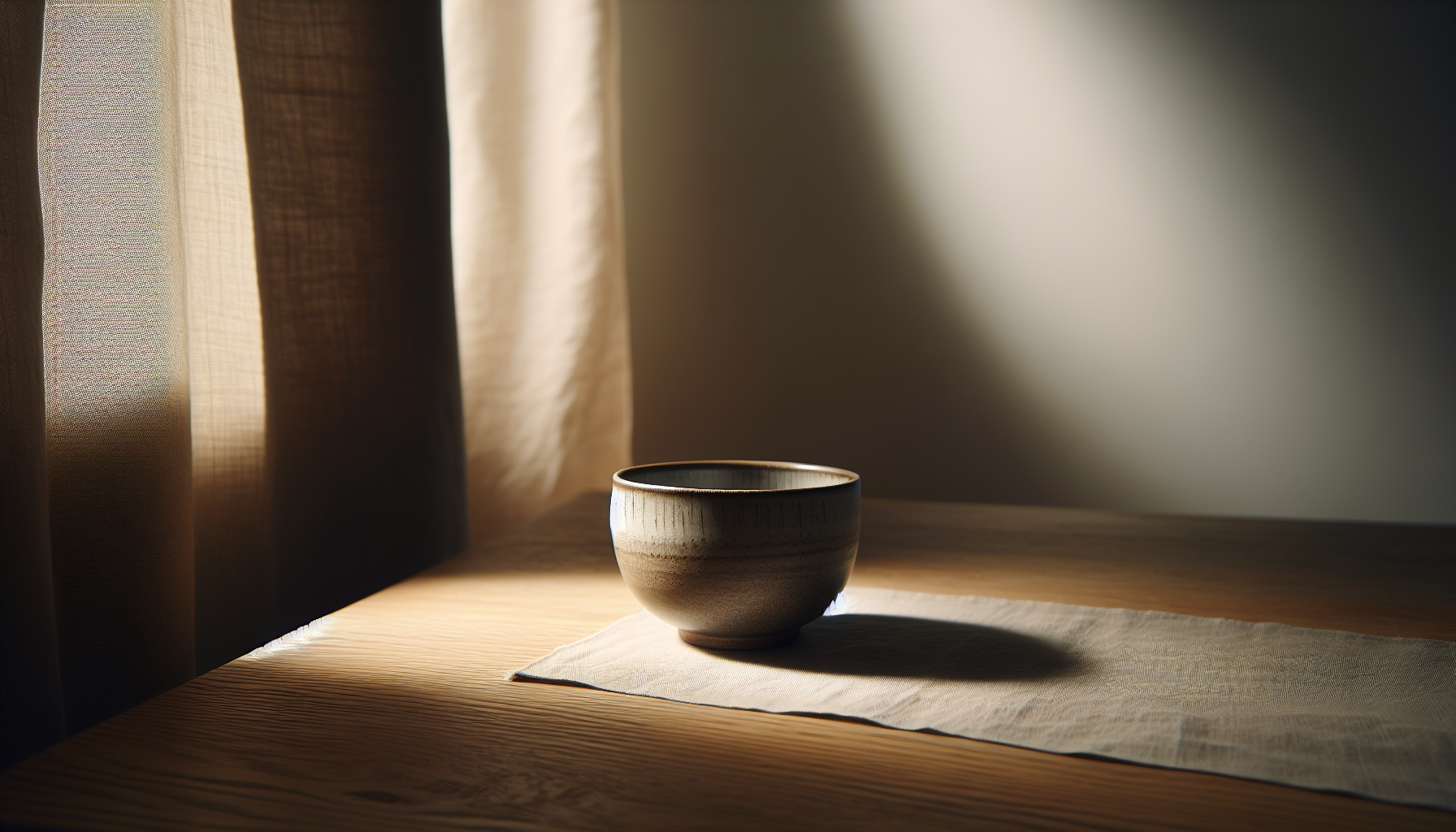
Have you ever walked into a room and immediately felt your breathing slow and your thoughts soften?
Why Japandi is often linked to mindfulness in creating calming atmospheres
You’ll find Japandi described as a fusion of Japanese and Scandinavian design, but it’s more than a style mashup — it’s a practical approach to making your environment supportive of calm, focus, and everyday presence. This article breaks down why Japandi and mindfulness are often mentioned together, and how you can use Japandi principles to intentionally craft spaces that reduce stress and encourage well-being.
What is Japandi?
You probably know the basics: Japandi blends the warmth and functionality of Scandinavian design with the restraint and craftsmanship of Japanese aesthetics. The result is an aesthetic that values simplicity, utility, and naturalness — qualities that lend themselves easily to mindful living.
Origins and influences
You’ll recognize two clear lineages in Japandi: Scandinavian modernism, which favors light, airy spaces and functional furniture, and Japanese design, which emphasizes minimalism, natural materials, and an appreciation for the imperfect or aged. Both traditions share a respect for craftsmanship and purposeful design, which makes them compatible for creating calm interiors.
Core design principles
Japandi focuses on simplicity, neutral palettes, natural textures, functional furniture, and a restrained use of decorative items. You’ll notice uncluttered surfaces, carefully selected objects, and layouts that encourage flow and ease of movement — all of which support mindful daily routines.
What is mindfulness in interior design?
You can think of mindfulness in design as intentionally shaping your surroundings to support awareness, presence, and emotional balance. Instead of accidental or purely aesthetic decisions, mindful design is about choosing elements that reduce sensory overload, invite calm, and help you attend to the present moment.
Definition and aims
Mindful interior design aims to reduce distraction, increase comfort, and promote restorative experiences through considered use of color, light, texture, and spatial arrangement. You’ll see emphasis on slow living, sustainability, and items that have meaning or utility rather than excess.
How mindfulness translates to physical space
The physical manifestations of mindfulness include decluttered zones, clear sightlines, natural light, tactile materials, and intentional objects that foster reflection — for example, a single sculptural lamp or a well-chosen rug. You’ll find these elements naturally reflected in Japandi, which is why the two are often paired.
How Japandi reflects mindfulness
You’ll notice several specific ways that Japandi aligns with mindfulness principles. Each attribute supports reduced cognitive load and increased sensory comfort, which helps your mind relax and pay attention to what matters.
Simplicity and minimalism
You’ll immediately sense simplicity in a Japandi space: fewer objects, deliberate choices, and emphasis on negative space. That minimal visual noise makes it easier for your brain to rest and focus, and it supports mindful routines like preparing tea or reading.
Natural materials and textures
Wood, stone, linen, wool, and woven fibers are staples of Japandi. You’ll find that tactile, natural surfaces not only look calming, but they also connect you to the outside world, which research on biophilic design links to reduced stress and improved cognitive function.
Neutral color palettes and tonal harmony
Japandi favors muted tones: soft beiges, warm grays, muted greens, and deep indigos, often balanced with light woods. You’ll benefit from these palettes because low-contrast, harmonious colors tend to lower arousal levels and create a stable visual field for mindful attention.
Functional furniture and intentional layout
In Japandi, furniture is selected for both beauty and practicality, and layout prioritizes circulation and purpose. You’ll find fewer “extra” pieces and more multi-functional or ergonomically thoughtful items, which reduces decision fatigue and helps you move through daily tasks without distraction.
Wabi-sabi and imperfect beauty
You’ll encounter the Japanese aesthetic of wabi-sabi — the appreciation of imperfection and impermanence — in Japandi interiors. This attitude encourages acceptance and presence: an imperfect handmade bowl or a slightly worn wooden table gives meaning and avoids the sterile feeling of perfectionism.
Practical elements that connect Japandi to mindfulness
You’ll want to understand which specific elements of Japandi support a mindful atmosphere so you can apply them intentionally in your own spaces.
Light and shadows
Natural light is prioritized, with soft artificial lighting as a supporting layer. You’ll notice that gentle, layered lighting reduces harsh contrasts and invites slower rhythms — an environment more conducive to calm and alert presence.
Quiet and acoustic comfort
Japandi spaces often incorporate textiles, rugs, and upholstered furniture to buffer sound. You’ll appreciate how absorbing echoes and reducing sharp noises creates an environment where you can concentrate and feel less mentally taxed.
Tactile engagement
The use of natural fibers and textured surfaces invites touch and slow sensory appreciation. You’ll find that tactile materials encourage mindful interaction — for instance, feeling the grain of wood or the weave of linen during a quiet moment.
Meaningful objects
Japandi is selective about decor; objects are chosen for usefulness, craftsmanship, or emotional resonance. You’ll notice how this approach turns items into focal points for mindfulness, like a well-loved vase that anchors your attention during a daily ritual.
How to design a mindful Japandi space — step-by-step
You can apply Japandi principles at varying scales, from a single tabletop to your whole home. The following steps help you create a space that supports mindfulness without being austere.
1. Start with decluttering with purpose
Remove items that don’t serve a function or bring you joy, and keep surfaces relatively clear. You’ll find that less clutter means fewer visual cues competing for your attention, which makes it easier to be present and calm.
Practical tip: Use the “three-question” rule for each item — Do you use it? Does it support your well-being? Do you love it? If not, consider donating, storing, or discarding.
2. Choose natural materials
Prioritize wood, stone, ceramics, cotton, linen, and wool for surfaces, textiles, and finishes. You’ll notice that these materials age gracefully and feel warmer to the senses, encouraging you to interact with your space more deliberately.
Practical tip: Replace synthetic rugs with natural-fiber options, and choose furniture with visible grain and minimal finishes.
3. Adopt a muted color palette
Stick to soft neutrals and natural hues, with occasional darker accents for contrast. You’ll benefit from this calming palette because it reduces visual friction and supports a sense of continuity between rooms.
Practical tip: Create harmony by choosing one primary neutral (e.g., warm beige), a secondary tone (e.g., soft gray), and an accent (e.g., muted green).
4. Mix Scandinavian and Japanese pieces intentionally
Balance warm, functional Scandinavian forms with the refined minimalism of Japanese pieces. You’ll create spaces that feel simultaneously cozy and disciplined when you mix simple, light wood furniture with low-profile, refined Japanese silhouettes.
Practical tip: Pair a light oak sofa with a low-profile Japanese-style coffee table and a shibori cushion for texture.
5. Optimize light and air
Maximize natural light and allow for good airflow. You’ll notice that softer daylight and fresh air help regulate your mood and biological rhythms, which supports mindfulness.
Practical tip: Use semi-sheer window treatments to control glare while keeping light diffuse; consider adding a simple, well-placed mirror to reflect light without cluttering.
6. Add sensory anchors
Introduce tactile, aromatic, or auditory elements that support calm: a linen throw, a ceramic incense holder, or a water feature. You’ll find these anchors useful for rituals like morning coffee, evening tea, or short breathing practices.
Practical tip: Keep sensory items in designated spots (e.g., a small ritual shelf or tray) to prevent them from turning into clutter.
7. Be intentional with storage
Design concealed and elegant storage solutions to keep daily clutter out of sight. You’ll appreciate how hidden storage maintains visual simplicity and makes cleaning and tidying less effortful.
Practical tip: Use closed cabinetry in living areas and shallow baskets for frequently used items that need quick access.
Room-by-room guide to creating calm
You can apply Japandi and mindfulness principles differently depending on the room. The following suggestions help you shape each space to support presence and relaxation.
Living room
Keep seating arrangements open and oriented to conversation or relaxation rather than screens. You’ll want a mix of textures and a single focal point — a piece of art or a carefully curated shelf — that invites quiet appreciation.
Practical tip: Arrange furniture to allow clear pathways and place a low table or tray for functional, intentional objects like coasters and a small plant.
Bedroom
Treat your bedroom as a sanctuary for rest: minimal decor, soft layered bedding, and subdued colors. You’ll sleep better in a room with controlled light, minimal electronics, and natural materials that regulate temperature.
Practical tip: Use blackout curtains or a light-filtering shade and keep a small basket for nightly items to avoid bedside clutter.
Kitchen
Design the kitchen to be efficient, tidy, and pleasant to work in — think organized surfaces, quality tools, and intentional display. You’ll find that a calm kitchen invites mindful cooking and reduces stress during meal prep.
Practical tip: Store everyday items within reach and reserve open shelving for attractive, used items like ceramic bowls or wooden cutting boards.
Bathroom
Create a spa-like atmosphere with tactile towels, natural soap, and warm wood or stone accents. You’ll find that a serene bathroom supports mindful routines like bathing and grooming.
Practical tip: Keep countertops clear and use trays or small containers for essentials to maintain order.
Workspace
Keep your workspace uncluttered, well-lit, and ergonomically comfortable to promote concentration without overstimulation. You’ll work more effectively when your environment reduces distractions and supports focused habits.
Practical tip: Use a single plant, a simple lamp, and a minimalist desk organizer to maintain calm order.
Tables: comparisons and design choices
Use the tables below to quickly compare Japandi principles with mindfulness components and to select materials and colors that support calm.
| Japandi Element | Mindfulness Benefit | How it supports calm |
|---|---|---|
| Minimal furniture | Reduced visual clutter | Lowers cognitive load and decision fatigue |
| Natural materials | Biophilic connection | Reduces stress and enhances grounding |
| Neutral palette | Visual continuity | Lowers arousal and creates a restful backdrop |
| Functional layout | Ease of movement | Supports intentional action and daily routines |
| Wabi-sabi objects | Acceptance of imperfection | Encourages presence and emotional balance |
| Material / Finish | Typical Use | Mindful quality |
|---|---|---|
| Light oak | Furniture, floors | Warmth, visible grain invites touch |
| Walnut / dark wood | Accent furniture | Grounding contrast, aged beauty |
| Linen | Curtains, bedding | Breathability, tactile softness |
| Wool | Rugs, throws | Acoustic dampening, textural comfort |
| Ceramic | Tableware, vases | Handmade imperfection, quiet aesthetics |
| Stone | Countertops, tiles | Weight and permanence, visual calm |
Psychological and physiological benefits
You’ll find growing evidence that thoughtfully designed interiors influence mood, productivity, and health. While Japandi is a design approach rather than a clinical intervention, its attributes align with research-backed principles for well-being.
Stress reduction and arousal regulation
Neutral colors, natural materials, and reduced clutter are associated with decreased sympathetic nervous system activation — meaning lower stress and a calmer baseline. You’ll likely feel your breathing slow and your heart rate stabilize in such environments.
Improved attention and focus
Minimized visual distractions and organized spaces support sustained attention and reduce cognitive load. You’ll find it easier to complete tasks and enter states of focused work or relaxation when your surroundings are intentionally arranged.
Better sleep and circadian alignment
Soft lighting, natural materials, and reduced electronic stimulation in sleeping areas help regulate sleep-wake cycles. You’ll sleep more deeply when your bedroom acts as a sanctuary designed for rest.
Emotional regulation and resilience
The wabi-sabi acceptance of imperfection helps reduce pressure to present a perfect environment, supporting self-compassion and emotional balance. You’ll find it easier to respond to daily stresses with equanimity when your home reflects these values.
Note: While many studies support principles like biophilia and reduced clutter, individual reactions vary. Use Japandi as a practical framework, and adapt it to your personal needs.
Common pitfalls and how to avoid them
You’ll want to keep some common missteps in mind so your Japandi space feels calm rather than sparse, trendy, or sterile.
Too sparse or cold
A strictly minimal space can feel empty or uninviting if you remove too many tactile elements. You’ll avoid this by layering textures, adding warm wood tones, and including a few meaningful objects.
Trend-driven excess
Buying items just because they’re “in” can lead to visual clutter or mismatched pieces. You’ll benefit from choosing fewer, high-quality items that match your needs and the room’s purpose.
Overmatching or thematic flatness
A perfectly matched room can feel lifeless. You’ll create interest by mixing tones and textures and by pairing Scandinavian warmth with subtle Japanese restraint.
Neglecting maintenance
A calming space requires occasional upkeep; neglected surfaces and disorganized storage undermine mindfulness. You’ll maintain calm by setting small daily routines that prevent clutter from accumulating.
Maintaining mindful calm — routines and rituals
You can sustain a calming Japandi atmosphere by building short, regular habits that keep your space functional and meaningful.
Daily habits
Spend five to ten minutes each day clearing surfaces, putting away items, and noticing one object you appreciate. You’ll find this short ritual resets your visual field and reduces the buildup of stress.
Weekly refresh
Set aside a weekly time to launder linens, dust, and refresh plants or candles. You’ll benefit from a small, consistent reset that keeps the space feeling intentional.
Seasonal adjustments
Rotate textiles and accents with the seasons to keep the space aligned with changing needs — lighter linens in summer, warmer wool throws in winter. You’ll notice that small seasonal changes keep your environment responsive to comfort needs.
Rituals for presence
Create simple rituals tied to places, such as brewing tea in a particular corner, lighting a candle before reading, or practicing a five-minute stretch routine in the living area. You’ll strengthen the connection between physical space and mindful action through repetition.
Case example: transforming a living room into a mindful Japandi space
You can apply these concepts in a straightforward project. Below is a concise example of how to transform a typical living room:
- Clear surfaces and remove excess décor.
- Select a primary wood tone for furniture (light oak).
- Replace heavy curtains with semi-sheer linen panels.
- Add a low-profile, functional sofa in a neutral tone and a simple wooden coffee table.
- Introduce a wool rug for acoustic comfort and tactile warmth.
- Choose three meaningful decorative items (a ceramic bowl, a small plant, a framed print) and place them intentionally.
- Improve lighting with a combination of soft overhead light and a floor lamp for task-specific warmth.
You’ll notice how these steps reduce visual noise and create zones for sitting, reading, and conversation, encouraging presence and calm.
Sustainability and ethical choices
Japandi’s emphasis on quality and longevity naturally supports sustainable practices. You’ll benefit from choosing durable, repairable pieces and prioritizing craftsmanship over fast consumption.
Material longevity
Choose woods and textiles that age well and can be repaired or refinished. You’ll reduce waste by investing in pieces that last and decline disposable or trendy furnishings.
Local craftsmanship and secondhand
Sourcing locally made furniture or well-curated secondhand items gives your space history and reduces environmental impact. You’ll often find more meaningful objects when you prefer quality over quantity.
Final thoughts and practical checklist
You can bring mindfulness into your home without sacrifice or strict minimalism — Japandi offers a balanced, human-centered route. The goal is to curate a space that reduces friction, encourages presence, and supports daily life.
Quick checklist for creating a mindful Japandi home you can use today:
- Declutter deliberately; keep only what’s useful or meaningful.
- Choose natural materials and tactile textiles.
- Stick to a muted, harmonious color palette.
- Use functional furniture arranged for clear movement.
- Prioritize layered, soft lighting and acoustic comfort.
- Add a few meaningful objects that invite presence.
- Build small daily and weekly maintenance rituals.
- Opt for quality, repairable, and sustainable items.
You’ll find that small, intentional changes add up quickly. Over time, your home can become not just a backdrop but a supporting companion for calmer, more mindful living.