
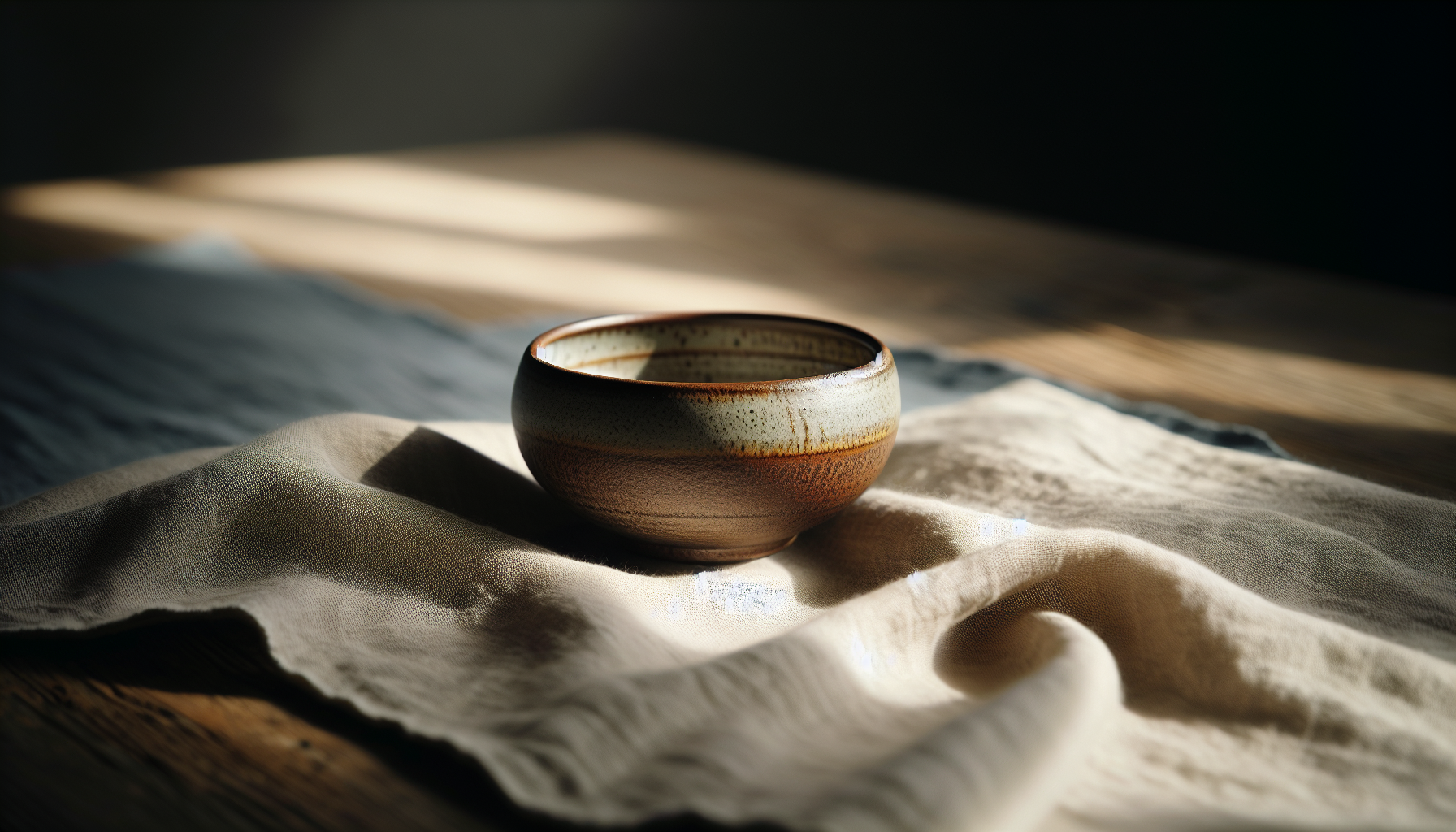
Have you ever wondered why Japandi is so often mentioned alongside mindfulness when discussing how to balance form and function in your home?
Why Japandi is often linked to mindfulness in balancing form and function
You’ll find that Japandi combines Japanese simplicity and Scandinavian comfort to produce interiors that feel both intentional and livable. This style creates spaces where form supports function, and where everyday objects contribute to a calmer, more focused life.
Origins and influences
You should understand Japandi by looking at its parent traditions: Japanese aesthetics and Scandinavian design. Both traditions emphasize restraint, respect for materials, and human-scale living, which makes their fusion particularly suited for mindful interiors.
Japanese aesthetic roots
You’ll notice that Japanese aesthetics center on wabi-sabi (beauty in imperfection), ma (negative space and timing), and a focus on natural materials. These ideas encourage acceptance, attention to detail, and a slower pace, all of which foster mindful living.
Scandinavian design roots
You’ll find that Scandinavian design emphasizes functionality, light, and warmth, often through simple silhouettes and cozy textiles. Its democratic design ethic—making beautiful, practical items accessible—supports a home that feels both efficient and comforting.
How the two traditions meet
You’ll see that when Japanese restraint merges with Scandinavian warmth, you get Japandi: clean lines softened by natural textures and warm tones. The result supports a lifestyle where objects and spaces are chosen deliberately, promoting mindful interaction with your surroundings.
Core principles of Japandi
You’ll want to keep these core principles in mind as they guide how you shape spaces that are both beautiful and useful. Each principle reinforces a mindful relationship with your environment.
Minimalism with purpose
You’ll learn that Japandi minimalism isn’t about cold austerity; it’s about keeping what serves a purpose or brings genuine joy. This purposeful reduction helps you focus on what’s essential, reducing visual clutter and mental noise.
Functionality and ergonomics
You’ll often see that every piece has a job: furniture is comfortable, storage is efficient, and layouts support everyday routines. This emphasis on usefulness makes your home easier to inhabit and reduces decision fatigue.
Craftsmanship and longevity
You’ll appreciate that Japandi celebrates well-made objects that age gracefully. Choosing durable, handcrafted items encourages repair and care, which aligns with mindful consumption and sustainability.
Natural materials and tactile textures
You’ll notice a palette of wood, stone, ceramic, and linen in Japandi interiors because these materials foster sensory connection. Touch and texture encourage presence, grounding you in the moment.
Balanced color palettes
You’ll find neutral and muted tones balanced with deep accents or warm woods; this restraint reduces visual overstimulation. Such palettes support calm and make it easier to coordinate objects intentionally.
The link between Japandi and mindfulness
You’ll discover that Japandi’s features create conditions that encourage mindful behavior. The design choices prompt you to slow down, notice, and appreciate.
Intentionality in design choices
You’ll be encouraged to choose fewer things but choose them better, which cultivates appreciation and mindful ownership. Selecting objects intentionally transforms how you interact with your environment daily.
Slower living and domestic rituals
You’ll tend to develop rituals—tea time, slow breakfasts, deliberate cleaning—that are easier to practice in a Japandi setting. The calm, ordered environment supports these rituals and makes them more satisfying.
Sensory calm and reduced cognitive load
You’ll feel less visual and sensory clutter when surfaces, colors, and shapes are restrained, which allows your mind to rest. This lowered cognitive load helps you focus and reduces stress.
Negative space (ma) as mental breathing room
You’ll find that ma—the thoughtful use of empty space—creates pauses in the room that let your eyes and mind rest. This spacing is a practical and symbolic invitation to slow down.
How balancing form and function creates mindfulness
You’ll notice that when form and function are balanced, objects feel natural to use and pleasing to the eye, which supports mindful living. The combined effect is a space that facilitates thoughtful behavior rather than distracting from it.
Form as aesthetic restraint
You’ll appreciate how clean lines and simple silhouettes minimize visual noise and encourage appreciation of materials and proportion. Restraint in form invites a calm attention to detail.
Function as effortless use
You’ll find that good function means furniture feels intuitive: storage is accessible, seating is comfortable, and surfaces are suited to everyday tasks. When things work effortlessly, you spend less time managing the space and more time living well.
Examples where both meet
You’ll see this balance in pieces like a low, sculptural sofa with ergonomic cushioning, or a handcrafted dining table with integrated storage. These examples show how pleasing shapes and practical features can coexist without compromise.
Design elements and their mindful outcomes
You’ll want to map design choices to the mindful outcomes they encourage. This makes it easier to prioritize changes that will actually shift how you feel and act in your home.
| Design Element | Practical Impact | Mindful Outcome |
|---|---|---|
| Neutral color palette | Reduces visual competition | Calmer attention and easier coordination |
| Natural materials | Tactile engagement and aging gracefully | Stronger sensory presence and appreciation |
| Low-profile furniture | Creates open sightlines | Sense of spaciousness and mental ease |
| Concealed storage | Reduces visible clutter | Less distraction and faster maintenance |
| Thoughtful lighting | Layered light for tasks and mood | Encourages routines and circadian alignment |
| Single-purpose, high-quality objects | Fewer, better possessions | Deeper satisfaction and less consumption |
Practical steps to make your home Japandi and mindful
You’ll find that practical, step-by-step actions are more effective than sweeping changes. Here are tactical ways to bring Japandi’s balance into your daily life.
Start by decluttering intentionally
You’ll want to remove items that don’t serve a clear function or emotional value, but do it with kindness to yourself. Decide what you use regularly and what truly brings you pleasure, then let go of the rest.
Choose quality over quantity
You’ll benefit more from one well-made object than several cheap ones that need replacing quickly. Investing in quality supports mindfulness because you’re more likely to care for and appreciate what you own.
Prioritize natural materials
You’ll create a tactile, calming environment by favoring wood, stone, linen, cotton, and ceramic. These materials age and patina, telling a story that rewards attentive living.
Simplify your color palette
You’ll achieve cohesion and reduce visual fluctuation by limiting your palette to neutrals plus one or two accent tones. A stable palette makes it easier to pair pieces and maintain visual continuity.
Layer lighting thoughtfully
You’ll design lighting in layers—ambient, task, and accent—to support different activities and moods. Thoughtful lighting makes daily rituals like reading or cooking feel comfortable and intentional.
Select multifunctional, well-proportioned furniture
You’ll choose pieces that fit the scale of your space and the kinetics of how you live. A bench with storage or a table with a modest footprint can provide utility without crowding.
Add controlled texture and warmth
You’ll bring softness through rugs, throws, and cushions that provide comfort without cluttering surfaces. Textures invite touch and make the space feel lived-in and welcoming.
Integrate plants selectively
You’ll place a few well-chosen plants to bring life and purify air, but avoid overcrowding with trendy botanicals. Plants serve as living reminders of cycles and care.
Create a simple ritual or “calm corner”
You’ll dedicate a small area for focused presence—reading, tea, stretching, or reflection. This ritual space reinforces the habit of pausing and noticing.
Maintain storage discipline
You’ll use hidden and smart storage to keep daily surfaces clear while still keeping necessities accessible. When storage supports ease of use, tidy maintenance becomes part of routine rather than chore.
Room-by-room implementation checklist
You’ll find targeted actions easier to execute when you have a quick reference for each room. The table below gives practical, room-specific steps you can apply immediately.
| Room | Key Japandi Principle | Quick Actions |
|---|---|---|
| Living room | Balanced comfort and minimalism | Low sofa, natural rug, one statement shelf, hidden storage |
| Bedroom | Restful simplicity | Neutral bedding, low-profile bed, minimal nightstand items |
| Kitchen | Efficient, tactile tools | Wood utensils, open shelving for favorites, closed storage for clutter |
| Bathroom | Calm, spa-like function | Soft towels, minimal accessories, wooden or stone accents |
| Workspace | Focused ergonomics | Simple desk, supportive chair, intentional lighting, limited decor |
| Entryway | Warm minimalism | Functional bench, concealed storage for daily items, single focal object |
Room-by-room recommendations
You’ll get better results by tailoring Japandi principles to the function of each room. Here are specifics to guide your decisions.
Living room
You’ll aim for a welcoming area that supports socializing and relaxation. Choose a sculptural couch with comfortable cushions, a low wooden table, and a few curated objects rather than crowded surfaces.
Bedroom
You’ll design the bedroom to promote rest and clear thinking. Keep bedding neutral, minimize electronics, and include soft textures that signal sleep rituals.
Kitchen
You’ll keep the kitchen efficient and sensory: you can see and reach what you need, and textures—wood cutting boards, ceramic bowls—add warmth. Conceal small appliances where possible to keep counters calm.
Bathroom
You’ll choose materials and colors that feel like a retreat: muted tiles, wooden accessories, and neatly folded linens. Storage should hide toiletries while keeping everyday items within reach.
Workspace
You’ll create an ergonomic and distraction-minimizing area: a clean desk surface, supportive seating, and task lighting. Limit decorative elements and add a plant or a piece of art to keep the space humane.
Entryway
You’ll make the entry practical and uncluttered so coming in and out of the home feels effortless. A small bench, concealed shoe storage, and a single hook or tray for keys is often all you need.
Psychological and health benefits
You’ll likely notice improvements in wellbeing when your environment aligns with mindful design principles. Research and anecdotal evidence both support positive outcomes.
Reduced stress and anxiety
You’ll feel calmer in a less cluttered, more intentional space, which lowers daily triggers for stress. Visual simplicity allows your nervous system to rest.
Improved focus and productivity
You’ll find it easier to concentrate when distractions are minimized and workspaces are organized for tasks. Intentional layouts reduce the friction of switching between activities.
Better sleep quality
You’ll sleep more soundly in bedrooms designed for rest: soft textures, calm colors, and minimal electronic stimuli. The overall environment supports your circadian rhythm.
Increased satisfaction and slower consumption
You’ll likely value purchases more when they’re carefully chosen for longevity and meaning. This reduces impulse buying and encourages care of possessions, which can reduce waste and promote wellbeing.
Common mistakes to avoid
You’ll benefit from knowing typical pitfalls so you don’t undermine the mindful intentions of Japandi design. Avoid these mistakes to keep the approach authentic and livable.
Cold minimalism
You’ll want to avoid becoming too austere; empty spaces can feel sterile rather than calming. Balance minimalism with warmth through wood, textiles, and curated objects.
Hoarding “just in case” items
You’ll resist filling storage with unused items; this practice defeats the purpose of intentional living. Periodically review what you keep and why.
Prioritizing trend over comfort
You’ll make choices based on how items fit your life, not on what’s fashionable this season. Comfort and ergonomics should inform decisions just as much as looks.
Poor lighting choices
You’ll not depend solely on overhead lighting; lack of layered lighting can make a space feel harsh or flat. Invest in task and ambient lighting to create mood and utility.
Over-accessorizing
You’ll avoid crowding surfaces with too many decorative pieces. A few meaningful objects will have more impact and be easier to maintain.
Maintaining a Japandi mindful home
You’ll find that maintenance habits are as important as the initial design choices. Regular, gentle care keeps the environment both functional and meaningful.
Develop simple cleaning rituals
You’ll create short, daily tidying habits and a weekly deeper clean to prevent clutter from returning. Consistent, small actions preserve the calm you’ve created.
Rotate objects with intention
You’ll occasionally rotate decorative items to renew attention and prevent visual fatigue. This keeps your space feeling fresh without constant acquisition.
Repair and care rather than replace
You’ll tend to mend and restore well-made items, which reinforces appreciation and slows consumption. Learning basic repair skills pays dividends in both cost and meaning.
Seasonal adjustments
You’ll adjust textiles, lighting, and small accents with the seasons to maintain comfort and variety. These changes can be simple—switching throws or candles—to keep the space responsive to your needs.
Cost considerations and sustainability
You’ll balance budget and values when choosing materials and pieces for a Japandi home. Thoughtful spending and sustainable choices complement the mindfulness the style promotes.
Budget-friendly approaches
You’ll find that you don’t need to invest all at once; start with key pieces like a sofa or table and simplify elsewhere. Upcycling, shopping secondhand, and focusing on neutral palettes help you stretch your budget.
Investing in craftsmanship
You’ll prioritize items that will last, which often means spending more upfront on fewer, higher-quality pieces. Over time, this reduces replacement costs and environmental impact.
Sourcing sustainably
You’ll look for responsibly harvested wood, low-VOC finishes, and ethically made textiles when possible. Transparency from makers and local artisans can help you make sustainable choices.
Case studies and real-life examples
You’ll learn best by seeing how principles play out in practical scenarios. These short examples illustrate how different households can apply Japandi thoughtfully.
Small apartment
You’ll use low-profile furniture, multi-functional pieces, and light colors to make a compact space feel airy. Hidden storage and a single plant can make daily life feel organized and calm.
Family home
You’ll balance durability and aesthetics by choosing stain-resistant textiles, sturdy wooden furniture, and clear storage zones for toys. A simple ritual corner for family gatherings keeps the home intentionally social.
Home office
You’ll assemble a focused workspace with an ergonomic chair, minimal desk setup, and controlled visual surroundings. Good lighting and a few tactile objects help sustain long-term productivity.
FAQs
You’ll likely have practical questions when adapting Japandi to your own life; here are answers to common concerns.
Is Japandi suitable for small spaces?
You’ll find Japandi especially suitable for small spaces because of its emphasis on functionality and visual openness. Low furniture and clever storage make rooms feel larger and more breathable.
How do I keep the space from feeling cold?
You’ll add warmth via wood tones, layered textiles, and personal objects; balance is key. Soft lighting and tactile surfaces prevent the space from feeling sterile.
Can you mix Japandi with other styles?
You’ll be able to blend Japandi with complementary styles—such as mid-century modern or contemporary—if you maintain restraint in color and proportion. The key is cohesion: pick a dominant aesthetic and let Japandi principles guide material and scale choices.
How often should I rotate or edit items?
You’ll edit frequently enough that items remain meaningful—many people find a quarterly review helps. Small, regular edits prevent accumulation and preserve the intentionality of your belongings.
Is Japandi expensive to achieve?
You’ll achieve the look on a range of budgets by prioritizing key investments and using thrifted or DIY elements elsewhere. Focus on quality where it matters most and neutral, durable pieces for the long term.
Final thoughts
You’ll discover that Japandi is more than a visual style; it’s a practical approach to living that encourages presence and deliberate use of space. By balancing form and function thoughtfully, you’ll create an environment that supports calmer routines, clearer thinking, and more meaningful relationships with your possessions.