
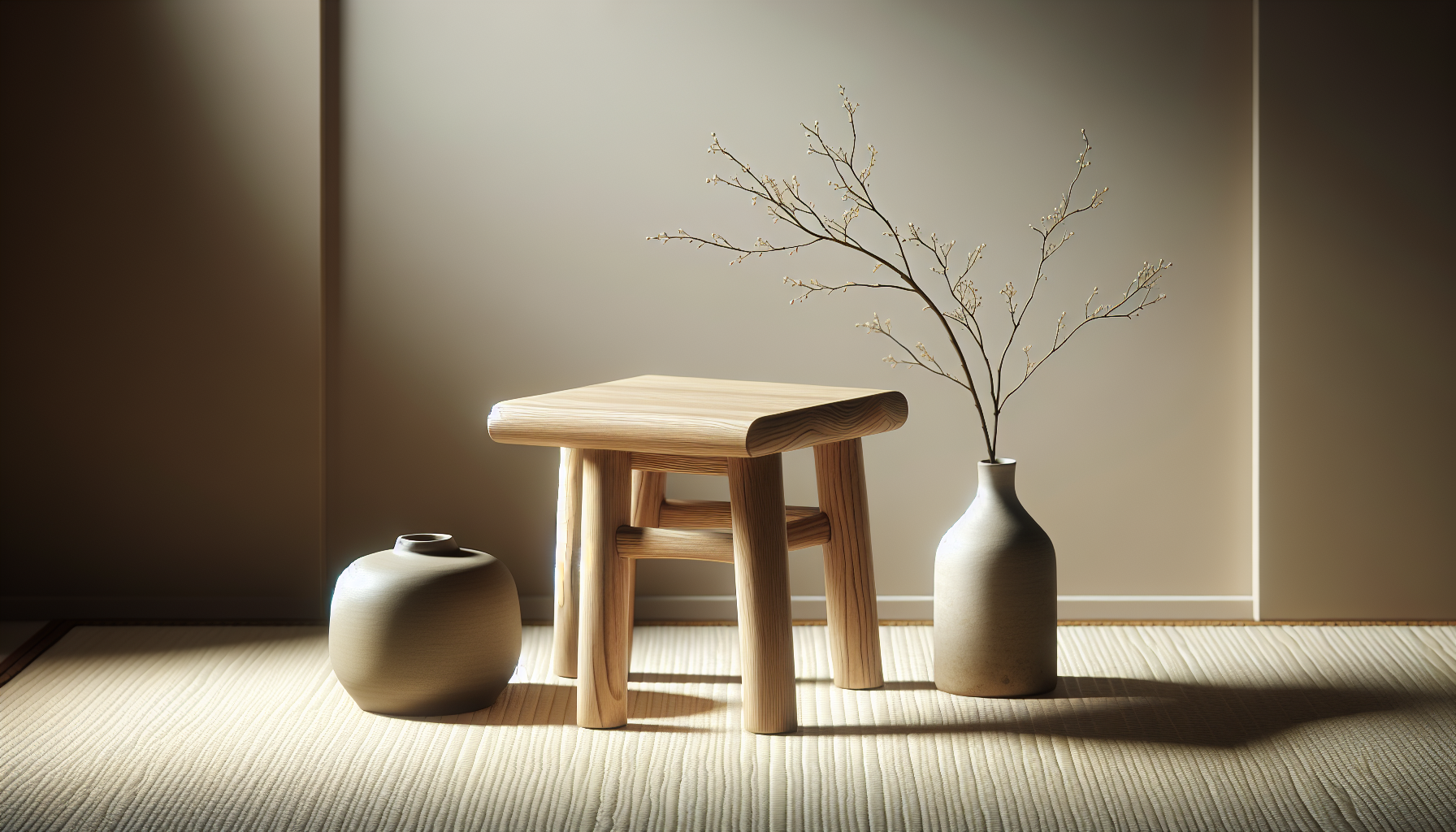
Have you ever walked into a room and immediately felt calmer, as if the air itself had slowed down?
Why Japandi Feels Peaceful to Most Viewers
You’re not alone if you feel that sense of calm when you see Japandi interiors. This hybrid style blends Japanese restraint with Scandinavian warmth, and it’s designed in ways that consistently lower visual noise and soothe your senses. In this article you’ll learn why that happens — from the materials and colors to the underlying philosophies and practical ways to bring those effects into your own space.
What is Japandi?
When you encounter Japandi, you’re seeing a fusion of two design traditions: Japanese minimalism and Scandinavian functionality. It emphasizes clean lines, natural materials, craftsmanship, and a quiet elegance. You’ll notice that each piece tends to have a clear purpose, and the sum of the parts creates a balanced, human-centered environment.
Origins and Cultural Roots
You’ll find Japandi emerging from shared values rather than a single origin story. Scandinavian design grew from the quest for accessible functionality, light, and comfort in cold climates, while Japanese aesthetics evolved around seasonality, craftsmanship, and the beauty of imperfection. Together they form a style that prioritizes calm, utility, and subtle beauty.
Core Principles of Japandi Design
In Japandi, the big ideas are simple, but their application is deliberate. You’ll see recurring principles that work together to create a peaceful impression: minimalism, natural materials, muted palette, craftsmanship, and a balance of warmth and restraint. Each of these contributes both visually and psychologically to the sense of calm.
Minimalism and Negative Space
You’ll notice that Japandi values negative space — surfaces left intentionally empty and breathing room around objects. That openness reduces mental clutter because your eyes aren’t forced to negotiate dense ornamentation. The minimal approach gives your mind permission to slow down.
Natural Materials and Tactile Warmth
In Japandi, you’ll often encounter wood, stone, linen, ceramics, and paper. These materials have a tactile quality that connects you to the natural world and provides sensory richness without visual complexity. Their textures invite touch and create a grounded, comforting atmosphere.
Muted Color Palette and Tone
You’ll experience calm through color choices: soft neutrals, warm beiges, muted greens, and deep charcoals. Such tones reduce contrast and visual strain, promoting relaxation. Accent colors are used sparingly to preserve serenity and to draw attention intentionally.
Functional Simplicity and Purposeful Objects
When you look around a Japandi room, everything tends to have a reason for being there. This functional simplicity reduces the cognitive load of deciding what to focus on, and it helps you feel that the environment supports your needs rather than distracts from them.
Balance of Warmth and Restraint (Wabi-Sabi + Hygge)
You’ll sense a unique balance: Japanese wabi-sabi accepts imperfection and brevity, while Scandinavian hygge emphasizes coziness and comfort. Together they let you appreciate simple, well-made items and soft comforts without becoming cluttered or ostentatious.
Craftsmanship and Quality Over Quantity
Japandi favors fewer, better-made items. You’ll notice joins, grain, and handcrafted touches that communicate care and longevity. That emphasis on quality makes the environment feel intentional and valued, which contributes to emotional ease.
How Visual Composition Creates Calm
Visual composition plays a major role in how peaceful a room feels. When you design or look at a Japandi space, you’re seeing carefully considered proportions, scale, and rhythm that guide your eye gently rather than overwhelm it. The result is a composed visual narrative that feels restful.
Proportion, Scale, and Simplicity of Form
You’ll see furniture with gentle proportions — low-profile sofas, slender legs, and uncluttered silhouettes. Balanced scale helps you feel comfortable in the room; nothing competes for dominance, so your attention rests more easily.
Lines, Rhythm, and Visual Flow
Horizontal lines and cohesive rhythms create a sense of restfulness. You’ll find that repeating materials or shapes — like matching wood tones or recurring curves — helps your eye move smoothly through the space. Smooth visual flow reduces micro-tensions that can add up to stress.
Symmetry vs Asymmetry
You’ll notice Japandi uses both symmetry and purposeful asymmetry. Symmetry can feel calming because it’s predictable, while asymmetry introduces human interest without chaos. The right mix keeps the space comforting but not sterile.
Lighting and Its Psychological Impact
Light can make or break the peaceful feeling. In Japandi interiors, light is used thoughtfully to create softness, depth, and visual comfort rather than harsh illumination. You’ll see how daylight, warm artificial light, and layered sources work together to soothe.
Emphasis on Natural Light
When you enter a Japandi room, maximize daylight is often a priority. You’ll feel calmer when natural light floods the space because it regulates circadian rhythms and provides a sense of connection to the outdoors.
Soft, Layered Artificial Lighting
You’ll notice warm, diffused lamps and indirect lighting used to complement daylight. Layered lighting — ambient, task, and accent — lets you control mood and reduces glare. The result is an environment where light feels gentle and supportive.
Color Temperature and Lighting Control
You’ll find warm color temperatures (around 2700–3000K) are common in Japandi to enhance coziness. Dimmers and adjustable lights give you control over intensity, so the room can shift from functional during the day to restful in the evening.
Texture and Sensory Comfort
Texture plays a large role in imparting comfort without visual clutter. In Japandi, textures are chosen carefully so you’ll feel interest through touch and sight without overstimulation.
Layered Textiles and Natural Fibers
You’ll encounter linen curtains, wool throws, cotton cushions, and sisal or jute rugs. These layers offer tactile warmth and create acoustic softness, which reduces echo and helps the room feel more intimate.
Surface Contrast and Tactility
You’ll notice contrasts like smooth ceramic against rough wood or matte paint against polished stone. These contrasts add depth and invite exploration through touch, grounding you in the present moment.
Acoustic Considerations
You’ll appreciate that soft textiles and thoughtful furnishings reduce harsh reverberations. Lower sound levels and muted echoes make the space feel calmer because noise is a major source of stress.
Spatial Layout and Flow
The way you move through a room affects how restful it feels. Japandi spaces are arranged to support easy movement, clear sightlines, and purposeful pauses.
Open Plans and Deliberate Partitions
You’ll find open layouts that encourage flow, often divided with subtle partitions like screens, shelving, or changes in floor texture. These partitions define zones without visual noise, so the space feels both airy and intentional.
Focal Points and Visual Anchors
When you enter a Japandi room, a single focal point — a low table, a sculptural object, or a window with a view — anchors your attention. Anchors prevent the eye from wandering, which contributes to a sense of calm.
Movement and Circulation Paths
You’ll notice that furniture is arranged to create clear circulation paths. This predictability removes small frustrations like blocked walkways and makes the room simple to navigate.
Comparing Design Traditions (Table)
You’ll find it helpful to see how Japanese and Scandinavian influences combine in Japandi. This table breaks down their key traits and how they contribute to the hybrid style.
| Trait | Japanese Design | Scandinavian Design | Japandi Outcome |
|---|---|---|---|
| Philosophy | Wabi-sabi, restraint, subtlety | Hygge, utility, brightness | Calm, cozy minimalism |
| Materials | Natural, tactile, understated | Natural, light woods, functional | Warm woods, tactile surfaces |
| Color Palette | Muted earth tones, dark accents | Light neutrals, pastels | Neutral base with warm accents |
| Ornamentation | Minimal, meaningful | Functional decoration | Select, purposeful objects |
| Scale & Proportion | Low, intimate | Light, airy, ergonomic | Balanced, human-scale |
| Lighting | Soft, diffuse, seasonal | Maximize daylight, warm indoor light | Layered, daylight-forward |
Color Psychology in Japandi
Color choices are central to the calm you feel. Japandi’s restrained palette is not bland — it’s carefully chosen to stabilize mood and create a gentle visual temperature.
Neutral Foundations
You’ll find base colors like off-white, warm beige, soft gray, and muted taupe. These colors reduce contrast and help other elements harmonize. They allow your mind to relax because nothing is shouting for attention.
Earthy Accents and Greens
You’ll often see muted greens, deep blues, or terracotta used sparingly for depth and connection to nature. These accents give you emotional anchors — familiar, calming hues that feel stable.
Texture Over Saturation
You’ll notice that texture often becomes the “color” of a space in Japandi; tactile variety supplies visual interest without introducing vivid hues. This keeps your sensory load low while still providing richness.
Material Choices and Sustainability
When you look at Japandi interiors, you’ll find an emphasis on sustainability and materials that age gracefully. Those choices make the space feel honest and trustworthy, which enhances your emotional comfort.
Preference for Natural and Durable Materials
You’ll see solid wood, stone, ceramic, and natural textiles that develop patina over time. These materials age in a way that adds character rather than decay, reinforcing a sense of continuity and permanence.
Local Craftsmanship and Ethical Sourcing
You’ll appreciate how handcrafted pieces and locally sourced materials connect you to place and maker. That transparency contributes to a feeling of integrity and reduces the anxiety tied to mass-produced environments.
Longevity and Repairability
You’ll often find Japandi furniture is designed to be repaired or reupholstered. Knowing that items are durable and serviceable makes your space feel less disposable and more settled.
The Role of Nature and Biophilia
Nature is not just decoration in Japandi; it’s central. You’ll feel calmer when natural elements are visible or implied because your body responds positively to cues of the natural world.
Plants, Views, and Natural Light
You’ll find potted plants, simple floral arrangements, and windows framed to include outdoor scenery. These elements improve air quality, provide soft movement, and connect you to life cycles.
Organic Patterns and Materials
You’ll notice wood grain, stone veining, and woven fibers that embody natural patterns. These motifs subtly remind you of landscapes and seasons, which has a grounding psychological effect.
Seasonal Awareness and Rituals
You’ll experience a sensitivity to seasonality — lighter textiles in summer, cozier layers in winter. That rhythm supports your body’s natural cycles and helps you feel aligned with time.
Minimal Clutter and Mental Clarity
One of the strongest reasons Japandi feels peaceful is that it reduces visual clutter. You’ll find that fewer objects, intentional storage, and carefully curated displays free up mental bandwidth and let you focus on what matters.
Intentional Object Selection
You’ll notice that decorative items are chosen for meaning or function. When every object has intention, you’re less likely to feel overwhelmed by choices and distractions.
Integrated Storage Solutions
You’ll appreciate how hidden storage, slim cabinets, and multifunctional furniture keep surfaces clear. Clear surfaces reduce decision fatigue and make it easier to maintain order.
Rituals for Slow Living
You’ll find that Japandi encourages practices like morning tea, slow reading, or mindful cooking. These rituals are supported by the environment and in turn reinforce the space’s tranquil quality.
Sensory Restraint Beyond Visuals
Peacefulness isn’t only visual. Japandi makes choices that comfort hearing, touch, and even smell, creating a multi-sensory calm that feels holistic.
Sound Management
You’ll notice subdued acoustics from soft textiles and treated surfaces. Lower ambient noise and fewer sharp echoes make conversations easier and relaxation deeper.
Scent and Smell Design
You’ll find subtle natural scents — a wooden table, dried lavender, or a clean linen aroma. These understated smells soothe without overpowering your senses.
Thermal Comfort
You’ll experience balanced thermal conditions: warm wood, rugs underfoot, and layered textiles that keep you comfortable. Good temperature control supports relaxation and wellbeing.
Cultural Values Behind the Aesthetic
Understanding the cultural values that feed Japandi helps you appreciate why it resonates so widely. When you inhabit or gaze at a Japandi interior, you’re seeing philosophies that promote moderation, presence, and care.
Wabi-Sabi: Beauty in Imperfection
You’ll see wabi-sabi’s appreciation for the imperfect and transient. That acceptance of imperfection reduces the pressure for perfection in your environment and your life, which is calming.
Hygge: Comfort and Togetherness
You’ll sense hygge’s focus on coziness, warmth, and social ease. Simple comforts and shared moments — like soft lighting and comfortable seating — contribute to emotional safety.
Scandinavian Functionalism
You’ll notice the Scandinavian insistence on function first. When objects are clearly purposeful, you’re less burdened by extraneous decisions and more free to enjoy the space.
How Japandi Works on Screen and Social Media
The peaceful effect of Japandi carries over into images and videos, which is why it’s so popular online. You’ll notice that photos of Japandi interiors often feel like a visual sigh — calm, composed, and inviting.
Photography Techniques that Enhance Calm
You’ll see images with soft natural light, wide framing, and minimal props that emulate real-life tranquility. Photographers use neutral backdrops and careful composition to let the room’s serenity read clearly.
Staging and Timelessness
You’ll observe that staged Japandi rooms avoid trendy clutter. Timeless materials and restrained styling make scenes feel lasting and trustworthy, which viewers interpret as calming.
The Appeal of Slow, Unhurried Content
You’ll find that videos showing daily rituals — tea preparation, a quiet walk, or a slow pan across a room — align with the mood Japandi communicates. That slow tempo invites viewers to breathe and settle.
How You Can Implement Japandi in Your Space
If you want your space to feel more peaceful, you don’t need to replace everything. You’ll get the calming benefits by making thoughtful adjustments that emphasize quality, restraint, and nature.
A Practical Step-by-Step Plan
- Start by decluttering surfaces and removing anything without function or meaning. You’ll notice immediate relief when visual competition falls.
- Choose a neutral color foundation for walls and major furniture. This gives your eye a stable base to rest on.
- Introduce natural materials: a wooden table, linen curtains, a stone planter. These materials add warmth and tactile interest.
- Improve lighting with soft bulbs, dimmers, and lamps that layer the room. You’ll feel the mood shift once you control light intensity and warmth.
- Select a few high-quality pieces rather than many cheap items. You’ll appreciate the way craftsmanship communicates calm.
- Add plants and simple natural accents to bring life and seasonal rhythm into the room.
Budget-Friendly Tips
You’ll be able to create Japandi touches without a big budget: sand and oil an existing wooden table, swap out busy patterns for solid linens, or add a single statement plant. Small, thoughtful changes can yield big emotional returns.
What to Prioritize in Small Spaces
You’ll benefit most from clever storage, low-profile furniture, and light colors in small rooms. Prioritize multifunctional pieces and maintain clear circulation to keep the space feeling open.
Mistakes to Avoid
Even with the best intentions, certain missteps can undermine the peacefulness you want to achieve. You’ll sidestep common errors by staying mindful of balance and intention.
Over-Minimalism That Feels Cold
You’ll want to avoid stripping a room so bare that it feels impersonal. Balance minimalism with warm materials and soft textiles to keep the space inviting.
Mixing Too Many Styles
You’ll find that haphazard mixing of styles can produce visual conflict. Commit to the Japandi core principles and introduce outside elements sparingly and intentionally.
Using Too Much Contrast
You’ll lose serenity if contrasts (color, texture, or scale) fight for attention. Keep contrasts subtle and purposeful to maintain calm.
Case Studies: Real-Life Examples You Can Relate To
You’ll see how different spaces apply Japandi principles, from a compact studio to a family living room, each creating its own kind of peace.
Small Studio: Calm Efficiency
In a studio, you’ll find a low bed platform, multipurpose storage, and pale walls that expand the visual field. A single large rug anchors the area while a linen curtain softly filters light. The result is an efficient space that still feels spacious and calm.
Family Living Room: Warm Minimalism
In a family living room, you’ll see a sturdy wooden sofa with simple cushions, a round coffee table, and a woven rug. A few handcrafted bowls and a low shelving unit hold carefully selected items. The room is designed for life without looking lived-in in a chaotic way.
Office Space: Focused Simplicity
In a home office, you’ll appreciate a clean desk, an ergonomic chair with natural upholstery, and soft task lighting. A plant and a ceramic vase with a single branch keep the space alive without distraction, supporting focused work.
Frequently Asked Questions (FAQ)
You’ll likely have practical questions as you consider Japandi for your home. These quick answers address common concerns.
Is Japandi cold or unwelcoming?
No — if you balance minimalism with warm materials, texture, and strategic lighting, the style feels cozy rather than cold. Intentional textiles and wood tones add welcoming warmth.
Will Japandi work in a small apartment?
Yes. Japandi’s emphasis on function, storage, and low-profile furniture makes it well suited for compact living. Focus on light colors and clear circulation.
Is Japandi expensive to implement?
Not necessarily. You can prioritize one or two investment pieces and complement them with budget-friendly natural textiles and plants. Quality over quantity helps you achieve the look affordably.
Can Japandi blend with other styles?
Yes, with care. You’ll want to keep any additional style elements subtle and consistent with Japandi’s values: restraint, natural materials, and functional form.
Conclusion
You’ll come away with a clearer sense of why Japandi feels peaceful: it reduces visual clutter, emphasizes natural materials and light, balances contrasting cultural values, and supports sensory comfort. Whether you’re looking at a photograph or sitting in a living room, the style’s thoughtful restraint invites you to slow down and feel at ease. If you want to bring that same calm into your own life, start small, prioritize intentional choices, and let the space support the habits that matter to you.