
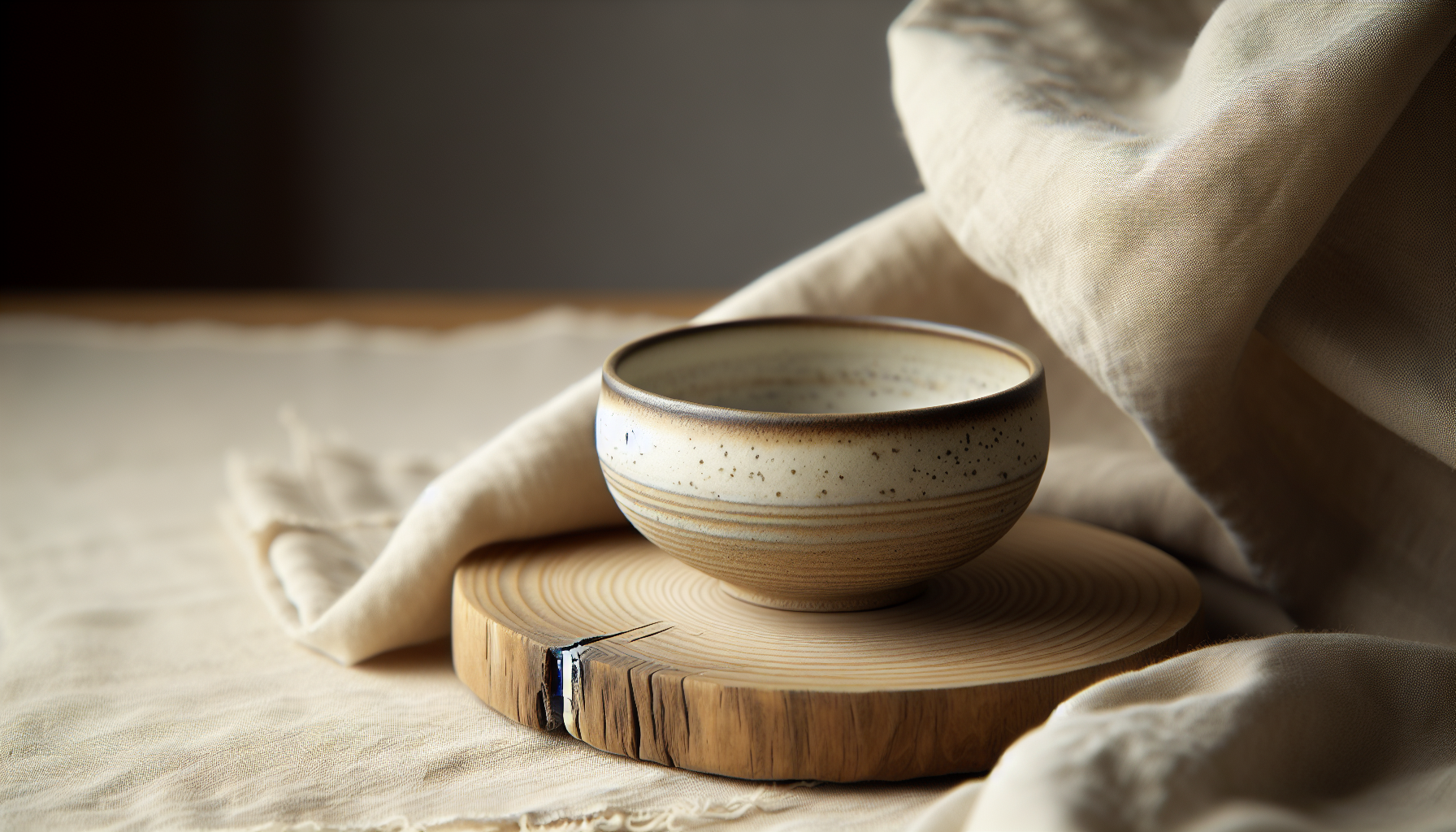
Have you noticed how some rooms instantly quiet your thoughts the moment you step inside?
Why Japandi Feels Calm in Modern Homes
You’ll find Japandi calming because it brings together two design philosophies that prize simplicity, purpose, and natural beauty. This hybrid style combines the warmth and functionality of Scandinavian design with the restraint and serenity of Japanese aesthetics, creating spaces that feel balanced and intentional. In modern homes, where clutter and stimulation are constant, Japandi offers a careful antidote.
What Japandi Actually Is
You might think Japandi is just another minimalist trend, but it’s more than minimalism alone. It’s a thoughtful fusion of Scandinavian hygge and Japanese wabi-sabi, mixing cozy comfort with refined simplicity. This combination results in interiors that are uncluttered, tactile, and human-centered.
Why Calm Matters in Your Home
Your home should be a place that helps you rest, focus, and recharge. Calm environments lower stress hormones, improve sleep, and make it easier to concentrate. Japandi’s calm comes from both visual restraint and physical comfort, which together make your daily routines feel smoother and less taxing.
Origins and Influences
Understanding Japandi’s roots helps you see why it feels so composed. You’ll appreciate how cultural values shape the look and feel.
Japanese Aesthetics: Wabi-Sabi and Ma
Japan contributes a reverence for imperfection and emptiness. Wabi-sabi celebrates natural aging and irregularity, while ma values negative space and timing. Together, these ideas prioritize quiet beauty and thoughtful pacing.
- Wabi-sabi: Acceptance of impermanence and imperfection.
- Ma: Use of empty space to create meaning and rhythm.
Scandinavian Strengths: Function and Warmth
Scandinavian design brings practicality, lightness, and warmth into the mix. You’ll notice crisp lines, light woods, and cozy textiles that make spaces both usable and inviting. Scandinavian principles emphasize:
- Functionality: Every piece has a purpose.
- Comfort: Soft textiles and human-scale furniture.
- Light: Maximizing natural brightness with a pale palette.
How the Two Traditions Complement Each Other
Scandinavian warmth softens Japanese austerity, while Japanese restraint keeps Scandinavian coziness from becoming clutter. You get a balanced outcome: aesthetic simplicity that’s also comfortable and liveable. This makes Japandi particularly well suited to modern homes where versatility and tranquility are both needed.
Core Principles of Japandi
These principles are the backbone of why Japandi feels calming. Use them as a checklist when you’re designing or rearranging.
Simplicity and Restraint
You’ll minimize visual noise by choosing fewer, better items. Simplicity reduces mental load because your eye has fewer interruptions and your mind has less to process.
Natural Materials and Textures
Wood, stone, linen, and ceramics form the primary palette. Natural textures give tactile interest without loud patterns, helping you feel grounded and connected to the natural world.
Neutral, Warm Color Palette
Japandi favors muted tones—warm whites, soft grays, earthy browns, and muted greens. These colors reduce visual tension and make light feel soft and balanced across surfaces.
Functionality and Craftsmanship
You should choose pieces that fulfill practical needs and are built to last. Craftsmanship gives objects character and invites a slower, more appreciative interaction with your surroundings.
Balance and Asymmetry
Rather than perfect symmetry, Japandi often uses balanced asymmetry to create calm. This offers quiet surprise and an organic feel that keeps spaces from feeling sterile.
Minimal Clutter, Curated Objects
You’ll keep surfaces mostly clear, with a few carefully chosen items on display. Those objects should be meaningful, functional, or particularly beautiful.
Visual Elements That Create Calm
These are the visual cues that make Japandi feel tranquil in your home. You can apply many of them without a full redesign.
Soft, Diffused Light
Natural light is central. When you can’t access it, soft lamps and warm bulbs create a similar effect. Diffused light removes harsh shadows and makes textures readable without jarring contrasts.
Low, Grounded Furniture
Low-profile furnishings encourage relaxation and an open sightline. You’ll feel more connected to the floor and the room feels more expansive.
Open, Uncluttered Layouts
You’ll arrange furniture to leave breathing room, support circulation, and allow negative space to perform visually. Open layouts reduce the sense of chaos and help you move more freely.
Organic Shapes and Subtle Lines
Curved forms appear in furniture and ceramics, while clean lines appear in structure. The combination softens the geometry and adds a human touch.
Materials and Textures
Choosing the right materials is critical to achieving calm. The tactile qualities are as important as the visual ones.
Wood: Light and Warm
You’ll see light oak or ash from Scandinavia contrasted with darker Japanese woods like walnut or sugi. Mixing these woods carefully adds warmth and subtle contrast.
Textiles: Linen, Wool, and Cotton
Natural fibers add softness and depth. Linen curtains, wool throws, and cotton cushions create layers without overwhelming pattern or color.
Ceramics and Stone
Handmade ceramics and matte stone surfaces add tactile interest. Their irregularities contribute to wabi-sabi charm and make you feel more connected to the craft.
Matte Finishes Over Gloss
Matte surfaces are less reflective and less noisy visually. They calm light and help the eye rest.
Color Palette Guide
Your colors should support calm, not compete for attention. Keep them muted and harmonious.
Base Colors
Warm whites, soft beiges, and pale grays act as the foundation. These make rooms feel open and serene.
Accent Colors
Subdued greens, muted blues, and earthy terracotta provide depth. Use them sparingly to maintain a sense of tranquility.
Contrast and Warmth
You’ll balance cool neutrals with warmer wood tones to avoid a sterile look. Small accents in darker tones anchor the space and guide the eye.
Furniture and Layout Strategies
Choosing furniture and arranging it thoughtfully will significantly impact the calm factor in your home.
Choose Essential, Multi-Functional Pieces
You should prioritize furniture that serves several uses—storage benches, nesting tables, and comfortable seating that also stores items. Fewer, purposeful pieces keep the room open.
Embrace Low, Simple Profiles
Low sofas and tables create a grounded atmosphere. Avoid overly ornate shapes that draw attention away from the overall composition.
Negative Space Is Not Empty Space
Leaving room around objects is intentional. You’ll let each piece breathe visually, which reduces clutter and creates a rhythm that feels restful.
Scale and Proportion Matter
You must match furniture scale to the room size. Oversized items make spaces feel cramped; too-small pieces feel unmoored. Aim for balanced proportions that encourage movement and sightlines.
Lighting: Natural and Artificial
Light shapes mood more than any other element. Japandi uses lighting to support calm and comfort.
Maximize Natural Light
You’ll use large windows, simple window treatments, and strategic furniture placement to let daylight flood the room. Natural light reveals textures and warms the palette.
Layer Artificial Light
Combine ambient, task, and accent lighting. Warm-toned bulbs mimic daylight at dusk and make spaces feel cozy. Use directional lights for reading and softer fixtures for general illumination.
Use Shades and Lamps with Natural Materials
Paper, linen, and woven shades give light a gentle quality. Their textures soften illumination and create comfortable shadows.
Plants and Greenery
A touch of greenery enhances calm without cluttering. You should choose plants that complement the aesthetic and add a sense of life.
Choose Minimal, Sculptural Plants
Plants with architectural lines—like rubber plants, snake plants, or fiddle-leaf figs—work well. Keep them potted in unadorned ceramic or clay vessels.
Use Plants to Soften Corners and Add Layering
A single well-placed plant can warm an empty corner and provide an organic counterpoint to straight lines.
Creating Calm by Reducing Sensory Noise
Calm isn’t just visual—it’s sensory. You’ll want to manage acoustics, scent, and touch.
Acoustics
Soft textiles, rugs, and curtains absorb sound. This reduces echo and makes conversations feel more intimate and less stressful.
Scent
Subtle, natural scents like green tea, cedar, or unscented soy candles help you relax. Avoid overwhelming fragrances that can cause irritation or sensory overload.
Tactile Comfort
Warm textiles and smooth-sanded wood encourage touch, which can be soothing. Textural contrast—soft cushions against smooth wood—creates a comforting sensory palette.
Room-by-Room Japandi Guide
Here are practical suggestions for applying Japandi principles in each major room of your home.
Living Room
Your living room should be focused, cozy, and uncluttered. Choose a low sofa in neutral upholstery, a simple wooden coffee table, and a few curated objects. Keep storage concealed to maintain calm.
Bedroom
The bedroom is a sanctuary—keep it minimal. Use a platform bed, layered natural bedding, and soft, dimmable lighting. Limit electronics and keep surfaces clear to promote restful sleep.
Kitchen
Function drives the kitchen. You’ll prefer flat-front cabinetry, integrated appliances, and open shelving with a few beautiful ceramics. Natural wood countertops or stone surfaces add warmth and durability.
Bathroom
Bathrooms should feel spa-like with warm woods, matte tile, and simple fixtures. Towels and bath mats in neutral colors and minimal clutter on counters reinforce calm.
Entryway
Make the entry feel organized and inviting. Use a bench with hidden storage, a simple coat rack, and a single artwork or plant. A tidy entry reduces arrival and departure stress.
Home Office
Balance productivity with tranquility. Choose a streamlined desk, ergonomic chair, and plant or two. Keep paperwork concealed and use soft task lighting to reduce eye strain.
Common Mistakes to Avoid
You’ll get better results if you avoid a few common errors that undermine Japandi’s calm.
Over-Minimalism
Removing everything doesn’t always create calm—you may end up with a cold, impersonal space. Balance restraint with warmth and tactile comfort.
Mixing Too Many Woods or Metals
You should limit the palette of materials. Mixing too many finishes creates visual noise rather than calm cohesion.
Cluttered Displays
Avoid filling every surface with objects. Keep displays intentionally curated with meaningful pieces only.
Ignoring Scale and Comfort
Beautiful minimal furniture is not useful if it’s uncomfortable. Prioritize ergonomics and scale over purely aesthetic choices.
Maintenance and Longevity
Calm spaces are easier to maintain when systems and durable materials are used.
Choose Durable, Easy-to-Care Materials
Natural materials can be resilient—look for treated woods, washable textiles, and matte surfaces that hide wear. This reduces the stress of constant upkeep.
Create Storage Systems
Hidden storage, multifunctional furniture, and thoughtful organization make it easy to keep your space tidy. A calm room is one you can maintain without constant effort.
Repair and Care
You’ll preserve the sense of calm by caring for your items. Regular maintenance, repairing instead of replacing, and treating furniture as lasting investments support Japandi’s ethos.
Budgeting and Shopping Strategies
You don’t have to spend a fortune to bring Japandi calm into your home. Thoughtful shopping goes a long way.
Prioritize Key Pieces
Invest in a high-quality sofa, bed, or dining table, then layer in less expensive accessories. Quality where it matters makes the whole room feel cohesive.
Mix High and Low
Combine an heirloom or artisanal piece with budget finds to keep cost down while keeping character. Secondhand shops and local craftspeople are excellent sources.
Look for Sustainable Options
You should seek FSC-certified woods, natural fibers, and locally made items when possible. Sustainability complements the philosophy of longevity and respect for materials.
Comparison: Japandi vs. Scandinavian vs. Japanese
A table will help you see the differences more clearly so you can make intentional choices.
| Element | Japandi | Scandinavian | Japanese |
|---|---|---|---|
| Primary focus | Fusion of warmth + restraint | Functionality + coziness (hygge) | Simplicity + imperfection (wabi-sabi) |
| Palette | Warm neutrals + muted accents | Light, pale neutrals + pastels | Natural, earthy tones |
| Materials | Mixed woods, natural textiles, matte finishes | Light woods, soft textiles, bright/light finishes | Darker woods, stone, ceramics, natural fibers |
| Furniture | Low, simple, grounded | Clean lines, practical, cozy | Low, minimal, ritualistic |
| Decorative approach | Curated, minimal, tactile | Cheerful minimalism, layered textiles | Minimal, intentional, often asymmetrical |
| Mood created | Calm, balanced, warm | Bright, comfortable, functional | Serene, contemplative, refined |
Quick Checklist for Creating Calm Japandi Rooms
Use this table as a practical starting checklist when redesigning a room.
| Task | Yes/No |
|---|---|
| Reduce items to essentials and meaningful pieces | |
| Choose a neutral, warm base palette | |
| Add one or two muted accent colors | |
| Select natural materials (wood, linen, stone) | |
| Use low-profile furniture and balanced proportion | |
| Introduce soft, diffused lighting | |
| Ensure adequate, hidden storage | |
| Incorporate a tactile textile layer (rug, throw) | |
| Add one or two sculptural plants | |
| Maintain visual breathing room around objects |
Real-Life Examples and Small Projects
You can test Japandi principles in small, manageable projects before committing to a full overhaul.
Start with a Corner
Rearrange a reading nook: add a low chair, a simple side table, a linen throw, and a paper or fabric lamp. Keep a single ceramic mug and a plant. This creates immediate calm without big investment.
Refresh a Shelf
Remove redundant items. Place three objects with distinct textures—wood, ceramic, woven fiber—on a shelf. Leave significant empty space around them.
Swap Soft Furnishings
Replace heavy patterned curtains with linen panels, switch throw pillows to muted tones, and add one wool throw. The room will feel lighter and more cohesive.
Sustainability and Ethical Considerations
Japandi aligns well with slow living and sustainability, but you’ll have to make conscious choices.
Buy Less, Buy Better
You’ll reduce waste and support craftsmanship by choosing durable pieces that age gracefully.
Support Local Makers
Local artisans often use local materials and traditional techniques that have lower environmental impact than mass production.
Reuse and Repair
Secondhand shopping and repairing items extend life cycles and keep unique character in your home.
Final Thoughts: Living with Japandi
When you apply Japandi principles, you’ll notice how your home’s atmosphere changes. Calm isn’t created by copying a look; it comes from intentional choices that respect function, materials, and your personal needs. As you simplify and refine, you’ll likely find daily routines become easier and your living spaces more restorative.
You don’t need to remake your entire home at once. Begin with small interventions, prioritize comfort and craftsmanship, and keep the palette and materials consistent. Over time, the calm will feel natural rather than forced—an environment that supports the way you live and helps you move more serenely through each day.
If you want, you can tell me about a specific room and the items you already own, and I’ll suggest a concentrated Japandi plan tailored to your space and budget.