
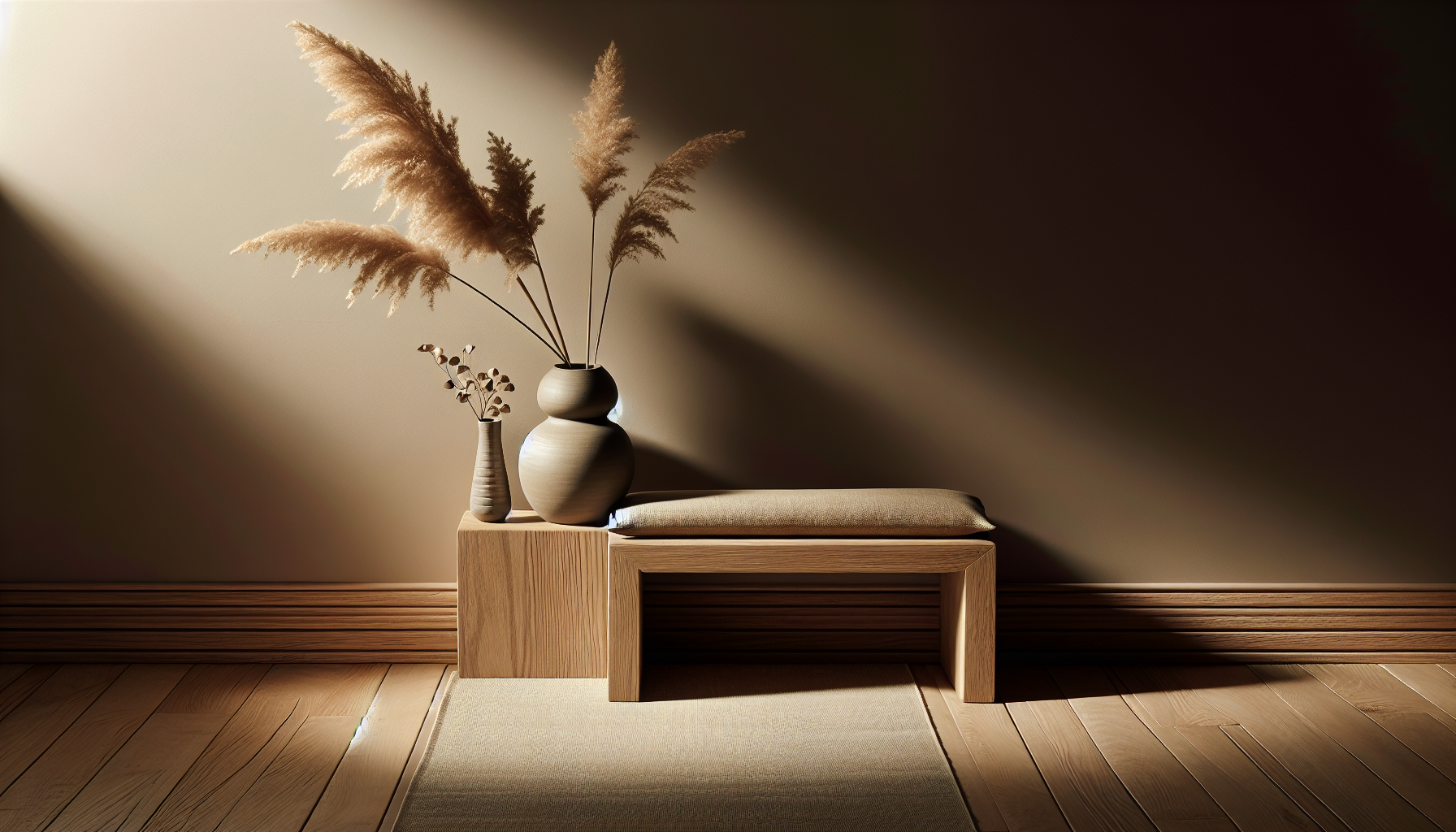
? What do guests notice first when they walk into a Japandi home, and how does that shape their lasting impression of your space?
What Visitors Notice in Japandi Homes
You’ll often realize that the first impression a Japandi home makes comes from a subtle blend of restraint and warmth. Visitors tend to sense both calm and intentionality — the space looks lived-in but very considered.
The Japandi style fuses Japanese minimalism and Scandinavian coziness, and visitors often pick up on that duality immediately. They notice a balance between sparse composition and soft, tactile elements that invite comfort without clutter.
The Power of the Entryway
You’ll find that your entryway sets the tone for everything that follows; it’s often the first thing a guest truly absorbs. A simple, uncluttered entry with a purposeful place for shoes, a single piece of art, or a low bench communicates order and hospitality.
Visitors often judge cleanliness, organization, and the overall aesthetic within seconds of stepping inside. If the entryway is calm and clear, they assume the rest of the home follows the same thoughtful approach.
Visual Simplicity and Clean Lines
You’ll notice that sightlines are usually long and unobstructed in Japandi homes, which creates an immediate sense of ease. Clean geometric lines and understated silhouettes let your eye rest and help visitors feel relaxed.
Guests will often remark on the lack of visual chaos; furniture choices are deliberate and shapes are streamlined. That minimal aesthetic makes any decorative element you do include feel more meaningful.
Natural Materials and Textures
You’ll recognize real materials like wood, stone, paper, and natural fibers the moment you enter a Japandi room. These materials create tactile interest and a feeling of authenticity that many visitors appreciate.
The combination of warm woods and neutral stones gives the space depth without noise. Below is a table describing common materials, the sensory cue they provide, and how visitors typically respond.
| Material | Sensory cue | Typical visitor reaction |
|---|---|---|
| Light oak or ash wood | Warmth, organic grain | Feels inviting and artisanal |
| Darker walnut accents | Grounded contrast | Adds quiet sophistication |
| Stone (limestone, granite) | Cool, tactile solidity | Conveys permanence and calm |
| Paper (shoji, rice paper) | Diffused light, softness | Suggests serenity and subtlety |
| Linen, cotton, wool | Breathable texture | Conveys comfort without heaviness |
| Ceramic and matte glazes | Handcrafted feel | Signals attention to craft |
A Muted, Warm Color Palette
You’ll likely notice that colors are desaturated, leaning toward warm neutrals and earth tones. The palette is intentionally restrained so that materials and shapes can be the focus.
Visitors often feel soothed by the color scheme; it doesn’t compete for attention and fosters a sense of continuity. Below is a simple palette to help you picture what visitors might see.
| Color family | Typical hues | Visitor impression |
|---|---|---|
| Warm neutrals | Off-white, cream, beige | Calm and clean |
| Earth tones | Taupe, clay, terracotta | Grounded and natural |
| Soft greys | Stone grey, greige | Modern and quiet |
| Muted greens/blues | Sage, seafoam, slate | Fresh and balanced |
| Dark accents | Charcoal, deep brown | Adds depth and contrast |
Scale and Proportion
You’ll notice that Japandi interiors favor human scale; furniture and objects are sized to feel approachable rather than oversized. Proportions are balanced so nothing dominates the space.
Visitors perceive this attention to scale as thoughtful ergonomics — the room feels right for living, not just for show. Proper proportion also enhances flow and contributes to a calming visual rhythm.
Light: Natural and Layered
You’ll see that natural light is prioritized and often augmented by layered artificial lighting that mimics daylight warmth. Curtains or paper screens diffuse sunlight to avoid harsh contrasts.
Guests notice when light is soft and even; it increases the perceived quality of the space and elevates textures. Lamps and pendant lights tend to be modest and sculptural rather than ornate, and that restraint feels intentional to visitors.
Furniture Choices and Arrangement
You’ll find furniture in Japandi homes tends to be low to the ground, made from solid wood, and emphasizes craftsmanship. The arrangement emphasizes function — seating encourages conversation and movement is unobstructed.
Visitors often comment on the comfort combined with beauty: seating is cozy yet visually light. The understated furniture allows personal items and natural materials to stand out.
Minimal Clutter and Thoughtful Storage
You’ll likely notice that surfaces are mostly clear and every item seems to have a designated place. Visually, the absence of clutter speaks louder than any decorative flourish.
Visitors interpret neatness as respect for the home and its inhabitants. Built-in storage, hidden cabinets, and baskets are common solutions that keep daily items out of sight while remaining accessible.
Art, Objects, and Negative Space
You’ll see art used sparingly and intentionally; a single, well-placed object often makes more impact than several items. Negative space is a design element in itself and is used to give emphasis to what’s present.
Guests tend to reflect longer on fewer objects, which can make a chosen piece feel more personal and memorable. Curated displays — such as a ceramic vase on a wooden shelf — feel meaningful rather than decorative.
Plants and Biomorphic Elements
You’ll notice that plants are used to provide life and softness but are rarely overplanted. A simple branch in a stoneware vase or a single potted plant often suffices to bring the outdoors inside.
Visitors appreciate this restrained approach to greenery because it reinforces the natural aesthetic without becoming busy. The presence of plants also subtly signals care and attention to indoor air and wellbeing.
Textiles and Layering
You’ll see textiles used to add warmth and tactility — think a textured throw, linen curtains, or a wool rug. The layers are minimal and chosen for their hand-feel and natural fibers.
Guests will often touch luxe-feeling fabrics and comment on the cozy atmosphere. Textiles are there to soften hard surfaces and make the environment feel lived-in and inviting.
Sensory Cues: Scent, Sound, Temperature
You’ll notice how scent and sound are intentionally calibrated to support calm: subtle natural scents, soft music, and comfortable room temperatures. These non-visual cues strongly shape visitor perception.
Guests may not always be able to name why they feel relaxed, but you’ll see them respond to these subtle sensory decisions. A faint scent of cedar or a slow piano playlist can enhance the overall impression.
Functionality and Comfort
You’ll find that comfort is not sacrificed for aesthetics in Japandi homes; functional details are discreet but effective. Seating, surfaces, and circulation are designed for daily living rather than show-only appearances.
Visitors appreciate when a space feels both beautiful and usable. They’ll remember seating that invites you to stay and surfaces that are practical for everyday activities.
Cultural Fusion and Subtlety
You’ll notice the cultural conversation between Japanese restraint and Scandinavian warmth — it’s rarely literal, and more often an implicit mood. The fusion emphasizes craftsmanship, simplicity, and care.
Visitors often sense an international yet timeless quality that feels modern and historical at once. That subtle blending makes the space feel globally informed and personally curated.
Room-by-Room: What Visitors Notice
You’ll find that different rooms communicate the Japandi ethos in distinct ways, and visitors pick up on the cues unique to each space. Below, each room is broken down so you can see what guests typically notice.
Living Room
You’ll likely notice low seating, a focus on the coffee table as an anchor, and open floor space to facilitate movement. The living room often serves as the clearest example of balance between minimalism and warmth.
Visitors will comment on how the room feels restful yet cozy, and may linger on the craftsmanship of a wooden bench or the weave of a rug. Thoughtful placement of cushions and a single statement object often attract the most attention.
Kitchen and Dining
You’ll notice uncluttered countertops, high-quality materials, and functional design in the kitchen; everything usually has a clear purpose. Dining areas tend to be intimate, featuring natural wood tables and minimal place settings.
Guests pay attention to functional beauty: well-organized drawers, a seamless faucet, or a simple pendant light over the table. The overall effect is that cooking and dining feel both efficient and inviting.
Bedroom
You’ll notice the bedroom’s emphasis on rest, with a low-profile bed, soft linens, and muted colors that encourage sleep. Surfaces are typically calm and free of unnecessary accessories.
Visitors might note the tactile comfort and the sense that the room is curated for sleep and relaxation. Subtle bedside lighting and a single piece of art can make the space feel restful and intentional.
Bathroom
You’ll notice the bathroom’s clean lines, natural materials, and a spa-like restraint — often featuring stone, wood, and matte fixtures. Storage is usually built-in or cleverly hidden so countertops remain clear.
Guests often describe Japandi bathrooms as serene and efficient, with a focus on ritual and calm. The use of simple, tactile accessories like ceramic soap dishes enhances the experience.
Home Office / Study
You’ll notice that workspaces favor uncluttered desks, ample natural light, and comfortable seating designed for focus without distraction. Shelving and storage are neat and intentionally curated.
Visitors who spend time in your office will likely feel productive and calm, thanks to the balance between function and beauty. The environment encourages deliberate work habits and minimal visual noise.
Common Visitor Reactions and Comments
You’ll often hear certain recurring reactions from guests who are noticing the Japandi qualities in your home. These responses generally reflect an appreciation for calm, craftsmanship, and intentionality.
Below is a table of common visitor comments and what they usually mean about your space.
| Visitor comment | Interpretation |
|---|---|
| “This feels so calm.” | Your color palette, lighting, and lack of clutter have created a restful atmosphere. |
| “It’s so warm in here.” | Natural materials and textiles are being read as inviting despite minimalism. |
| “Everything looks handmade.” | Craft-focused finishes and authentic materials communicate quality. |
| “It feels like a spa.” | The bathroom or overall sensory cues (scent, light) evoke ritual and relaxation. |
| “There’s so much space.” | Good scale, proportion, and decluttering create an airy feeling. |
| “I like how everything has a place.” | Thoughtful storage and organization are noticeable and appreciated. |
| “I want to sit down.” | Comfortable, human-scale seating and soft textiles invite lingering. |
What You Can Do to Maximize Visitor Impressions
You’ll want to focus on key sensory and visual elements if you want visitors to notice the Japandi qualities in your home. Small, deliberate changes yield a big impact.
Below is a practical checklist you can use to prepare a home for visitors and to ensure they experience the intended effect.
| Area | Quick action | Why it matters |
|---|---|---|
| Entryway | Clear surfaces, single statement | Sets first impression of calm |
| Lighting | Use warm bulbs and layered lighting | Enhances materials and mood |
| Surfaces | Remove excess items | Creates visual breathing room |
| Materials | Highlight a few natural elements | Reinforces authenticity |
| Textiles | Add one or two tactile layers | Increases perceived comfort |
| Plants | Include one sculptural plant | Brings life without clutter |
| Art | Use single well-placed pieces | Emphasizes intentionality |
| Storage | Hide everyday items | Maintains minimalism and order |
| Scent | Use subtle natural scents | Supports wellbeing and memory |
| Sound | Play soft, slow music | Enhances calm and flow |
Staging Tips for Showing a Japandi Home
You’ll want to stage thoughtfully, focusing on key vignettes rather than overdecorating every surface. Consolidate objects and highlight materials and texture.
Visitors respond well to small, curated arrangements: a folded throw on a bench, a ceramic bowl on a tray, or a single branch in a vase. These small touches feel practiced and personal.
Maintenance and Wear
You’ll need to maintain natural materials carefully because visitors do notice wear and patina. A well-cared-for wood surface or a clean stone sink speaks to care and longevity.
Guests may interpret excessive wear as neglect, so keep leather conditioned, linens fresh, and wood surfaces oiled. The patina of use can be beautiful if it’s intentional and maintained.
Mistakes That Dilute the Japandi Effect
You’ll find that a few common missteps can undermine the subtlety that makes Japandi homes so effective. Over-decoration, loud colors, and cheap finishes are frequent culprits.
Avoid excessive ornamentation, mismatched styles, or overly ornate lighting. These elements can distract from the craftsmanship and calm that visitors should be experiencing.
- Using too many small decorative items that create visual clutter.
- Choosing glossy, cheap-looking materials instead of authentic finishes.
- Over-accessorizing with trendy pieces that don’t age well.
- Ignoring scale — furniture that’s too big or too small disrupts balance.
- Failing to maintain natural materials, leading to an unkempt feel.
How to Explain Japandi to Guests
You’ll find it helpful to boil down Japandi into simple talking points so guests can appreciate what they’re seeing. A concise explanation can help visitors understand the intentional choices behind the aesthetic.
You might say: “Japandi blends Japanese minimalism — emphasis on craft and negative space — with Scandinavian warmth and functionality. It’s design that values simplicity, natural materials, and a calm atmosphere.” This short description often clarifies what they’re experiencing.
If guests ask more, you can point out specifics: the low-profile furniture from Japanese influence, the soft textiles from Scandinavian design, and the neutral palette that ties it all together. Offering a couple of examples helps make the style tangible.
Quick Reference Tables
You’ll appreciate these rapid-comparison tables when planning or assessing a Japandi interior. They’re designed to help you see what visitors notice and why those elements matter.
Table: Japandi vs Japanese vs Scandinavian — what visitors pick up
| Feature | Japandi | Japanese | Scandinavian |
|---|---|---|---|
| Overall mood | Calm warmth | Serene minimalism | Cozy functionality |
| Color palette | Muted neutrals + warm accents | Neutral, natural | Light neutrals with crisp accents |
| Furniture | Low, natural wood, simple forms | Low, platform, minimal ornament | Practical, ergonomic, light wood |
| Textiles | Natural fibers, subtle textures | Minimal textiles, tatami/linen | Warm throws, wool, layered rugs |
| Materials | Mix warm woods and stone | Natural, tactile (bamboo, paper) | Light woods, textiles |
| Art & objects | Sparse, curated | Sparse, symbolic | Functional and decorative objects |
| Visitor impression | Balanced, inviting restraint | Meditative simplicity | Bright, welcoming practical |
Table: Visitor-focused room checklist
| Room | Key cues visitors notice | Quick staging tips |
|---|---|---|
| Entry | Order, single focal piece | Remove shoes, clear surface, add bench |
| Living | Comfort, material quality | Fold a throw, clear coffee table |
| Kitchen | Cleanliness, craftsmanship | Clear counters, display one utensil |
| Dining | Intimacy, natural materials | Set minimal place settings |
| Bedroom | Restfulness | Use muted linens, remove clutter |
| Bathroom | Spa-like calm | Clear counters, add towel in natural fiber |
| Office | Focus and calm | Clear desk, single plant or object |
Final Thoughts
You’ll notice that visitors respond strongly to intentional restraint — when everything feels purposeful, the home reads as caring and calm. A Japandi interior communicates values: respect for materials, thoughtful craftsmanship, and quiet hospitality.
If you want guests to leave with a lasting impression, focus on a few high-quality materials, maintain clear sightlines, and keep sensory cues subtle and consistent. The charm of Japandi is quiet but powerful, and when you get the balance right, visitors will remember both the comfort and the care behind your space.