
Have you noticed how some interiors seem to breathe with you, making it easier to relax and focus?
What role does fresh air play in Japandi design?
Japandi design blends Japanese minimalism and Scandinavian warmth to create serene, functional spaces. Fresh air is a core element in this hybrid style, shaping how spaces feel, function, and connect to the outside world. You’ll find that fresh air is not an afterthought in Japandi interiors — it’s an intentional ingredient that influences layout, materials, furniture choices, and how you move through your home.
How fresh air fits into the Japandi philosophy
Fresh air aligns with Japandi values like simplicity, natural materials, and balance. You’ll notice that a room with good air flow often feels lighter, cleaner, and more restful — all traits that Japandi aims to deliver. By prioritizing fresh air, you’re also prioritizing well-being, sustainability, and a sensory experience that supports calmness and clarity.
Principles of Japandi that support fresh air
Japandi is defined by several guiding principles that naturally encourage fresh air. You’ll see these principles reflected in design choices that prioritize openness, natural ventilation, and materials that “breathe.”
Minimalism and decluttering
When you reduce clutter, you allow air to move more freely through a room. Minimalism in Japandi isn’t just visual — it’s functional, creating unobstructed pathways for air circulation and a calmer indoor microclimate. Less clutter also reduces dust accumulation, making the air quality better for you.
Natural materials and breathability
Materials like wood, stone, cotton, linen, and paper are common in Japandi design. These materials often have better moisture-regulating properties than many synthetic alternatives. By choosing naturally porous and hygroscopic materials, you help maintain balanced humidity and temperature, which makes the air feel fresher and more comfortable.
Seamless indoor-outdoor connection
Japandi encourages visual and physical connections to nature through large openings, sliding doors, and garden views. These features make natural ventilation possible and invite outside air inside. You’ll find that the ability to open a window or screen door changes the mood and quality of the space immediately.
Why fresh air matters beyond aesthetics
Good air is not just about how a room looks; it’s about how you breathe, sleep, and feel. Fresh air reduces indoor pollutants, moderates humidity, and supports better sleep and cognitive performance. In a Japandi home, these health benefits complement the design goals of tranquility and purposeful living.
Physical health benefits
When you allow fresh air in, you reduce concentrations of volatile organic compounds (VOCs), carbon dioxide, and indoor allergens. You’ll breathe easier, experience fewer headaches, and reduce the risk of respiratory irritation. These benefits are especially important in modern homes where building envelopes can trap pollutants.
Mental and emotional benefits
Fresh air supports your mental clarity and emotional balance. Light breezes, subtle scent of outdoor greenery, and the feeling of air movement can lower stress levels and improve mood. In Japandi spaces, this sensory calmness is a key part of the experience you’re trying to create.
Strategies to bring fresh air into Japandi interiors
You can use a combination of architectural features, furniture placement, and daily habits to maximize fresh air in your Japandi home. These strategies keep the aesthetic intact while making air quality a design priority.
Architectural considerations
Design decisions like window size, door placement, and the use of sliding screens influence cross-ventilation. You’ll want openings on opposite or adjacent walls so air can flow across a room. Overhangs and shading can let you keep openings open more often without overheating the space.
Window types and placement
Floor-to-ceiling windows, clerestory windows, and operable transoms are common choices. You should place windows to take advantage of prevailing breezes and to channel fresh air through living spaces. High and low openings can create stack ventilation, where warm air escapes high and draws cooler air in low.
Operable partitions and screens
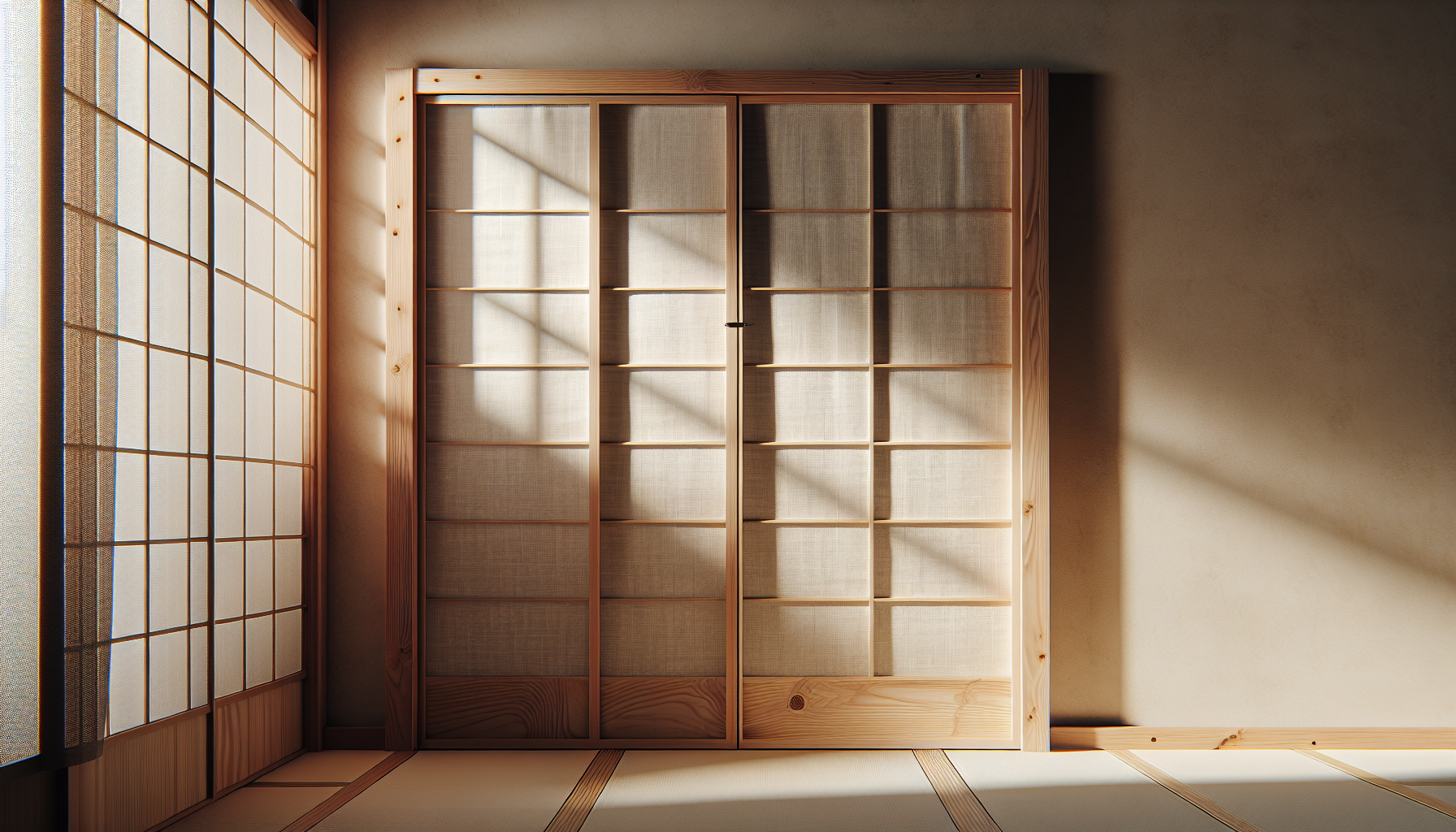
Sliding doors and shoji screens let you adjust privacy and airflow without closing you off from the outdoors. These elements preserve the clean lines of Japandi design while allowing filtered air and light through. You can open or close zones depending on the weather and your needs.
Mechanical support when needed
While natural ventilation is preferred, mechanical systems have their role. Energy recovery ventilators (ERVs), heat recovery ventilators (HRVs), and high-quality filtration systems can bring in fresh air without sacrificing comfort or energy efficiency. You should consider these when outdoor air quality is poor or the climate limits natural ventilation.
Layout and furniture choices that promote air flow
How you place larger furniture and organize rooms will affect air movement. Japandi’s restrained approach to furnishing naturally supports better circulation.
Keep pathways clear
You’ll want to leave open circulation paths and avoid blocking windows and doors with bulky furniture. A thoughtful layout that allows air to cross a room will feel more spacious and breathable. Place seating so it benefits from natural breezes without being directly in a draft that’s uncomfortable.
Low-profile furniture
Low, streamlined furniture respects the horizontal emphasis in Japandi and reduces vertical obstruction to airflow. You’ll find that low sofas, platform beds, and slim shelving support both the aesthetic and practical needs of ventilation. They help maintain sightlines and let air move above and around them.
Multi-functional pieces
Compact, multifunctional furniture reduces the need for excess items that can impede air flow. By choosing pieces that serve several purposes, you minimize clutter and preserve breathing room — both literally and visually.
Materials that help and hinder indoor air quality
Choosing the right materials makes a real difference in indoor air quality and how fresh your home feels. Some materials passively regulate humidity and emissions, while others can trap odors or emit pollutants.
Recommended materials
You should favor:
- Solid wood (untreated or finished with low-VOC oils)
- Natural fibers like cotton, linen, and wool
- Clay, lime, and natural plasters
- Stone and ceramic
These materials tend to off-gas less and interact favorably with indoor humidity, making the air feel fresher and more stable.
Materials to avoid or use cautiously
Synthetic carpets, low-quality pressed wood with formaldehyde adhesives, and high-VOC paints can negatively affect air quality. You’ll be better off limiting these materials or choosing low-emission alternatives with credible certifications.
Surface finishes and treatments
Choose low-VOC paints and water-based finishes, or natural oils and waxes. Properly finished surfaces are easier to clean and less likely to trap pollutants, helping maintain a healthier indoor environment. You’ll also find that breathable finishes complement the tactile feel of Japandi interiors.
Plants and biophilia: natural air supporters
Plants are a signature element that supports both the look and air of Japandi spaces. When you use them thoughtfully, they contribute to air purification, humidity regulation, and psychological well-being.
Selecting plants for air benefits
Some plants help reduce airborne dust and certain VOCs, while others simply add moisture and a calming presence. You should choose hardy, low-maintenance species with proven indoor performance, such as snake plant, pothos, and ZZ plant.
Placement and grouping
Group plants near windows and seating areas to create microclimates of fresher air. You’ll also get visual balance by clustering plantings in corners or on shelves that respect the minimal aesthetic. Avoid overplanting; a few well-placed specimens contribute more to the Japandi feel than dense foliage.
Care and maintenance
Healthy plants support better air quality. Regular watering, pruning, and dusting of leaves keep plants functioning well and prevent them from becoming dust traps or sources of mold. You should be mindful of the specific light and humidity needs of each species.
Natural ventilation techniques you can apply today
Here are practical methods you can apply immediately to improve fresh air flow in a Japandi home.
Cross-ventilation
Open windows and doors on opposite sides of a room or home to promote cross-ventilation. This is the simplest and most effective technique for bringing fresh air inside. You’ll want to monitor outside temperature and air quality, and use screens or shoji to filter insects and harsh sunlight.
Stack ventilation
Use high vents or clerestory windows in combination with lower openings to create stack effect ventilation. Warm air rises and exits through higher openings, drawing cooler air in through lower ones. This passive approach can reduce reliance on mechanical cooling.
Night purging
If you live in a climate with cool nights, open windows at night to flush out warm indoor air and reset the thermal mass of the building. You’ll enjoy cooler, fresher mornings and reduced need for air conditioning.
Intermittent airing
Periodically open windows and doors throughout the day to exchange indoor air. Short but regular airing is often more effective than long, infrequent ventilation. You’ll also reduce allergen build-up and stale odors.
Balancing thermal comfort and fresh air
Introducing fresh air can sometimes conflict with temperature control, especially during extreme seasons. Japandi design aims to balance these needs through passive strategies and considered use of mechanical systems.
Passive shading and solar control
Use deep eaves, pergolas, and external shading to limit direct summer sun while allowing low winter sun to warm interiors. You’ll be able to keep openings available for ventilation without overheating a space. Vegetation and screens also provide gentler solar control while maintaining airflow.
Thermal mass and insulation
Materials with thermal mass, like stone and concrete (used judiciously), help stabilize indoor temperatures. Good insulation prevents unwanted heat loss in winter while enabling ventilation strategies that don’t compromise comfort. You’ll feel more comfortable when fresh air moves through a well-insulated shell.
Smart mechanical use
Phase mechanical ventilation and heating/cooling so they complement natural ventilation rather than replace it. Use HRVs or ERVs in colder climates to bring in fresh air without losing heat. You’ll save energy and maintain comfort while preserving the breathable quality of your space.
Seasonal considerations for maintaining fresh air
Different seasons call for different approaches. You should adjust ventilation strategies to the climate and seasonal changes to keep air fresh year-round.
Spring and autumn
Moderate temperatures make these seasons ideal for natural ventilation. You can keep windows and doors open more frequently to exchange air and reset indoor conditions. Take advantage of these seasons to purge indoor pollutants accumulated over winter.
Summer
In warm climates, use shaded openings, night purging, and cross-ventilation to cool spaces without constant air conditioning. If outside air quality is poor (e.g., pollen or smoke), you may need to rely on filtered mechanical ventilation periodically.
Winter
Use intermittent airing paired with heat recovery ventilation to balance fresh air with thermal comfort. Brief, targeted ventilation reduces CO2 and VOC build-up without significant heat loss. You’ll maintain a sense of freshness while staying warm.
Common mistakes and how to avoid them
Even with the best intentions, there are pitfalls that can undermine your efforts to keep air fresh in a Japandi setting. Knowing these helps you avoid them.
Over-sealing without ventilation
Super-tight building envelopes conserve energy but can trap pollutants. If you upgrade insulation or replace windows, also plan for mechanical ventilation like an HRV or ERV. This keeps your interior fresh while maintaining energy efficiency.
Blocking natural airflow
Bulky furniture, heavy draperies, or poorly arranged partitions can block cross-ventilation. Arrange your space to keep airflow paths clear and choose low, streamlined furnishings that reinforce the Japandi aesthetic.
Ignoring outdoor air quality
Sometimes the outside air is not an improvement — high pollen, pollution, or smoke can make ventilation counterproductive. You should monitor local air quality and use filtration or close openings during poor air events.
Case studies and real-life examples
Seeing real examples can show you how fresh air functions in practice. The following brief case examples illustrate different ways Japandi principles are applied to enhance air quality.
Small apartment: maximizing cross-ventilation
A compact city apartment uses floor-to-ceiling windows on one side and an operable balcony door on the adjacent wall. You’ll see that keeping furniture low and adding sliding screens allows constant airflow without sacrificing privacy. The result is a light, airy living area that feels larger and cleaner.
Suburban home: combining thermal mass and stack ventilation
A mid-sized home uses a high clerestory window and shaded lower openings. Stone flooring adds thermal mass while wooden screens provide filtered sunlight. At night, cool air is drawn in low and warm air escapes high, reducing the need for active cooling. You’ll notice a calm, steady interior climate and a sense of continuity with the garden.
Renovation: adding mechanical support
A renovated townhouse tightened for energy efficiency added an HRV system and strategically placed operable windows. This matches modern energy performance with the Japandi preference for fresh, natural-feeling air. The family gets the best of both: clean air circulation and comfortable temperatures year-round.
Practical checklist for bringing fresh air into your Japandi home
Use this checklist as a practical guide to assess and improve air quality, while keeping Japandi aesthetics intact.
| Task | Why it matters | Action you can take |
|---|---|---|
| Evaluate existing ventilation | Understand current airflow and problem areas | Observe air movement, measure CO2 if possible, note stagnant rooms |
| Prioritize window placement | Maximizes natural ventilation | Install or open windows on opposite walls; add clerestory or transom windows |
| Use low-VOC materials | Reduces indoor chemical load | Choose certified paints, adhesives, and finishes |
| Maintain clear airflow paths | Prevents blocked circulation | Arrange furniture to keep openings unobstructed |
| Add plants thoughtfully | Supports humidity and air freshness | Select low-maintenance houseplants and group them near windows |
| Consider HRV/ERV systems | Balances fresh air and energy | Install where natural ventilation is limited or in cold climates |
| Seasonal ventilation plan | Adapts to changing conditions | Use night purging, intermittent airing, and close during poor outdoor air events |
| Regular cleaning and filters | Keeps air free of dust and allergens | Clean vents, replace filters, and dust surfaces frequently |
| Monitor indoor air quality | Know when to act | Use a CO2 meter or indoor air quality monitor for guidance |
FAQs about fresh air and Japandi design
These short questions and answers address common concerns you might have when applying fresh-air principles.
Will fresh air compromise the minimalist look?
No. Thoughtful ventilation features like slim operable windows, shoji screens, and low furniture preserve minimal lines. Fresh air enhances the aesthetic by keeping spaces feeling light and uncluttered.
Can you have fresh air in polluted urban settings?
Yes, but you’ll need a hybrid approach. Use mechanical filtration, keep windows closed during high pollution hours, and ventilate when outside air quality improves. Indoor plants and air purifiers also help.
How many plants are too many?
Less is more in Japandi. A few well-placed plants are more effective aesthetically and practically than many scattered pots. Focus on quality and placement over quantity.
Do you need special maintenance for materials?
Some natural materials require periodic care (oiling wood, lime plaster touch-ups), which also helps maintain breathable surfaces and better air quality. Regular maintenance is part of preserving both form and function.
Final thoughts: making fresh air a design habit
You can make fresh air an integral habit rather than an occasional afterthought. Start by assessing how air moves through your space and make incremental changes: adjust furniture, open the right windows at the right times, add plants, and consider mechanical systems when necessary. Each small choice reinforces Japandi’s commitment to calm, natural, and human-centered living.
By making fresh air a deliberate element of your design, you’ll create interiors that not only look balanced and beautiful but also support your health, mood, and connection to the natural world. You’ll notice the difference in how your home feels — cleaner, calmer, and more alive — without sacrificing the restrained elegance that defines Japandi design.