
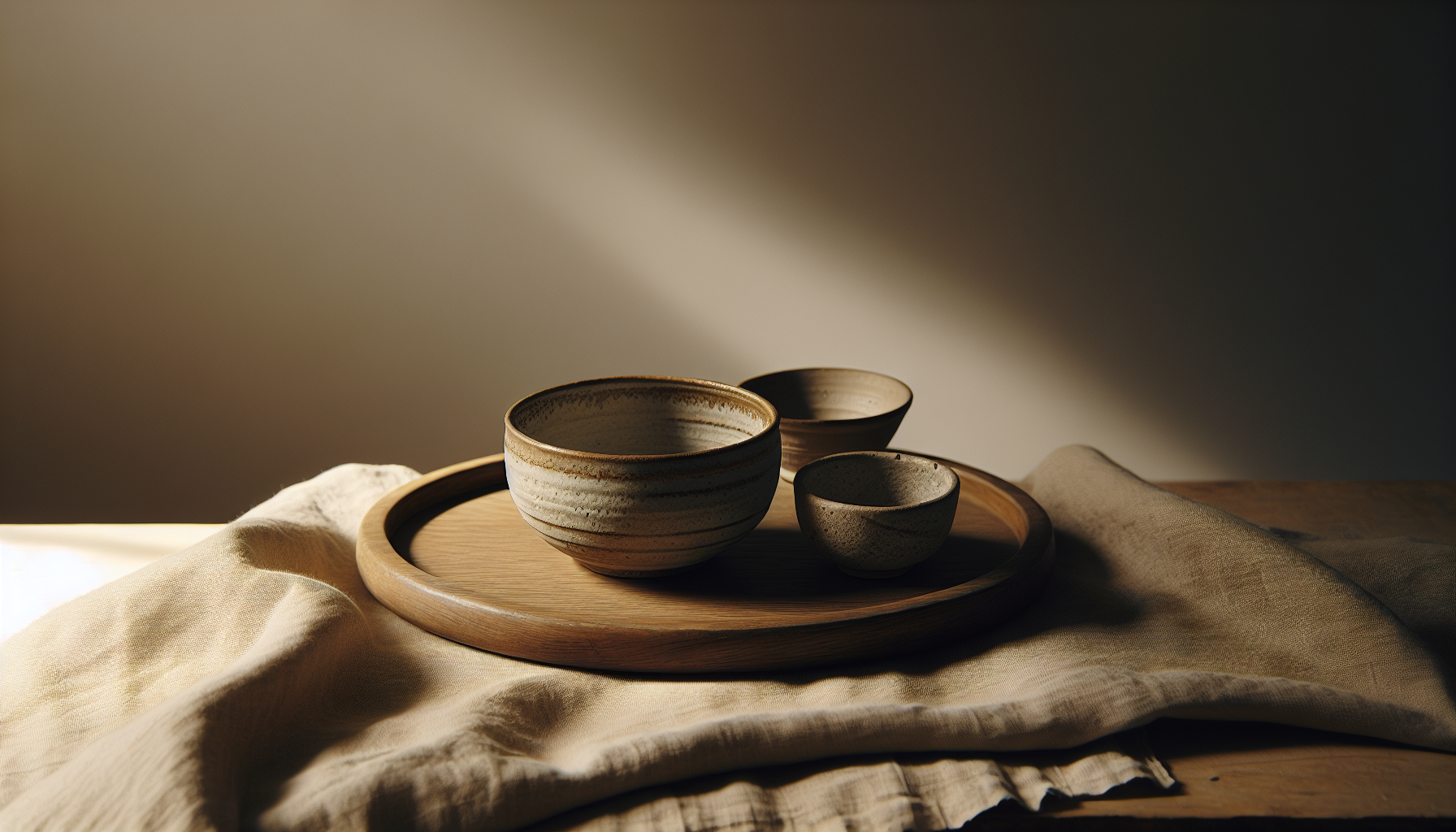
Have you ever walked into a room and felt an immediate sense of calm without being able to name why?
What Makes Japandi Homes Feel So Serene
Japandi blends the best of Japanese and Scandinavian design to create spaces that feel both warm and meditative. You’ll notice how restraint, natural materials, and thoughtful layouts work together to soothe your senses and simplify daily life.
First Impressions of Japandi Homes
When someone enters a Japandi home, the first impressions are usually about balance and ease. You’ll sense an intentional quietness that doesn’t feel empty but rather carefully composed.
Visual Calm
The first thing you’ll likely see is a soft, neutral palette and uncluttered surfaces. That immediate visual simplicity signals that the space is designed for rest and focus rather than distraction.
Tactile Warmth
You’ll often notice natural textures—wood grain, linen, wool—before you realize it, and those materials invite touch and comfort. That tactile warmth makes the space approachable and human.
Spatial Flow
Movement through a Japandi home feels effortless because of the emphasis on circulation and open sightlines. You’ll feel guided through the space without obstacles, which contributes strongly to the sensation of serenity.
Origins and Philosophy
Understanding the origin stories behind Japandi helps you see why it feels so calming. This hybrid style borrows foundational ideas from two traditions that both prize simplicity and workmanship.
Japanese Influences
Japanese design contributes minimalism, an appreciation for negative space, and wabi-sabi—the acceptance of imperfection and transience. You’ll find restraint in decoration and reverence for craft in every joint and seam.
Scandinavian Influences
Scandinavian design supplies warmth, lightness, and functionality with a focus on coziness and human-centered living practices like hygge. You’ll notice how comfort and utility are integrated seamlessly into the aesthetic.
How They Meet in Japandi
Japandi takes the Japanese focus on quiet, meditative composition and warms it with Scandinavian functionality and tactile comfort. You’ll get spaces that look spare but feel welcoming and practical at the same time.
Core Principles That Create Serenity
These core principles are the pillars that make Japandi homes feel so composed, and you can apply them in any room to evoke the same calm.
Minimalism and Essentialism
Minimalism in Japandi isn’t about austerity; it’s about keeping what matters and letting go of the rest. You’ll practice intentional curation, keeping objects that have purpose or meaning and removing visual noise.
Functionality and Practicality
Every piece should serve a function and do it well, whether that’s storage, seating, or lighting. You’ll enjoy spaces where design choices are justified by use, so nothing feels gratuitous.
Wabi-sabi and Hygge
Wabi-sabi teaches you to appreciate natural wear and imperfect surfaces, while hygge encourages cozy rituals and comfortable social life. Together, they help you build a home that feels both honest and comforting.
Naturalism and Biophilia
Japandi emphasizes natural materials and connections to the outdoors to support well-being. You’ll bring in plants, light, and textures that remind you of nature, which naturally calms your nervous system.
Materials, Textures, and Finishes
Material choices are central to the Japandi aesthetic and to the sensory experience you’ll have in the home. Their honest textures and finishes help ground the interior.
Wood and Grain
Light to medium-toned woods—like oak, ash, and walnut—are staples that add warmth and visual interest through their grain. You’ll appreciate how wood anchors a room without dominating it.
Natural Fibers
Linen, cotton, wool, and jute bring softness and tactility to a space. You’ll layer these fibers as cushions, throws, and rugs to create comfortable surfaces that still read as restrained.
Stone and Ceramics
Subtle stone countertops, matte ceramic vessels, and handcrafted pottery introduce cool, tactile contrast to warmer woods. You’ll notice how these elements add a quiet elegance and artisanal touch.
Finishes and Patina
Rather than glossy, new finishes, Japandi favors matte and slightly aged surfaces that show life and usage. You’ll find that this worn quality adds authenticity and a lived-in calm.
Table: Typical Japandi Materials and Their Effects
| Material/Finish | Why It’s Used | How It Contributes to Serenity |
|---|---|---|
| Light oak, ash | Warmth, neutral grain | Anchors space gently; feels natural |
| Walnut (sparingly) | Rich accent | Adds depth without clutter |
| Linen, wool, cotton | Softness, breathability | Invites touch; softens visual lines |
| Matte ceramic, stone | Cool tactile contrast | Adds quiet elegance and craft |
| Raw or matte finishes | Less shine, more texture | Reduces visual noise; authentic feel |
| Natural dyes, muted pigments | Subtle color | Promotes tranquility and cohesion |
Color Palette and Light
Color and light are fundamental to the mood you’ll experience in a Japandi home. Together they create a backdrop that allows materials and forms to speak softly.
Neutral Base
A neutral base of beiges, warm greys, soft whites, and muted taupes forms the backbone of Japandi interiors. You’ll rely on this palette to keep the environment restful and cohesive.
Accent Colors
Muted greens, dusty blues, or deep charcoal are used sparingly as accents. You’ll find that restrained color pops add interest without disturbing the overall calm.
Natural Light and Artificial Lighting
Natural light is maximized wherever possible, while layered artificial lighting—ambient, task, and accent—keeps the mood balanced after dark. You’ll design lighting to be soft and warm, avoiding harsh glare.
Table: Color Palette Examples and Use
| Area | Base Color Ideas | Accent Suggestions |
|---|---|---|
| Walls | Soft white, warm beige, pale grey | Deep charcoal trim, muted green art |
| Floors | Light oak, natural hemp rug | Low-contrast patterned rug |
| Textiles | Natural linen, off-white wool | Dusty blue cushion, terracotta throw |
| Accessories | Matte ceramic, natural wood | A single darker pottery piece |
Furniture and Layout
Furniture choices and spatial planning are where Japandi’s calm becomes functional. The right proportions and placements will help you build serenity into daily routines.
Low, Simple Furniture
Low-profile sofas, platform beds, and simple tables encourage a grounded, peaceful posture in the room. You’ll invest in pieces with clean lines and soft, comfortable ergonomics rather than ornate silhouettes.
Multi-functional Pieces
Furniture that doubles as storage or adapts to different needs keeps surfaces uncluttered and your life simple. You’ll favor benches with hidden storage, coffee tables that allow for neat organization, and modular seating.
Open Circulation and Negative Space
Purposeful negative space—areas intentionally left empty—helps your eye rest and your mind relax. You’ll arrange furniture to maintain clear paths and avoid blocking sightlines, which increases the perceived spaciousness.
Textiles, Soft Furnishings, and Accessories
Your choices for textiles and accessories should add warmth and personality without creating clutter. Thoughtful restraint is key.
Layering with Restraint
Layer two or three well-considered textiles instead of many small ones. You’ll create visual depth by combining a woven rug, a linen throw, and a textured cushion rather than lots of mismatched items.
Textural Contrast
Contrast smooth ceramic or wood with slightly fuzzy or slubby textiles to keep the space interesting. You’ll notice how texture—rather than color—becomes the primary way to add variety.
Art and Curated Objects
Art and objects should be few but meaningful. You’ll choose pieces that have clear placement and purpose, often with an artisanal or handmade quality that contributes to the story of the room.
Sensory and Psychological Effects
The way a Japandi home makes you feel has neurological and behavioral roots. Understanding them helps you intentionally design for calm.
Visual Simplicity Reduces Stress
Your brain processes less visual clutter when the environment is simple, which lowers cognitive load and reduces stress. You’ll feel more relaxed and able to focus in spaces where items are curated and surfaces are clear.
Tactile Warmth Invites Presence
Natural textures trigger comfort responses and encourage you to slow down. You’ll find that soft upholstery and warm wood surfaces make you more likely to pause and enjoy subtle rituals like reading or tea.
Rituals and Routines
Japandi supports rituals—morning tea, evening winding down, simple communal meals—that reinforce calm behaviors. You’ll discover that the environment helps create and sustain those habits by making them easier to perform.
Room-by-Room Guide
You can apply Japandi principles across all rooms in your home. Here are practical tips for each space to keep serenity consistent.
Living Room
Keep seating low and simple, center pieces around human interaction, and maintain clear sightlines. You’ll use a few sculptural objects and balanced textiles to make the room feel inviting without fuss.
Bedroom
Prioritize a platform bed with natural bedding, soft lighting, and minimal furniture. You’ll want the bedroom to be a visual retreat where sleep rituals are supported by calm textures and neutral tones.
Kitchen
Functional storage, uncluttered countertops, and matte finishes create a calm cooking environment. You’ll keep only essential tools at hand and choose cabinetry that complements the rest of the home.
Bathroom
Natural stone or matte tiles, simple fixtures, and soft textiles create a spa-like atmosphere. You’ll reduce visual clutter by using minimalist storage and curated vessels for toiletries.
Entryway
A simple bench, a single hook or tray for keys, and a visually calming palette set the tone for the rest of the home. You’ll create an instant sense of order and hospitality the moment you or guests cross the threshold.
Workspace
Keep your workspace ergonomic and tidy with closed storage and an uncluttered desk surface. You’ll support focus with a single statement piece—like a handcrafted lamp—rather than multiple competing items.
Styling Tips and Practical Steps
These actionable steps help you translate Japandi principles into daily decisions without feeling overwhelmed by redesign.
Edit Ruthlessly
Start by removing items that don’t serve a daily purpose or bring you joy. You’ll be surprised how quickly surfaces breathe once you let go of excess.
Invest in Key Pieces
Spend more on foundational items—sofa, bed, dining table—because these define the silhouette of the room. You’ll get more longevity and visual coherence from fewer, better pieces.
Use Plants Thoughtfully
Choose low-maintenance plants with sculptural forms like ficus, sansevieria, or bonsai to bring life without fuss. You’ll arrange them deliberately so they enhance the composition rather than clutter it.
Let Light Lead Decisions
Assess where natural light falls and use it to dictate furniture placement and color choices. You’ll benefit from maximizing daylight to enhance warmth and reduce the need for harsh artificial light.
Common Mistakes to Avoid
Even with the best intentions, certain missteps can undermine the serene effect you’re trying to achieve. Watch out for these common pitfalls.
- Over-accessorizing: Too many small objects defeat the minimal, curated look you want. You’ll aim for fewer pieces with stronger impact.
- Mixing too many woods or finishes: Clashing tones create visual noise; keep a limited palette. You’ll choose two to three complementary finishes and stick to them.
- Ignoring scale: Oversized furniture in a small space will feel heavy, while tiny pieces in a large room can feel sparse. You’ll measure and plan proportions carefully.
- Overly sterile spaces: Avoid making the room feel uninhabited; add textiles and personal items to keep it warm. You’ll balance minimalism with comfort.
Creating Japandi on a Budget
You don’t need a big budget to get the Japandi feel. Thoughtful selection and small changes can make a big difference.
- Declutter and reorganize: Start here because it costs nothing and instantly improves calm. You’ll notice a big difference after even a modest edit.
- Refinish or paint existing furniture: Lightening or unifying finishes can make pieces feel more cohesive. You’ll often get a fresh look with minimal expense.
- Buy a few versatile textiles: A neutral rug and a couple of linen throws go a long way. You’ll refresh the mood without replacing major furniture.
- Hunt for handcrafted secondhand pieces: You can find affordable, unique items that add character. You’ll get the artisanal touch without the premium price tag.
Maintaining Serenity Over Time
Creating a serene space is one thing; keeping it that way requires habits and care. These practical measures help your Japandi home stay peaceful.
Cleaning and Decluttering Habits
Short, regular maintenance sessions maintain the clean lines that define the style. You’ll set a weekly 15–30 minute routine to clear surfaces and put items back in their proper place.
Rotating Seasonal Accents
Instead of accumulating, rotate a few textiles or plants with the seasons to refresh your home while maintaining the core aesthetic. You’ll preserve simplicity while keeping the environment dynamic.
Repair and Care for Materials
Treat natural materials with respect—oil wooden surfaces, launder linens gently, and fix small damages promptly. You’ll extend the life of your furnishings and preserve that harmonious patina.
What Visitors Typically Notice First
When guests enter a Japandi home, their impressions tend to cluster around a few sensory cues that you can intentionally emphasize.
- Calm Color and Light: Visitors will often mention how relaxed the palette and lighting feel. You’ll notice compliments about how “easy” the space is on the eyes.
- Natural Materials: Many people comment on the warmth of wood and the texture of textiles. You’ll hear appreciation for the authentic, lived-in surfaces.
- Order Without Sterility: Guests detect the balance between tidy design and homeliness. You’ll get remarks about the space feeling intentional yet comfortable.
- Sense of Flow: People comment on how easy it is to move through the space and how nothing feels out of place. You’ll notice that layout decisions directly impact their sense of comfort.
Practical Checklist to Create Japandi Serenity
Use this checklist to methodically convert a room into a Japandi-inspired space. You’ll find small steps add up quickly.
- Remove nonessential items from surfaces.
- Choose a neutral base color for walls or major textiles.
- Select one or two natural woods for furniture and finishes.
- Add two to three layered textiles with different textures.
- Place one to two plants strategically for balance.
- Use warm, dimmable layered lighting (ambient + task).
- Curate art or ceramics; limit to a few meaningful pieces.
- Ensure clear circulation paths and purposeful negative space.
- Maintain weekly declutter and monthly material care.
Frequently Asked Questions
Below are concise answers to common questions you might have while adapting Japandi to your own life.
- Can Japandi work in a very small apartment? Yes. Japandi’s emphasis on minimalism and multifunctional furniture makes it particularly suitable for small spaces. You’ll want to prioritize storage solutions and scale furniture appropriately.
- How do you combine bold personal items with Japandi restraint? Choose a single bold item and let it act as a focal point, while the rest of the room remains quiet and cohesive. You’ll maintain serenity by limiting competing statements.
- Is Japandi cold or uninviting? Not if you balance it with soft textiles, warm wood tones, and personal rituals. You’ll create an environment that feels both orderly and inviting.
- How often should I rotate accessories or textiles? Seasonally is a good rhythm—two to four times per year—so you’ll keep freshness without accumulating clutter.
Final Thoughts
If you want a home that helps you slow down and concentrate on what matters, Japandi gives you a clear framework to achieve that. By combining mindful curation, natural materials, calm color, and intentional layouts, you’ll create spaces that feel both timeless and personally restorative.
Implement the principles gradually, keep your choices purposeful, and let the space evolve with your life. You’ll soon notice that serenity isn’t just aesthetics—it’s a way your home supports the rhythms of your days.