
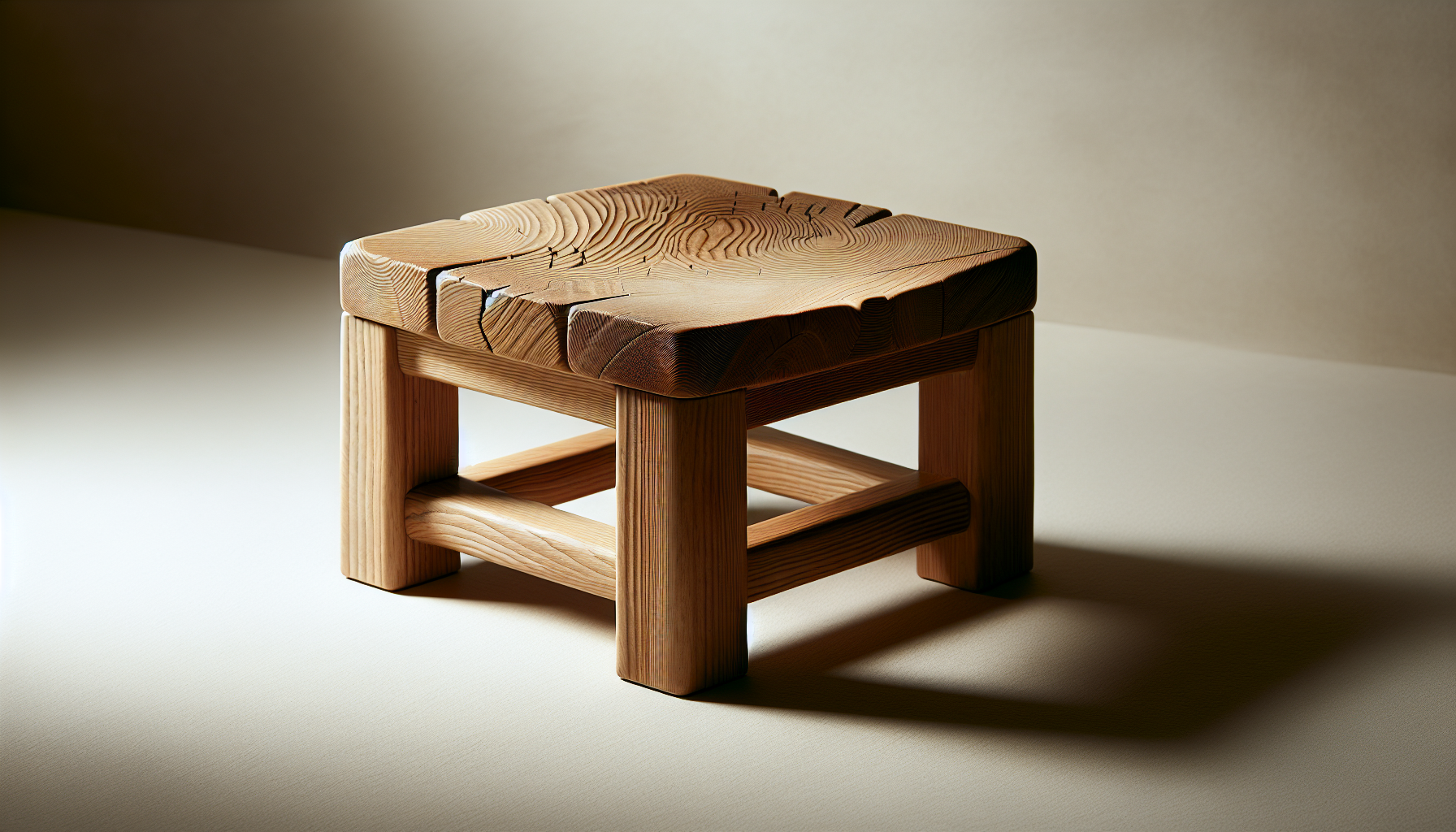
Have you ever wondered what makes a piece truly reflect the spirit of Japandi rather than simply look like a trendy mash-up?
What Defines Authentic Japandi Craftsmanship
You want to know what qualities separate genuinely authentic Japandi craftsmanship from superficial styling. This section lays out the core definition so you can recognize the real thing and appreciate the values that drive those objects and interiors.
Authentic Japandi craftsmanship is a synthesis of Japanese and Scandinavian design traditions focused on simplicity, functional beauty, and reverence for materials. It’s more than aesthetic cues; it’s about processes, philosophies, and maker intent. When you encounter a legitimately crafted Japandi piece, you’ll notice balance between restraint and warmth, visible evidence of handwork, and materials chosen for their integrity rather than trend appeal.
Historical and Philosophical Roots
You should understand the cultural DNA that feeds Japandi to appreciate authentic pieces. This section explains the two main lineages and how they converge.
Japanese Influences: Wabi-Sabi and Mingei
You’ll find Japanese contributions rooted in wabi-sabi (beauty in imperfection) and mingei (folk craft ideals). These philosophies prize modesty, natural aging, and the human touch. A Japandi object informed by Japanese thinking will celebrate subtle irregularities and surface patina as signs of life and use.
Scandinavian Influences: Functional Minimalism and Hygge
Scandinavian design brings clarity of form, functionalism, and a warmth often summarized by hygge. You should expect clean lines, ergonomic thinking, and an emphasis on light, tactility, and comfort. In Japandi, Scandinavian influence tempers Japanese austerity with livability and gentle comfort.
How These Philosophies Meet
When you combine these traditions, you get an approach that balances restraint with warmth, simplicity with comfort, and utility with quiet elegance. Authentic craftsmanship results from this philosophical alignment, not from copying visual motifs alone.
Core Principles of Authentic Japandi Craftsmanship
You want clear criteria to judge authenticity. These principles function as a practical checklist for assessing objects, furniture, and interiors.
- Simplicity and restraint: Nothing superfluous; every element has purpose.
- Respect for materials: Materials are used honestly and celebrated for their natural properties.
- Human scale and ergonomics: Pieces fit the body and daily life naturally.
- Imperfection embraced: Signs of handwork and natural variation are valued.
- Functional beauty: Aesthetics arise from function; the design serves living.
Materials: What You Should Look For
Materials anchor authenticity. Here’s what materials typically appear in genuine Japandi work and why they matter.
Natural Wood
You’ll most often see woods like oak, walnut, European ash, Japanese cypress (hinoki), and sugi (Japanese cedar). These woods are chosen for grain character, durability, and how they age. You should be able to see natural grain patterns and joins, and the finish should enhance, not mask, the wood.
Natural Fibers and Textiles
Linens, wools, cottons, and sometimes bamboo or hemp appear in upholstery, rugs, and soft goods. Textiles tend to be handwoven or weave with visible texture and low sheen. You should feel an emphasis on comfort and tactile subtlety.
Ceramics and Stone
Hand-thrown ceramics, unglazed stoneware, and simple glazed pieces with natural color palettes are common. These materials show marks of the maker’s hand—finger traces, slight asymmetry, and kiln effects.
Metal and Leather Accents
Brass, blackened steel, and vegetable-tanned leathers are used sparingly to accentuate form or structure. In authentic pieces these are functional elements, not flashy adornments.
Table: Typical Materials and What They Signal
| Material | What it signals to you |
|---|---|
| Oak, walnut, hinoki | Durability, visible grain, aging gracefully |
| Linen, wool | Comfort, natural texture, breathability |
| Hand-thrown ceramics | Maker’s hand, imperfection valued |
| Brass, blackened steel | Subtle accent, structural honesty |
| Vegetable-tanned leather | Natural patina, longevity |
Techniques and Construction Methods
You care about how something is made because technique reveals intent. Authentic Japandi craftsmanship uses time-honored and precise methods.
Joinery and Woodworking
Traditional joinery—mortise and tenon, dovetail, and Japanese hidden joinery—shows a commitment to structural integrity without relying on visible metal fasteners. You should notice tight, thoughtful joins and minimal reliance on glue or visible screws where not necessary.
Hand Finishing
Hand planing, sanding, and oiling are common. These finishes allow wood to breathe and age, and you can often feel the smoothness achieved by hand tools. Finishes tend to be matte or satin to preserve the natural look of the material.
Slow, Intentional Production
Artisanal pacing matters. You should expect small-batch or bespoke production rather than mass-produced uniformity. Makers often refine forms through repeated handwork, which leads to slight variations that you’ll come to value.
Surface Treatments
Natural oils, waxes, shou sugi ban (charred wood technique), and water-based stains heighten wood’s properties without hiding grain. For ceramics, simple glazes and firing techniques produce unique surface effects you can trace back to the kiln and the maker’s choices.
Design Language: Form, Function, and Proportion
Design in Japandi reflects a disciplined balance that you can learn to read.
Form Derived From Function
Objects are pared back to essential form, and every curve or joint has purpose. You should test pieces for ergonomics—chairs should feel supportive, tables should be appropriately scaled. Beauty arises from usability, not ornament.
Proportions and Negative Space
You should notice generous negative space and carefully considered proportions. Low furniture, elongated horizontals, and uncluttered surfaces are common. These choices create calm and visual breathing room.
Color and Palette
A restrained palette of muted neutrals—warm beiges, soft greys, deep browns, and black accents—helps materials speak. You should see color used to complement rather than dominate, allowing wood and textile textures to be the stars.
Ceramics, Glass, and Small Objects
Authenticity extends beyond furniture into the details you interact with daily.
Hand-Crafted Ceramics
You should seek ceramics with subtle irregularities: slightly uneven rims, variation in glaze pooling, thumb marks near the base. These are not defects but proof of hand-craftsmanship.
Glass and Metalwork
Blown or hand-finished glass with slight variations and metalwork that’s been hand-forged or finished by hand adds personality. These pieces often serve as accents or functional objects that reinforce the handcrafted atmosphere.
Table: Characteristics of Authentic Small Objects
| Object type | Authentic characteristics to look for |
|---|---|
| Ceramics | Uneven rims, glaze variations, maker’s marks |
| Glass | Slight bubbles, irregular thickness, hand-polished edges |
| Metalwork | Subtle hammer marks, matte finishes, visible join techniques |
The Maker’s Signature: Markers of Authenticity
You want tangible indicators to confirm authenticity. Here are reliable signs to watch for.
Maker’s Mark or Signature
Many authentic artisans sign their pieces with stamps, signatures, or labels. This signals accountability and pride in workmanship. If you can trace a piece to a named maker, you can often learn about their methods and materials.
Evidence of Handwork
Visible tool marks, slight asymmetry, or nuanced finish variations mean a human touched the piece. These details tell you the piece was crafted rather than factory-produced.
Provenance and Story
A genuine Japandi object often comes with a story: where the material came from, how long it took to make, and what techniques were used. You should value provenance because it confirms intent and ethical sourcing.
Small-Batch Production
Limited editions and small-batch runs decrease uniformity and increase individuality. You should prefer these if authenticity matters to you.
Sustainability, Ethics, and Sourcing
Authentic Japandi craftsmanship often aligns with sustainable and ethical practices, because respect for materials and process is central.
Sustainable Materials and Forestry
Look for responsibly sourced wood—FSC certification or equivalent local sustainable forestry practices. You should ask makers about their supply chain and how materials are replenished or sourced.
Local Production and Short Supply Chains
Pieces produced closer to where materials are harvested and finished reduce environmental impact and support local craft communities. You should value transparency about production location and labor practices.
Longevity Over Trend
Authentic pieces are designed to last decades, both physically and stylistically. Investing in longevity reduces waste and aligns with the Japandi ethos of mindful consumption.
How to Identify Authenticity When Buying
You want practical steps for assessing authenticity in stores, online, or at artisan markets. Use this checklist to guide purchases.
In-Person Inspection
- Look for maker’s marks and evidence of handwork.
- Check joinery and the underside of furniture for tool marks.
- Inspect finishes for depth and natural sheen rather than plastic-like lacquer.
- Sit, open, and handle pieces to confirm ergonomics and weight.
Online Purchases
- Request close-up photos of joins, finishes, and maker’s marks.
- Ask about production methods, batch size, and lead times.
- Read the item description for specific material sourcing information.
- Request provenance or maker biography when possible.
Questions to Ask Sellers
- Where did the wood/textile come from?
- How is the piece finished and what products were used?
- Is this produced by a single maker or in a workshop?
- How many pieces are produced in this design?
Table: Quick Authenticity Checklist
| Item | What you should expect |
|---|---|
| Maker’s signature | Present on many authentic pieces |
| Joinery | Traditional methods, tight fits |
| Finish | Natural oils/waxes or subtle techniques |
| Production size | Small-batch / bespoke |
| Provenance | Clear sourcing info and maker story |
Caring for Authentic Japandi Pieces
You’ll want maintenance advice to preserve the qualities that make these pieces special.
Wood Care
Use natural oils or waxes recommended by the maker. Avoid harsh chemical cleaners. You should clean spills quickly and occasionally re-oil surfaces to preserve patina and protect from drying.
Textiles and Ceramics
Follow care instructions for hand-woven or fine textiles—gentle washing and air drying when possible. For ceramics, avoid thermal shock and handle heirloom pieces with secure grips.
Long-Term Preservation
Rotate cushions and textiles to prevent uneven wear. Keep wooden pieces out of direct, prolonged sunlight to minimize uneven fading. You should maintain a balance between enjoying your items and preserving their condition.
Incorporating Authentic Japandi Crafts into Your Home
You want practical guidance on integrating authentic pieces without losing their character.
Start Small
Introduce a few handmade ceramics, a well-crafted chair, or a handwoven rug before committing to large purchases. You’ll see how these pieces set tone and can be mixed with existing items.
Focus on Function
Choose objects you will use daily—dining sets, chairs, and tables. The Japandi aesthetic is rooted in daily practice, so pieces that get regular use will age beautifully.
Create Visual Balance
Use neutral walls and light to highlight wood tones and textures. You should arrange furniture to allow negative space and avoid clutter so handcrafted details can be appreciated.
Combine Surfaces Thoughtfully
Contrast smooth, light wood with textured textiles or matte ceramics. This keeps spaces from feeling flat while respecting the minimalist ethos.
Where Authentic Japandi Craftsmanship Is Made
You’ll find reputable makers and regions where the craft traditions intersect.
Japan
Regions with strong woodworking and ceramic traditions—like Kanto for furniture makers or Mashiko and Bizen for ceramics—produce objects steeped in local technique.
Scandinavia
Denmark, Sweden, and Finland continue to produce ergonomically designed furniture using local timber and textile traditions. You should look for makers who honor old joinery and sustainable forestry.
Cross-Cultural Workshops
Some ateliers fuse Japanese techniques with Scandinavian materials or vice versa. These collaborative studios often produce pieces that are genuinely hybrid rather than derivative.
Pricing and Value: What You Should Expect to Pay
Authentic craftsmanship requires time and skill, and that affects price. This section helps you set realistic expectations.
Price Factors
- Material quality (solid wood vs veneer)
- Complexity of joinery and construction
- Maker reputation and provenance
- Small-batch vs handmade one-offs
Value Over Time
You should consider these purchases as investments in longevity and experience. Authentic pieces often hold or increase value because they age with grace and have a documented maker history.
Budgeting Tips
- Prioritize items you use daily, such as dining chairs or a table.
- Consider repaired or vintage pieces that fit the Japandi ethos.
- Invest gradually: buy one artisan piece per season.
Examples and Case Studies
You’ll benefit from concrete examples that illustrate authenticity in practice.
Case Study: A Handcrafted Dining Table
A maker uses locally milled oak, traditional mortise and tenon joinery, and natural oil finish. The table is slightly asymmetrical at the ends, reflecting hand-planing. Over five years, the surface develops a warm patina. This table demonstrates how maker choice, joinery, and finish produce a living piece that improves with use.
Case Study: A Ceramic Tea Set
A potter forms each cup on a wheel, resulting in subtle size variations. Glaze pooling at the base and a slight wobble in one cup show human touch. You’ll appreciate how imperfect uniformity creates intimacy and connection to the maker.
Case Study: A Handwoven Rug
Wool sourced from local shepherds is hand-spun and hand-dyed with natural colors. The rug shows irregular weave tension in places, but the texture and warmth it brings to the room embody Japandi’s fusion of minimalism and comfort.
Common Pitfalls and How to Avoid Them
You want to avoid superficial or pseudo-authentic purchases that only mimic the look.
Overly Uniform Pieces
If every piece is perfectly identical with factory-perfect edges, that’s a red flag. You should value slight variations that confirm handwork.
Glossy, Plastic-Like Finishes
High-gloss lacquers that hide grain and texture are contrary to Japandi honesty. Ask what finish was used and prefer oils or matte treatments.
Trend-Labeling Without Substance
Some retailers label items “Japandi” to capture market interest. You should request maker details, production methods, and material sourcing before buying.
Frequently Asked Questions
You likely have a few quick questions. This section gives concise answers to common concerns.
How can I tell if a piece is truly handmade?
Look for tool marks, slight asymmetry, maker signatures, and evidence of traditional joinery. Ask the seller for photos of undersides and joints.
Is Japandi only about minimalism?
No. While minimalism informs Japandi, it’s tempered by warmth, texture, and human scale. Function and comfort are equally important.
Can vintage pieces be considered authentic Japandi?
Yes. Vintage furniture and objects that embody the principles—natural materials, good joinery, and simplicity—fit well into Japandi interiors.
Is authenticity expensive?
Not always. You can find authentic small objects, textiles, and vintage pieces at accessible prices. Larger investments reflect material and maker time.
Final Thoughts: Making Authentic Choices
You care about the story behind what you bring into your home, and Japandi craftsmanship rewards that curiosity. Authentic pieces carry the maker’s gesture and the trace of human time, offering more than a look—they offer an attitude toward living.
When you buy with attention to materials, technique, maker provenance, and sustainability, you curate a home that reflects quiet dignity and lasting value. Choose pieces that will become parts of your daily rituals, age with grace, and tell a story of care.
If you follow the principles and practical checks outlined here, you’ll be able to confidently identify and invest in authentic Japandi craftsmanship that suits your life and aesthetic.