
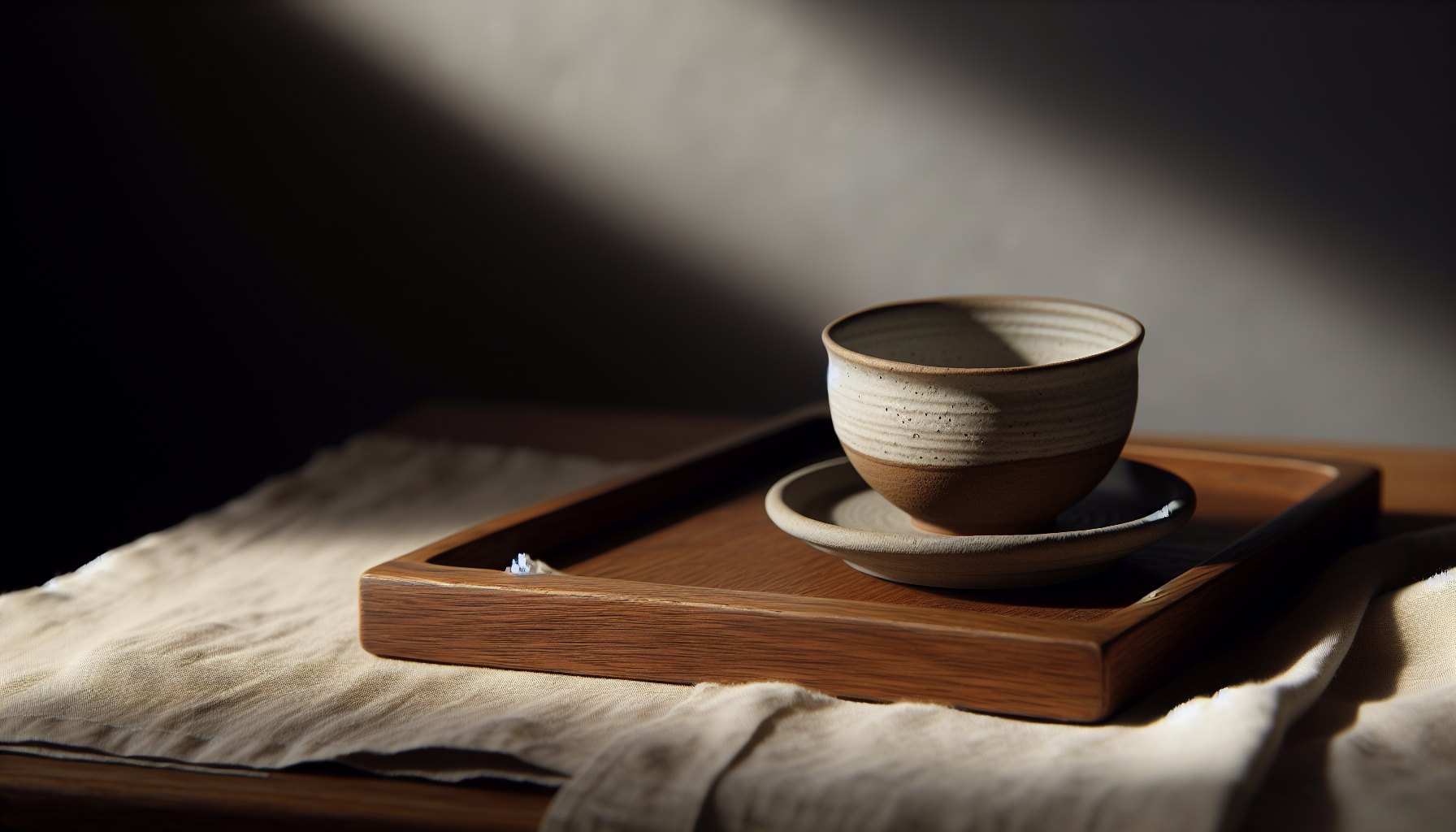
Have you ever felt unsure which interior choices will actually help you feel calm rather than just make your home look like the latest feed?
Think Beyond Trends When Curating a Calm Space
You want a home that supports rest, clarity, and daily ease, not one that only photographs well for a season. Thinking beyond trends helps you make choices that age gracefully, suit your life, and reduce decision fatigue.
Why Trends Fall Short for Calm Spaces
Trends are often about visual novelty and quick recognition, not long-term wellbeing or function. When you build a space around fleeting aesthetics, you risk frequent updates, wasted resources, and a room that doesn’t feel like yours.
The Emotional Cost of Chasing Trends
Chasing what’s fashionable can leave you second-guessing your taste and create a home that feels curated for others. You may find the space lacks emotional comfort because it isn’t rooted in your daily routines or personal history.
The Practical Cost of Constant Updating
Frequent redecorating costs money, time, and contributes to waste. You also end up with furniture and decor that may not be durable or suited to your lifestyle, leading to frustration and clutter.
What Calm Really Means in Your Home
Calm is not an absence of personality; it’s a balance of sensory input, functional clarity, and personal meaning. You create calm when a room supports what you actually do, reduces friction, and helps you slow down without feeling staged.
Sensory Elements: Sight, Sound, Smell, Touch
Calm arises when sightlines are uncluttered, acoustics are managed, scents are pleasing, and textures invite rest. Paying attention to all senses makes spaces more immersive and restorative for you.
The Role of Intention and Ritual
Your rituals—brewing tea, reading before bed, a morning stretch—shape how a space feels and functions. Designing with those routines in mind helps each area support the actions you value.
Understanding Japandi: Origins and Principles
Japandi is a design style that blends Japanese wabi-sabi simplicity and Scandinavian functionalism, prioritizing craftsmanship and natural materials. It’s useful to understand the cultural roots and core principles so you can borrow what aligns with your needs rather than copy a surface look.
Common Misconceptions About Japandi
Many people assume Japandi is just a color palette or a checklist of furniture pieces, but it’s more about restraint, proportion, and the beauty of imperfection. Treating it like a template risks missing the philosophy that makes it calming.
| What people think Japandi really means | Reality | How you can apply it thoughtfully |
|---|---|---|
| Minimal, all-white, and cold | Minimal but warm; embraces natural tones and textures | Choose muted palettes with warm woods and soft textiles |
| Only low, flat furniture | Low-profile pieces often used, but function and comfort are paramount | Prioritize ergonomics while favoring clean lines |
| A style to copy exactly | A philosophy of simplicity, craft, and imperfection | Adapt principles to your climate, habits, and cultural context |
How to Use Japandi Principles Without Copying a Look
You can adopt Japandi’s emphasis on function, craftsmanship, and calm without becoming a clone of a trend. Use its principles—quality, simplicity, and natural materials—to inform your choices while keeping them personal.
Material Choices and Why They Matter
Natural materials like wood, stone, and linen have tactile warmth and age well, which contributes to a timeless calm. Selecting durable, repairable materials reduces waste and creates a space that improves with use.
| Material | Why it calms | Maintenance |
|---|---|---|
| Solid wood (oak, walnut, elm) | Adds warmth, patina over time | Wipe with damp cloth; occasional oiling |
| Linen and cotton | Breathable, soft, tactile | Machine wash or gentle hand wash |
| Stone and ceramic | Grounding visual weight, easy to clean | Seal porous stone; gentle cleaners |
| Bamboo and rattan | Light visual texture, natural variation | Dust regularly; avoid excess moisture |
Color Palette: Calm Beyond the Current Fashion
Timeless calm tends to favor muted, low-contrast palettes: warm off-whites, soft greys, sandy beiges, and gentle greens. You can add personality with a few deeper or more saturated accents that feel intentional rather than trendy.
Layout and Furniture: Function Over Fads
A calm room has clear circulation, purposeful furniture arrangement, and enough negative space to breathe. Prioritize how you use the space—where you sit, where you read, how you prepare food—then select pieces that serve those activities.
Choosing Furniture That Ages Well
Look for simple silhouettes, quality joinery, and materials that patina attractively rather than date quickly. Choosing pieces with neutral lines lets you layer in color and texture without being tied to a pattern or shape that will feel outdated.
Multifunctional and Memory-Friendly Design
Furniture that serves multiple needs—storage benches, extendable tables, and well-designed shelving—reduces clutter and increases the room’s usefulness. Arrange furniture to support habitual flows, so the room works with how you move and live.
Textiles and Textures for Comfort
Layering soft textiles creates tactile variety and depth, which is essential for a calming atmosphere. You want a balance of smooth, coarse, and plush textures to signal comfort and subtle richness.
Rugs, Throws, and Cushions
Rugs anchor seating areas and define zones, while throws and cushions invite touch and relaxation. Choose natural fibers and sizes that suit the scale of your furniture to avoid visual imbalance.
Lighting: Natural and Layered Artificial Light
Good light is functional and flattering; it shapes mood throughout the day. Use as much natural light as your home allows, and supplement with layered artificial lighting for evening and overcast days.
Fixtures and Bulbs: Warmth and Control
Opt for warm-toned bulbs in living spaces and dimmable fixtures so you can control brightness and set the tone. Consider task lighting for reading or cooking and softer ambient lights for relaxation.
Plants, Art, and Objects: Curate with Care
Plants, art, and meaningful objects bring life to a room without overwhelming it when chosen intentionally. These elements should reflect your interests, add texture, and support a calm rhythm rather than compete for attention.
Editing Your Belongings: The Gentle Declutter
Editing isn’t about removing all possessions; it’s about keeping items that you use, love, or that serve a purpose. When you curate purposefully, each item adds to the space’s intentionality and serenity.
| Editing prompt | What to ask yourself |
|---|---|
| Use | Have I used this in the last 6–12 months? |
| Joy | Does it make me feel calm or happy when I see it? |
| Purpose | Does it serve a functional or sentimental role? |
| Condition | Is it in a condition that supports the look and function of my space? |
Maintaining Calm: Habits and Cleaning Routines
A calm space remains calm when you invest in small, consistent habits rather than occasional deep cleans. Establish routines that fit your schedule so the space stays uncluttered and welcoming without becoming a chore.
Weekly and Monthly Maintenance Checklist
Set a weekly rhythm for quick resets—surface wipes, laundry, and clearing clutter—and a monthly deep clean for windows, under furniture, and appliance care. Integrating short rituals keeps the space functioning and reduces the overwhelming effort of infrequent massive cleanups.
| Rhythm | Tasks |
|---|---|
| Daily (5–15 minutes) | Tidy surfaces, wash dishes, clear counters |
| Weekly | Vacuum or sweep, laundries, dust visible surfaces |
| Monthly | Clean windows/mirrors, rotate cushions, deep-clean high-use areas |
| Seasonally | Assess storage, swap textiles, inspect for repairs |
Budget-Friendly Ways to Create Calm
You don’t need a large budget to make a room feel tranquil. Small, strategic changes—painting walls, decluttering, adding plants, and swapping out textiles—can transform a space at low cost.
Thrift, Repair, and Upcycle
Secondhand furniture and repairs are sustainable and often more characterful than new mass-produced items. With a bit of sanding, new hardware, or reupholstery, you can create pieces that feel bespoke and fit your aesthetic.
Sustainability and Ethical Choices
Choosing durable materials and buying less but better reduces environmental impact and reduces decision fatigue. Prioritize makers who offer transparency about sourcing and labor practices when you can.
Respecting Cultural Roots When Using Japandi
When you borrow from Japanese or Scandinavian traditions, be mindful of their histories and craftsmanship rather than reducing them to aesthetic motifs. Honor those traditions by learning about original practices and, where possible, supporting artisans and makers connected to them.
Personalizing the Calm Space
Your calm space should support how you live, not how a style guide says you should live. Bring in a few personal objects, photos, or craft items that anchor the room to your life and memories.
Designing for Different Household Types
Different household compositions have different priorities—families may prioritize durable, stain-resistant textiles, while single occupants might emphasize storage or workspace. Design choices should reflect who lives there and how they use the space each day.
| Household type | Key priorities | Practical tips |
|---|---|---|
| Single adult | Calm sanctuary, multifunctional rooms | Use room dividers and accent lighting to create zones |
| Couples | Shared storage, communal seating | Choose mid-scale furniture and soft textiles for shared comfort |
| Families with children | Durable surfaces, easy-clean materials | Select rugs that wash well and furniture with rounded edges |
| Shared rental | Flexible, non-permanent adjustments | Use removable wallpaper, plug-in lights, and portable rugs |
Avoiding Common Mistakes
A calm space can go off-track when you prioritize form over function or assume minimalism equals emptiness. Avoiding common missteps will help you create a room that is both serene and usable.
Over-Minimalism That Feels Empty
Removing too many items can make a room feel cold and impersonal, which undermines calm. Instead, aim for intentional minimalism: keep a few tactile, meaningful items that create warmth.
Following Trends Blindly
When you accept each trend as a must-have, your space becomes fragmented and inconsistent. Choose trends sparingly and only when they harmonize with your core principles and daily needs.
Practical Steps to Curate a Calm Space (Action Plan)
You can begin transforming your home with a clear, step-by-step plan that keeps your priorities in focus. This action plan helps you decide, acquire, and maintain with intention.
Step 1: Define Your Calm
Write a short paragraph describing how you want to feel in the room—rested, focused, social, or cozy. Keep that statement visible while you make decisions to ensure choices serve the feeling you want.
Step 2: Audit Your Space
Spend a weekend assessing what you use, what you love, and what causes friction. Photograph the room, list problem areas, and note items that are unused or out of place.
Step 3: Remove, Repair, Replace
Declutter first, repair what’s still useful, and replace only where necessary with quality, multipurpose items. Prioritize items that meet your calm statement and support everyday function.
Step 4: Layer Light, Texture, and Plants
Introduce layered lighting, a couple of soft textiles, and low-maintenance plants to add life and warmth. These elements are cost-effective and have immediate sensory benefits.
Step 5: Maintain with Small Habits
Create a short, repeatable maintenance routine that fits your schedule—daily tidies and one weekly reset. Small, consistent actions sustain calm far better than occasional deep cleans.
Choosing Timeless Over Trendy: A Comparison
When you weigh decisions, it helps to compare trendy options with timeless alternatives to identify where to invest.
| Decision area | Trend-focused choice | Timeless choice | Why timeless tends to win |
|---|---|---|---|
| Sofa fabric | Bright pattern for statement | Neutral, high-quality woven fabric | Neutral ages better, accepts accessories |
| Coffee table | Statement geometric metal | Solid wood with simple proportions | Wood patinas and fits evolving styles |
| Rug | Bold, seasonal print | Natural fiber or muted pattern | Durable and adapts with layering |
| Wall color | High-contrast, fashion-forward hue | Soft, muted tone | Easier to change accents than base color |
When to Use Trends—Strategically
Trends can still play a role when used as accents rather than foundations. Use a trending color, lamp, or accessory that’s inexpensive to replace if it feels right, rather than making major changes like wall paint or built-in cabinetry.
Rotating Accents and Seasonal Updates
Treat small, affordable items as seasonal accents so you can refresh without disruption. Pillows, artwork, and vases are ideal for testing new looks without committing to lasting change.
Lighting, Acoustics, and Temperature Control
These three functional aspects often get overlooked, but they strongly influence how calm a room feels. Good daylighting, controlled acoustics, and comfortable temperature make the space hospitable at a sensory level.
Improving Acoustics
Soft textiles, curtains, and rugs reduce echo and create a quieter atmosphere. If you need more control, consider wall panels or bookcases with irregular surfaces to break up sound.
Temperature and Air Quality
You’ll feel calm if your body isn’t distracted by being too hot or cold; aim for consistent temperature control and good ventilation. Plants and air-purifying strategies can also help improve the room’s air quality.
Small Investments That Yield Big Returns
Some purchases dramatically improve how a room works and feels: a comfortable mattress, a good-quality sofa, blackout curtains for sleep, and proper lighting. Prioritize spending where you live and rest most.
When to Splurge vs. Save
Save on trendy accessories and items that are easy to replace; splurge on things you use daily or that require quality construction. A well-made chair, mattress, or table will serve you for years and create a better overall experience.
Final Checklist: Build a Calm Space That Lasts
A compact checklist helps you move from intention to action without getting overwhelmed. Use this as a reference to guide purchases, edits, and habits.
| Phase | Tasks |
|---|---|
| Intention | Write your calm statement; set goals for the room |
| Audit | Photograph, list uses, identify problem areas |
| Edit | Remove items that don’t meet use or joy criteria |
| Acquire | Buy quality basics: seating, lighting, textiles |
| Layer | Add plants, artwork, soft textures |
| Maintain | Set daily, weekly, and monthly routines |
Closing Thoughts
You don’t have to reject inspiration from contemporary styles, but you should apply design principles that prioritize your comfort, function, and long-term satisfaction. When you think beyond trends, you create a calm space that’s personal, sustainable, and resilient—one you’ll be happy to live in for years.
If you’d like, you can tell me about a specific room you’re working on, and I’ll help you create a plan that balances timeless principles with the parts of current styles you enjoy.