
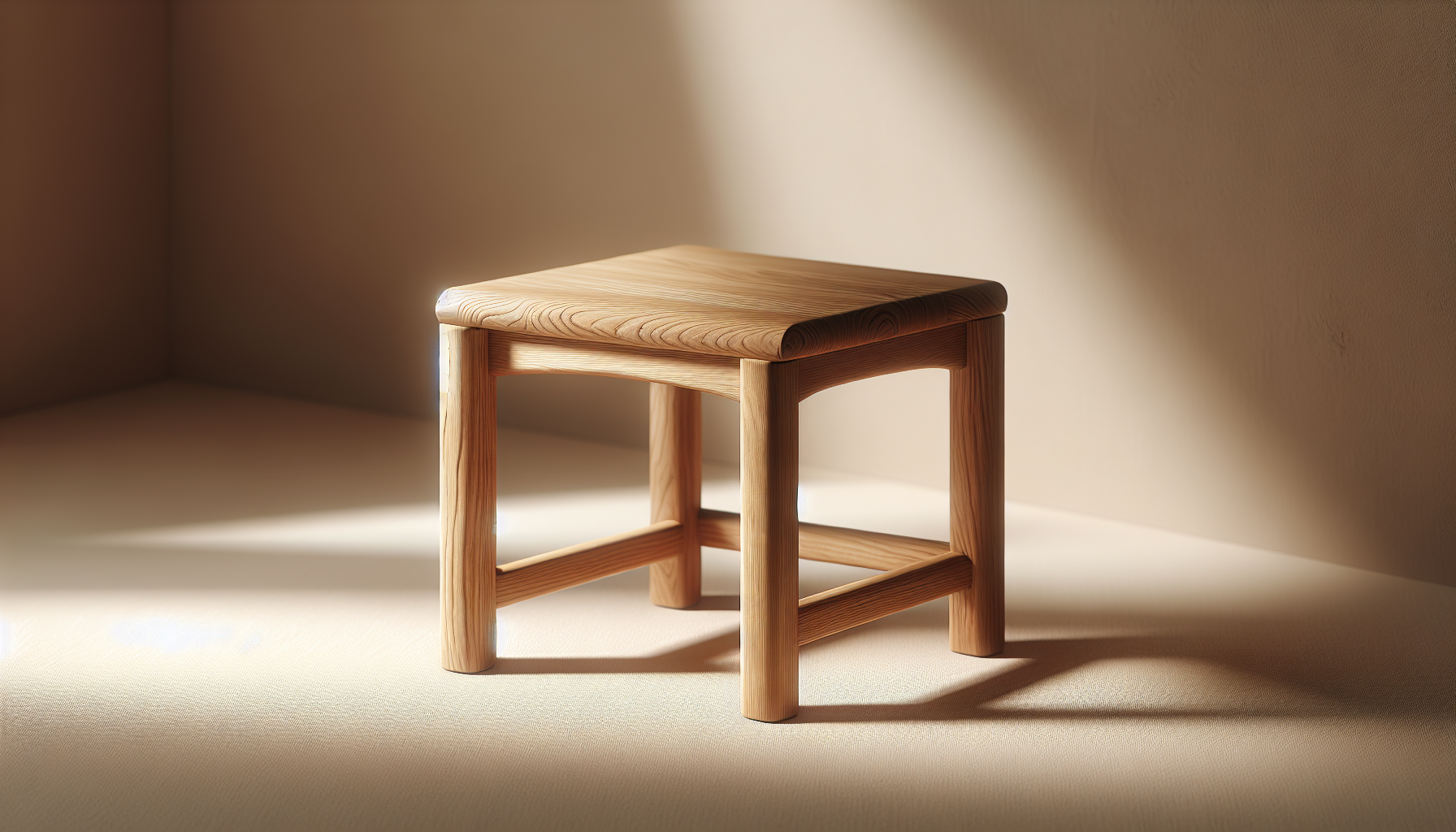
Have you ever wondered how a minimalist room can still feel cozy, inviting, and lived-in rather than cold and empty?
Think About How Minimalism Blends With Warmth
You’re looking at a design approach that balances restraint with comfort. This article explains how minimalism and warmth come together, focusing on Japandi—what it really means, where people misunderstand it, and how you can make it work in your home.
What people think Japandi really means
Many people assume Japandi is just a mash-up of Japanese minimalism and Scandinavian coziness, and while that’s partly true, it’s more nuanced. You’ll find that Japandi is a curated synthesis of philosophies, materials, and habits that prioritize function, simplicity, and tactile warmth.
What is Japandi?
You’ll often hear the term Japandi used to describe a style that looks both spare and snug. At its heart, Japandi combines Japanese wabi-sabi (beauty in imperfection and transience) with Scandinavian hygge (comfort and conviviality), while keeping furniture and layouts clean and purposeful.
Origins and cultural roots
You should know that Japandi is not an ancient school of design but a contemporary hybrid inspired by two deep design traditions. Scandinavian design evolved around functionality, natural light, and human-centered living; Japanese interiors evolved around impermanence, craftsmanship, and space efficiency. Together, they create a design language that emphasizes restraint, natural elements, and human comfort.
Common misconceptions
People often think Japandi means simply inserting a bamboo blind and a sheepskin rug into a room. That misses the point. You want cohesion, thoughtfulness, and respect for proportions more than a checklist of props.
Core principles: Minimalism plus warmth
You can apply a few core principles to merge minimalism with warmth successfully. Each principle provides both practical design decisions and a mindset shift that keeps your space functional and inviting.
Simplicity and purpose
You’ll find that every object should have a reason to be in the room. Simplicity doesn’t mean sterility; it means clarity of purpose so your space feels calm rather than cluttered.
Functionality and ergonomics
Design around how you live rather than how a photo looks. Prioritize comfort and usability: the right chair, reachable storage, sensible circulation paths.
Natural materials
You should choose materials that add warmth through texture and tone—wood, paper, stone, wool, and linen. Natural materials age well and introduce subtle visual interest without excess ornament.
Neutral palettes with layered tones
You’ll favor a base of neutral tones—muted greys, soft whites, warm beiges—then layer with richer neutrals like deep clay or indigo to add depth. The aim is a calm, cohesive color story.
Texture and tactility
Texture gives minimalism a human touch. You’ll blend smooth surfaces (polished wood, paper walls) with textured ones (handwoven rugs, rough ceramics) so the space invites touch and feels warm.
Craftsmanship and quality
Investing in a few well-made pieces gives your space soul. You’ll prefer objects with honest construction and visible joints or natural variation rather than mass-produced uniformity.
Wabi-sabi and hygge balance
You’ll appreciate the beauty of imperfection while creating cozy, comfortable moments. Wabi-sabi contributes authenticity; hygge provides comfort rituals like warm light and soft throws.
Visual vocabulary: Japanese vs Scandinavian features
A table helps you see which elements come from each tradition and how they contribute to warmth and minimalism.
| Feature | Japanese influence | Scandinavian influence | How it adds warmth |
|---|---|---|---|
| Form | Low-profile furniture, clean lines | Functional, sculptural furniture | Low furniture makes spaces feel intimate |
| Materials | Dark-stained or weathered wood, shōji paper, tatami | Light woods (pine, ash), natural textiles | Warm wood tones and textiles soften minimalism |
| Color | Muted, earthy tones (charcoal, indigo, rust) | Light neutrals (white, pale grey, pastel) | Layering creates depth without clutter |
| Textures | Rough ceramics, handwoven textiles | Knitted throws, wool rugs | Texture invites touch and comfort |
| Layout | Minimal ornament, negative space | Bright, airy layouts, emphasis on light | Space planning fosters calm and usability |
| Decoration | Single art piece, mindful objects | Functional decor, plants, small displays | Thoughtful objects add personality |
How minimalism blends with warmth: practical strategies
You’ll combine visual restraint and sensory richness through deliberate choices. The following strategies will help you achieve a balance that reads minimal but feels warm.
Start with a neutral base and add tactile layers
Begin with walls and large surfaces in neutral shades. Then add warmth through textiles, wood finishes, and ceramics so the base remains calm while layers provide comfort.
Choose wood finishes thoughtfully
You’ll mix light Scandinavian woods and darker Japanese tones. Use contrast intentionally—e.g., a Scandinavian pine table with an oiled walnut sideboard—to keep the palette interesting but cohesive.
Balance negative space with curated objects
Negative space is a tool, not a goal. You’ll leave breathing room around objects and arrange curated items so each one can be appreciated without crowding.
Warm lighting schemes
Lighting is crucial to make minimalist spaces inviting. Use warm color temperature bulbs (2700K–3000K), layered lighting (ambient, task, accent), and dimmers so you control mood.
Layer textures in small doses
You’ll add a knitted throw, a linen cushion, a rough ceramic vase—just enough texture that the room feels tactile and personal without becoming busy.
Functional decoration
Every decorative piece should also serve a purpose. Choose stacked ceramics that can be used, sculptural bowls for keys, or trays for remotes. Functional decor keeps clutter down while adding charm.
Room-by-room guidance
You’ll find that applying Japandi principles room-by-room makes changes manageable and clear. Here are practical tips for common rooms.
Living room
You’ll prioritize seating and flow. Opt for a low-profile sofa with a wooden frame, a simple coffee table, and one statement rug; add a couple of cushions in natural fibers and a soft throw for warmth.
Dining area
You want dining to be social and uncluttered. Choose a solid wood table, simple chairs, and minimal tabletop items—one centerpiece like a ceramic bowl or a small plant will do.
Kitchen
Functionality rules the kitchen. Use open shelving for a few attractive dishes and closed storage for the rest; incorporate warm wood accents and matte hardware to avoid a clinical feel.
Bedroom
You should aim for serenity. Keep bedding neutral and layered with textured fabrics, use a low wooden bedframe, and limit decor to a couple of calming pieces like a paper lantern or soft wall art.
Bathroom
You’ll want spa-like simplicity. Matte fixtures, natural stone or wood accents, and simple textiles like woven towels create a warm, minimal refuge.
Entryway
Make the entryway functional and inviting. Provide a bench, a simple coat rack, and a basket for shoes to keep the area tidy and hospitable.
Home office
You’ll design for clarity and comfort. Choose an ergonomic chair, a desk with clean lines, and storage that hides clutter; add a plant and soft task lighting to humanize the space.
Color palettes and how to use them
A soothing palette helps you keep minimalism and warmth balanced. Here are options and suggestions.
Core palettes
- Soft white + warm beige + light oak: bright, airy, cozy.
- Muted grey + charcoal + ash wood: calm with a modern edge.
- Pale clay + indigo accents + dark wood: earthy and layered.
How to apply color
You’ll use the lightest color on large surfaces, mid-tones on furniture, and darker accents sparingly to ground the room. Accent colors should be introduced through textiles or small decor pieces so they can be changed seasonally.
Materials and textures: a practical guide
You should choose materials that age well and bring tactile warmth. The table below gives you quick suggestions for pairing minimalism with inviting textures.
| Material | Where to use it | Why it adds warmth |
|---|---|---|
| Oak, ash, pine | Floors, tables, shelving | Natural grain and warm tones add comfort |
| Walnut, teak | Accent furniture, frames | Rich depth and patina over time |
| Linen | Curtains, cushions, bedding | Soft drape and breathable warmth |
| Wool | Rugs, throws | Insulating texture and tactile comfort |
| Ceramic | Vases, dishes | Handmade irregularities add character |
| Stone | Countertops, tiles | Tactile coolness balanced by warm wood |
| Paper | Lampshades, screens | Diffused warm light and softness |
| Rattan, bamboo | Baskets, light fixtures | Natural weave introduces texture |
Furniture choices and arrangement
You’ll select furniture that’s simple in silhouette but comfortable in use. Prioritize quality over quantity and consider scale carefully.
Selecting pieces
Choose low, simple profiles and avoid ornate legs or heavy ornamentation. A few well-made pieces that fit the scale of your room will serve better than many small items.
Arrangement principles
Arrange furniture to support conversation and movement. Keep pathways clear and align major pieces with natural sight lines, such as windows or architectural features.
Lighting: the warmth maker
Lighting can make or break the feeling of warmth in a minimalist space. Use layers to create a soft, inviting atmosphere.
Ambient lighting
You’ll provide soft overhead light to fill the room gently. Consider recessed fixtures or a discreet pendant with a warm bulb.
Task lighting
For reading or food prep, use focused light with adjustable arms so you get function without harshness.
Accent lighting
Highlight textured walls or a plant with a small spotlight or a table lamp to add depth and warmth.
Textiles and soft furnishings
Textiles are the fastest way to make a minimalist space feel warm. You’ll use them judiciously so they enhance rather than clutter.
Rug choices
You’ll pick a rug that anchors the seating area, ideally in natural fibers like wool or jute. Keep patterns subtle; texture is more important than bold prints.
Cushions and throws
Choose cushions in linen, cotton, or wool with muted hues. A couple of throws in chunky knit add tactile appeal.
Window treatments
You’ll prefer soft, translucent curtains for light diffusion, combined with blinds for privacy. Paper screens or shōji-inspired panels can provide warmth and soft light.
Plants and nature
Houseplants bring life and warmth without visual clutter when chosen carefully. Pick sculptural plants like fiddle-leaf fig, monstera, or small bonsai for a Japanese touch.
Placement tips
Place plants where they complement negative space—on a windowsill, a corner shelf, or a simple plant stand. Keep plant pots simple and coordinated with your overall palette.
Art and decoration
You’ll use art sparingly and intentionally. One or two pieces—like a framed ink print or a ceramic wall pocket—will have more impact than a gallery wall.
Choosing art
Prefer artworks with calm compositions and natural tones. Textural art, like woven pieces or paper collages, ties in well.
Display tips
Allow breathing room around artworks and use ledges or single hooks instead of cluttered frames. Rotate pieces seasonally to keep the space fresh.
Common mistakes and how to avoid them
You’ll likely run into a few pitfalls; here’s how to fix them.
Mistake: Sterile minimalism
If your space feels cold, add tactile textiles, warm lighting, or wood elements. A single rug or a table lamp can transform the ambiance.
Mistake: Over-accessorizing
If surfaces are crowded, pare back to a curated selection and store extras out of sight. Less display often reads as more intentional.
Mistake: Mismatched scales
If furniture scale is off, re-evaluate the largest pieces—sofas or tables—and replace or rearrange them. Proper scale is central to both comfort and visual harmony.
Mistake: Ignoring comfort
If the look compromises comfort, swap in more ergonomic seating or add a supportive cushion. Balance aesthetics and function.
Budget strategies
You can achieve Japandi warmth without a luxury budget by mixing investment pieces with affordable finds and DIY touches.
Where to invest
Spend more on a durable sofa, a dining table, or a quality rug—items you’ll use daily. These anchor the space and justify a higher cost.
Where to save
Save on decorative objects, small lighting, and seasonal textiles. Good thrift finds or handmade ceramics can be economical and authentic.
Thrifting and upcycling
You’ll find characterful pieces at flea markets—refinish a wooden table or reupholster a chair to fit your palette. Upcycling adds uniqueness and reduces waste.
Sustainability and ethical choices
You’ll align Japandi with sustainable habits by choosing locally-made items, natural materials, and long-lasting furniture. Prioritize repairable, timeless pieces over fast furniture.
Certifications and materials
Look for FSC-certified wood, organic textiles, and low-VOC finishes to reduce environmental impact. A simple check of provenance supports ethical production.
Cultural sensitivity
You’ll respect Japanese and Scandinavian traditions by learning a bit about their cultural contexts instead of appropriating superficial motifs. Use designs as inspiration, not caricature; credit influences where appropriate and avoid misusing sacred symbols.
Maintenance and routines
You’ll maintain calm by creating simple routines that keep clutter at bay.
Daily habits
Make the bed each morning, clear surfaces nightly, and return items to their home. These small habits maintain the clean look with minimal effort.
Weekly habits
Dust, vacuum, and wash textiles regularly. Rotate cushions and fluff rugs to maintain texture and comfort.
Seasonal refresh
Swap textiles seasonally—lighter linens in summer, wool in winter—and rotate decor to keep the space alive without accumulating items.
Styling checklist (table)
This checklist gives you a clear set of actions to apply Japandi principles quickly.
| Area | Action |
|---|---|
| Walls | Paint in a neutral tone; hang one curated art piece |
| Flooring | Use a single area rug to anchor seating |
| Seating | Choose low-profile, comfortable furniture |
| Lighting | Layer ambient, task, and accent lighting; use warm bulbs |
| Textiles | Introduce 2–3 textures (linen, wool, ceramic) |
| Surfaces | Keep tabletop decor to 2–3 meaningful items |
| Storage | Use closed storage for clutter, open shelves for curated items |
| Plants | Add 1–3 plants of different heights |
| Color | Limit palette to 3–5 harmonious neutrals/accents |
| Materials | Prioritize natural, tactile materials and craftsmanship |
Small projects you can do yourself
You’ll be able to implement Japandi touches with a few manageable projects.
Make a simple wooden bench
Build a low bench with an oiled finish—use it in the entry or at the foot of the bed. The bench adds both function and a warm material focus.
Revamp an old dresser
Sand and stain to a unified wood tone, replace knobs with simple pulls, and use it as a focal piece. A refinished piece can change the room’s feel dramatically.
Sew linen cushion covers
You’ll easily make cushion covers in a calm palette to layer textures and switch seasons. Linen breathes well and wears beautifully over time.
Case study examples (textual)
Reading step-by-step transformations can help you visualize changes.
Living room refresh
You replaced a bulky sectional with a low wooden sofa and a wool rug, removed excess side tables, added a single ceramic lamp and a fiddle-leaf fig. The room went from cluttered and heavy to airy, warm, and social.
Bedroom makeover
You painted walls a soft warm white, swapped patterned bedding for linen layers, introduced a walnut nightstand, and added a paper lantern. The room became calmer and more restorative.
Final practical tips
You’ll want to move slowly—one room at a time—and focus on reducing first, then adding the elements that bring warmth. Keep decisions intentional: ask whether each item serves function, adds comfort, or contributes to visual cohesion.
Quick recap
Start with a neutral base, add tactile layers, choose natural materials, control light, and curate objects. Mix the restraint of minimalism with the sensory richness of warm textures and wood to achieve a space that’s both calm and inviting.
You’ve now got the principles, practical steps, and troubleshooting tips to make a minimalist space feel genuinely warm. Take a single area, apply a few of these strategies, and enjoy how small adjustments can change the mood of your home.