
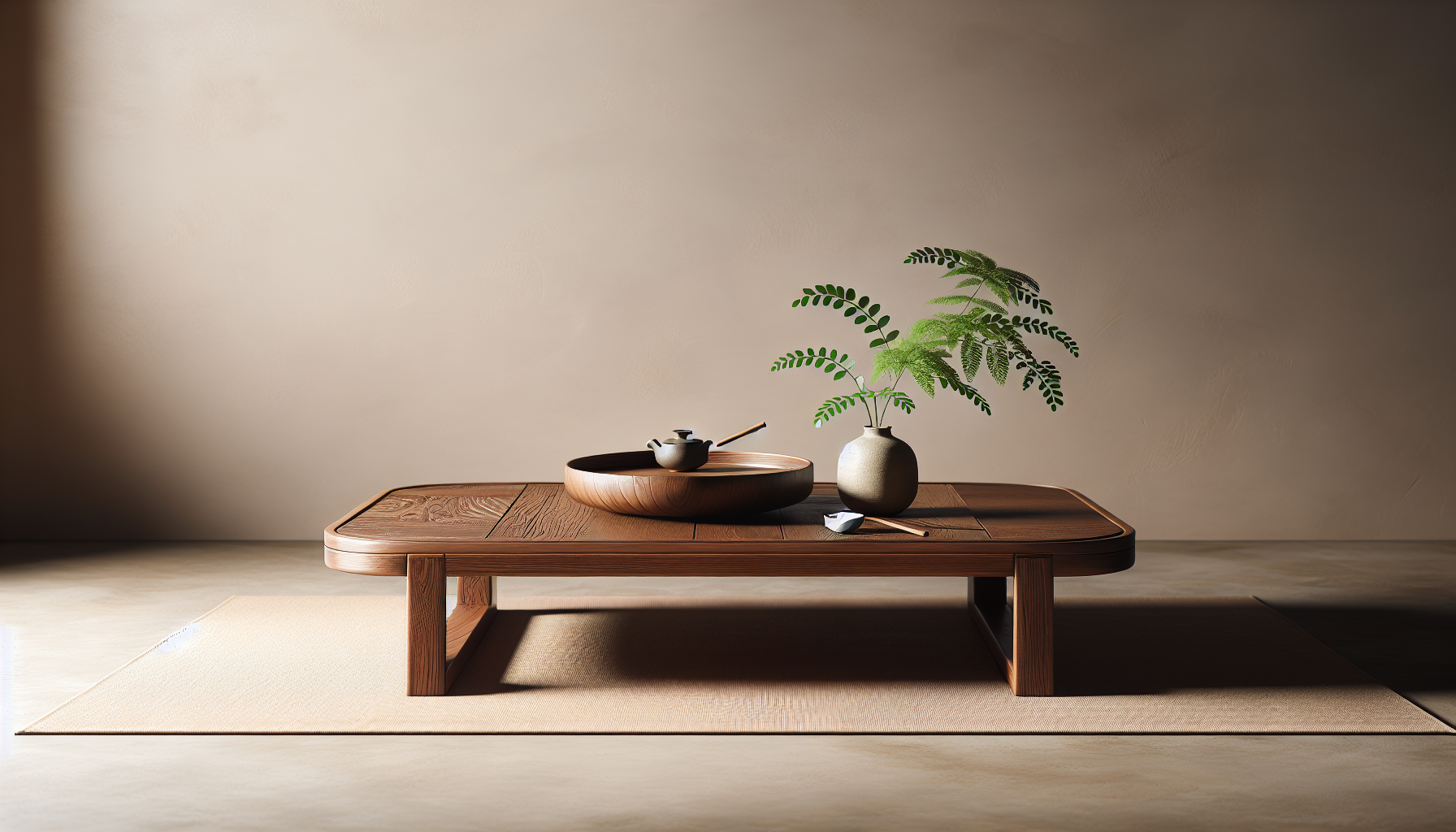
What if your living space could help foster a sense of calm while also encouraging you to be more thoughtful about what you bring into it? In a world where consumer choices feel overwhelming, the Japandi style offers a fresh perspective. It aligns beautifully with the principles of mindful consumerism, emphasizing quality over quantity, aesthetics that promote peace, and intentional living. Let’s uncover how embracing Japandi can support you in making more conscientious decisions about the items in your home.
What is Japandi?
Japandi is a harmonious blend of Japanese and Scandinavian design philosophies. It emphasizes simplicity, functionality, and natural beauty, making it an appealing choice for those looking to cultivate serenity in their living spaces. You can recognize Japandi through its minimalist approach, where each item has a purpose and contributes to a tranquil environment.
The Origins of Japandi
Both Japanese and Scandinavian designs focus on minimalism and functionality but stem from different cultural roots. Japanese design is influenced by Zen principles, which prioritize simplicity and a connection to nature. On the other hand, Scandinavian design is known for its practicality and warm, inviting aesthetics. When these two styles merge, you get Japandi—a serene and balanced interior that promotes mindfulness in both your living space and your consumption patterns.
Key Characteristics of Japandi
- Minimalism: Emphasizing less is more, Japandi decor often features clean lines and uncluttered spaces.
- Natural Materials: Wood, stone, and textiles made from natural fibers are commonly used to enhance tactile warmth and comfort.
- Neutral Color Palette: Colors like soft whites, beiges, and earthy tones create a calming environment.
- Functional Furniture: Every piece of furniture serves a purpose while simultaneously contributing to the visual aesthetics of the space.
By understanding these characteristics, you can begin to appreciate how Japandi can influence not just your décor but also your consumer habits.
The Connection Between Japandi and Mindful Consumerism
Mindful consumerism involves being intentional about what you purchase and understanding the impact of your choices on the environment and your well-being. Japandi aesthetics align perfectly with this mindset. By focusing on quality over quantity, you can curate a home that reflects your values and promotes a sustainable lifestyle.
Quality Over Quantity
One of the core tenets of Japandi is the idea that fewer, higher-quality items are preferable to a plethora of lower-quality possessions. This philosophy encourages you to consider each purchase carefully. Ask yourself if the item will enhance your life or your space.
Benefits of Prioritizing Quality
- Longevity: Quality items are typically made to withstand wear and tear, reducing the need for frequent replacements.
- Sustainability: Investing in well-made products often means supporting ethical production practices, which is better for the planet.
- Emotional Connection: When you love an item and appreciate its craftsmanship, you are less likely to view it as disposable.
Through this lens, every piece becomes a reflection of your personal values, adding to the overall aesthetic and emotional impact of your living environment.
Intentional Living Spaces
Japandi promotes the idea that your living environment should enhance your well-being. An intentional space is carefully curated to reflect your personal ethos and support mindfulness. Each object in your home should serve a purpose, whether functional or emotional.
Characteristics of an Intentional Space
| Characteristic | Description |
|---|---|
| Thoughtful Arrangement | Furniture and decor are arranged to promote ease of movement and comfort. |
| Personal Touches | Items that hold personal significance can create a deeper emotional connection to your space. |
| Clutter-free Zones | Maintaining a tidy environment reduces stress and invites tranquility. |
By creating an intentional space, you not only enhance your living conditions but also reinforce your commitment to mindful consumerism.
Why Choose Mindful Consumerism?
Incorporating mindful consumerism into your lifestyle offers several benefits. It encourages individuals to think critically about the items they acquire and how they contribute to overall well-being.
Environmental Impact
By embracing mindful consumerism, you contribute to environmental sustainability. Every item you choose impacts the planet, from resource extraction to production practices.
Reducing Waste
Opting for durable, timeless pieces means you’re less likely to contribute to a throwaway culture. Over time, this can significantly reduce your ecological footprint.
Emotional Well-being
Surrounding yourself with items that bring you joy, comfort, and peace can have a profound effect on your emotional health.
Creating a Sanctuary
Japandi encourages you to view your home as a sanctuary where you can retreat from the chaos of the outside world. When each item serves a purpose, you create a nurturing environment that enhances your quality of life.
Practical Tips for Embracing Japandi
Now that you understand the essence of Japandi and the principles of mindful consumerism, here are some practical tips to help you incorporate these ideas into your life.
Start with Decluttering
Before adding new pieces to your space, it’s essential to declutter. This process can be therapeutic and will help you see what truly matters.
Steps to Declutter
- Set Aside Time: Allocate specific timeframes for decluttering so it doesn’t feel overwhelming.
- Categorize Items: Group items into categories such as keep, donate, recycle, or discard.
- One Room at a Time: Focus on one room or area per session to keep the task manageable.
- Be Honest: Ask yourself whether each item serves a purpose or brings you joy.
Curate Mindfully
After decluttering, the next step is to be intentional about what you bring into your home.
Guidelines for Mindful Curation
- Research Brands: Look for companies that prioritize sustainability and ethical practices.
- Invest in Timeless Pieces: Choose designs that won’t go out of style quickly.
- Buy Second-hand When Possible: Vintage or second-hand items can add character and often come with a lower environmental cost.
Adopt a Mindful Purchasing Process
It’s vital to be intentional each time you consider a purchase.
Six Steps for Mindful Shopping
| Step | Action Step |
|---|---|
| 1. Identify a Need | Determine whether the item is necessary for your lifestyle. |
| 2. Research Options | Compare different products and brands, keeping ethical considerations in mind. |
| 3. Check Quality | Evaluate materials and craftsmanship to ensure durability. |
| 4. Reflect on Your Values | Consider whether the item aligns with your personal values and aesthetic. |
| 5. Visualize the Item | Picture the item in your space; if it doesn’t enhance your environment, reconsider. |
| 6. Take Your Time | Avoid impulse purchases. Give yourself a 24-hour rule before buying. |
By incorporating these steps into your purchasing routine, you can reduce cognitive overload and enhance your decision-making process.
Embracing Japandi Beyond Aesthetics
While the visual appeal of Japandi is undeniable, its true essence lies in fostering a mindful lifestyle. As you transform your space, consider how these principles can extend into other areas of your life.
Mindfulness in Daily Activities
You can apply the principles of Japandi to create a more mindful approach to everyday activities, such as cooking, cleaning, or even your morning routine.
Examples of Mindfulness in Daily Life
- Cooking with Intention: Focus on preparing meals with fresh, local ingredients. Embrace the process of cooking rather than viewing it as a chore.
- Mindful Cleaning: When you clean your space, use it as an opportunity to reflect and declutter mentally and emotionally.
- Simplifying Routines: Streamline your daily habits to incorporate moments of mindfulness and reduce stress.
Building Relationships Thoughtfully
Your commitment to mindful consumerism can also influence your relationships with friends, family, and the community.
Nurturing Meaningful Connections
- Quality Time: Opt for experiences over material gifts, such as sharing a meal or enjoying nature together.
- Support Local Businesses: Engage with your community by choosing local artisans and shops that align with mindful principles.
- Share Your Journey: Discuss the importance of mindful living and Japandi with your loved ones. Your passion can inspire them to be thoughtful consumers as well.
The Future of Mindful Consumerism
The growing trend towards sustainability and mindfulness highlights the significance of Japandi’s influence on lifestyle choices. As you cultivate your home, you are also contributing to a broader movement that encourages consumer awareness.
The Role of Technology
Technology can play a crucial role in supporting mindful consumerism. Online platforms can provide information on sustainable brands and allow for easier access to second-hand goods.
Useful Tools for Mindful Consumption
| Tool | Description |
|---|---|
| Sustainable Apps | Use apps that help you track your purchases and evaluate brands. |
| Online Thrift Stores | Websites offering second-hand items can reduce waste. |
| Community Forums | Engage in discussions about sustainability and share experiences. |
Community Awareness
As more people embrace these concepts, a community-focused approach to mindful living can emerge. Sharing resources, organizing workshops, or starting local initiatives can amplify the positive impact of mindful consumerism.
Final Thoughts
By embracing the essence of Japandi, you’re not just decorating your home; you’re making a lifestyle choice that reverberates through your everyday actions. Your journey towards mindful consumerism starts with creating spaces that promote intentionality and emotional connection.
Every piece in your home becomes a reflection of your values, empowering you to lead a more thoughtful and sustainable life. With each mindful choice, you’re nurturing not only your personal well-being but also the health of our planet. Embrace this journey, and you may find that it transforms both your space and your mind.
By fostering a culture of mindfulness and sustainability, you contribute to a legacy of conscientious living, encouraging others to partake in this meaningful endeavor. You don’t just create an aesthetic; you cultivate an environment that promotes personal and communal growth, paving the way for a brighter, more mindful future.