
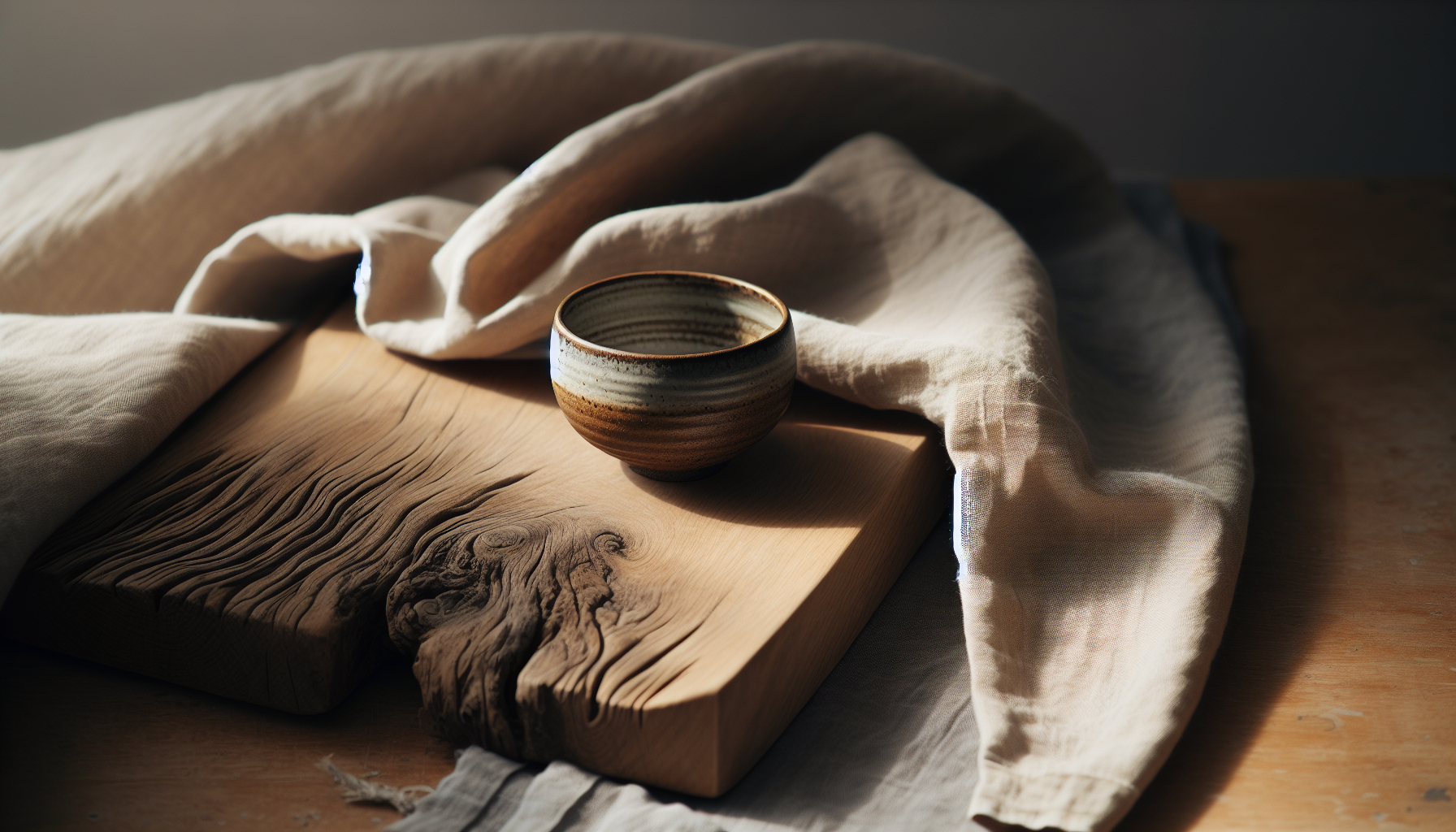
Have you ever noticed how some rooms make you breathe easier the moment you step inside?
The Calm Philosophy Behind Japandi Interiors
Japandi combines two distinct design cultures into a cohesive, calm aesthetic that feels both modern and timeless. You’ll find the quiet restraint of Japanese design blended with the warm functionality of Scandinavian style. This article will guide you through the philosophy behind Japandi, the practical principles you can apply in your own home, and room-by-room suggestions so you can create a soothing environment that supports daily life.
What is Japandi?
Japandi is a hybrid interior design style that blends Japanese minimalism and wabi-sabi with Scandinavian warmth and functionality. You’ll notice pared-down forms, natural materials, and an emphasis on craftsmanship. The result is a space that’s uncluttered yet inviting, restrained yet deeply comfortable.
Why people describe Japandi as “calm”
People associate Japandi with calm because it intentionally reduces visual and sensory noise. You’ll encounter fewer competing colors and patterns, furniture choices that respect negative space, and materials that bring subtle texture without overwhelming the senses. Together, these elements create an atmosphere that supports relaxation and clarity.
Origins and influences
Japandi emerged as a design trend in the late 2010s, but its roots go much deeper. The two primary influences are:
- Japanese design traditions: minimalism, wabi-sabi (beauty in imperfection), ma (use of empty space), and respect for natural materials.
- Scandinavian design philosophies: hygge-like comfort, functionalism, craftsmanship, and a light, neutral palette.
You’ll recognize historical continuity in each influence — Japanese tea houses, Zen philosophy, Bauhaus simplicity, and mid-century Scandinavian furniture all contribute to the look and mindset.
Core philosophical principles
Minimalism with meaning
In Japandi, minimalism isn’t about emptiness; it’s about purpose. You’ll prioritize items that have function and bring joy. Every piece should justify its place in the room.
Wabi-sabi appreciation
Wabi-sabi invites you to value imperfection and impermanence. You’ll choose materials with character — knots in wood, subtle glaze variations in ceramics — and accept natural aging as part of beauty.
Functionality and comfort
Scandinavian influence ensures you won’t sacrifice comfort or usability for aesthetics. Japandi spaces are designed to be lived in, so you’ll opt for ergonomics and tactile comfort.
Slow living and mindfulness
The calm of Japandi supports slow living habits: fewer distractions, more intentional activities, and an environment that supports rest and focus. You’ll notice it’s easier to practice mindfulness in a thoughtfully designed space.
Visual and material language
Color palette
Japandi palettes are subdued and harmonious. You’ll typically see:
- Neutrals: soft whites, beiges, creams, and warm greys.
- Muted earthy tones: clay, taupe, olive, and charcoal.
- Accent tones: deep indigo, black, or muted moss for contrast.
The goal is to create a backdrop that relaxes the eye and allows texture and form to shine.
Materials and textures
Natural materials form the backbone of Japandi interiors. You’ll choose tactile, honest materials that age gracefully:
- Woods: oak, ash, walnut, and bamboo with visible grain.
- Textiles: linen, cotton, wool, and hemp with natural weaves.
- Ceramics: matte or subtly glazed pottery with organic shapes.
- Stone: unpolished stone, concrete, or terrazzo in small doses.
- Metal: muted brass, blackened steel, or matte finishes.
Table: Materials, why they’re used, and application examples
| Material | Why it’s used | Typical application |
|---|---|---|
| Oak / Ash / Walnut | Warmth, visible grain, durability | Flooring, cabinetry, furniture |
| Bamboo | Lightness, sustainability, Japanese reference | Flooring, screens, accessories |
| Linen / Cotton / Wool | Breathability, texture, softness | Curtains, throws, cushions |
| Ceramic | Organic irregularities, tactility | Tableware, vases, tiles |
| Stone / Concrete | Grounding, natural variation | Countertops, accent surfaces |
| Muted metal (black/brass) | Subtle contrast, durability | Hardware, lighting, small furniture legs |
Forms and silhouettes
You’ll see clean lines with occasional rounded edges. Furniture tends to be low and grounded, often with visible joinery or tapered legs that convey lightness. Ornamentation is minimal; the shape and craftsmanship carry the aesthetic.
Spatial layout and negative space
The importance of ma (negative space)
Negative space is as important as objects. You’ll arrange furniture to allow breathing room, clear sightlines, and intentional focal points. This openness reduces cognitive load and creates calm.
Circulation and function
Design for how you actually move and use the space. You’ll position pieces so pathways are clear, surfaces are accessible, and daily routines are supported. Function informs placement, and beauty follows.
Lighting: natural and layered
Prioritize natural light
You’ll maximize natural light with unobstructed windows, light curtains, and reflective surfaces. Natural light enhances the muted palette and highlights materials’ textures.
Layered artificial lighting
For evenings and dim weather, use layered lighting: ambient (soft overhead), task (reading or work lamps), and accent (wall wash or picture lights). Warm color temperatures (2700K–3000K) create a cozy atmosphere.
Control and softness
You’ll add dimmers and adjustable fixtures to tune the mood. Soft, diffused light is key — avoid harsh, direct glare that disrupts calm.
Furniture choices and arrangement
Simplicity and proportion
Choose furniture with simple silhouettes and correct scale. You’ll avoid oversized pieces that dominate or tiny furniture that fragments the space. Proportion keeps the room feeling balanced.
Quality over quantity
Invest in durable, well-made pieces that age well. You’ll get more long-term satisfaction and fewer replacements when you prioritize craftsmanship.
Low-profile and multifunctional pieces
Low sofas, platform beds, and simple storage units support relaxed forms and visual openness. Multifunctionality is valued — pieces that hide clutter (e.g., ottomans with storage) maintain calm.
Textiles and soft furnishings
Layered textiles for warmth
Texture adds depth without adding visual noise. You’ll layer textiles — wool throws, linen cushions, and woven rugs — in a limited color range to create comfort.
Patterns used sparingly
Keep patterns minimal and subtle: simple stripes, small-scale geometrics, or nature-inspired motifs in muted tones. This maintains calm while adding interest.
Styling and accessories
Curate, don’t clutter
You’ll select a few meaningful decorative objects rather than many small items. A single ceramic vase, a woven basket, or a treasured book becomes more impactful in a calm setting.
Art and wall decor
Choose art with restrained palettes or abstract compositions that echo the room’s colors. You’ll leave space around art to let it breathe.
Natural accents
Bring in organic accents like branches, stones, or dried flowers. These add life without competing for attention.
Plants and biophilic elements
Plants are essential to Japandi because they connect interiors to nature. You’ll select plants with simple silhouettes — fiddle-leaf fig, rubber plant, snake plant, or small bonsai — and place them where they complement negative space. Planters in neutral materials help integrate greenery without disrupting the style.
Sustainability and ethical choices
Japandi aligns well with sustainable choices. You’ll prioritize durable materials, responsible sourcing, and locally made goods when possible. Repairing and reusing items supports the philosophy of less but better.
Room-by-room: How to apply Japandi
Living room
Focus on a comfortable, low-profile sofa or seating arrangement that encourages conversation and relaxation. You’ll use neutral upholstery, a wooden coffee table with simple lines, and one or two textured rugs layered for warmth. Keep surfaces uncluttered and provide storage solutions that hide everyday items.
Practical touches:
- Place a reading lamp with a warm glow near seating.
- Use a shallow console or tray to corral remotes and small items.
- Keep decorative objects to a few curated pieces.
Bedroom
The bedroom should function as a sanctuary. You’ll choose a low bed frame, natural-fiber bedding in muted tones, and minimal bedside tables. Soft layered lighting and blackout curtains help regulate sleep.
Practical touches:
- Add a bench or low shelf for clothing or a folded throw.
- Use breathable linens (linen/cotton) to maintain comfort.
- Limit electronics and visual clutter to promote rest.
Kitchen and dining
Keep cabinetry simple and functional with integrated hardware or subtle pulls. You’ll favor open shelving only where it looks tidy and displays essential ceramics. Dining should be about connection, so choose a wooden table with comfortable seating.
Practical touches:
- Store small appliances out of sight to reduce visual clutter.
- Use ceramic or wooden serving pieces that double as decor.
- Incorporate a small herb garden to bring freshness.
Bathroom
A calm bathroom pairs natural materials with clean lines. You’ll use stone or wood accents, neutral tiles, and soft textiles. Keep toiletries organized and out of direct view.
Practical touches:
- Install wall-mounted storage to free floor space.
- Use woven baskets for towels and toiletries.
- Keep the color scheme consistent with the rest of the home.
Home office and workspace
Your workspace should encourage focus. You’ll choose a simple desk, ergonomic seating, and effective task lighting. Keep the desk free of non-essential items and use cable management to reduce distractions.
Practical touches:
- Add a small plant for visual relief.
- Use closed storage for documents and supplies.
- Keep a neutral pinboard or minimal wall organizer for important notes.
Common mistakes to avoid
Over-minimalizing to the point of sterility
Removing too many objects can make a space feel cold. You’ll preserve warmth with textiles, wood tones, and a few personal objects.
Mixing too many colors or patterns
Japandi thrives on restraint. You’ll limit the palette to a few harmonizing hues and choose patterns that are subtle and repeat at different scales.
Ignoring scale and proportion
Furniture that’s too large or too small disrupts balance. You’ll measure and plan so pieces relate well to each other and the room.
Using shiny or overly high-gloss finishes
Glossy surfaces create visual tension in a Japandi context. You’ll prefer matte or softly finished materials that age gracefully.
Maintenance and longevity
Caring for natural materials
You’ll maintain wood with regular cleaning and occasional oiling, and follow care instructions for linen, wool, and leather. Natural materials improve with respectful maintenance.
Updating without discarding
When trends shift or wear appears, consider repairing or reupholstering rather than replacing. You’ll preserve value and maintain the calm aesthetic by refreshing pieces thoughtfully.
Budgeting and sourcing tips
Prioritize investment pieces
Invest in a few high-quality items (sofa, dining table, bed) that define the space. You’ll save money by choosing durable pieces that won’t need replacement.
Mix new and vintage
You’ll create depth by pairing new items with vintage or secondhand finds. Look for well-crafted pieces that show character rather than trends.
Where to look
- Local artisans and makers for unique woodwork and ceramics.
- Small-scale Scandinavian or Japanese-influenced brands for furniture.
- Secondhand markets and auctions for classic finds that fit the aesthetic.
A simple step-by-step plan to start your Japandi room
- Clarify purpose: Decide how you’ll use the room and what activities need support.
- Declutter: Remove non-essential items and organize what remains.
- Establish palette: Choose 2–3 base neutrals and 1–2 accent tones.
- Select anchor pieces: Pick your sofa/bed/table first, then complement with supporting furniture.
- Layer textures: Add rugs, throws, and cushions in natural fabrics.
- Add greenery: Introduce plants for life and scale.
- Edit: Remove anything that feels redundant or visually noisy.
Table: Quick room checklist for Japandi styling
| Room | Anchor pieces | Textures/Materials | Key tip |
|---|---|---|---|
| Living room | Low sofa, wooden coffee table | Wool rug, linen cushions, ceramic accessories | Keep surfaces clear; use hidden storage |
| Bedroom | Low bed frame, simple bedside tables | Linen bedding, wool throw | Limit tech and visual clutter |
| Kitchen | Solid wood table, simple cabinetry | Ceramic dishes, wooden utensils | Hide small appliances; display essentials neatly |
| Bathroom | Minimal vanity, open shelf or cabinet | Natural stone, woven baskets | Keep toiletries organized out of sight |
| Home office | Simple desk, ergonomic chair | Linen curtains, small plant | Use cable management and closed storage |
Case study examples (conceptual)
Small apartment living room
You’ll favor a light oak media console, a low charcoal sofa, and a textured jute rug. By removing unnecessary decor and placing a single sculptural lamp and a ceramic vase, you create a calm focal point. The room feels spacious and intentional despite limited square footage.
Family home dining area
You’ll choose a sturdy walnut table with mixed wood chairs and a bench for flexibility. Neutral linen table runners and simple ceramic dinnerware keep the surface calm. Open shelving is replaced with closed cabinetry to hide everyday items, maintaining an uncluttered look even with family life.
How Japandi supports well-being
Japandi isn’t just aesthetics — it’s about how the environment shapes your mood and behavior. You’ll experience less visual anxiety, easier cleaning and maintenance, and spaces that encourage presence and connection. The calming, ordered environment can reduce stress and make daily routines feel smoother.
Personalizing Japandi without losing calm
Add meaningful personal items
Keep a few personal objects that matter — family photos in simple frames, a travel memento, or a handcrafted bowl. You’ll ensure these items align with the palette and scale so they enhance rather than distract.
Slightly bolder accents with restraint
If you enjoy color, add it sparingly. A single deep blue cushion or a muted green vase can provide personality without disrupting calm.
Final considerations before you start
Measure your space carefully, set a clear budget, and prioritize function. You’ll find success by slowly collecting pieces that fit the Japandi ethos rather than rushing to fill a room. Patience aligns with the philosophy: choose items that you can live with and love over time.
Closing thoughts
If you’re aiming to create a calm, intentional home, Japandi offers clear principles that are easy to follow and adaptable to different budgets and floor plans. You’ll find a balance between restraint and warmth, form and function, simplicity and savoring the small imperfections that make a home feel human. Approach the process thoughtfully, and your space will reward you with lasting tranquility and quiet beauty.