
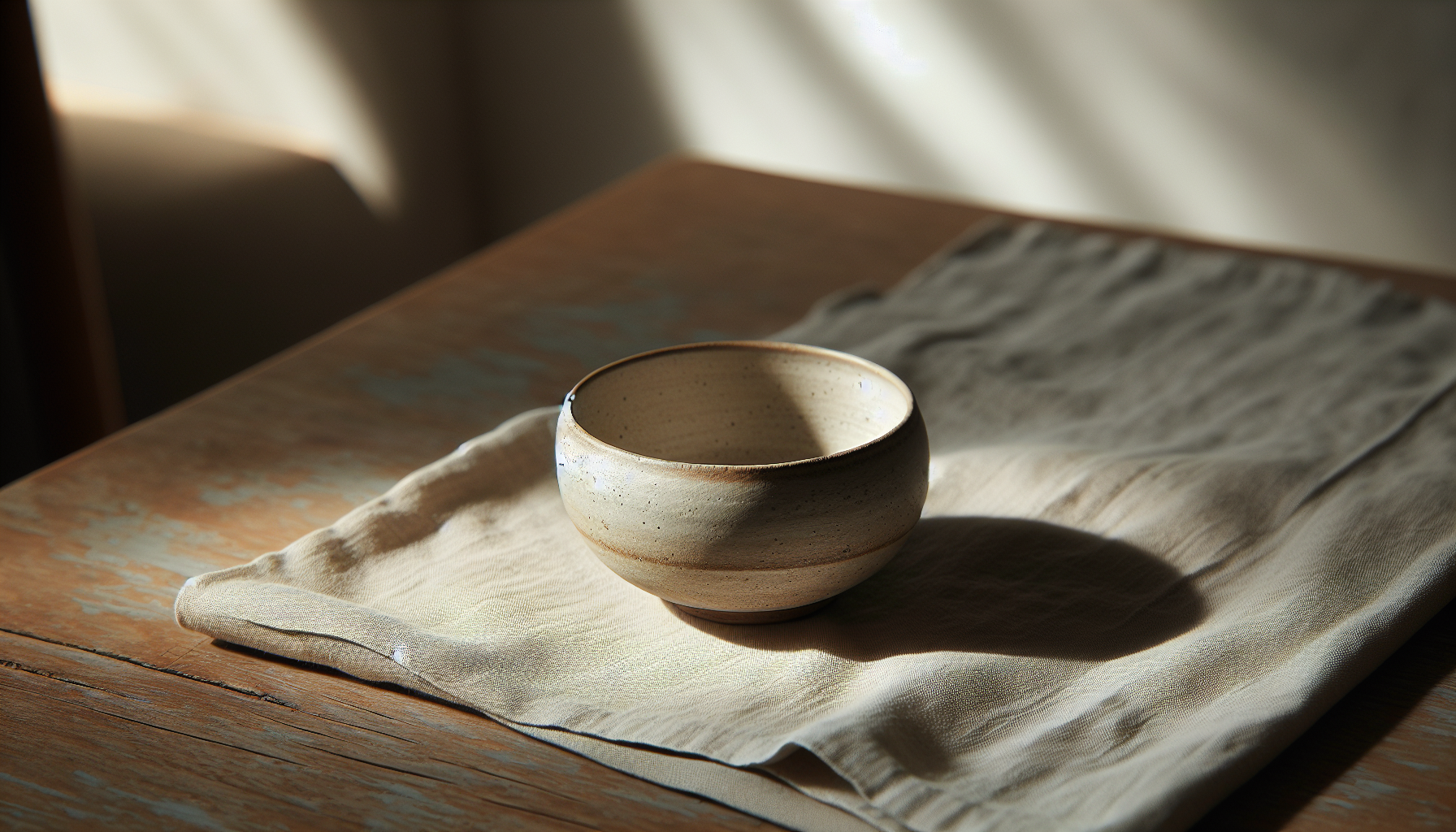
Have you ever stepped into a space and immediately felt calmer, as if the room itself was helping you breathe more easily?
Serenity at the Heart of Japandi Aesthetics
You’re about to learn why serenity is the core of Japandi aesthetics and how you can apply its principles to your home. This style blends the quiet restraint of Japanese design with the cozy simplicity of Scandinavian interiors, resulting in spaces that feel both peaceful and practical.
What Is Japandi?
You might already spot Japandi in magazines or on social feeds, but what exactly is it? Japandi combines two distinct design philosophies—Japanese minimalism and Scandinavian functionality—into a single, harmonious aesthetic. It values craftsmanship, natural materials, neutral tones, and intentional living, giving you spaces that are uncluttered, warm, and deeply calming.
Origins and Influences
You should know that Japandi is not just a trend; it’s a cultural synthesis. Japanese wabi-sabi contributes an appreciation for imperfection and transience, while Scandinavian hygge brings comfort and conviviality. Together, they create a design language that honors simplicity, texture, and purposeful beauty. Each influence adds a layer of serenity: Japan with quiet restraint, Scandinavia with inviting warmth.
Core Philosophy
You’ll notice the philosophy centers on restraint and presence. Japandi encourages you to keep only what matters, to emphasize quality over quantity, and to design spaces that support calm routines and mindful living. The ultimate goal is to make your home a sanctuary where form and function meet in tranquil balance.
Why Serenity Matters in Japandi
You may wonder why serenity takes precedence in this style. Serenity is the foundation because it shapes every decision—from color choices and materials to furniture and layout. Calm spaces reduce mental clutter, improve focus, and support well-being. When your environment is intentional and harmonious, daily life becomes less chaotic and more grounded.
Psychological Benefits
You’ll feel tangible mental benefits when you prioritize serenity. A serene environment can lower stress levels, enhance mood, and increase productivity. Visual simplicity helps your brain process less information, which reduces cognitive load and lets you relax more easily. In short, serenity supports a healthier mind.
Practical Benefits
You’ll also gain practical advantages. Serene spaces tend to be easier to clean, maintain, and organize. Function-driven design minimizes unnecessary items, saving you time and money. When furniture and objects are purposeful, the space becomes more adaptable and long-lasting.
Key Elements That Create Serenity
You’ll find that several recurring elements work together to produce the serene effect of Japandi. Each element contributes to a cohesive atmosphere that feels both warm and uncluttered.
Neutral Color Palette
You’ll want to focus on muted shades and natural hues. Pale whites, soft beiges, warm greys, and earthy tones form the backbone of Japandi color schemes. These colors create a calm backdrop that doesn’t compete for attention, allowing textures and forms to shine. A few darker accents—charcoal, deep green, or navy—can add depth without breaking serenity.
Natural Materials
You’ll be drawn to materials that age gracefully and evoke nature. Wood, bamboo, rattan, linen, and stone are staples. Wood provides warmth and tactile comfort, while stone introduces solidity and calm. Natural materials connect you to the outdoors, promoting a restorative atmosphere.
Clean Lines and Simple Forms
You’ll notice furniture with restrained silhouettes and functional shapes. Clean lines avoid visual noise and support a peaceful aesthetic. Simplicity in form helps every piece become intentional and uncluttered, which reinforces the overall sense of calm.
Texture and Layering
You’ll balance the neutral palette with subtle texture. Knitted throws, woven rugs, and grainy wood surfaces add tactile interest without overwhelming the eye. Texture creates depth and warmth, making minimalist spaces feel inviting rather than sterile.
Functional Minimalism
You’ll practice minimalism with a purpose. In Japandi, minimalism isn’t about emptiness; it’s about choosing items that serve a function and bring satisfaction. Each piece should have utility and aesthetic value, contributing to a focused and serene lifestyle.
Comparing Japanese and Scandinavian Contributions
When you’re blending two traditions, it helps to see what each brings to the table. The following table breaks down key qualities and how they combine in Japandi.
| Aspect | Japanese Influence | Scandinavian Influence | How It Shows in Japandi |
|---|---|---|---|
| Philosophy | Wabi-sabi: beauty in imperfection and transience | Hygge: coziness, well-being, communal comfort | Calm, imperfect but cozy spaces that feel lived-in and intentional |
| Materials | Bamboo, tatami, untreated wood, paper | Light woods, wool, leather, cotton | Natural, warm materials that age gracefully |
| Color | Muted neutrals, soft contrasts | Pale tones, soft pastels | Neutral base with warm and earthy accents |
| Furniture | Low-profile, floor seating, craftsmanship | Functional, ergonomic, modular | Simple, functional furniture with fine details |
| Ornamentation | Minimal, mindful use, cultural artifacts | Minimal but warm accents | Selective decor that feels personal and curated |
You’ll find the balance in this table helpful when deciding which elements to include in your space.
Designing a Serene Layout
You’ll need to think intentionally about spatial arrangement to maximize serenity. A calm layout makes navigation fluid and reduces visual congestion.
Embrace Open Space
You’ll benefit from leaving breathing room around furniture. Open space prevents visual clutter and helps you move without obstruction. Negative space becomes a design element that communicates calm and allows each object to exist purposefully.
Zoning for Function
You’ll create zones for different activities while maintaining visual continuity. Define areas for relaxation, work, dining, and storage. Use rugs, lighting, and furniture placement rather than partition walls to create separation. This keeps the space flexible and visually cohesive.
Proportions and Scale
You’ll choose furniture that fits the scale of the room. Oversized pieces can overwhelm and disrupt serenity, while too-small items can feel scattered. Aim for balanced proportions that anchor the room without consuming it.
Lighting That Supports Calm
You’ll find lighting plays a crucial role in mood. Soft, layered lighting fosters serenity more effectively than harsh overhead lights.
Natural Light Priority
You’ll prioritize natural light whenever possible. Clean window treatments—light linen or paper screens—allow daylight to filter in softly. Natural light highlights textures and keeps the palette from appearing flat. It also supports circadian rhythms, which helps you rest and feel more serene.
Warm, Layered Lighting
You’ll layer ambient, task, and accent lighting. Warm bulbs (2700K–3000K) create a cozy glow. Use floor lamps, table lamps, and wall-mounted fixtures to soften corners and create depth. Dimmable options let you adjust brightness based on time of day and activity.
Furnishing with Intention
You’ll approach furniture choices thoughtfully, balancing comfort with clean aesthetics. Choose pieces that feel both functional and beautiful.
Key Furniture Pieces
You’ll prioritize a few high-quality essentials rather than filling the room. A comfortable sofa with simple lines, a solid wood dining table, and practical storage units will form the backbone of your design. Choose items with natural materials and craftsmanship that age well.
Multi-Functional Elements
You’ll pick furniture that adapts to your needs. Storage benches, nesting tables, and seating with built-in storage help maintain minimalism without sacrificing use. Multi-functionality supports the calm principle by reducing the number of items needed.
Textiles and Soft Furnishings
You’ll use textiles to add warmth and tactile interest. Soft materials can turn a minimalist room into a comfortable retreat.
Fabrics to Choose
You’ll gravitate toward linen, cotton, wool, and silk blends. These materials feel natural and breathable, and they often soften over time. Stick to neutral or muted patterns—if any—that complement the overall palette.
Pattern Use
You’ll use patterns sparingly. Subtle geometric or organic motifs can add visual interest while preserving serenity. Keep patterns small in scale and limited to accent pieces like throw pillows or small rugs.
Nature and Greenery
You’ll bring nature indoors to reinforce serenity. Plants add life, improve air quality, and introduce calming organic shapes.
Plant Selection
You’ll choose low-maintenance plants that suit your light conditions. Snake plants, pothos, ficus, and bonsai are popular Japandi choices. Each plant can act as a sculptural element, offering texture and a sense of calm.
Placement and Pot Choices
You’ll place plants thoughtfully to maintain balance. Use simple, neutral pots—clay, stone, or muted ceramics—that fit the aesthetic. Group plants in odd numbers for visual interest and ensure they have room to breathe.
Color Palette in Detail
You’ll benefit from a clear color strategy to maintain serenity. A cohesive palette helps the space feel unified and restful.
Base Colors
You’ll start with a neutral base: off-white, soft taupe, or light grey. These colors form a tranquil canvas that allows furniture and textures to stand out.
Accent Colors
You’ll apply accents sparingly—muted greens, deep blues, clay tones, or charcoal. Accents should enhance the mood without overpowering the space. Use them in textiles, ceramics, or a single statement piece.
Contrast and Balance
You’ll balance light and dark elements to avoid a washed-out look. A charcoal lamp or dark wood frame can anchor the room. The contrast should be gentle, maintaining a peaceful balance.
Texture, Material Care, and Aging Gracefully
You’ll choose materials that develop character over time. Care is part of honoring the material’s natural beauty.
Patina and Imperfection
You’ll accept wear and imperfection as part of the design. Patina—scratches on wood, softening of leather—adds history and warmth. This approach aligns with wabi-sabi, where imperfection is valued.
Maintenance Tips
You’ll care for materials with simple routines: regular dusting, gentle cleaning for textiles, and occasional oiling for wood. Avoid harsh chemicals and let materials mature naturally. Proper care keeps the serenity intact without excessive effort.
Creating Rituals and Intentional Use of Space
You’ll transform your environment into a place that supports daily rituals. Thoughtful routines reinforce the serene atmosphere.
Daily Habits
You’ll practice small rituals: morning light exposure by a favored chair, a simple tea ceremony at a low table, or an evening wind-down with soft lighting. These actions make your environment feel meaningful.
Decluttering Routines
You’ll adopt mild decluttering habits that prevent accumulation. Quick daily resets and monthly reviews keep the space uncluttered and calming. Intentional storage solutions make it easy to maintain order.
Common Mistakes to Avoid
You’ll save time and frustration by avoiding frequent missteps. These mistakes can compromise serenity quickly.
Overfilling the Space
You’ll resist filling every surface and corner. Too many items create visual noise and undermine calm. Keep the focus on quality pieces and open areas.
Ignoring Scale and Proportion
You’ll avoid oversized furniture in small rooms and tiny pieces in large rooms. Mismatched scales disrupt the harmony and make the room feel awkward rather than calming.
Too Many Patterns or Colors
You’ll steer clear of competing patterns and loud colors. Overuse fragments the visual field and makes relaxation harder. A restrained palette and selective pattern use maintain serenity.
Sustainability and Longevity
You’ll want your serene space to be friendly to both you and the planet. Japandi values longevity and sustainable choices.
Choose Durable Materials
You’ll pick materials that last and age gracefully rather than fast, cheap alternatives. Solid wood, natural textiles, and handcrafted items often have lower environmental impact over their lifecycle. Investing in longevity reduces waste and supports sustainability.
Buy Less, Choose Well
You’ll follow a principle of mindful acquisition: buy fewer pieces but choose higher quality. This reduces clutter and often leads to better overall comfort and satisfaction.
Practical Checklist for Creating a Japandi Space
You’ll find a clear checklist useful when applying the style. Use this as a guide while planning and purchasing.
| Task | Action |
|---|---|
| Palette | Select a neutral base and 1–2 muted accents |
| Materials | Choose natural woods, linens, and stone |
| Furniture | Invest in a few high-quality, functional pieces |
| Lighting | Prioritize natural light and layered warm lighting |
| Textiles | Add texture with natural fabrics and woven rugs |
| Plants | Add low-maintenance greenery in neutral pots |
| Declutter | Implement daily reset and storage solutions |
| Maintenance | Use gentle cleaning and regular care for materials |
| Sustainability | Prefer durable items and local craftsmanship |
You’ll use this checklist to keep your design choices aligned with the Japandi ethos.
Room-by-Room Suggestions
You’ll get more tangible ideas by applying Japandi principles to specific rooms. Each space has its own needs but the same calm foundation.
Living Room
You’ll prioritize a comfortable seating arrangement with a low-profile sofa and a wooden coffee table. Keep accessories minimal—one or two pieces of art, a textured rug, and carefully placed plants. The goal is an inviting area for rest and conversation.
Dining Area
You’ll choose a sturdy wooden table with simple chairs. Let the table be the focal point and keep linens and tableware muted. A single pendant light with warm illumination creates a cozy dining ambiance.
Bedroom
You’ll use a soft, neutral palette and prioritize quality bedding. Keep bedside surfaces minimal—a lamp, a book, and perhaps a small plant. Low furniture and gentle textiles encourage restful sleep and a sense of sanctuary.
Home Office
You’ll keep your workspace uncluttered with built-in storage and a comfortable chair. Use task lighting and position the desk to receive natural light if possible. A calm workspace improves concentration and reduces stress.
Styling Tips and Final Touches
You’ll want your space to feel curated, not staged. Small finishing touches can elevate serenity without clutter.
Art and Objects
You’ll select a few meaningful objects or pieces of art. Choose work that resonates with you and complements the palette. Leave breathing room around art—negative space enhances impact.
Mirrors and Reflections
You’ll use mirrors sparingly to enhance light and sense of space. A simple framed mirror can make a room feel larger and reflect natural light, furthering the calm atmosphere.
Scent and Sound
You’ll consider soft scents like linen, cedar, or light citrus to encourage relaxation. Gentle background sounds—like a small fountain or soft instrumental music—can augment serenity without distracting.
Final Thoughts
You’ll find that creating serenity with Japandi aesthetics is more than a decorating style—it’s a way to shape everyday life. By choosing simplicity, natural materials, and intentional objects, you create a home that supports calm, clarity, and well-being. Start small, prioritize quality, and let the space evolve with you. Over time, the quiet harmony of Japandi will transform your routines and how you feel in your own home.