
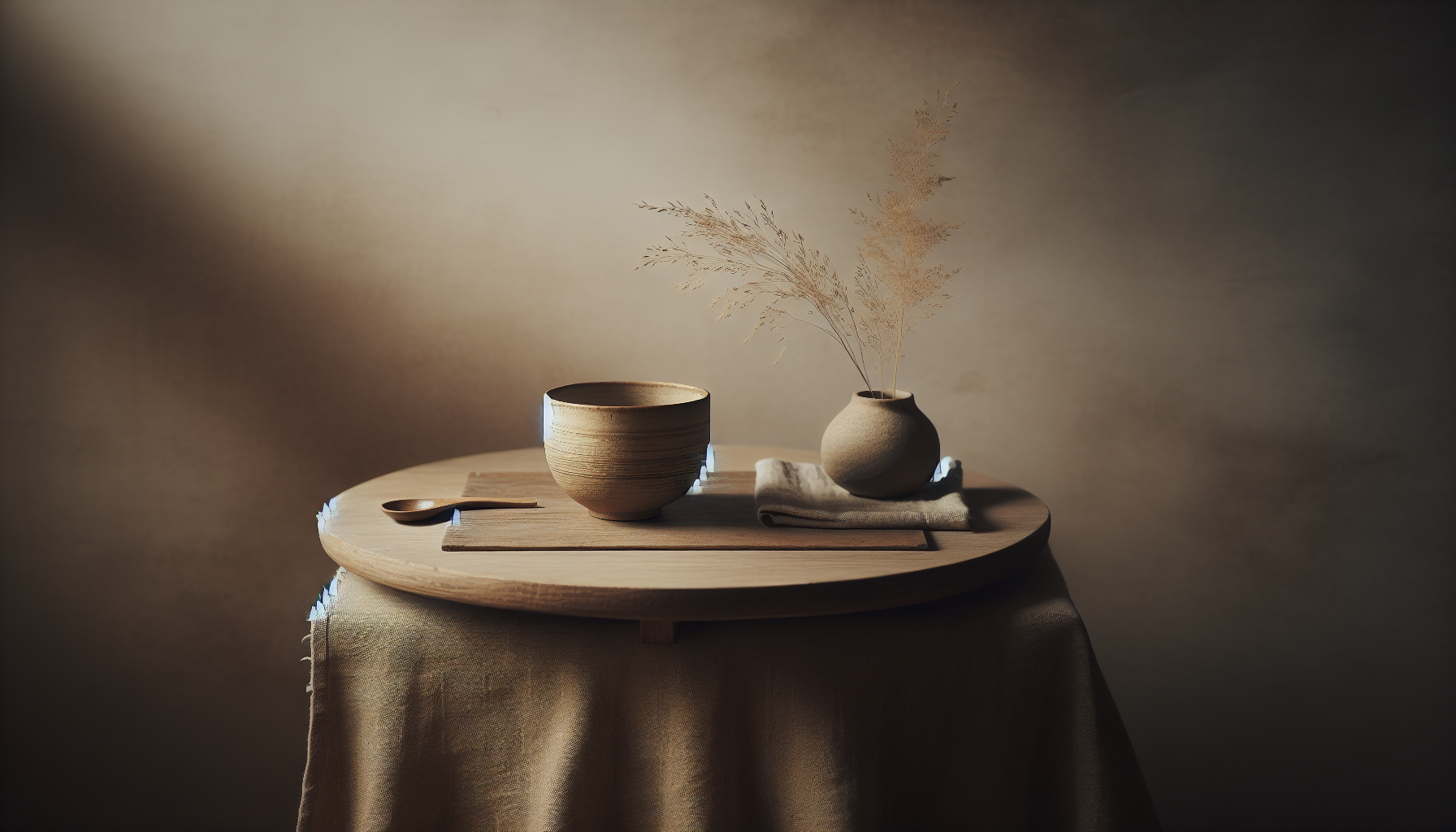
Have you ever wondered whether Japandi is a lifestyle or just a style?
See how Japandi blurs the line between style and lifestyle
You’re about to get a thorough look at Japandi, how it came to be, what it looks like in practice, and whether it’s an aesthetic you adopt only for surfaces or a way of living that changes daily habits. The goal is to help you decide how deeply you want Japandi to influence your home and routine — and to give you practical steps to apply it in ways that feel authentic to you.
What is Japandi?
You’ll find the term “Japandi” used to name a hybrid design language that fuses Scandinavian minimalism with Japanese wabi-sabi sensibilities. At its core, it values purposeful design, natural materials, restrained color palettes, and an appreciation for the beauty in imperfection. That combination produces interiors that feel calm, curated, and livable at the same time.
How Japandi developed
Japandi emerged as designers and homeowners started to notice the shared values between Japanese and Scandinavian design: functional simplicity, craftsmanship, and a connection to nature. Over the last decade, those overlaps have been emphasized in popular media and social platforms, turning what started as design parity into a distinct, named aesthetic. You’ll see it used for interiors, product design, and lifestyle content.
Why it resonates now
You likely sense a cultural appetite for slower, less cluttered living. In busy times, spaces that offer visual calm and functional efficiency can feel restorative. Japandi resonates because it provides structure without stiffness — a balance between refined restraint and warm comfort. If you want a home that supports slower rhythms, Japandi gives a visual and practical framework to build around.
Origins: Scandinavian and Japanese influences
Understanding each parent tradition helps you see why Japandi feels cohesive rather than random. You’ll discover what each contributes and how they harmonize.
Scandinavian design: function, light, and warmth
Scandinavian design emphasizes functionality, clean lines, and maximizing natural light. You’ll notice pale woods, light color schemes, and an emphasis on cozy textiles to counter long, cold winters. The Scandinavian aesthetic brings a sense of warmth and human comfort to Japandi’s foundation.
Japanese design: restraint, craftsmanship, and wabi-sabi
Japanese design centers on refinement, careful craftsmanship, and the aesthetic of wabi-sabi — finding beauty in imperfection, transience, and simplicity. You’ll notice darker woods, low-profile furniture, and an emphasis on negative space (ma) that allows objects and light to breathe. This contributes Japandi’s quiet, contemplative aspect.
How they merged into Japandi
When the two merged, designers began pairing Scandinavian lightness with Japanese materiality and composure. The result is a balanced aesthetic: Scandi warmth tempers Japanese austerity, and Japanese precision adds depth to Scandinavian minimalism. You’ll find interiors that feel both cozy and composed.
Core principles of Japandi
If you want to apply Japandi thoughtfully, these core principles will guide your decisions. Each one affects not only what you choose but how you use and care for objects.
Simplicity and purposeful design
You’ll aim to keep only what you need and what brings value. Every object should have a function or emotional worth. Simplicity here isn’t austerity; it’s clarity.
Natural materials and craftsmanship
You should prioritize wood, stone, ceramics, linen, and paper. Quality and longevity matter more than trends. Handmade or well-crafted items are preferred because they age gracefully and tell a story.
Neutral palettes with contrast
Expect muted base colors (creams, warm whites, soft grays) paired with accents of deep, earthy tones or black. This limited palette creates calm visual continuity while allowing contrast to highlight texture and form.
Balance of minimalism and comfort
You’ll balance clean, uncluttered spaces with tactile elements — soft throws, woven rugs, and comfortable seating. The goal is livability; minimalism is applied to enhance daily comfort, not deny it.
Wabi-sabi acceptance of imperfection
You’ll accept and sometimes highlight imperfection: repair marks, hand-thrown ceramics, knots in wood. These details add warmth and authenticity rather than undermine design integrity.
Visual elements: what you’ll actually see
Knowing the visual vocabulary helps you identify or build Japandi spaces. These elements form the signature look.
Color palette
Japandi relies on neutral bases: warm whites, soft beiges, muted grays, and pale taupes. Accent colors are deep greens, indigo, charcoal, or earthy terracotta. You’ll use color sparingly to anchor spaces without overwhelming them.
Materials and textures
Wood (both light Scandinavian birch/ash and darker Japanese walnut/teak), stone, linen, wool, and ceramics are staples. You’ll mix smooth surfaces with raw textures to create tactile contrast and visual interest.
Furniture silhouettes
Expect low-profile, clean-lined sofas and chairs, tapered legs, and simple forms. You’ll find multifunctional pieces and furniture that emphasizes proportion over ornamentation.
Lighting and natural light
You should prioritize natural light when possible and pair it with warm, understated lighting fixtures. Paper lanterns, pendant lights with organic shapes, and minimalist sconces work well.
Accessories and art
Accessories are minimal and intentional — a single ceramic vase, a few curated books, or a simple arrangement of branches. You’ll favor art that’s quiet and contemplative rather than loud or overly decorative.
Comparing Scandinavian, Japanese, and Japandi
This table helps you understand differences and overlaps so you can be intentional when choosing elements.
| Feature | Scandinavian | Japanese | Japandi (Hybrid) |
|---|---|---|---|
| Color palette | Light, airy, pale tones | Muted, natural, darker accents | Neutral base with warm accents and deeper tones |
| Wood tone | Light (ash, birch) | Medium to dark (teak, walnut) | Mix of light and dark woods for contrast |
| Ornamentation | Minimal, cozy textiles | Minimal, refined details | Minimal with crafted imperfections |
| Comfort approach | Hygge (coziness) | Ma and wabi-sabi (space & imperfection) | Warm, simple comfort with calm restraint |
| Objects | Functional, modern | Handcrafted, ritualistic | Functional, crafted, purposeful |
| Spatial feel | Bright, airy | Calm, contemplative | Balanced, warm yet composed |
Is Japandi a style or a lifestyle?
You’re likely asking this question because design choices can either be surface-level or change the way you live. The short answer is: Japandi can be either, but it’s uniquely suited to become a lifestyle if you want it to.
When it’s a style only
You’ll treat Japandi as a style when you adopt its visual cues — furniture shapes, color palette, textures — without changing daily habits. In this case, Japandi becomes a design layer that looks cohesive but doesn’t change routines like consumption, object care, or spatial use.
When it becomes a lifestyle
Japandi becomes a lifestyle when you internalize the underlying values: intentional consumption, repair and care, slower rhythms, and mindful use of space. You’ll notice changes in how you shop, how you maintain possessions, and how you arrange daily life to prioritize calm and utility.
How it blurs the line
The aesthetic informs habits and vice versa. Once you design a calmer, simpler space, you may find you naturally adopt slower routines, buy fewer unnecessary items, and place more value on quality. Conversely, if you already value minimalism and craftsmanship, you’ll likely express those values visually through Japandi. Because the appearance and the practices reinforce each other, Japandi blurs the line between style and lifestyle.
How Japandi influences daily living
You’ll find that adopting Japandi affects specific areas of life — not just how your home looks but how you use it.
Routines and rhythms
You may start prioritizing slower mornings, mindful meals, and uncluttered evenings. Those rhythms arise from keeping spaces clear and functional, which supports calmer behavior.
Consumption and purchasing habits
You’ll likely shift toward buying fewer, higher-quality items that last. You may also prioritize local artisans, secondhand finds, and sustainable materials. This reduces impulse purchases and increases intent behind each item.
Care and maintenance
When you select natural materials and crafted objects, you’ll invest time in caring for them. You’ll learn basic repairs, gentle cleaning methods, and seasonal care to ensure longevity.
Hosting and social life
Your hosting style may become more considered and intimate. Instead of large, ostentatious gatherings, you might favor small meals, carefully composed settings, and a focus on meaningful conversation.
Work and productivity
A calmer environment often supports clearer thinking. You might arrange a simple, uncluttered workspace that encourages focus and reduces decision fatigue.
Room-by-room guidance
You’ll appreciate practical, actionable tips for applying Japandi in different rooms. Each section gives a short strategy you can use immediately.
Living room
Keep furniture low and proportionate. Choose a simple sofa with linen upholstery, a wooden coffee table, and a textured rug. You’ll leave surface clutter to a minimum and add a few meaningful objects to anchor the room.
Bedroom
Focus on restful materials: linen sheets, a solid wood bed frame, and soft layered lighting. You’ll remove unnecessary furniture to give the room breathing space, valuing calm over display.
Kitchen
Prioritize functional storage and durable materials: stone counters, wooden cutting boards, ceramic bowls. You’ll keep countertops largely clear, storing appliances and utensils out of sight to maintain visual calm.
Dining area
Choose a wooden table with simple lines and comfortable chairs. You’ll use neutral tableware and perhaps a single ceramic centerpiece or handcrafted pitcher for serving.
Bathroom
Use natural stone, wood accents, and soft, warm lighting. You’ll keep toiletries organized and limit decorative items to a small selection of tactile objects like a wooden tray or a ceramic soap dish.
Workspace / Home office
Create a streamlined desk setup with only essential tools visible. You’ll favor ergonomic, simple furniture and good natural light to support focus and balance.
Entryway
Design a functional, minimal entry with a bench, hooks, and a small tray or bowl for keys. You’ll use this space to establish the tone of your home and reduce clutter accumulation.
Practical steps to adopt Japandi
If you want to transition beyond surface styling, follow these pragmatic steps.
Edit and declutter with purpose
Start by evaluating items for function and meaning. You’ll keep what you use or love; let go of duplicates, things that don’t serve your life, or items that add visual noise. Editing is ongoing — not a one-time purge.
Prioritize quality over quantity
Choose pieces that are durable and well-made. You’ll invest where it matters (e.g., sofa, bed, dining table) and be willing to save on items that are easily replaced.
Mix woods and textures thoughtfully
Combine light and dark woods for balance. You’ll add textiles — linen throws, wool rugs — to create warmth and depth without clutter.
Limit the palette for coherence
Stick to a narrow color scheme and allow tactile contrast to do the heavy lifting. You’ll use one or two accent colors maximum to maintain calm.
Embrace imperfection
Accept small flaws in handcrafted items. You’ll see them as character rather than defects, and that perspective will change what you keep and what you discard.
Curate, don’t stage
Arrange items so they’re used and enjoyed daily, not artificially placed for photos. You’ll ensure the space supports your life rather than a picture-perfect moment.
Case studies: real-world adaptations
These short scenarios show how Japandi can be tailored to different living situations.
Small apartment
You’ll maximize multifunctional furniture — nested tables, benches with storage, and foldable dining surfaces. Keep vertical storage neat and use low-profile seating to maintain openness. A few handcrafted objects make the space feel personal without overcrowding.
Family home
You can keep durability front and center: stain-resistant textiles, solid wood tables, and easy-to-clean finishes. You’ll balance minimalism with family needs by choosing sturdy, timeless pieces and designated zones for toys or activities.
Rental-friendly adoption
You’ll apply Japandi through textiles, lighting, and furniture that don’t require permanent changes. Use rented-friendly shelving, removable hooks, and freestanding room dividers. Soft furnishings and tabletop objects can transform the look without violating lease terms.
Common misconceptions and how to avoid pitfalls
Be wary of traps that can make Japandi feel inaccessible or cold.
Misconception: Japandi is clinical
If you approach it as strict minimalism with no warmth, the result will feel sterile. You should add soft textiles, warm lighting, and personal objects to maintain livability.
Misconception: It requires expensive pieces
You don’t need to spend a fortune. You can mix affordable, well-chosen items with a few investment pieces. Look for secondhand finds and local artisans.
Misconception: Japandi is only for certain climates
Japandi works anywhere because it’s about proportion, light, and material, not a specific weather condition. You’ll adapt materials and textiles to your local climate while keeping the principles intact.
Pitfall: Overstyling for photos
Don’t design for images alone. You’ll ensure the home supports real life: storage for daily use, comfortable seating, and accessible surfaces.
Pitfall: Losing personality
Minimalism can sometimes erase individuality. You’ll keep a few meaningful objects and artworks that tell your story while maintaining the overall restraint.
Shopping and budget strategies
You’ll want a practical plan to acquire pieces without overspending.
Splurge vs save
Spare your budget for long-term pieces that affect comfort and function (sofa, bed, dining table). Save on decorative items, lighting, and small storage solutions that can be swapped over time.
Where to buy
Look for local craftsmen, independent furniture stores, and curated secondhand markets. You’ll find unique, well-made items that fit Japandi’s philosophy better than mass-produced decorative items.
DIY and refurbishment
You can refinish thrifted wood, sew simple cushion covers from linen, or repaint supported furniture to fit your palette. You’ll save money and gain pieces with a personal touch.
Maintenance and longevity
If you want Japandi to be a lifestyle, caring for items and space is essential.
Caring for natural materials
You’ll oil wood periodically, treat linen gently, and follow manufacturer instructions for ceramics and stones. Proper maintenance preserves beauty and extends lifespan.
Seasonal refreshes
Rotate textiles by season — heavier wool in winter, linen in summer — rather than replacing whole rooms. You’ll change small elements to renew the atmosphere without consuming more.
Repair and reuse
You’ll fix rather than discard when possible: reupholster a chair, re-glue joints, or repurpose objects. Repair is both practical and aligned with Japandi values.
Integrating mindfulness and rituals
If you want Japandi to genuinely change your life, add simple rituals that align with its principles.
Morning and evening routines
Create calm starts and ends: make your bed mindfully, prepare a simple breakfast and sit at the table, or do a short tidy before bed. These rituals help the environment stay uncluttered and support mental clarity.
Slow meals
You’ll embrace slower, simpler meals enjoyed with mindful attention. Use quality tableware and create a quiet dining atmosphere rather than rushing through eating.
Seasonal clearing
Every season, do a light edit to reassess what you own and what you need. This keeps accumulation in check and helps you stay intentional.
Frequently asked questions
These FAQs answer common doubts when you’re deciding how far to take Japandi.
Q: Can Japandi work in a very small space? A: Yes. Japandi’s emphasis on proportion, multifunctional furniture, and a limited palette makes it ideal for small spaces. You’ll focus on vertical storage and low-profile pieces to maintain openness.
Q: Is Japandi compatible with other styles? A: It can mix well with mid-century modern, modern rustic, or minimalist styles if you maintain coherent materials and color choices. You’ll prioritize balance to avoid visual conflict.
Q: Can you have color in Japandi? A: Absolutely. The aesthetic favors muted, controlled color accents. You’ll use deep greens, indigo, or terracotta sparingly to add depth.
Q: How do you make Japandi feel personal? A: Keep a few meaningful objects, family heirlooms, or artworks that reflect your taste. You’ll arrange them thoughtfully so they shine without crowding the space.
Q: Is Japandi sustainable? A: It encourages sustainability through slow consumption and quality materials. Your choices — local buying, secondhand, and durable materials — will determine how sustainable your implementation is.
Q: How long does it take to switch to Japandi? A: You can start with a few changes (textiles, lighting, editing) and gradually adopt more elements. You’ll likely see noticeable results within weeks and a fuller transformation over months, depending on budget and commitment.
Final thoughts: where style ends and lifestyle begins
If you’re still wondering whether Japandi is a lifestyle or just a style, remember that it’s both — and that’s the point. You can adopt the look without changing much else, and it will still influence how your space feels. But if you embrace the values behind the aesthetic — intentional buying, caring for possessions, less clutter, and calmer rhythms — you’ll find Japandi transforming daily life in subtle and meaningful ways.
You don’t need to commit fully from day one. Start with small, functional changes that improve comfort and clarity, and allow your habits and choices to evolve naturally. In doing so, Japandi will blur the line between how your home looks and how you live, creating a space that supports both beauty and everyday comfort.