
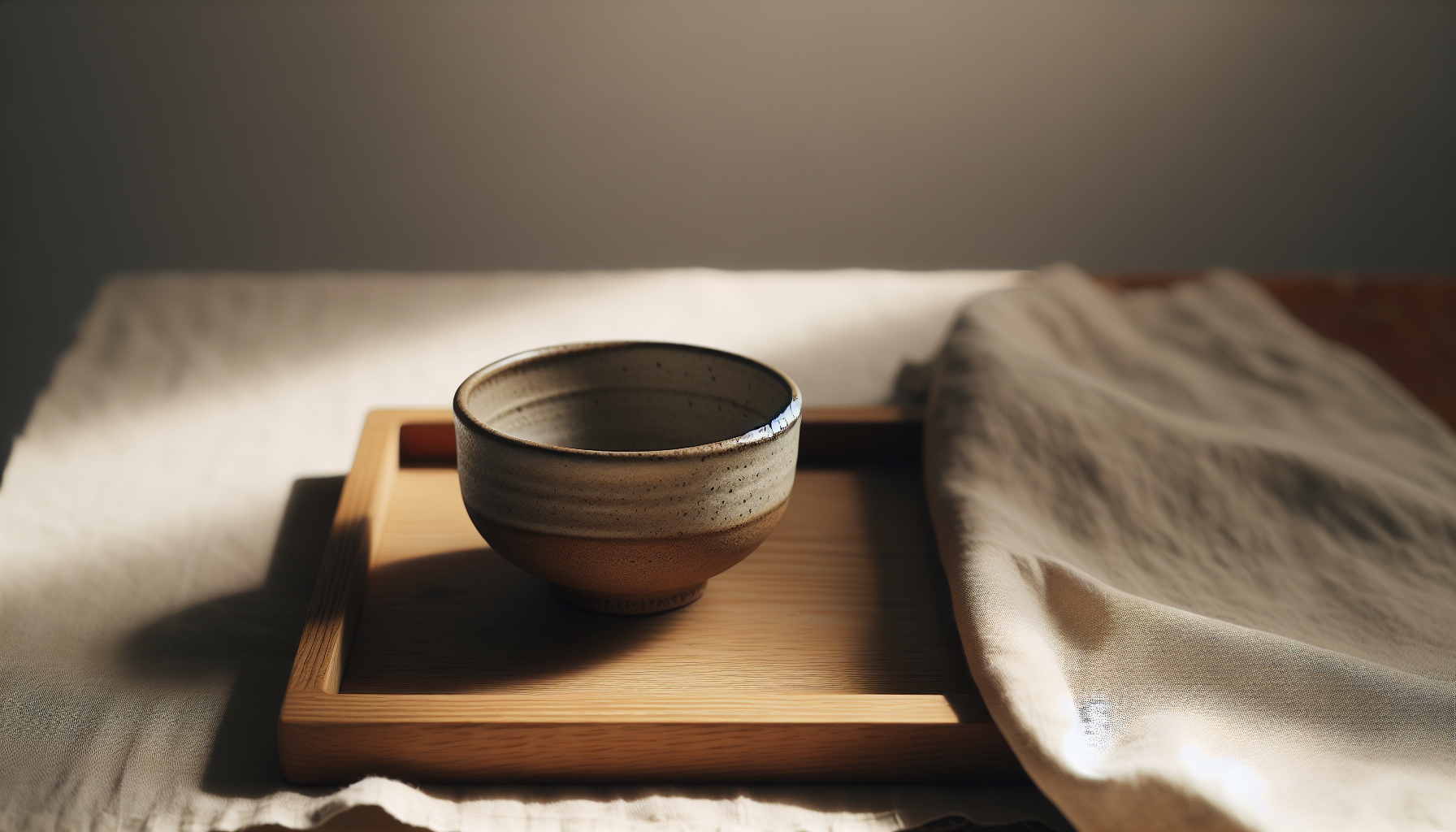
Have you ever wondered whether Japandi is a lifestyle or just a style?
People draw inspiration from Japandi as a holistic lifestyle
You may have seen Japandi pictures on social media, magazines, and in design blogs, but you might still be unsure whether it’s only an aesthetic or a broader way of living. This article will help you decide by unpacking Japandi’s roots, principles, and practical implications so you can decide how it fits into your life.
What is Japandi?
Japandi is a hybrid design approach combining Japanese minimalism and Scandinavian functionality. You’ll notice it in simple lines, muted palettes, natural materials, and an emphasis on purposeful living.
Origins and cultural influences
Japandi emerged from the intersection of two design philosophies: wabi-sabi from Japan, which values imperfection and transience, and Scandinavian design, which prioritizes utility and comfort. You’ll understand it better if you see it as cultural synthesis rather than a literal copy of either tradition.
Why it resonates today
You may be drawn to Japandi because it answers modern needs for calm, sustainability, and efficiency in living spaces. It reduces clutter and focuses on meaningful possessions, which feels especially relevant in a fast-paced digital world.
Core principles of Japandi as a lifestyle
You should view Japandi as more than furniture choices; it’s a mindset that shapes how you arrange your home and how you live within it. The core principles guide choices in design, consumption, and daily habits.
Simplicity and minimalism
You’ll choose fewer items and concentrate on quality over quantity, fostering a calming environment. This doesn’t mean empty or cold spaces; it means intentionally chosen elements that support daily life.
Functionality and comfort
Japandi merges practical Scandinavian ergonomics with Japanese attention to the user’s experience. You’ll prioritize furniture and layouts that serve your activities and feel comfortable for everyday use.
Natural materials and textures
You’ll favor woods, stone, paper, linen, and ceramics to create tactile warmth and visual depth. These materials help you feel connected to nature and support sustainability goals.
Imperfection and authenticity
You’ll accept natural wear, handmade items, and imperfect surfaces as valuable features, not flaws. This wabi-sabi mindset encourages appreciation for age, patina, and uniqueness.
Calmness and restraint
You’ll reduce sensory overload by limiting color contrast, pattern clutter, and excessive ornamentation. Spaces designed with restraint invite rest and mental clarity.
How Japandi functions as a lifestyle
You can adopt Japandi as a lifestyle by integrating design choices with daily habits, consumption patterns, and personal values. It becomes a framework for how you arrange your home and how you interact with possessions.
Daily routines and rituals
You’ll prefer routines that emphasize presence: simple morning tea, mindful cleaning, and intentional evenings. These small rituals align with the calm atmosphere that Japandi creates.
Consumption and purchasing choices
You’ll buy fewer items, choose durable goods, and invest in multi-functional pieces. This approach reduces waste and nurtures thoughtful ownership.
Mindful use of space
You’ll use each room for intentional purposes rather than oversaturating with items. Clear zones for work, relaxation, and socializing help you remain focused and peaceful.
Japandi design elements explained
You’ll find a recognizable aesthetic when you look closely: neutral palettes, low-profile furniture, and carefully curated decor. Below are the primary design elements you’ll encounter.
Palette and color schemes
You’ll work with warm neutrals, muted earthy tones, and occasional deep accents like indigo or charcoal. The palette supports serenity and pairs naturally with wood and stone.
Furniture style and layout
You’ll favor low, streamlined furniture with clean silhouettes and solid craftsmanship. Layouts emphasize open space, balance, and comfortable circulation.
Textiles and soft furnishings
You’ll choose linen, wool, and cotton in natural colors and subtle textures. Textiles in Japandi are understated, tactile, and functional, adding softness without visual clutter.
Lighting and atmosphere
You’ll use layered lighting—ambient, task, and accent—to create warmth and highlight textures. Natural light is prioritized, and light fixtures are often simple and sculptural.
Decorative accents and art
You’ll select a few meaningful objects—handmade ceramics, simple botanicals, or restrained art pieces. Decorations are curated and scarce, allowing each item to breathe.
Comparison: Japandi vs Japanese vs Scandinavian
You may find it helpful to see the differences and overlaps in a table so you can decide which aspects you want to emphasize.
| Aspect | Japanese Design | Scandinavian Design | Japandi (Fusion) |
|---|---|---|---|
| Aesthetic | Wabi-sabi; asymmetry; natural materials | Functional simplicity; light, airy; hygge warmth | Minimal, warm, balanced; clean lines with natural imperfection |
| Color Palette | Earthy neutrals, muted natural tones | Light neutrals; pastels; bright whites | Warm neutrals with darker accents; soft contrast |
| Furniture | Low-profile, tatami/wood; craftsmanship | Functional, ergonomic, cozy | Low and streamlined; mix of functionality and warmth |
| Textiles | Natural fibers, subtle patterns | Wool, knits, cozy textiles | Linen, wool, cotton; understated textures |
| Attitude to Ornament | Sparing, symbolic | Homely, comfort-focused | Curated, meaningful, restrained |
| Key Values | Imperfection, transience, tranquility | Function, comfort, light | Balance, sustainability, calm |
You’ll find that Japandi leans into the strengths of both traditions, giving you the calm and humility of Japanese design and the comfort and usability of Scandinavian design.
Practical steps to adopt Japandi at home
You can start small or overhaul an entire space; the key is intentionality. Follow these practical steps to make Japandi feel natural and sustainable in your daily life.
Start with decluttering
You’ll remove items that don’t serve a function or bring you joy, leaving only purposeful belongings. Decluttering helps you see the architecture of your space and simplifies maintenance.
Prioritize key pieces
You’ll invest in a few high-quality furniture pieces that fit your lifestyle: a comfortable sofa, a sturdy dining table, and versatile storage solutions. Quality pieces anchor the room and reduce the temptation to buy disposable items.
Choose a cohesive palette
You’ll pick a base of neutral hues and introduce subtle accents to maintain visual cohesion. Keeping colors restrained makes small rooms feel larger and calmer.
Layer textures, not patterns
You’ll use texture—wood grain, woven textiles, matte ceramics—to create interest without busy patterns. This makes spaces feel warm yet uncluttered.
Introduce natural elements
You’ll add plants, wood pieces, and stone accents to connect your space to nature. These elements improve air quality and provide visual grounding.
Let negative space breathe
You’ll leave blank walls, open surfaces, and intentional voids to cultivate a sense of openness. Negative space is as important as filled space in Japandi design.
Room-by-room guidance
You’ll get more clarity applying Japandi principles by room. Below are actionable suggestions you can implement room by room.
Living room
You’ll choose a low-profile sofa with clean lines and a simple wooden coffee table. Keep textiles neutral and introduce a single sculptural object or a ceramic piece.
Dining room
You’ll pick a sturdy wooden table and comfortable chairs that invite lingering conversations. Use minimal tableware and a simple centerpiece like a branch in a vase.
Kitchen
You’ll favor functional storage, open shelving for curated items, and natural materials for countertops or backsplashes. Clear surfaces and quality utensils make cooking a mindful activity.
Bedroom
You’ll focus on a comfortable mattress, simple bedding in natural fibers, and minimal nightstand items. Soft lighting and uncluttered surfaces will help you get restful sleep.
Bathroom
You’ll choose clean lines, natural stone or ceramic elements, and minimal toiletries on display. Storage should be practical and hidden when possible.
Home office
You’ll set up a functional workspace with quality seating, a simple desk, and good task lighting. Keep the desk clear of unnecessary items and use storage to keep documents organized.
Materials, finishes, and upkeep
You’ll want to know which materials perform well and how to maintain them so Japandi remains a practical, long-term lifestyle.
Preferred materials
You’ll favor solid woods (oak, ash, walnut), natural stone, linen, wool, and ceramics. These materials age well and develop character that fits Japandi’s appreciation of imperfection.
Finishes and maintenance
You’ll opt for matte or satin finishes rather than high-gloss, which keep reflections soft and forgiving. Regular but gentle care—dusting, oiling wood, airing textiles—keeps materials healthy.
Sustainable sourcing
You’ll look for FSC-certified wood, organically produced textiles, and local artisans when possible. Choosing durable, repairable items reduces environmental impact.
Storage and organization
You’ll need intelligent storage to keep Japandi’s simplicity intact. Effective storage is invisible but essential to maintaining calm.
Concealed storage solutions
You’ll use built-in cabinets, low-profile sideboards, and multifunctional furniture with hidden compartments. Concealed storage hides clutter and preserves clean lines.
Open shelving with rules
You’ll use open shelving sparingly and display only curated objects. Keep a consistent rhythm—group by color, material, or function—to avoid visual chaos.
Daily maintenance habits
You’ll adopt short daily tidying routines, such as clearing surfaces, washing dishes, and putting things back in designated spots. Regular small actions prevent clutter buildup.
Lighting strategy and natural light
You’ll design lighting to feel warm and layered, supporting different activities and moods. Proper lighting is central to feeling comfortable and grounded.
Maximize natural light
You’ll prioritize window treatments that allow daylight while providing privacy, like sheer linen curtains. Natural light improves mood and highlights textures.
Layer your lighting
You’ll combine ambient overhead lights, task lamps for reading or work, and accent lighting to highlight art or architectural details. Use dimmers where possible.
Light color and temperature
You’ll favor warm white bulbs (2700K–3000K) to create a cozy atmosphere and avoid harsh, bluish light. Warm light complements wood tones and soft textiles.
Plants and biophilia
You’ll bring nature indoors to add life, texture, and color without clutter. Plants also improve air quality and align with Japandi’s natural ethos.
Types of plants to choose
You’ll choose low-maintenance species like snake plants, pothos, or ficus for broader shapes and interest. Simple bonsai or a singular branch in a vase can produce a strong aesthetic statement.
Placement and styling
You’ll avoid crowding plants; place them where they can breathe—corners, windowsills, or a single tabletop. Use ceramic or clay pots in neutral tones consistent with your palette.
Textiles, bedding, and comfort
You’ll balance minimal aesthetics with tactile comfort by choosing natural textiles. Textiles should invite touch without overwhelming the visual simplicity.
Bedding choices
You’ll use linen or cotton-linen blends in neutral colors with minimal patterning. Layer lightly with a throw or two to add warmth and texture.
Rugs and floor coverings
You’ll choose flatwoven or low-pile rugs with subtle texture and color. Rugs should anchor seating areas without dominating the palette.
Small-space adaptations
You’ll find Japandi particularly useful in smaller homes because it emphasizes efficiency and multifunctional pieces. With clever choices, small spaces can feel airy and intentional.
Multi-functional furniture
You’ll use extendable tables, bench seating with storage, and foldable desks to maximize utility. Pieces that serve multiple functions reduce the need for extra furniture.
Visual tricks for openness
You’ll keep color continuity, use low-profile furniture, and leave walking paths clear to visually expand space. Reflective surfaces like matte metallics or light wood help distribute light.
Mental and emotional benefits
You’ll likely notice mental benefits as your environment becomes calmer and less cluttered. Japandi’s principles can support emotional well-being and intentional living.
Reduced decision fatigue
You’ll make fewer choices about what to display or wear when your environment is simplified. That reduced cognitive load can leave you more energy for meaningful activities.
Greater sense of presence
You’ll find it easier to be present in an uncluttered, well-lit space that supports relaxation and mindful routines. Rituals become more meaningful in an environment that doesn’t constantly demand attention.
Sustainability and ethics
You’ll align Japandi with sustainability by choosing durable, responsibly sourced goods and mindful consumption habits. The philosophy naturally supports a less wasteful lifestyle.
Repair over replacement
You’ll prefer repairing or refinishing items instead of discarding them, which extends product life and reduces waste. Handcrafted items often have repairable construction that fits this ethos.
Local and slow production
You’ll support local artisans and slow-made products to minimize transport emissions and support ethical labor. Ethical production often results in better quality and longevity.
Common misconceptions
You’ll likely encounter misunderstandings about Japandi; here are clarifications to help you adopt it authentically.
“Japandi is cold or sterile”
You’ll know it isn’t inherently cold—warm woods, tactile textiles, and thoughtful lighting make it cozy. Coldness is usually a result of overly minimal choices or cheap materials.
“You must throw everything away”
You’ll never need to discard sentimental items; instead, you’ll curate and display the most meaningful objects. Japandi is about intentional selection, not austerity.
“It’s only for big or modern homes”
You’ll adapt Japandi principles to historic homes, apartments, and tiny houses by focusing on function and materiality. The core ideas scale to almost any layout.
Budgeting and shopping tips
You’ll approach purchases intentionally to get the most value and maintain Japandi integrity over time. These tips help you stay within budget while choosing quality.
Invest in anchors
You’ll allocate more budget to key pieces like a sofa, bed, and dining table, then fill in with affordable, well-chosen accessories. Quality anchors provide durability and visual stability.
Mix price points wisely
You’ll combine investment goods with budget finds for non-structural items. A well-made table can coexist with thrifted ceramics that add personality.
Thrift and upcycle
You’ll find unique pieces at flea markets and secondhand stores; refinishing or reupholstering can give them a Japandi twist. This approach is eco-friendly and budget-conscious.
Mistakes to avoid
You’ll get better results by avoiding a few common pitfalls that can make Japandi feel forced or inauthentic.
Over-simplifying into emptiness
You’ll avoid removing personality in the name of minimalism; balance restraint with warmth and meaningful objects. Empty rooms don’t serve daily living well.
Using cheap imitations
You’ll invest in authentic materials or good-quality replicas rather than cheap laminates that degrade quickly. The visual and tactile differences matter long-term.
Clashing styles without cohesion
You’ll maintain a consistent palette and material language to prevent visual dissonance when mixing styles. Small mismatches can feel distracting in a restrained scheme.
Gradual adoption plan (30/60/90 days)
You’ll find it easier to adopt Japandi incrementally. Here’s a simple plan to help you implement lasting changes.
| Timeline | Actions |
|---|---|
| 0–30 days | Declutter common areas, choose a cohesive palette, replace small items (throws, cushions) |
| 31–60 days | Invest in one anchor piece (sofa/table), reorganize storage, add plants and natural elements |
| 61–90 days | Finalize lighting, add curated décor, create daily rituals, refine textiles and finishes |
You’ll experience tangible improvement each month without overwhelming yourself.
DIY projects and small upgrades
You’ll see big visual changes from a few focused DIYs that align with Japandi principles. These projects often cost little and add meaningful character.
Simple wooden shelf
You’ll build a floating shelf in solid wood with clean lines to display curated objects. A natural oil finish improves longevity and brings out grain.
Refinish thrifted furniture
You’ll sand and oil an older wooden table to reveal warm tones and repair structural issues. New hardware or simple upholstery can modernize its look.
Create a simple display vignette
You’ll arrange three objects of different heights on a tray or shelf—a ceramic bowl, small plant, and a book—to form a balanced focal point.
Measuring success and personal fit
You’ll assess whether Japandi suits your life by observing how your space makes you feel and how it supports daily tasks. The end goal is comfort, function, and peace.
Questions to ask yourself
You’ll reflect on whether your home feels calmer, easier to maintain, and more intentional after changes. If it supports your routines and reduces stress, it’s working.
Adjusting for personal needs
You’ll tweak the balance of minimalism and comfort to match your lifestyle—families may need more storage, while singles may favor open space. Japandi is adaptable, not prescriptive.
Final thoughts
You’ll discover that Japandi can be both a style and a lifestyle depending on how deeply you embrace its principles. Whether you adopt it as an aesthetic guideline or as a holistic practice affecting consumption, routines, and values, Japandi offers a path toward a more intentional, calm, and sustainable home.
If you want, you can start with one room and see how the changes affect your daily life before expanding to the rest of your home. The journey toward a Japandi lifestyle is gradual and personal—allow it to reflect who you are and how you want to live.