
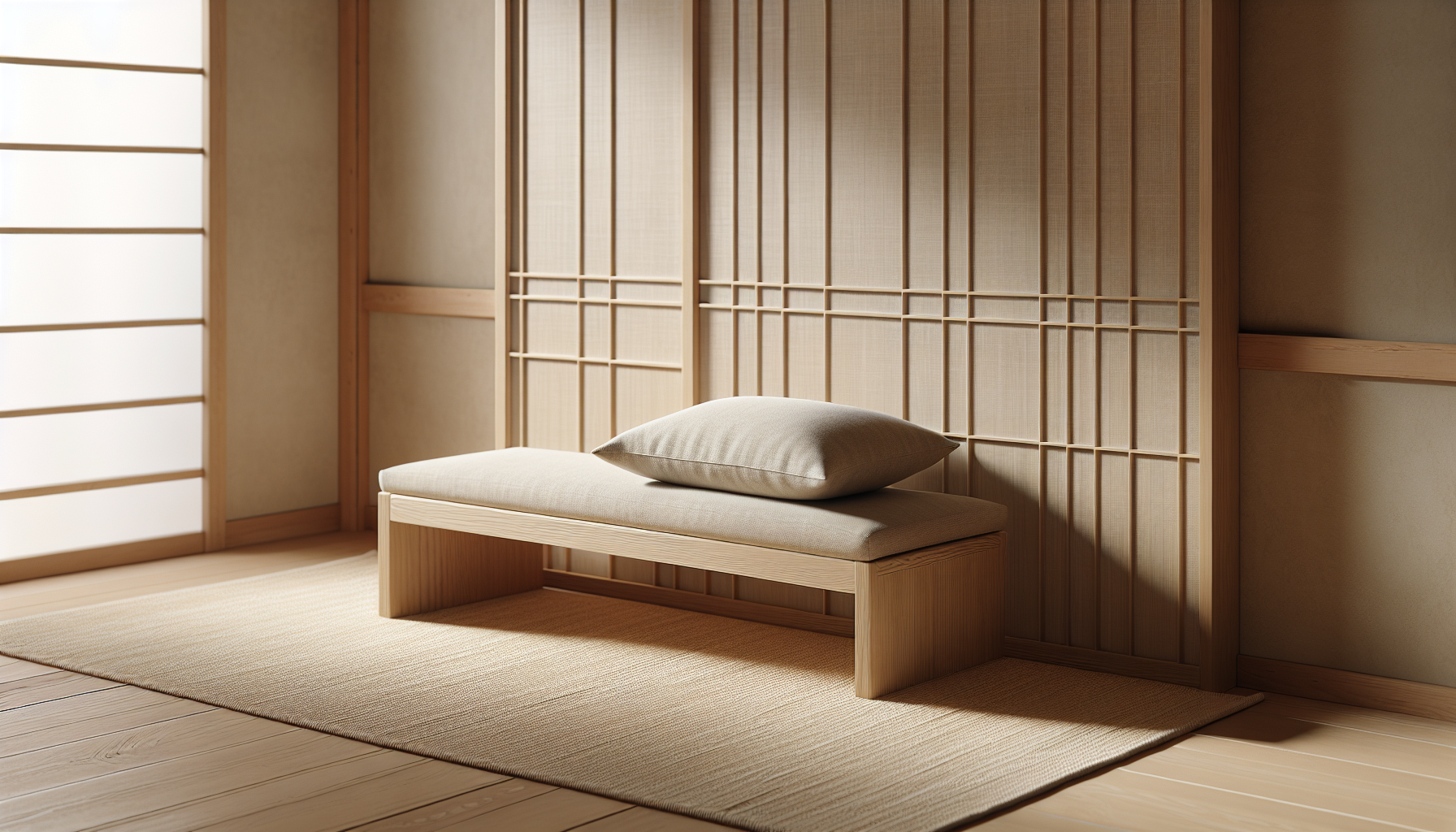
?How can you create and maintain a smooth, calm flow in a Japandi open-plan layout so your home feels cohesive and functional?
Maintaining Flow in a Japandi Open-Plan Layout
This article shows you how to keep an open-plan Japandi interior flowing — visually, physically, and atmospherally. You’ll get practical guidance on layout, materials, lighting, furniture, and routines that support the balanced minimalism and warmth of Japandi design.
What Japandi Means for Your Open-Plan Space
Japandi marries Scandinavian functionality with Japanese simplicity and craftsmanship, resulting in spaces that are calm, minimal, and warm. In an open-plan layout, this hybrid aesthetic asks you to balance clean lines with organic textures while ensuring the room reads as a unified whole rather than a set of disjointed areas.
Why Flow Matters in Open-Plan Japandi Design
Good flow makes movement intuitive and the space feel larger and more restful. Without deliberate planning, an open-plan area can feel chaotic or fragmented, undermining the subtle balance Japandi aims to achieve.
Core Principles That Guide Flow
These core design principles help you prioritize decisions that maintain flow in your open-plan Japandi layout. You’ll use them to evaluate choices about furniture, finishes, and circulation.
Simplicity and Restraint
Simplicity reduces visual noise and keeps pathways open for movement and sightlines. Restraint means choosing fewer, better-quality pieces that all contribute to balance.
Natural Materials and Neutral Palette
Natural materials—wood, linen, muted ceramics, and stone—create tactile warmth and visual cohesion. A neutral palette with carefully placed accents keeps the environment calming and unified.
Functionality and Intentionality
Every element should have a purpose, either practical or aesthetic. Intentional placement reduces clutter and creates a rhythm that supports flow.
Planning Your Open-Plan Layout
A well-thought-out plan prevents awkward arrangements and maintains balance between zones. You’ll likely spend the most time here because layout decisions determine daily experience.
Define Functional Zones
Identify primary zones such as cooking, dining, living, working, and circulation. Clear zone definitions help you arrange furniture to support both social interaction and solitude when needed.
Plan Traffic Paths First
Map the main paths that people will use to move through the room and keep them free of obstacles. Ideally, you should have at least two clear routes: one primary path and one secondary route.
Consider Sightlines and Focal Points
Decide which views you want to emphasize and arrange seating and furnishings to enhance those lines of sight. A strong focal point helps anchor the space and guides visual flow.
Furniture: Scale, Placement, and Function
Furniture choices and arrangement directly influence how you move and feel in the space. Japandi furniture tends to be low, simple, and tactile.
Choose Low-Profile, Functional Pieces
Low-profile sofas, simple wooden tables, and compact storage units sustain openness and keep sightlines clear. These pieces also emphasize horizontal planes, making the layout feel calm and grounded.
Use Rugs to Anchor Zones
Rugs define areas without building walls. Use natural fiber rugs in neutral tones sized to fit major pieces (for example, all sofa legs on the rug) to visually anchor living and dining zones.
Keep Pathways Around Seating
Allow at least 80–90 cm (about 31–35 inches) of circulation space around major furniture groups so movement feels natural and unobstructed. This spacing supports both comfort and function.
Creating Visual Cohesion
Visual cohesion ensures the room reads as one unified space rather than several small rooms crammed together. This supports the Japandi ethos of understated harmony.
Consistent Color Palette
Stick to a limited, harmonious palette (neutrals like warm whites, taupes, muted greys, soft blacks, and the occasional deep accent like indigo or forest green). Consistency helps different zones feel connected.
Repetition of Materials and Shapes
Repeat materials (light oak, black metal accents, linen fabrics) and simple geometric shapes to create rhythm. Strategic repetition brings unity without monotony.
Balanced Contrast
Introduce contrast through texture rather than bold color shifts: a rough ceramic pot against a smooth oak tabletop, or a boucle cushion on a linen sofa. Texture contrast keeps interest while preserving calm.
Material and Finish Choices
Materials set the tone for the entire space. Choose finishes that age gracefully and complement each other.
Preferred Materials for Japandi Flow
- Light to medium woods (oak, ash, walnut with light finishes) for furniture and floors.
- Natural fibers (linen, cotton, wool) for upholstery and textiles.
- Matte ceramics and stone for accessories and countertops.
- Black metal and muted brass for thin accents and fixtures.
Use these materials consistently to anchor the aesthetic and maintain flow from one zone to the next.
Table: Material Use and Effect
| Material | Typical Use | Effect on Flow |
|---|---|---|
| Light wood (oak, ash) | Floors, tables, cabinetry | Warmth and continuity; unifies zones |
| Linen, cotton | Upholstery, curtains | Softness and airiness; reduces visual weight |
| Wool, natural fiber rugs | Rugs, throws | Tactile grounding; defines zones |
| Matte ceramic/stone | Countertops, planters | Subtle refinement; textural contrast |
| Black metal | Legs, fixtures | Visual punctuation; aligns modern and traditional |
Managing Acoustics and Intimacy
Open plans can be noisy. Japandi values quiet and contemplative space, so acoustics matter for comfort and flow.
Use Soft Materials to Absorb Sound
Rugs, curtains, upholstered furniture, and fabric wall hangings help reduce reverberation and create quieter zones. These elements keep adjoining areas from overwhelming each other.
Add Zoned Acoustic Treatments
Consider acoustic panels that look like art or wooden slatted screens that also function as sound buffers. Placing such treatments strategically helps keep dining conversations from carrying into a quiet work nook.
Lighting That Supports Movement and Mood
Good lighting clarifies pathways and creates atmosphere. In Japandi design, lighting should be layered and unobtrusive.
Layer Lighting for Function and Ambience
Combine ambient overhead lighting, task lighting for work and reading, and accent lighting for art or architectural features. Use warm color temperatures to reinforce the sense of calm.
Use Directional and Zone Lighting
Task lights over a dining table or kitchen island, floor lamps near seating, and pendant clusters that hover without blocking sightlines encourage both activity and relaxation. Zone lighting also helps distinguish functional areas without physical barriers.
Flooring Choices and Transitions
Flooring establishes continuity but can also define zones subtly. Consistent flooring with intentional transitions supports both openness and zoning.
Prefer Continuous Flooring
Using the same floor throughout the open-plan area creates a seamless base and makes movement feel natural. Natural wood or wood-effect floors fit the Japandi aesthetic well.
Use Subtle Transitions to Define Areas
Change the texture or layer rugs rather than switching to different flooring materials. If you must change materials (for example, tile in the kitchen), keep the color and tone in harmony with the adjacent wood.
Subtle Zone Separation Methods
You want defined zones without closing the space. Small architectural details and furniture arrangements can delineate areas while preserving flow.
Furniture as a Partial Divider
A low credenza, open shelving, or a back-to-back sofa can subtly separate living and dining areas. These elements provide function and define boundaries without blocking sightlines.
Use Change in Ceiling Treatment or Lighting
A lowered ceiling panel or a cluster of pendants above the dining area provides visual separation that feels intentional. This keeps the layout open but organized.
Slatted Screens and Sliding Panels
Slatted wooden screens or shoji-inspired sliding panels maintain airiness while suggesting separation. Choose materials with spacing that preserves light and sightlines.
Storage Strategies to Maintain Calm
Clutter breaks flow faster than poor layout does. Storage must be integrated and beautiful so you can maintain the serene look of Japandi.
Emphasize Concealed Storage
Closed cabinetry and minimalist storage benches hide daily clutter and keep surfaces clear. Concealed storage supports the Japandi value of minimalism without feeling sterile.
Use Open Storage Intentionally
Open shelving can display objects that add warmth and personality, but you should edit carefully. Keep displays sparse, using repetition and restrained color to maintain balance.
Create Dedicated Functional Storage Zones
Assign storage for frequently used items close to their point of use (coats near an entry, dishes near the kitchen) to reduce cross-traffic and maintain flow.
Textiles, Patterns, and Accessories
Textiles are one of the easiest ways to add warmth without visual noise. In Japandi, you’ll choose texture over pattern and keep accessories intentional.
Favor Texture Over Loud Pattern
Subtle weaves, neutral stripes, and natural fiber textures add depth without shouting for attention. This keeps the aesthetic calming and cohesive.
Curate Accessories with Purpose
Choose ceramics, wooden trays, and artisan objects that feel timeless and functional. Grouping items in small odd numbers creates a composed look that supports flow.
Color Palette Guidelines and Examples
A disciplined palette is essential to maintain cohesion across open zones. You’ll use a base, support, and accent colors for clarity.
Base, Support, and Accent Colors
- Base: Warm white, light beige, or soft gray used for walls and large surfaces.
- Support: Natural wood tones and warm grays used in floors, furniture, and cabinetry.
- Accent: Muted indigos, charcoal, forest green, or muted terracotta used sparingly.
This structure helps you maintain unity while allowing subtle shifts in mood between zones.
Table: Sample Palette Combinations
| Scheme Name | Base | Support | Accent |
|---|---|---|---|
| Calm Oak | Warm white | Light oak | Muted charcoal |
| Stone & Linen | Soft gray-beige | Ash wood | Dusty indigo |
| Earth & Ink | Cream | Walnut with light finish | Deep forest green |
Plants and Natural Elements
Plants add life and soften hard lines. They also help divide areas without closing them off.
Choose Sculptural, Low-Maintenance Plants
Plants such as ficus, monstera, snake plant, or selected bonsai provide vertical interest and organic shape. Position them where they can punctuate a corner or a path and reinforce visual flow.
Use Pot and Planter Material Consistently
Stick to ceramic or simple terracotta in muted tones to maintain cohesion. Repetition of pot materials makes the plant collection feel intentional rather than accidental.
Creating Multi-Functional Zones
Open-plan living often requires zones to serve multiple functions. Japandi’s flexibility and restraint make multi-functionality look effortless.
Plan for Flexible Furniture
Consider nesting tables, folding chairs stored in a closet, or a dining bench that doubles as entry seating. This flexibility allows zones to shift by daypart without losing order.
Layer Activities with Zoning Cues
Let lighting, a rug, and a furniture grouping signal a zone’s primary function while allowing secondary uses. A dining area can become a workspace during the day if the layout and lighting support it.
Addressing Common Flow Problems
When flow breaks down, small fixes often restore balance quickly. You’ll find common issues and practical corrections below.
Problem: Cross-Traffic Through Seating Areas
Solution: Rearrange seating to open a clear route along one side, or place a low console behind a sofa to redirect movement. Ensure 80–90 cm of clearance.
Problem: Visual Clutter Between Zones
Solution: Limit open shelving to curated displays and add a closed storage cabinet near the entry of the cluttered zone. Use consistent materials to tie the storage into the larger scheme.
Problem: Noise Traveling Across the Space
Solution: Add rugs, soft textiles, and acoustic panels, and place bulkier furniture items as sound buffers between noisy and quiet zones.
Step-by-Step Implementation Plan
Follow this practical process to design and maintain flow in your Japandi open-plan layout.
- Assess how you and household members use the space: list daily activities and movement patterns. This reveals required circulation and functional priorities.
- Map main traffic routes and ensure at least two clear paths. Don’t place large objects in the primary route.
- Choose a restrained material and color palette. Decide on base, support, and accent colors and stick to it.
- Select low-profile furniture and place pieces to define zones without blocking sightlines. Use rugs to anchor seating and dining areas.
- Incorporate layered lighting and zoned fixtures to mark activity areas and set mood.
- Add storage solutions—both concealed and curated open storage—to keep surfaces clean.
- Introduce plants and soft textiles to balance hard surfaces and improve acoustics.
- Test movement by walking the space during different activities and adjust spacing or furniture as needed.
Table: Quick Layout Checklist
| Task | Goal | Target |
|---|---|---|
| Traffic clearance | Unobstructed movement | 80–90 cm around seating |
| Rug sizing | Anchor zones | Sofa legs on rug in living area |
| Lighting | Layer and zone | Ambient + task + accent |
| Storage | Reduce surface clutter | Enough concealed storage for daily items |
| Material consistency | Visual cohesion | 2–3 primary materials repeated |
Maintenance and Seasonal Adjustments
Maintaining flow is an ongoing task that benefits from seasonal refreshes and daily habits. These small rituals keep your space functional and serene.
Regular Editing and Decluttering
Set a monthly 30-minute edit session to remove items that have accumulated. Regular editing prevents visual clutter build-up and keeps storage functional.
Rotate Textiles and Accessories Seasonally
Swap heavier throws for lighter ones and switch cushion textures to reflect seasonal comfort without disturbing the overall palette. This keeps the space fresh while remaining cohesive.
Reevaluate Lighting and Planter Placement
As natural light shifts with seasons, you may need to adjust lamp positions and plant locations. Keeping sightlines and illumination balanced sustains flow year-round.
Common Mistakes to Avoid
Avoid these missteps that most often break flow in Japandi open-plan spaces.
Overfilling with Furniture
Too many small pieces create visual chaos. Prioritize a few well-chosen items that serve multiple purposes.
Using Loud Patterns or Bright Colors
Bold patterns and saturated hues fragment the visual field and fight the serene Japandi aesthetic. Keep accents muted and textured.
Blocking Sightlines with Tall, Opaque Dividers
Tall cabinets or dense dividers can make the space feel boxed in. Choose low, open, or slatted elements for separation that keeps light and sight moving.
Example Layout Scenarios
These scenarios show how you might arrange common open-plan combinations while maintaining flow.
Living + Dining Combination
Place the sofa so its back subtly delineates the living area without fully enclosing it. Use a low media console behind the sofa to create storage and a visual boundary. Put the dining table parallel to the sofa and anchor both zones with matching wood tones and a shared color accent.
Kitchen + Dining + Nook
Use a kitchen island as a partial divider; place stools on the kitchen side and a small dining table adjacent. Position a cozy reading nook with a low armchair and floor lamp near a window to keep the nook from intruding on cooking or dining traffic.
Work Nook in an Open Living Room
Situate the desk against a wall or behind a low shelving unit so the workspace is integrated but visually separate. Choose a simple desk and a supportive chair in muted tones and add a task lamp that reads as part of the room’s lighting scheme.
Final Checklist Before You Call It Done
Use this final checklist to confirm that your Japandi open-plan offers calm, function, and flow.
- You’ve mapped main traffic paths and kept them unobstructed.
- Materials and colors are consistent across zones.
- Furniture scale is appropriate and low-profile pieces maintain sightlines.
- Rugs, lighting, and subtle vertical elements define zones without enclosing them.
- Storage solutions keep surfaces clear and daily items close to where they’re used.
- Textiles and plants add warmth, softness, and acoustic control.
- You’ve left room for flexibility and seasonal adjustments.
Conclusion
Maintaining flow in a Japandi open-plan layout is about intentionality: choosing a restrained palette, consistent materials, and multifunctional furniture while planning clear paths and visual harmony. By prioritizing simplicity, purpose, and texture, you’ll create a space that feels open, calm, and adaptable to how you live. Use the practical steps, checklists, and examples here to guide your decisions, and commit to small, regular maintenance habits so your space remains balanced over time.