
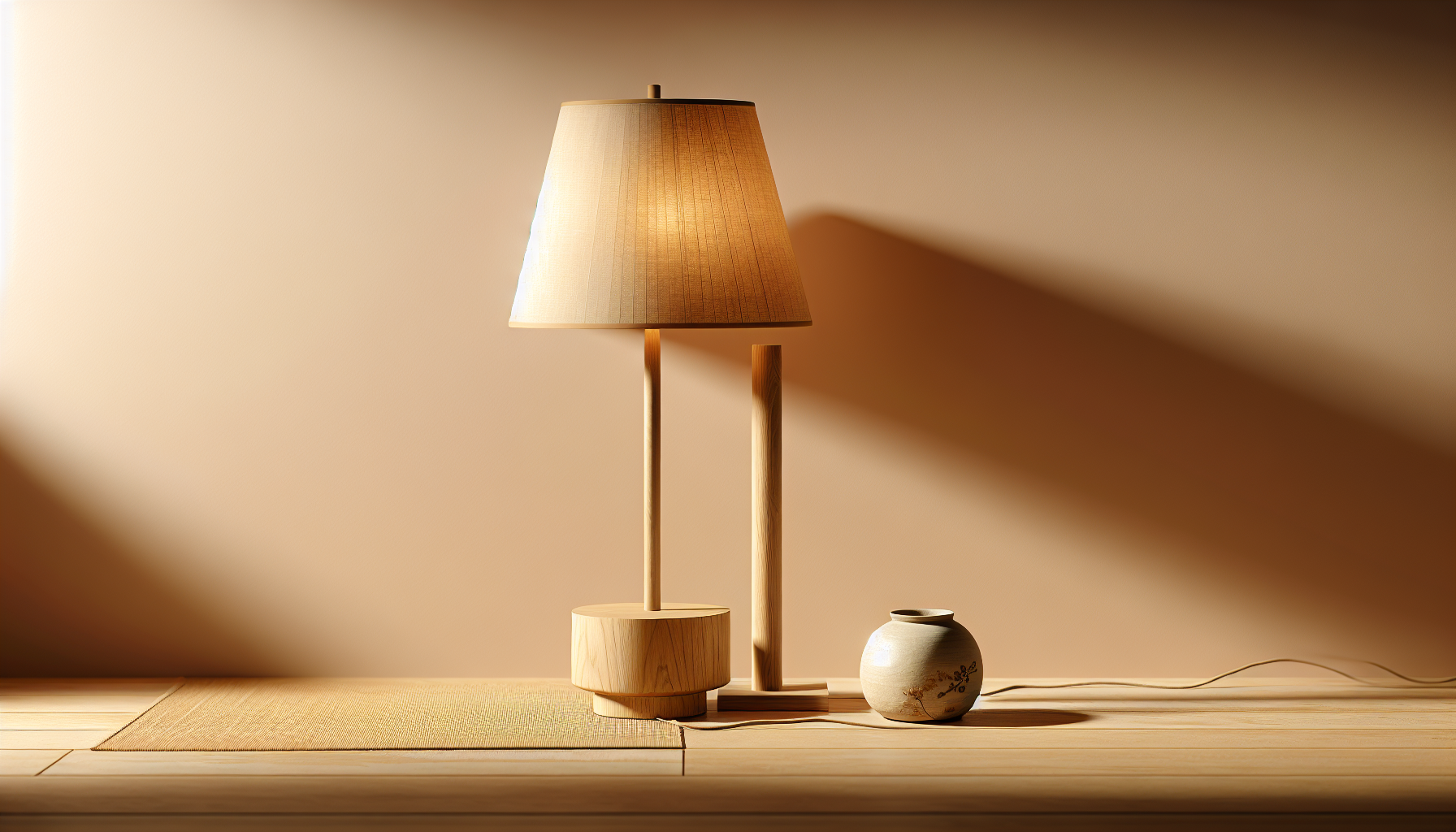
Have you noticed how some rooms make you breathe easier the moment you step inside?
Light and Space in Japandi for a Serene Home
This article explains how light and spatial choices create the calm, balanced feeling that defines Japandi interiors. You’ll learn how to shape light, organize space, and choose materials so your home feels serene without losing warmth or personality.
Why Japandi Feels “Peaceful” to Most Viewers
You experience Japandi as peaceful because it intentionally reduces visual noise and centers on harmony. By combining Japanese restraint and Scandinavian warmth, Japandi creates spaces where light, proportion, and natural materials work together to calm your senses.
Core Principles of Japandi Design
Japandi relies on a handful of guiding principles that shape every decision you make for a room. Understanding these principles helps you apply them consistently so your space feels coherent and intentionally calm.
Minimalism with Warmth
You keep only what is necessary and meaningful, but you avoid starkness by introducing tactile, warm elements. Minimalism in Japandi isn’t about emptiness — it’s about purposeful selection and visual breathing room.
Wabi-Sabi Acceptance
You allow imperfection and time-worn character to be part of the aesthetic, and you intentionally use objects that show natural aging. Wabi-sabi keeps your space grounded by making it feel lived-in and authentic rather than overly curated.
Hygge-Inspired Comfort
You prioritize comfort and coziness through soft textiles and thoughtful light, making your space feel inviting. Hygge contributes the idea that calm environments should also be comfortable and emotionally nourishing.
Functional Beauty
You choose pieces that are both useful and beautiful, rejecting decoration for decoration’s sake. Functionality informs form, so every object contributes to both purpose and visual harmony.
Natural Materials and Handcraft
You favor wood, stone, ceramic, paper, and natural fibers, often with visible craftsmanship. These materials provide tactile variety and warm the space while reinforcing the connection to nature.
Neutral Palette and Muted Accents
You select a base palette of soft neutrals — warm whites, beige, soft gray, charcoal — and add restrained accent tones. The subdued palette controls visual stimulation and makes light and form more noticeable.
The Role of Light in Creating Serenity
Light is one of the most powerful tools for shaping mood and perception of space, and in Japandi design, you use light strategically to highlight materiality and create calm. Thoughtful light planning can make small rooms feel expansive and large rooms feel cozy.
Natural Light as the Foundation
You maximize daylight because it reveals texture and shifts warmth throughout the day, contributing to a living, changing environment. Large windows, sliding doors, and unobstructed sightlines help natural light penetrate deep into the room.
Soft, Diffused Illumination
You use diffused light rather than harsh direct beams to create a gentle, even glow. Sheer curtains, rice-paper screens, and frosted glass scatter sunlight so surfaces glow instead of casting stark shadows.
Layering Light: Ambient, Task, Accent
You combine ambient, task, and accent lighting to control function and mood. Ambient lights create the base mood, task lights support activities, and accent lights highlight textures or objects you want to emphasize.
Direction and Warmth
You orient light sources to emphasize horizontal planes and textures, and you favor warm color temperatures in living areas. Warm light (2700K–3000K) feels more calming for most home spaces, while cooler light can be used sparingly for visual clarity where needed.
Reflective and Absorptive Balance
You balance reflective surfaces that bounce light with absorptive textures that soften glare. Matte wood, paper, textured plaster, and woven fabrics diffuse reflections, while polished stone and glass can be used as measured accents to amplify daylight.
Windows, Openings, and Framing Views
You treat windows as picture frames for outside scenes and as tools to control how light enters. Placement, size, and window orientation should consider daylight patterns and privacy so light becomes predictable and pleasant.
Lighting Types and Recommended Uses
The table below summarizes common lighting types and how to use them in a Japandi home.
| Lighting Type | Characteristics | Best Uses in Japandi | Practical Tips |
|---|---|---|---|
| Natural Daylight | Variable, dynamic, full spectrum | Primary source for all living spaces | Keep windows unobstructed; use sheer layers for privacy |
| Ambient (Ceiling) | Even, general illumination | Living rooms, kitchens, halls | Choose warm temperature; consider recessed or low-profile fixtures |
| Task Lighting | Focused, brighter | Reading nooks, kitchen counters, desks | Use directional fixtures with dimmers |
| Accent Lighting | Focuses on objects, texture | Art, architectural details, shelving | Use low-voltage LEDs to avoid glare |
| Decorative Fixtures | Visual focal point | Entryways, dining area | Keep forms simple and materials natural |
| Under-cabinet / Cove | Concealed, indirect | Kitchen counters, cabinetry | Soft, warm LEDs for functionality without harshness |
Managing Space: Negative Space, Scale, and Flow
Space management is as important as light in making a home feel serene. You shape negative space deliberately so the areas between objects become as meaningful as the objects themselves.
Embrace Negative Space
You leave breathing room around furniture and objects so each element can be appreciated. Negative space reduces cognitive load and emphasizes the quality of the items you keep.
Respect Scale and Proportion
You choose furniture that relates to the room’s scale, avoiding oversized pieces that crowd the space. Properly scaled items create visual balance and ensure comfortable movement.
Optimize Circulation and Flow
You plan pathways so movement feels natural and unobstructed, with clear sightlines and gentle transitions between zones. Good flow reduces frustration and reinforces calm by minimizing friction in daily routines.
Flexible, Multi-Use Layouts
You design layouts that allow for multiple uses without cluttering the room, using adaptable furniture when needed. Flexibility helps you maintain serenity as your needs change without frequent overhauls.
Integrated Storage
You prioritize built-in and hidden storage to keep surfaces clear and visual clutter low. Thoughtful storage supports the minimalist aesthetic and ensures your calm environment is practical for everyday life.
Materials, Textures, and Color Palette
Your choice of materials and textures has a huge impact on how light behaves and how the room feels. A restrained palette combined with varied textures prevents the space from feeling bland while maintaining tranquility.
Wood Tones and Grain
You use light to medium woods — oak, ash, maple, and warm walnut — to provide warmth and natural grain patterns. Wood surfaces reflect light softly and give a tactile quality that feels comforting.
Natural Fibers and Textiles
You introduce linen, cotton, wool, and jute to add layered softness and texture. These materials absorb and diffuse light differently, which enriches the visual experience without adding noise.
Stone, Ceramic, and Matte Finishes
You use stone and ceramic accents for solidity and contrast with wood and textile softness. Matte finishes prevent glare and help light read as warm and gentle across surfaces.
Textural Contrast for Depth
You intentionally combine smooth and textured materials — plaster walls with woven rugs, polished counters with raw clay bowls — to create visual richness. Contrast allows light to reveal subtle differences and keeps the environment interesting.
Neutral Base with Muted Accents
You build your base from warm neutrals and add accents in muted greens, soft blues, or deep charcoal. The restrained color choices keep light as the primary protagonist and prevent overstimulation.
Comparing Japanese and Scandinavian Contributions
This table helps you see how the two traditions contribute to Japandi design so you can balance them in your own home.
| Aspect | Japanese Influence | Scandinavian Influence | How to Combine |
|---|---|---|---|
| Minimalism | Sparse, purposeful, ritual | Functional, human-focused minimalism | Keep purposeful objects but add cozy textiles |
| Materials | Natural, handcrafted, rustic | Light woods, clean finishes | Use tactile, unfinished surfaces with light oak |
| Color | Muted, earth-based tones | Pale neutrals, soft pastels | Base neutral palette, modest accent tones |
| Furniture | Low, simple, often modular | Ergonomic, light, airy forms | Low-profile furniture with comfortable cushions |
| Approach to Light | Soft, filtered, paper screens | Large windows, bright interiors | Use large windows with soft filtering textiles |
Furniture Selection and Layout
Furniture choices shape both how you live and how your home feels. You select pieces that are simple, refined, and supportive of the calm aesthetic.
Low-Profile Furniture
You choose low seating, platforms, and tables to maintain an unobtrusive silhouette and a grounded feel. Low furniture also helps reveal vertical negative space, which amplifies a sense of airiness.
Clean, Simple Silhouettes
You favor pieces with clear lines and minimal ornamentation so the design language stays consistent. Simple silhouettes prevent visual clutter and let materials and proportions shine.
Multi-Functional and Thoughtful Pieces
You prefer furniture that serves multiple purposes — storage benches, extendable tables — to reduce the number of items you need. Multi-functionality helps you keep surfaces free and maintain order.
Craftsmanship and Details
You look for visible joinery, natural finishes, and subtle craftsmanship that communicate quality and longevity. Thoughtful details reward the eye on closer inspection and keep the space feeling curated rather than disposable.
Softness and Ergonomics
You balance hard-lined pieces with comfortable seating and supportive cushions so the space invites use. Ergonomics matter for long-term comfort and for making serenity practical and livable.
Room-by-Room Application
You can apply Japandi principles across the house with room-specific strategies that honor function and serenity. Each room has different lighting and spatial needs, and careful tailoring ensures cohesion throughout the home.
Living Room
You arrange seating to encourage conversation and openness, focusing on a low, central coffee table and layered rugs for comfort. Use a combination of ambient ceiling light, a floor lamp for reading, and accent lighting for art or shelves.
Bedroom
You make the bedroom a calming sanctuary by keeping surfaces clear and using soft, warm light for evening routines. Choose breathable, natural bedding and minimize electronic clutter to reinforce restful habits.
Kitchen
You prioritize functional layout, durable natural materials, and well-planned task lighting so cooking feels calm rather than cluttered. Keep counters clear, choose integrated storage, and use under-cabinet lighting for precise work.
Bathroom
You use soft, indirect light and tactile, moisture-resistant materials like stone and wood-look finishes to create a spa-like feel. Use simple shelving and closed storage for personal items to maintain visual serenity.
Entryway
You craft a tidy, welcoming entry with a simple bench, concealed storage for shoes and accessories, and a dedicated place for keys. A single pendant or a layered wall sconce can set a calm first impression.
Home Office
You make the office functional but uncluttered, balancing daylight with task lighting and natural materials to support focus. Keep only necessary equipment in the room and create storage that keeps paperwork out of sight.
| Room | Key Japandi Strategies |
|---|---|
| Living Room | Low furniture, layered lighting, natural textiles |
| Bedroom | Minimal surfaces, warm lamps, breathable bedding |
| Kitchen | Clear counters, under-cabinet task lighting, durable materials |
| Bathroom | Indirect light, stone/textured finishes, concealed storage |
| Entryway | Functional bench, hidden storage, simple lighting |
| Home Office | Clear desk, natural light, ergonomic seating |
Lighting Fixtures and Finishes to Choose
Fixture selection in Japandi should emphasize material honesty, simple forms, and warm light. You prefer fixtures that read as objects but don’t dominate the room.
Pendant Lights and Simple Chandeliers
You choose pendants with natural materials — paper, linen, wood, or matte metal — and calm shapes that echo the room’s proportions. A single understated pendant over a dining table creates focus without fuss.
Paper Lanterns and Rice-Paper Shades
You use rice-paper or textile shades to diffuse light gently and reference Japanese tradition. These fixtures create soft, enveloping illumination that flatters faces and materials.
Floor Lamps and Task Lighting
You select floor lamps with slim profiles and directional heads to support reading and task activities without visual bulk. Position lamps to balance natural light and to create cozy pockets in larger rooms.
Wall Sconces and Hidden Sources
You favor wall sconces and cove lighting to deliver indirect illumination and to highlight textures. Concealed LED strips can wash a plaster wall softly and emphasize surface depth.
Natural Material Fixtures
You pick fixtures in wood, paper, ceramic, or hand-blown glass to maintain material continuity. These finishes help the fixtures blend with the room and contribute to an overall sense of calm.
Dimmers and Controls
You install dimmers and multiple circuits to control intensity and create different moods for morning, afternoon, and evening. Lighting flexibility is essential to keep your environment serene at any time.
Plants, Greenery, and Natural Elements
Plants add life and a visual connection to nature, which is central to Japandi calm. You introduce greenery thoughtfully so it complements the composition and contributes to air quality and well-being.
Choosing the Right Plants
You select species with simple silhouettes and easy care requirements — ficus, snake plant, monstera, bonsai, or small palms can work well. Pick plants that suit your light levels and maintenance willingness.
Placement and Proportion
You position plants to reinforce negative space and to soften transitions between zones, using them as living punctuation marks. Keep pot sizes proportionate to furniture and avoid cluttered groupings.
Pots, Baskets, and Natural Containers
You choose planters made from clay, unglazed ceramic, woven fiber, or matte stone to keep materials consistent. Neutral-toned or textured containers help plants fit seamlessly into the neutral Japandi palette.
Seasonal Considerations and Care
You rotate plants and refresh soil as needed, treating plant care as part of your home ritual. Healthy plants contribute to serenity, so simple maintenance routines pay off in long-term satisfaction.
Maintenance, Rituals, and Daily Habits for a Serene Home
Your daily habits sustain the serenity you create with design choices. Small, consistent rituals keep the space functioning as intended and prevent the accumulation of clutter and stress.
Decluttering Routines
You set short, daily decluttering tasks and a monthly deeper review to ensure surfaces remain calm. A quick five-minute tidy at the end of each day preserves the sense of order without overwhelming effort.
Cleaning and Protecting Materials
You use gentle cleaning methods suitable for natural materials and avoid harsh chemicals that could damage finishes. Regular care for wood, textiles, and stone prolongs their beauty and maintains the tactile calm of the space.
Seasonal Refreshes
You perform seasonal swaps for textiles and accents to respond to light and temperature changes, keeping the home aligned with the seasons. Lighter linens in summer and warmer wools in winter help sustain comfort and visual coherence.
Rituals That Reinforce Calm
You create simple rituals — lighting a lamp at dusk, a seat for morning tea, a designated reading corner — to anchor daily life and make routines feel intentional. Rituals are small, repeatable actions that make your home feel like a sanctuary.
Common Mistakes to Avoid
Being aware of common missteps helps you preserve the integrity of the Japandi approach. Avoiding these pitfalls keeps your space peaceful and practically usable.
Over-Minimalism That Feels Cold
You don’t remove every personal item in the name of minimalism; emptiness can be as unsettling as clutter. Keep meaningful objects and warm textiles to prevent a sterile environment.
Ignoring Scale and Proportion
You don’t fit too many pieces into a small room or choose oversized items for modest spaces. Incorrect scale will make the room feel cramped or awkward, undermining serenity.
Neglecting Layered Lighting
You don’t rely solely on a single overhead light; that often creates flat, harsh illumination. Layer multiple sources so light can be adjusted for function and mood.
Using Too Many Materials or Colors
You don’t mix too many finishes or loud colors, which creates visual noise. Limit your palette and add interest through texture rather than competing hues.
Poor Storage Solutions
You don’t rely on visible piles or mismatched containers to hide clutter. Invest in integrated storage to keep the aesthetic clean and practical.
Checklist: Designing Light and Space in Your Japandi Home
This actionable checklist helps you implement the ideas above in a clear sequence so you can create a serene environment efficiently.
| Task | Why It Matters | Action Steps |
|---|---|---|
| Audit Light Sources | Understand existing daylight and fixtures | Note window orientation, shadows, and existing fixture types |
| Define Focal Areas | Prioritize where light and attention should fall | Choose main seating, dining, and task zones |
| Layer Lighting | Support mood and function | Add ambient, task, and accent fixtures with dimmers |
| Optimize Windows | Maximize beneficial daylight | Use sheer panels or sliding screens to diffuse light |
| Choose Materials | Create tactile warmth and calm | Select wood, stone, linen, and matte finishes |
| Plan Storage | Keep surfaces clear | Add built-ins or multi-functional pieces with hidden storage |
| Select Furniture | Scale for comfort and openness | Choose low, simple silhouettes and ergonomic seating |
| Add Greenery | Connect to nature | Add a few well-placed plants in natural pots |
| Establish Rituals | Make maintenance manageable | Create daily tidy routines and evening lighting habits |
| Test and Adjust | Refine based on use | Live in the layout for a month, then adjust lighting and layout |
Final Thoughts
You can achieve a serene Japandi home by balancing light, space, materials, and simple rituals that support living rather than just looking beautiful. With careful choices and small habits, your home will reward you with calm, practical elegance every day.