
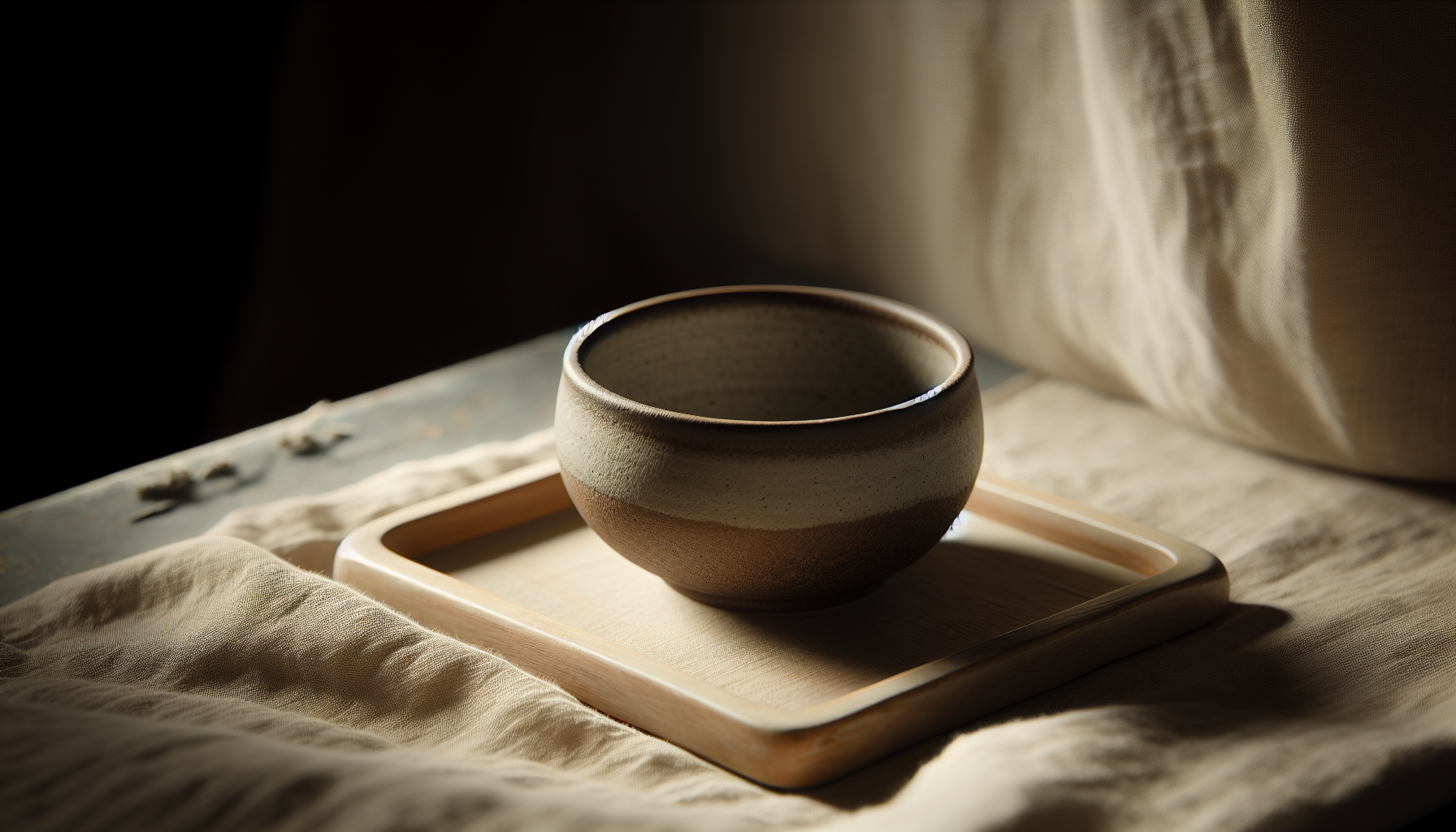
Have you ever wanted your home to feel like a calm, balanced refuge from a busy world?
Japandi’s Appeal to People Seeking Balance and Calm
Japandi combines the best features of Japanese and Scandinavian design to create interiors that feel purposeful, peaceful, and warm. You’ll find restraint in shape and color, but also comfort and naturalness—qualities that help you feel more grounded and less distracted in your everyday life.
What Is Japandi?
Japandi is a hybrid design style that marries Japanese minimalism and craftsmanship with Scandinavian functionality and warmth. You’ll notice both the quiet simplicity and the cozy, human-centered details that make spaces livable rather than austere.
Origins: Japan and Scandinavia Combined
The two design traditions that form Japandi developed in different climates and cultural contexts, yet they emphasize similar values like simplicity, functionality, and connection to nature. You can think of Japandi as the thoughtful meeting point where Japanese aesthetic restraint (wabi-sabi) complements Scandinavian hygge and practicality.
Core Philosophies
At its heart, Japandi prioritizes intentional living: fewer, better things that serve real purposes and bring visual calm. You’ll notice an emphasis on craftsmanship, honest materials, and an appreciation for imperfection that makes spaces feel alive rather than staged.
Key Visual and Material Elements
You’ll recognize Japandi interiors by their restrained palettes, natural materials, and a balance between streamlined forms and soft textures. Each visual choice is meant to reduce visual clutter and encourage a slower, more considered pace of life.
Color Palette
Japandi favors neutral, muted tones with occasional deeper accents. You’ll often see warm beiges, soft greys, gentle whites, and earthy greens, with occasional use of charcoal or indigo to anchor a space.
Materials and Textures
Natural materials are central to Japandi: wood, stone, linen, cotton, rattan, and ceramics are common. You’ll appreciate the tactile contrasts—smooth wood next to textured linen, for example—that provide sensory interest without visual chaos.
Furniture and Forms
Furniture tends to have clean lines, low profiles, and a practical focus. You’ll often find pieces that are simple but thoughtfully detailed, with an emphasis on proportion and negative space rather than ornamentation.
How Japandi Promotes Balance and Calm
Japandi reduces visual noise while preserving warmth, helping your mind relax when you enter a room. You’ll experience both the clarity of minimalism and the comfort of cozy, human-centered design.
Minimalism with Warmth
Minimalism often risks feeling cold, but Japandi intentionally brings warmth through natural materials and tactile textiles. You’ll get the benefits of a decluttered environment without giving up inviting textures and comforting shapes.
Natural Materials and Sensory Calm
Touchable surfaces like wood, woven textiles, and smooth ceramics create a subtle sensory environment that feels nurturing. You’ll sense a slower rhythm when you can physically engage with natural materials instead of synthetic ones.
Spatial Layout and Negative Space
Careful arrangement and respect for negative space let each object breathe and be appreciated on its own terms. You’ll find fewer distractions and clearer sightlines, which helps you focus and relax.
Psychological and Well-being Benefits
The design choices in Japandi have measurable effects on mood and cognitive load. You’ll likely feel less mentally taxed by your environment and more able to rest, reflect, and recharge.
Reduced Cognitive Load
Fewer visual stimuli and a clear organizational logic make it easier for your brain to process your surroundings. You’ll be less likely to feel overwhelmed by clutter and more likely to experience mental clarity.
Improved Sleep and Rest
A calmer bedroom palette and uncluttered surfaces promote relaxation and better sleep hygiene. You’ll sleep more soundly when your environment cues rest through low stimulation and soft, natural materials.
Mindfulness and Presence
Japandi encourages intentionality—choosing objects for function and meaning, not simply for trendiness. You’ll be more likely to pause and appreciate the things you own, cultivating a mindfulness that extends beyond the room itself.
Practical Steps to Bring Japandi into Your Home
You don’t need to overhaul everything at once; small, purposeful changes are often more effective and sustainable. You’ll get the most benefit by prioritizing quality, decluttering, and introducing natural textures.
Start with Decluttering
Begin by removing items that don’t bring function or joy to your space; keep what you need and what you truly love. You’ll notice immediate visual relief when surfaces and sightlines are simplified.
- Assess each room and remove one category of items at a time (e.g., extra decor, old magazines).
- Keep storage hidden where possible to maintain clean surfaces.
- Consider donating or selling pieces that no longer serve you.
Choose a Neutral Palette
Select a base of neutral, warm tones to create a consistent, calming backdrop. You’ll find it easier to mix and match furniture and textiles when the palette is restrained and intentional.
Select Key Furniture Pieces
Invest in a few well-crafted pieces rather than filling the room with many inexpensive items. You’ll want furniture that has clean lines, good proportions, and materials that age well.
Layer Textures and Softness
Layering is how you avoid a sterile minimalist look—add woven rugs, linen throws, and tactile cushions. You’ll rely on these textures to introduce softness and visual interest without clutter.
Add Plants and Natural Elements
Houseplants, stones, and wooden objects bring life and an organic rhythm to your space. You’ll feel calmer when elements of nature anchor the interior and connect you to the outdoors.
Lighting for a Calmer Mood
Use warm, diffused lighting to create a soft, relaxing atmosphere in the evenings. You’ll prefer layered lighting: a mix of ambient, task, and accent sources rather than a single harsh overhead light.
Small Space Strategies
For apartments and smaller homes, choose multi-functional pieces and keep vertical space open to preserve visual volume. You’ll benefit from furniture that doubles as storage and from maintaining clear pathways and sightlines.
Room-by-Room Guide
Each room has different functions and opportunities to express Japandi principles. You’ll get specific, practical tips for tailoring the aesthetic while maintaining comfort and usability.
Living Room
In your living room, prioritize a comfortable seating arrangement, a low-profile coffee table, and a streamlined media area. You’ll arrange pieces to promote conversation and calm, keeping decor minimal and meaningful.
- Opt for a neutral sofa with wooden legs and add soft throws and cushions in natural fabrics.
- Keep shelving sparse and curated—display a limited number of functional ceramics, books, or a single art piece.
- Choose a rug with subtle color or natural fiber to define the seating area.
Bedroom
Your bedroom should be a sanctuary of tranquility; think low bed frames, breathable linens, and soft lighting. You’ll make sleep a priority by minimizing visual stimulation and keeping surfaces clear of clutter.
- Use a calming palette (warm neutrals, muted greens) and quality bedding in linen or cotton.
- Include a small bedside table and a single lamp for soft, localized light.
- Keep closets tidy and use storage solutions that keep clothing out of sight.
Kitchen and Dining
Functional kitchens with thoughtful storage and natural finishes are hallmarks of Japandi. You’ll use open shelving sparingly and select tableware that’s both beautiful and practical.
- Choose simple cabinetry with quality hardware and a restrained backsplash.
- Use a wooden dining table with comfortable, streamlined chairs for a mix of utility and hospitality.
- Keep countertops clear and store everyday items in accessible yet concealed spots.
Bathroom
Your bathroom can become a spa-like retreat through reduced clutter and natural materials. You’ll favor soft, absorbent textiles and minimal accessories to support a calming routine.
- Incorporate wooden accents, stone sinks, or simple ceramic accessories.
- Use neutral tiles and soft lighting to create a restful atmosphere.
- Keep storage organized with baskets or closed cabinetry.
Home Office
A Japandi home office supports focus through order and purposeful design. You’ll want an ergonomic setup with clean lines, natural light, and limited visual distractions.
- Choose a desk with a simple silhouette and a supportive chair.
- Keep desk surfaces clear and use cable management to reduce visual clutter.
- Add a small plant and a neutral rug to balance functionality with warmth.
Styling Tips and Mistakes to Avoid
Styling Japandi is more about subtle editing than following strict rules. You’ll get the best results by balancing restraint with warmth and choosing pieces that age gracefully.
Common Mistakes
Many people fall into traps like over-minimalism, mismatched scales, or using too many cold tones. You’ll avoid these pitfalls by prioritizing texture, proportion, and small accents of warmth.
- Avoid empty spaces that feel unfinished—use one or two textural items to anchor.
- Don’t over-accessorize; a few meaningful objects are better than many small items.
- Resist all-white rooms; introduce wood tones and soft neutrals to maintain warmth.
How to Balance Japanese and Scandinavian Traits
Balancing both traditions means combining Japanese simplicity and form with Scandinavian comfort and functionality. You’ll achieve balance by mixing low-profile Japanese furniture with cozy Scandinavian textiles and keeping the material palette cohesive.
Table: Japanese vs Scandinavian Traits
| Characteristic | Japanese Influence | Scandinavian Influence |
|---|---|---|
| Form | Low, horizontal, minimalist | Functional, ergonomic, bright |
| Materials | Dark or warm woods, stone, ceramics | Light woods, wool, linen |
| Color | Muted, earthy | Pale neutrals, touches of pastels |
| Philosophy | Wabi-sabi, imperfection | Hygge, coziness and comfort |
| Detailing | Craftsmanship, subtlety | Practicality, simple ornament |
You’ll use this table as a quick guide to mixing elements thoughtfully rather than randomly.
Sustainability and Longevity
Japandi aligns well with sustainable living because it encourages fewer, better-made possessions and a respect for natural materials. You’ll reduce waste by prioritizing quality and choosing items that can be repaired or that age gracefully.
Choosing Quality over Quantity
Invest in furniture and textiles that will last and that can be passed down rather than replaced frequently. You’ll pay more upfront sometimes, but you’ll save money and reduce environmental impact over time.
Upcycling and Responsible Sourcing
Look for vintage pieces and responsibly sourced materials to keep your footprint low. You’ll appreciate the character and story that reused items bring to your space, and you’ll support more circular consumption patterns.
Budgeting and Shopping Tips
You can create a Japandi look at nearly any budget by being strategic about where you invest and where you save. You’ll achieve a high-end feel by mixing a few investment pieces with affordable accents.
Where to Spend and Where to Save
Spend on structural items and quality furniture; save on small decor and replaceable accessories. You’ll want to prioritize items you use daily—sofas, beds, dining tables—while getting affordable lamps, pillows, and ceramics.
Table: Spend vs Save Guide
| Category | Priority | Advice |
|---|---|---|
| Sofa/Seating | Spend | Choose comfortable, durable upholstery and solid frame |
| Bed/ Mattress | Spend | Invest in a supportive mattress and a simple frame |
| Dining Table | Spend | Solid wood table will last years |
| Rugs | Save/Moderate | Natural-fiber rugs are good value, washability matters |
| Lighting | Moderate | Invest in key lamps; ambient lighting makes a big difference |
| Decorative Objects | Save | Curate inexpensive ceramics and plants for personality |
You’ll use this guide when you’re planning purchases to get the best long-term value.
DIY Projects to Achieve the Japandi Look
You can add Japandi touches with simple DIY projects like refinishing thrifted furniture, sewing linen cushion covers, or creating a handmade wooden shelf. You’ll feel more connected to your space when you contribute a personal, handcrafted element.
- Re-stain a secondhand table with a warm wood tone.
- Sew neutral linen cushion covers for a cohesive look.
- Make a shallow wooden tray for coffee table organization.
Maintenance and Care
Natural materials require simple, consistent care to age beautifully. You’ll extend the life of your furnishings and keep your space serene by following a few basic maintenance habits.
Cleaning Natural Materials
Use mild cleaners and avoid harsh chemicals on wood, linen, and ceramics to preserve texture and finish. You’ll regularly dust and treat wood with appropriate oil or wax and launder textiles gently to keep them soft and fresh.
Seasonal Refreshes
Rotate cushions, swap throws, and change plant placements seasonally to keep your space feeling renewed. You’ll likely find that small changes maintain a sense of calm while preventing stagnation.
Examples and Inspiration
To visualize Japandi in action, look for rooms that emphasize openness, measured contrasts, and a restrained decor scheme. You’ll be drawn to interiors where one or two standout pieces anchor a serene, soft environment.
- A living room with a low wooden sofa, a wool rug, and a single ceramic vase.
- A bedroom with linen bedding, a wooden headboard, and a simple pendant light.
- A kitchen with light wood cabinetry, minimal hardware, and handcrafted ceramics on display.
How Japandi Fits Different Lifestyles
Japandi works for a wide range of lifestyles because it’s adaptable and human-centered. You’ll be able to make it functional for families, singles, or remote workers by adjusting materials and storage solutions to suit daily needs.
- Families: Choose durable, stain-resistant fabrics and rounded furniture for safety.
- Singles/Couples: Emphasize quality pieces and curated decor to reflect personal taste.
- Remote Workers: Prioritize ergonomic furniture and a clutter-free workspace for sustained focus.
Common Questions You May Have
You might wonder whether Japandi is cold, difficult to maintain, or expensive. The answer depends on your choices: with a focus on texture, sensible investments, and routine care, Japandi can feel warm, practical, and affordable.
- Is Japandi just white and wood? No. It uses a broader neutral range and can include deeper accents and natural greens.
- Will it feel empty? Not when you layer textures and select meaningful items.
- Is it suitable for small apartments? Absolutely—minimalism and multifunctional furniture are perfect for smaller layouts.
Final Thoughts on Creating Calm in Your Home
Japandi gives you a framework for shaping environments that support balance, calm, and intention. You’ll find that by simplifying, choosing natural materials, and prioritizing craftsmanship, your space begins to encourage presence and reduce stress.
Conclusion: Why Japandi Resonates with Seekers of Balance
Japandi appeals because it makes calm living visible and attainable—your surroundings start to support the life you want to lead. You’ll notice that the combination of restraint and warmth creates a durable aesthetic that helps you slow down, focus, and rest more easily.
If you’re drawn to simplicity without coldness, to natural materials without austerity, and to thoughtful living without perfectionism, Japandi offers a practical and beautiful path toward a calmer, more balanced home.