
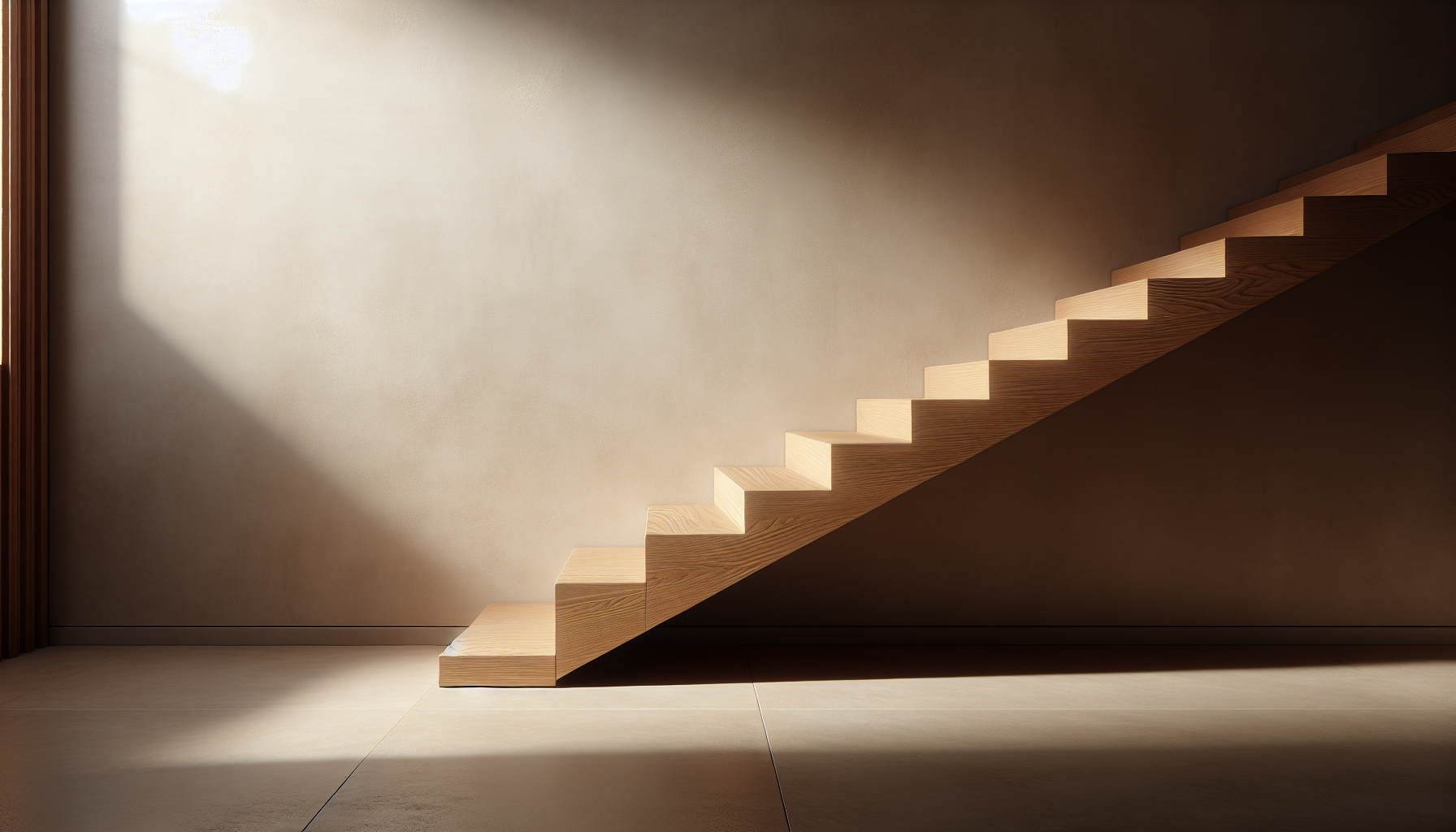
Would you like to transform your staircase and landing into a calm, elegant transition that blends Japanese minimalism with Scandinavian warmth?
Japandi-style Staircases and Tranquil Landings
Japandi combines the refined simplicity of Japanese design with the cozy functionality of Scandinavian interiors. You’ll get guidance on how to plan, design, build, and maintain a staircase and landing that feel calm, intentional, and authentic to Japandi principles.
What is Japandi and why it works for staircases and landings?
Japandi is a hybrid style that marries Japanese wabi-sabi (imperfection, simplicity, and natural materials) with Scandinavian hygge (comfort and practicality). You can use the style to make staircases and landings feel like purposeful, restful connectors rather than leftover transitional zones. Applying Japandi to vertical circulation helps you create a cohesive flow between floors while maintaining visual calm.
Key principles to follow
The strategy focuses on warm minimalism, natural materials, clean lines, and thoughtful clutter control. You’ll emphasize quality over quantity and pick items that add to both function and serenity.
Materials and finishes: natural, muted, and tactile
Choosing the right materials is vital for authenticity and longevity. Prioritize wood, stone, matte finishes, and neutral textiles, and choose finishes that age gracefully rather than shining too brightly.
Table: Common materials and considerations
| Material | Typical Use | Visual/Functional Notes |
|---|---|---|
| Oak (light to medium) | Treads, handrails, landings | Warm grain, durable, easy to stain to match palette |
| Walnut (dark, rich) | Feature treads, risers, accents | Elegant contrast, shows less wear but shows dust more |
| Bamboo | Treads, cladding | Sustainable, consistent grain, modern feel |
| Matte plaster or limewash | Wall finishes | Soft, tactile backdrop, hides small imperfections |
| Natural stone (e.g., limestone) | Landing flooring, nosing | Adds solidity and texture, cooler underfoot |
| Brushed metal (black or brass) | Balustrades, hardware | Minimal accents; black gives contrast, brass adds warmth |
| Glass (clear or frosted) | Balustrades | Keeps sightlines open, maintains light |
Planning the staircase: start with function and flow
Begin by assessing how people use your stairs: frequency, who uses them, and whether you need to move bulky items. You’ll want to balance comfortable ergonomics with the aesthetic you’re after, making modifications for safety and accessibility as needed. Consider how the staircase reads from both upstairs and downstairs — it should feel intentional from every vantage point.
Basic dimensions and safety guidance
You should check local building codes for exact, legally binding dimensions, but these common guidelines help you design with comfortable proportions. Consistency is more important than absolute numbers; even small variations in riser height can feel jarring.
Table: Typical stair geometry guidelines
| Element | Typical Range | Notes |
|---|---|---|
| Riser height | 165–190 mm (6.5–7.5 in) | Lower risers feel easier to climb; vary locally |
| Tread depth | 250–300 mm (10–12 in) | Deeper treads give a more relaxed step |
| Nosing projection | 15–30 mm (0.6–1.2 in) | Provides grip and visual separation between treads |
| Headroom | ≥2000 mm (78–80 in) | Room above stair path; verify local code |
| Handrail height | 900–1000 mm (35–39 in) | Measured from nosing; ensure continuous runs |
| Baluster spacing | ≤100 mm (4 in) | Prevents small children from slipping through |
Staircase types that suit Japandi
You can select from various stair types while maintaining Japandi values: straight runs, half-landing L-shapes, switchback stairs, and open-riser designs. You’ll prefer simple silhouettes and restrained structural details that let materials and light stand out.
- Straight run: Minimal and clean; good for narrow spaces.
- L-shaped with landing: Creates a pause and an opportunity for a tranquil landing vignette.
- Open riser: Airy and modern; maintains sightlines and light transfer.
- Floating treads: Sculptural and minimalist, especially when anchored to a wall.
Railings and balustrades: understated and functional
Japandi railings should provide safety while remaining visually light and refined. You’ll often choose slender wood or metal elements, or clear glass for minimal interruption. Avoid overly ornate details; aim for simple geometry and tactile comfort where you place your hand.
Ideas:
- Simple wooden handrails with a matte finish for warmth.
- Slim black metal balusters for contrast and crisp lines.
- Frameless glass to maximize light and openness when safety glazing is acceptable.
- Integrated handrail with wall paneling for seamless design.
Color palette: neutral base with warm accents
Your palette should be dominated by neutrals and warm woods, with muted accents that complement rather than shout. Stick to a calming, cohesive scheme across stairs and landing to reinforce tranquility and continuity.
Table: Example Japandi color palette
| Role | Color family | Example uses |
|---|---|---|
| Primary base | Off-white, soft cream | Walls, ceilings |
| Secondary base | Warm gray, greige | Stair stringers, risers |
| Wood tone | Light oak, beech | Treads, rails, landing floor |
| Accent | Muted indigo, terracotta, moss | Artwork, ceramic objects, textiles |
| Metal | Black oxide, aged brass | Fixtures, balustrades |
Texture and tactile layers
You’ll mix textures to keep the space from feeling flat: raw wood grain, hand-applied plaster, woven textiles, and matte metals. Textural contrast is what gives Japandi its quiet richness; it’s comfortable yet restrained.
Lighting: soft, layered, and directional
Good lighting clarifies each step and sets a calm atmosphere for the landing. You should aim for layered lighting: ambient, task, and accent. Warm color temperatures, dimmable fixtures, and carefully placed light sources keep the mood tranquil.
Lighting ideas:
- Recessed or linear LEDs under treads for soft guide lighting.
- A single sculptural pendant over a landing table or bench to provide focal warmth.
- Wall sconces mounted at intervals to highlight wall texture without glare.
- Integrated strip lighting in built-ins for subtle illumination.
Landing as a pause point: design it with intention
A landing is a micro-room where you can create a moment of calm — a place to pause, put on shoes, store keys, or display an object of significance. You’ll treat it as more than a pass-through by providing a simple piece of furniture, a textured wall or shelf, and a light source to create a gentle focus.
Landing layout tips:
- Keep furniture low and simple: a narrow bench, a slim console, or a single shelving niche.
- Limit decorative items to a purposeful few: one plant, one ceramic, one framed print.
- Use built-in niches or floating shelves to maintain floor space and reduce clutter.
Furniture and styling: minimal, functional, and warm
Select pieces with clean profiles and natural materials. You’ll choose furniture that complements the staircase’s lines without overwhelming the space. Multifunctional pieces (storage benches, integrated hooks) help keep the landing uncluttered.
Suggested items:
- Narrow bench with woven seat or leather cushion.
- Low console with one or two drawers in muted wood.
- Wall-mounted mirror with thin frame to visually expand the landing.
- Single ceramic vase or handcrafted bowl as a focal object.
Plants, ceramics, and art: small, meaningful accents
Plants and handcrafted objects bring life and sensory variety. Choose plants with sculptural forms — a small bonsai, a potted snake plant, or a delicate fern — and pair them with tactile ceramics in muted glazes. Art should be simple and calming: a single monochrome print, a sumi-e-inspired piece, or a textured textile hanging.
Plant care tips:
- Pick low-maintenance species for landings with limited light.
- Use simple planters in natural materials like unglazed clay or stone.
- Rotate plants occasionally to even out light exposure.
Built-in storage and under-stair solutions
Under-stair space is ideal for hidden storage in Japandi homes because it helps you maintain the uncluttered aesthetic. You can integrate drawers, shoe cubbies, or pull-out shelves that match the wood tone of the stairs so the storage reads as part of the architecture rather than added furniture.
Ideas for under-stair use:
- Pull-out drawers for shoes and seasonal items.
- Open cubby with woven baskets for frequently used items.
- Small built-in coat cabinet with minimal hardware.
- Concealed laundry hamper or pet nook with a soft cushion.
Flooring and tread details: continuity matters
Matching or coordinating landing flooring with stair treads creates visual continuity. You can choose the same wood species or a complementary stone to define a subtle separation. Consider nosing design, transition strips, and the tactile feel underfoot when choosing materials.
Recommendations:
- Use continuous wood flooring across landing and top tread where possible.
- Choose a slightly more durable finish for treads to withstand heavy wear.
- Add a narrow runner for noise control and traction if you want added comfort.
Safety, accessibility, and durable finishes
While pursuing minimalism, you must prioritize safety. You’ll ensure consistent riser heights and tread depths, properly anchored handrails, and non-slip finishes. For households with children, pets, or mobility considerations, make design choices that enhance security without sacrificing style.
Safety suggestions:
- Apply matte, non-slip finishes or treads with concealed grip strips.
- Ensure handrails are continuous and comfortable to hold.
- Use tempered glass or secure balusters with close spacing if children are present.
Codes, permits, and when to consult a professional
Local building codes dictate many aspects of stair design, especially in new constructions or major remodels. You should consult a structural engineer or licensed contractor for load-bearing changes, floating stairs, or when you alter required egress paths. Small cosmetic updates are often manageable on your own, but structural modifications should involve professionals.
When to hire a pro:
- Creating a floating or cantilevered stair.
- Reconfiguring stair geometry or moving a staircase.
- Installing structural supports or heavy glazing.
DIY vs. hiring tradespeople: realistic expectations
You can undertake cosmetic changes — sanding, staining, adding trim, installing simple railings — if you have carpentry skills and the right tools. For structural work or complex joinery, hire a skilled carpenter or staircase specialist. You’ll save time and reduce risk by getting an expert for tasks that affect safety or building integrity.
Decision factors:
- Complexity of structure and joinery.
- Local code requirements.
- Your own tools, time, and skill level.
Budgeting: realistic cost categories
Costs vary widely depending on materials, labor, and scope. You should plan for materials, labor, lighting, finishes, and a contingency for unexpected issues. A clear budget helps you prioritize where to invest — often, wood treads and a quality handrail are the most impactful elements.
Table: Rough cost ranges (indicative; vary by region)
| Item | Lower-end | Mid-range | High-end |
|---|---|---|---|
| Simple refinish (stains/paint) | $500–$1,500 | n/a | n/a |
| New wood treads & risers | $1,500–$3,500 | $3,500–$7,000 | $7,000+ |
| Custom railing (wood/metal) | $800–$2,000 | $2,000–$5,000 | $5,000+ |
| Glass balustrade | $1,500–$4,000 | $4,000–$8,000 | $8,000+ |
| Built-in storage under stairs | $800–$2,500 | $2,500–$6,000 | $6,000+ |
| Lighting upgrades | $200–$1,000 | $1,000–$3,000 | $3,000+ |
Project timeline: planning to completion
Timeline depends on scope and hiring. You’ll typically move from concept to completion in phases: planning and approvals, demolition (if needed), carpentry/structure, finishes and lighting, then styling. Expect 2–8 weeks for many retrofit projects and longer for custom structural work.
Typical phase durations:
- Planning and design: 1–3 weeks
- Permits and approvals (if needed): 2–6 weeks
- Construction and carpentry: 1–4 weeks
- Finishing and styling: 1–2 weeks
Case examples and layout ideas
Seeing how different elements play together helps you imagine possibilities. Here are concise examples of common Japandi staircase approaches to inspire the planning for your home.
Example 1: Light oak straight run with integrated bench
- Light oak treads, closed risers painted warm gray, thin black metal balusters.
- Small built-in bench at landing with a woven cushion and a wall-mounted slim shelf for keys.
- Matte limewash walls and a single pendant of muted clay.
Example 2: Open-riser floating treads with glass balustrade
- Floating oak treads anchored to a plaster-clad wall, frameless glass balustrade.
- Landing with low console and a single bonsai; matte black handrail contrasts subtly.
- Integrated under-tread LED strip lighting for safety and atmosphere.
Example 3: L-shaped stairs with storage and niche
- Closed risers with continuous wood floor across landing, integrated shoe drawers beneath.
- Small niche in landing wall with a single ceramic vessel on display, soft directional sconce lighting.
- Neutral palette with a moss-green accent textile on the bench.
Common mistakes and how to avoid them
Avoid letting trend-driven details overpower function or safety. You’ll also want to prevent clutter accumulation on landings and inconsistent finishes between matching elements.
Mistakes and solutions:
- Overly ornate balustrades: choose simplicity to maintain Japandi calm.
- Too many small decor items: limit to a few meaningful pieces for impact.
- Ignoring ergonomics: maintain consistent riser/tread dimensions for comfort.
- Poor lighting: layer light sources and include step illumination for safety.
Maintenance and longevity: how to care for your staircase
Natural materials require care to retain their beauty. You’ll adopt routines that protect wood from wear and stone from staining while embracing the subtle patina that comes with use.
Care tips:
- Use a soft broom or microfiber mop for daily dusting.
- Refinish high-traffic treads every few years with a durable matte oil or polyurethane designed for floors.
- Treat spills promptly to prevent staining on stone or wood.
- Check handrail fastenings and baluster integrity annually, especially if used frequently.
Sustainability considerations
Japandi often favors sustainability through material choices and longevity. You can choose responsibly sourced woods, reclaimed materials, or FSC-certified products. Durable design reduces waste by keeping elements in service for decades.
Sustainable choices:
- Salvaged or reclaimed wood treads for character and reduced impact.
- Low-VOC finishes and paints to improve indoor air quality.
- Durable hardware to reduce premature replacement.
Final checklist: before you start
Use this checklist to make sure you’ve considered the essentials before beginning construction or renovation.
- You’ve measured riser heights and tread depths and checked local codes.
- You’ve selected materials and finishes that harmonize with the rest of your home.
- You’ve planned lighting, safety features, and handrail continuity.
- You’ve decided whether to DIY or hire a professional and set a realistic budget.
- You’ve chosen a few purposeful decorative items for the landing, keeping clutter minimal.
Closing thoughts and encouragement
Transforming your staircase and landing into Japandi-inspired spaces is about balancing restraint and warmth. You’ll find that subtle choices — the grain of wood, a soft light, a single handcrafted object — create calm and continuity through your home. Take your time in planning, prioritize safety and durability, and select elements that will age gracefully so the space continues to feel intentional for years to come.
If you’d like, you can tell me about your staircase dimensions, current materials, and any constraints, and I’ll help you sketch a tailored plan with specific material suggestions and a simple budget estimate.