
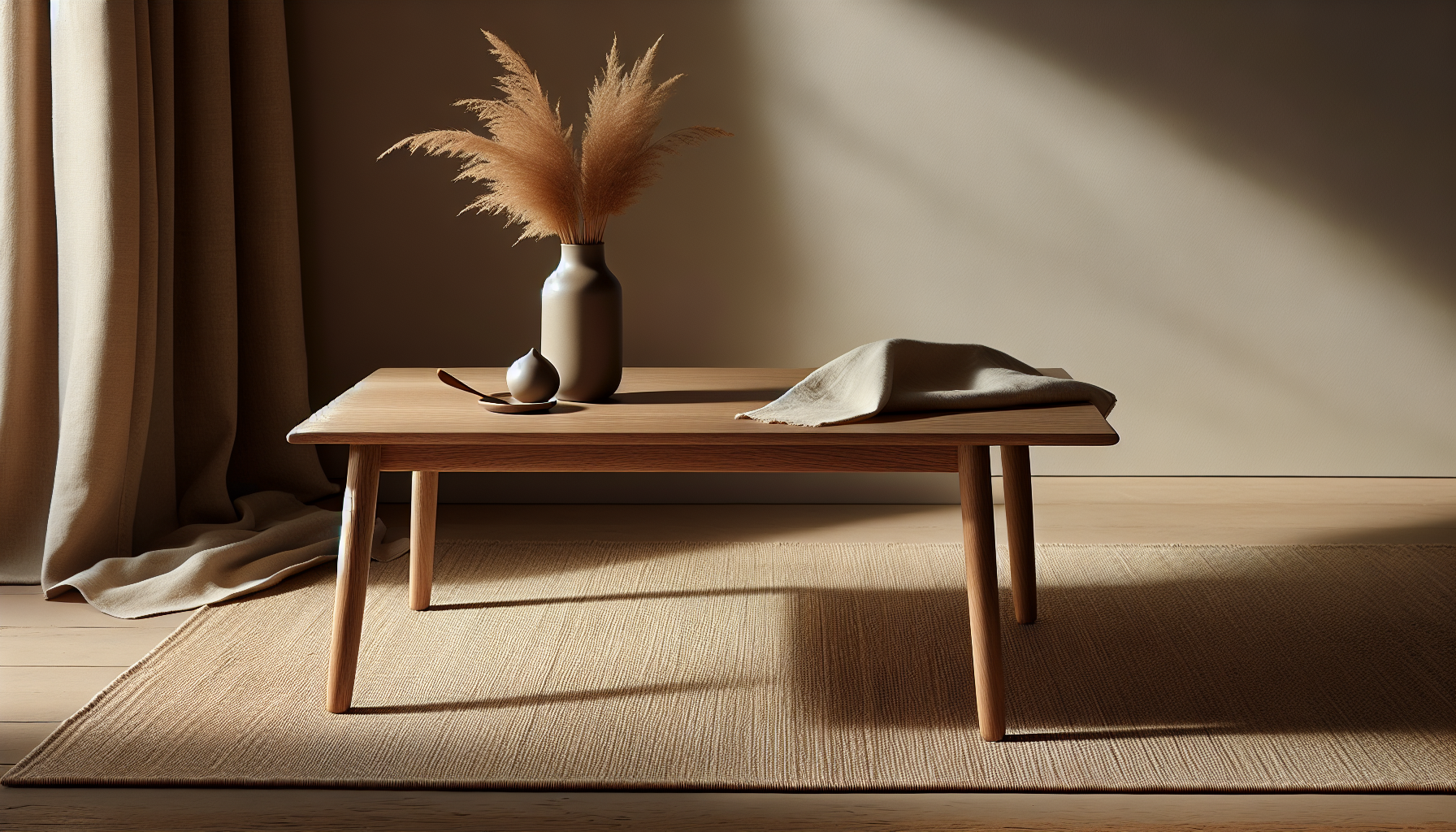
? Can you make a duplex or townhouse feel calm, warm, and intentionally spacious using Japandi style even when square footage is tight?
Japandi Style in Compact Urban Homes
Japandi is a hybrid aesthetic that combines the clean minimalism of Scandinavian design with the wabi-sabi warmth and restraint of Japanese interiors. You’ll learn practical, room-by-room ways to apply Japandi in a compact duplex or townhouse, plus planning steps, material choices, furniture sizing, lighting, storage solutions, budgeting, and timelines so you can transform your small urban home into a serene and functional retreat.
What is Japandi?
Japandi merges two philosophies: Scandinavian simplicity and cozy hygge, with Japanese restraint and appreciation for natural imperfection. You’ll notice uncluttered layouts, tactile materials, neutral palettes, and handcrafted pieces that prioritize function and form.
This style isn’t about copying a look; it’s about adopting principles that make small spaces feel intentional, airy, and grounded. You’ll use material honesty, soft textures, and selective objects to achieve impact without clutter.
Key Principles of Japandi
The core ideas that guide all design choices are simplicity, function, natural materials, and subtle contrast. You’ll aim for calm compositions, purposeful objects, and quality over quantity.
These principles help you choose furniture, finishes, and decorative elements that contribute to a cohesive whole—critical when you’re working within the constraints of a duplex or townhouse.
Why Japandi Works for Compact Urban Homes
Japandi prioritizes efficiency, multi-functionality, and visual calm—traits that directly address common small-home challenges. You’ll find ways to make spaces feel larger and more cohesive while maintaining warmth.
The style is also forgiving; its focus on tactile materials and neutral palettes means you can mix inexpensive and investment pieces without breaking harmony. That makes it easier for you to phase the project according to budget and time.
Japandi vs Scandinavian vs Japanese (Quick Comparison)
This table helps you understand the overlaps and differences so you can decide which elements to emphasize in your home.
| Feature | Japandi | Scandinavian | Japanese |
|---|---|---|---|
| Palette | Muted neutrals with warm undertones | Light, cool neutrals | Earthy neutrals, sometimes darker woods |
| Materials | Natural woods, linen, ceramics | Light woods, wool, cotton | Dark woods, bamboo, paper, ceramics |
| Furniture | Low-profile, simple, sturdy | Functional, multifunctional | Low, craft-focused, minimalist |
| Textures | Balanced: soft textiles + raw surfaces | Soft textiles emphasized | Smooth surfaces + raw natural texture |
| Ornament | Minimal, curated | Functional decor | Wabi-sabi simplicity |
| Fit for small homes | High | High | High |
Planning and Assessment: First Steps
Before you buy anything, measure, map, and prioritize. You’ll avoid costly mistakes and make each purchase purposeful.
Start with a detailed floor plan of both floors, noting fixed elements: windows, radiators, doors, stairs, and load-bearing walls. Record natural light direction and typical movement flows.
Determine Your Priorities
Decide how you use each space and which functions must coexist—like workspace vs sleeping area. You’ll use that to choose flexible furniture and layout.
Ask yourself: Do you entertain often? Do you work from home? Do you need guest sleeping? Your answers will affect decisions about convertibility, storage, and seating.
Create a Simple Mood Board
Gather material swatches, color chips, and photos that capture the balance you want between Scandinavian brightness and Japanese warmth. You’ll refine choices before committing to finishes and furniture.
This visual guide will help you maintain coherence across both floors and prevent impulse buys that disrupt the palette or material mix.
Zoning and Layout Strategies for Duplexes and Townhouses
Zoning creates clear functions without heavy partitions. You’ll use furniture, rugs, and lighting to define areas while keeping sightlines open.
In a duplex or townhouse, vertical separation between private and public spaces is natural. Keep public spaces (living, dining, kitchen) on the street level and bedrooms and workspace upstairs where possible.
Open-Plan Living in Narrow Widths
If your living area is linear, orient furniture to promote flow from the entrance through to the back. You’ll prioritize low-profile pieces and narrow circulation paths.
Use a single dominant rug to anchor a seating area; floating the sofa away from walls can create a visual gap that makes the layout feel more spacious. Choose armless chairs or slim-profile sofas to preserve sightlines.
Staircases and Vertical Circulation
Stairs are an opportunity for storage, display, and material continuity. You’ll use wood treads and simple railings that match the tone of the floors to create a cohesive look.
Under-stair storage can be custom-fit for books, shoes, or a compact workstation. Keep finishes minimal so the staircase reads as a structural element rather than cluttered furniture.
Color Palette and Finishes
Your palette is the backbone of Japandi: muted neutrals, warm wood tones, and selective deep accents. You’ll use contrast sparingly to preserve calm.
Consider these general guidelines: base colors in warm whites, beiges, and greiges; mid-tone woods such as oak and ash; darker accents in charcoal, indigo, or muted black-browns.
Suggested Color Palette with Hex Codes
This small palette gives you reference for paints, fabrics, and accessories.
| Role | Color | Hex |
|---|---|---|
| Base neutral | Soft warm white | #F5F3EE |
| Secondary neutral | Greige | #D8D4CC |
| Wood tone | Light oak | #C9A77A |
| Accent deep | Charcoal | #303030 |
| Accent color | Muted indigo | #3D5A8E |
| Natural green | Olive | #7F8A56 |
Use the accent deep sparingly—on a piece of furniture, a framed print, or a doorway trim—to create depth without heaviness.
Materials and Textures
Japandi relies on honest, tactile materials. You’ll choose durable, low-maintenance surfaces with natural texture for warmth.
Use: matte or satin painted walls, unfinished or lightly finished oak floors, linen textiles, wool throws, ceramic pottery, and leather or woven accents.
Materials Table: Where to Use Them
| Material | Best Use | Maintenance |
|---|---|---|
| Oak (light) | Flooring, shelving, furniture | Regular dusting, occasional oil |
| Walnut/Cherry (dark accents) | Accent furniture, frames | Avoid direct sunlight, dust |
| Linen | Curtains, cushion covers | Machine wash delicate or dry clean |
| Wool | Rugs, throws | Vacuum regularly, spot clean |
| Ceramics | Vases, bowls | Hand wash, avoid chips |
| Natural stone | Countertops, tiles | Sealant recommended for porous surfaces |
Furniture: Scale and Selection
In compact homes, you’ll favor low, slim, multipurpose furniture with quality craftsmanship. Pieces should have negative space around them to let the room breathe.
Aim for a mix: one or two investment pieces (sofa, dining table) and simpler supporting items (side tables, chairs). Choose furniture that reads as light visually—open legs, thin profiles, shallow depths.
Recommended Furniture Dimensions for Small Spaces
| Room/Item | Suggested Dimensions | Notes |
|---|---|---|
| Sofa (2-seat) | 140–170 cm width, 80–90 cm depth | Low back, slim arms |
| Armchair | 70–85 cm width, 75–85 cm depth | Compact, light frame |
| Coffee table | 90–110 cm length, 45–55 cm depth | Low profile, round or oval soften lines |
| Dining table (2–4) | 90–130 cm length, 70–80 cm depth | Extendable options are ideal |
| Dining chairs | 45–50 cm seat width | Stackable or armless for tight fit |
| Bed (queen) | 160 cm width, 200 cm length frame | Low platform bed for Japandi look |
| Nightstand | 40–50 cm width | Minimal, one drawer or shelf |
| Console/Entry table | 80–110 cm length, 25–35 cm depth | Narrow but useful for storage |
You’ll measure doorways and stair landings before purchasing larger pieces to ensure they’ll fit during delivery.
Multipurpose Furniture Ideas
Use storage ottomans, bench seating with hidden compartments, beds with understorage drawers, and wall-mounted fold-down desks. These items keep clutter out of sight while maintaining a simple silhouette.
Room-by-Room Guide
Walk through each major space with concrete suggestions for layout, materials, and storage to help you implement Japandi step by step.
Entry and Mudroom
Make the first impression calm and ordered. You’ll want clean surfaces, a bench for shoes, and discreet hooks for coats.
Choose a slim console or floating shelf with a small tray or ceramic dish for keys. Natural materials like a woven rug and wooden bench set the tone immediately.
Living Room
The living area should be centered on relaxation and conversation. You’ll use low-profile seating, a single understated rug, and a small cluster of curated objects.
Arrange seating to allow flow and avoid back-to-wall crowding. Keep media storage minimal—custom lower cabinets or a simple credenza in wood hide electronics and provide surface for a few ceramics or a plant.
Kitchen
Functional simplicity is key: uncluttered counters, integrated appliances where possible, and open shelving for a few curated items.
Use matte cabinetry in neutral tones with simple hardware, and choose natural stone or composite countertops with subtle veining. Add a ceramic pitcher and wooden cutting board as purposeful decor.
Dining
A small, solid-wood dining table with clean lines will serve multiple purposes: meals, work, and socializing. You’ll opt for chairs that tuck in neatly.
Consider an extendable table if you host occasionally. A single pendant light centered over the table creates a focal point without visual clutter.
Bedrooms
Bedrooms should feel like a sanctuary: low platform beds, minimal bedside tables, and layered textiles for comfort. You’ll keep color restrained and textures soft.
Limit visible furniture to essentials and use built-in or freestanding wardrobes with sliding doors to save space. Consider blackout linen curtains if you need restful sleep in an urban setting.
Bathrooms
Keep fixtures simple with natural stone or matte tiles, wooden accents, and minimal hardware. A wall-mounted vanity frees floor space visually.
Add soft, neutral towels and a single sculptural soap dish or ceramic vase. Keep toiletries in drawers or woven baskets to maintain the calm aesthetic.
Home Office / Work Nook
Create a small office that’s organized and serene: a simple desk, an ergonomic chair with slim profile, and vertical storage.
If space is limited, use wall-mounted shelves, a fold-down desk, or repurpose a console table. Position the workspace near natural light to support wellbeing.
Balcony / Outdoor Nook
Even a narrow balcony benefits from natural materials and simple seating. You’ll use a small bench, floor cushions, and potted evergreen or grasses.
Keep plants in ceramic or terracotta pots and add a low table to create a small tea spot. Use outdoor textiles in muted tones for continuity.
Storage Strategies
Storage is the backbone of small-home design. You’ll aim to hide clutter and make everyday items easy to access.
Use built-ins where possible—staircase drawers, wall-to-wall wardrobes, and under-bed storage. Floating shelves are fine for curated displays, but don’t treat them as catch-alls.
Smart Storage Solutions
- Vertical cabinets that reach the ceiling for seldom-used items.
- Concealed storage benches in entry and living rooms.
- Multi-functional furniture (beds, ottomans, sofas).
- Slim kitchen pull-outs, spice drawers, and vertical plate racks.
- Laundry hampers integrated into cabinetry.
Lighting: Layered and Warm
In Japandi, lighting must be functional but also sculptural. You’ll layer ambient, task, and accent lighting to create depth.
Use warm LED temperatures (2700–3000K) to emphasize wood tones and create coziness. Select fixtures in matte black, brass, or natural wood.
Lighting Checklist
- Ambient: recessed or central fixtures for even light.
- Task: table lamps, under-cabinet lights, and pendant lights over dining/work surfaces.
- Accent: wall sconces, picture lights, and a spotlight for a favorite object.
- Dimmers: essential to control mood and conserve energy.
Plants and Natural Accents
Plants bring life and softness. You’ll use a few well-chosen species in ceramic or terracotta pots to complement the neutral palette.
Choose low-maintenance plants if you’re short on time: snake plant, ZZ plant, pothos, or ficus. Taller plants can help define corners and add vertical interest.
Art and Decorative Objects
Japandi values carefully chosen objects—often handmade, imperfect, and meaningful. You’ll limit art to a few pieces that offer contrast and texture.
Consider a single oversized print, a ceramic bowl on a coffee table, or a handmade timber tray. The power is in restraint: less is more.
Budgeting Your Japandi Makeover
You can implement Japandi on various budgets by allocating money to items that last and choosing affordable complementary pieces.
| Budget Tier | Focus | Example Spend Allocation |
|---|---|---|
| Budget-friendly | Essential pieces and paint | Sofa (affordable) $600, table $150, rug $100, paint $50 |
| Mid-range | Mix of durable pieces and custom elements | Sofa $1500, dining table $600, rug $300, lighting $200 |
| Investment | Custom cabinetry, high-quality furniture | Sofa $3000, custom kitchen $8000, flooring $4000 |
Prioritize investment in pieces you use daily—bed, sofa, dining table—then layer cheaper accessories and textiles.
Where to Shop and What to Look For
You’ll look for natural materials, simple craftsmanship, and neutral tones. Mix online retailers, local artisans, and secondhand finds.
Tips:
- Search for solid-wood frames, not just veneers.
- Inspect joint quality (dovetail or mortise-and-tenon are good signs).
- Match scales to your measurements.
- Buy rugs slightly larger than minimum to anchor spaces.
DIY and Upcycling Ideas
You can achieve Japandi warmth without replacing everything. You’ll refinish a few pieces, replace knobs, and add simple legs to existing cabinets for the aesthetic.
Simple projects:
- Sand and oil an old table to reveal warm wood grain.
- Replace cabinet handles with slim brass or wooden pulls.
- Sew linen cushion covers in neutral tones.
- Build floating shelves from reclaimed wood and matte brackets.
Phased Timeline and Checklist
A phased approach helps you manage time and budget while transforming both floors of a duplex or townhouse.
Phase 1: Assessment & Plan (1–2 weeks)
- Measure, photograph, and list needs.
- Create a mood board and budget.
Phase 2: Big Moves (2–6 weeks)
- Flooring, painting, and kitchen updates.
- Install built-ins and lighting.
Phase 3: Furniture & Storage (1–3 weeks)
- Deliver and arrange major furniture.
- Add storage solutions and textiles.
Phase 4: Styling & Finishing (1–2 weeks)
- Add plants, art, and curated objects.
- Final touches and adjustments.
This timeline is flexible—some projects overlap. You’ll prioritize disruption-friendly tasks when you can live around work being done.
Maintenance and Longevity
Japandi favors materials that age gracefully, but you’ll still need routine care. Regular cleaning, prompt repair of damage, and seasonal textile rotations keep the home fresh.
Tips:
- For wood: dust weekly and oil or wax annually.
- For textiles: launder in rotation to prolong durability.
- For ceramics and pottery: avoid abrupt temperature changes to prevent cracking.
Sustainability Considerations
You can make Japandi more sustainable by selecting durable furniture, choosing FSC-certified or reclaimed wood, and shopping local when possible. You’ll reduce waste and choose pieces that work well over time.
Consider upholstery fabrics with natural fibers or recycled content and energy-efficient lighting to lower environmental impact.
Accessibility and Comfort
Ensure circulation paths are clear and consider slightly higher seating if stairs or mobility are a concern. You’ll balance low-profile Japandi furniture with practical height needs by choosing slightly higher seats in key areas.
Add textured rugs for traction and stable, comfortable seating for elders or those with limited mobility.
Common Mistakes to Avoid
- Over-accessorizing: Too many objects destroy the calm you’re trying to achieve. You’ll curate strictly.
- Ignoring scale: Bulky furniture will make tight rooms feel smaller. You’ll measure and choose accordingly.
- Mixing too many wood tones: Aim for consistency—one primary wood and one darker contrast.
Final Checklist Before You Start Buying
- Measured each room (height, width, doorways)
- Defined functions and priorities per room
- Created a cohesive color/material mood board
- Selected two investment pieces per floor
- Planned storage and hidden-clutter solutions
- Set a budget and phasing timeline
Sample Room Budget and Shopping Plan (Example)
This sample helps you visualize how to allocate funds for a main-floor living/dining/kitchen area in a 600–900 sq ft footprint.
| Item | Priority | Estimated Cost |
|---|---|---|
| Sofa (2-seat low profile) | High | $1,000 |
| Dining table (expandable) | High | $700 |
| Chairs (4, mixed styles) | Medium | $400 |
| Rug (large) | Medium | $300 |
| Lighting (pendant + lamp) | Medium | $250 |
| Storage/credence | High | $800 |
| Textiles (curtains, cushions) | Low | $200 |
| Plants & ceramics | Low | $150 |
| Total | $3,800 |
You’ll adjust numbers to fit your local market and personal priorities.
Case Study: Small Townhouse Transformation (Example)
Imagine a two-story townhouse, 1,000 sq ft. You’ll place the living/dining/kitchen on the ground floor and sleeping areas above. By unifying materials—light oak flooring, off-white walls, and charcoal accents—you create continuity.
Key moves:
- Replace heavy curtains with linen drapes to brighten rooms.
- Swap a bulky sectional for a low-profile two-seat sofa and two slim chairs for flexible seating.
- Install under-stair drawers for seasonal storage.
- Add an extendable dining table to maximize usable space.
After these changes, the home reads larger, calmer, and more purposeful without major structural work.
Final Thoughts
You can absolutely apply Japandi design to a duplex or townhouse. The style’s emphasis on simplicity, natural materials, and purposeful design is especially well-suited to small urban homes because it reduces visual noise and maximizes functionality.
Begin with measurement and priorities, choose a restrained palette and a few high-quality pieces, then layer finishes, lighting, and curated objects. With planning, restraint, and attention to materiality, your compact home will feel like a cohesive, warm, and modern sanctuary.
If you’d like, tell me the square footage and layout of your duplex or townhouse and your main priorities (storage, entertaining, work, rest). I can give room-specific layout sketches, furniture dimension suggestions, and a phased shopping list tailored to your space.