
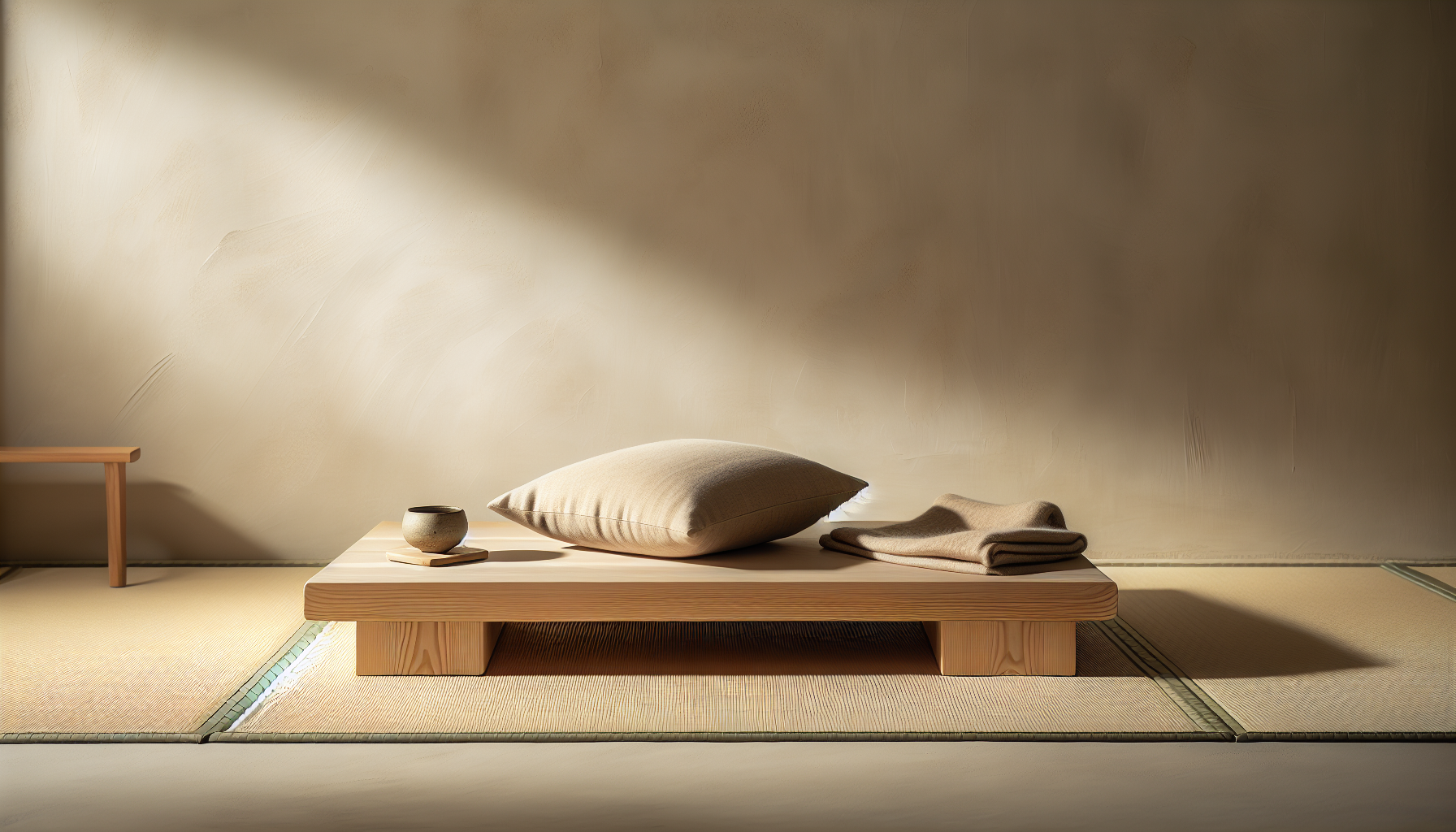
?Are you wondering how to design a Japandi-style bench or low seating area that feels calm, functional, and beautifully balanced?
Japandi-style bench and low seating area design ideas
Japandi fuses Japanese minimalism and Scandinavian warmth to create spaces that feel serene, tactile, and purposeful. This article gives you practical ideas, measurements, materials, and styling tips so you can create a bench or low seating area that matches that aesthetic and suits your daily life.
What is Japandi and why low seating works for it
Japandi combines the clean lines and restrained palette of Japanese design with the cozy, functional warmth of Scandinavian interiors. Low seating and benches fit naturally into this hybrid because they emphasize human scale, simplicity, and a grounded feeling that encourages calm and connection.
Core principles to guide your design choices
Use Japandi principles as a compass when you make decisions about form, material, and function. These ideas will help you create a cohesive bench or seating area rather than an assembly of mismatched pieces.
Minimalism with intention
Minimalism in Japandi isn’t about empty spaces alone, it’s about purposeful selection and restraint. You choose fewer objects but make sure each one is useful, well-made, and aesthetically satisfying.
Natural materials and honest finishes
Natural wood, linen, wool, paper, and stone are front and center in Japandi design. You should favor materials that age gracefully and show texture rather than hiding it under glossy, synthetic surfaces.
Neutral palette with warm accents
A neutral base—soft whites, warm beiges, muted greys—creates calm, while carefully chosen accents add warmth. You can use subtle, nature-inspired tones for cushions, ceramics, or a single artwork to bring character without clutter.
Functionality and craftsmanship
Good joinery and simple, durable mechanisms are preferable to ornamentation. When you design a bench or low seating area, make sure it performs—storage, comfort, and accessibility matter as much as looks.
Respect for proportion and negative space
Spacing and scale are crucial: low seating emphasizes horizontal lines and human scale. Leave breathing room around your bench so the form and materials can register visually and physically.
Planning your bench or low seating area
Before you buy or build anything, assess the room, intended use, and who will use the seating. Proper planning saves you time and money and results in a place that feels useful and intentional.
Identify the purpose and location
Decide whether the bench is for an entryway, living room, bedroom, balcony, dining area, or meditation nook. Each location has different requirements for storage, weather resistance, comfort, and scale.
Consider ergonomics and dimensions
Comfortable seating is about proportion: height, depth, seat angle, and cushion thickness. Use the table below as a starting guideline, then adjust to your height and the room’s scale.
| Seating type | Typical seat height (cm) | Typical seat depth (cm) | Recommended cushion thickness (cm) |
|---|---|---|---|
| Standard bench | 40–48 | 30–45 | 5–10 |
| Low bench / platform | 25–35 | 35–55 | 8–12 |
| Zaisu (backrest, no legs) | 5–15 | 35–45 | 6–10 |
| Floor cushions (zabuton) | 2–8 | 40–60 | 5–15 |
| Window seat (built-in) | 40–50 | 30–50 | 8–12 |
Account for traffic flow and clearances
Leave 75–90 cm of clear circulation space in front of a bench to allow comfortable movement. If the bench sits against a wall, allow at least 30–40 cm behind the user’s back if you add a backrest that projects beyond the seat.
Plan lighting and focal points
A bench can be a useful anchor under a window, beside a low table, or beneath a wall sconce or pendant. Think about how natural and artificial light will highlight textures and create inviting shadow.
Materials, finishes, and joinery
Choosing the right materials and finishes ensures the bench will look appropriate in a Japandi scheme and withstand daily use. Prioritize honest materials and simple, reliable construction.
Wood choices and characteristics
Hardwoods with visible, attractive grain and warm tones are ideal. The table below helps you choose a wood that suits your budget, patina preference, and maintenance tolerance.
| Wood | Appearance | Durability | Typical finish | Price range |
|---|---|---|---|---|
| Oak | Prominent grain, warm honey tone | High | Oil, matte lacquer | Mid |
| Walnut | Rich dark brown, elegant grain | High | Oil, wax | High |
| Ash | Light, straight grain | Good | Oil, matte lacquer | Mid |
| Teak | Golden brown, oily natural oils | Very high (good outdoors) | Natural oil | High |
| Birch/Pine | Pale, subtle grain | Moderate | Paint or oil | Low–mid |
Upholstery, fabrics, and textile choices
Choose breathable, natural fibers and muted colors to fit the aesthetic. Textures like slubbed linen, boiled wool, hemp, and cotton-linen blends will bring tactile warmth without visual noise.
| Fabric | Feel | Durability | Best use |
|---|---|---|---|
| Linen | Cool, textured | Medium | Seat covers, cushions |
| Wool | Warm, springy | High | Cushion covers, throws |
| Cotton-linen blend | Soft, breathable | Medium | Cushion covers |
| Hemp | Coarse, sturdy | High | Hardwearing cushions |
| Velvet (matte) | Soft, luxe | Medium | Accent cushion |
Cushion fills and comfort
Cushion fill affects comfort and longevity. Use foam cores wrapped with natural materials for structure and a soft outer layer for comfort. Feather or down toppers add plushness but require regular fluffing.
| Fill type | Support | Maintenance | Recommended use |
|---|---|---|---|
| High-density foam | Firm, supportive | Low | Bench seat cores |
| Foam + feather wrap | Firm core, soft top | Medium | Everyday seating |
| Latex | Resilient, natural | Low | Long-lasting pads |
| Feather/down | Soft, plush | High | Accent cushions, toppers |
| Polyester fiber | Soft, cheaper | Medium | Budget cushions |
Finishes and patina
Prefer oil, wax, or matte lacquer finishes that allow wood texture to show. Oils (like tung or linseed) nourish wood and can be refreshed over time, which suits Japandi’s appreciation of natural aging.
Sustainable and reclaimed options
Look for FSC-certified wood, salvaged timber, or reclaimed benches to reduce environmental impact. Reclaimed wood often adds character through patina and marks that suit the understated, honest aesthetic.
Design ideas and practical configurations
Below are specific bench and low-seat concepts with construction notes, styling suggestions, and where they work best. Each idea is suited to Japandi balance—function paired with restrained beauty.
Simple slatted bench for entryway
A slatted wooden bench with clean legs offers a lightweight look and useful air circulation for shoes. Add a low shelf beneath for storage and a single linen cushion in a neutral tone for comfort.
Construction tips: use mortise-and-tenon joinery or dowels for durability and a clean look. Keep angles simple—90° joints or gently rounded edges.
Styling tips: place a woven basket underneath for shoe storage and a ceramic tray on top for keys. A single slender branch in a small vase can add an organic touch.
Floating bench for a minimalist wall
A wall-mounted, floating bench creates an airy sense and leaves floor space visible which emphasizes negative space. This works perfectly in compact entryways or as a console behind a sofa.
Construction tips: use a hidden cleat or substantial steel brackets anchored to studs. Choose solid wood laminated for stability.
Styling tips: keep items sparse—one cushion, one throw, and a sculptural object. Use a low wall sconce above to create a warm pocket of light.
Low platform seating with backrest for living rooms
A low platform with a simple, angled backrest creates lounge seating that reads like a Japanese engawa or Scandinavian daybed. You should use supportive foam cores and removable covers for practicality.
Construction tips: keep the seat frame low and robust; use slatted support or webbing for comfort. An angled backrest of 5–10 degrees increases comfort.
Styling tips: layer a textured wool throw and one or two floor-level cushions. Place a low coffee table in front to keep a relaxed scale.
Zaisu-style chairs and floor cushion combos
Zaisu are legless chairs with back support, perfect when you want a formal low dining or reading nook. Combine with zabuton (flat floor cushions) for extra comfort and a Zen-like setting.
Construction tips: use a low wooden back with padded support or foldable frames that store easily. Ensure fabrics are washable or have removable covers.
Styling tips: combine muted colors and one artisanal ceramic cup on a tray to make the area feel intentional and uncluttered.
Modular low seating for flexibility
Modular blocks or units allow you to rearrange seating for guests, nap space, or family time. Opt for simple cube modules with natural fabric covers that can be moved easily.
Construction tips: use connectors or non-slip bottoms to keep modules aligned. Make modules double as storage cubes if possible.
Styling tips: keep modules in neutral tones and add one accent cushion with subtle pattern. Store extra throws nearby in a simple basket.
Bench as room divider or console
A long low bench can visually divide a living and dining area or act as a console behind a sofa. Use open shelving beneath to keep the silhouette light.
Construction tips: build the bench low and long with consistent grain orientation to emphasize horizontal flow. Consider a single continuous plank look.
Styling tips: place minimal sculptural objects and a thin runner to bring unity. Keep plants minimal—one taller specimen at one end balances the composition.
Corner low seating nook with daybed feel
Create a cozy corner with a low bench that wraps the corner and a few back cushions for lounging. This is a calm spot for reading or quiet conversation.
Construction tips: ensure corner joints are clean and consider hinged lids for storage under seats. Make the corner depth comfortable for lounging—at least 45–55 cm.
Styling tips: add a floor lamp with soft light and a low table for books or tea. Use cushions in varied but complementary textures.
Window seat bench with hidden storage
A built-in window bench gives you a contemplative spot and practical storage. Use deep drawers or lift-up lids, and choose a cushion with washable covers.
Construction tips: build to precise window measurements and ensure ventilation to prevent damp. Use soft-close hinges for lift-up lids.
Styling tips: keep the cushion low and add 2–3 cushions for back support. A single plant on the sill enhances the view without cluttering.
Outdoor or covered balcony Japandi bench
Select weather-resistant woods like teak or oiled oak for covered outdoor benches. Keep cushions water-resistant but breathable and use removable covers for cleaning.
Construction tips: allow for drainage and airflow under the bench. Use stainless steel or brass fittings to resist corrosion.
Styling tips: choose potted grasses, a small stone lantern, and a textured outdoor rug for a calm terrace.
Combining Japandi elements: texture, pattern, and color
Japandi uses limited patterning and layered textures to maintain interest without overwhelming the senses. Thoughtful pairing creates a balanced, calming area.
Neutral palette with warm undertones
Choose a base of soft whites, warm beiges, muted greys, and natural wood tones. Add accents like deep indigo, muted green, or ochre sparsely to retain serenity.
Texture layering for warmth
Combine smooth wood surfaces with nubby linen cushions, a boiled wool throw, and a woven grass rug. This contrast creates tactile depth while keeping the look restrained.
Patterns: restraint is key
If you add pattern, keep it subtle and organic—thin stripes, Japanese indigo shibori, or muted geometric forms. Use pattern on small accent cushions rather than the main seating surface.
Accessories and styling for a Japandi bench
Accessories should be purposeful and minimal. Use objects that have tactile quality, cultural resonance, or function.
Cushions, throws, and layers
Use a small number of cushions in different textures and sizes to make the seating inviting. A single wool throw draped casually suggests comfort without clutter.
Trays, ceramics, and functional decor
Select simple ceramics, a wooden tray, or a single sculptural object. Keep items grouped intentionally, never spread randomly.
Greenery and plant choices
Choose plants with simple forms—ficus, snake plant, Japanese maple sapling (indoors if small), or bonsai—for sculptural interest. Place them to balance the composition rather than dominate it.
Rugs and floor coverings
Natural fiber rugs like sisal, jute, or wool add warmth and guard floors. Choose low-pile rugs for ease of movement and cleaning, and make sure the rug dimension supports the seating area visually.
Ergonomics, comfort, and maintenance
Comfort and practicality matter equally with aesthetics. Consider how people will use the bench daily and design for easy upkeep.
Seat height, depth, and support
Lower seating encourages relaxed posture and a grounded feeling, but ensure the seat depth supports feet or provides cushions for lumbar support. Test prototypes or use mock-ups with boxes and cushions before committing.
Cushion density, fill, and durability
Choose a high-density foam core for structural bench seats and softer toppers for comfort. Replaceable or zippered covers greatly extend life and improve hygiene.
Care and cleaning for wood and fabrics
Use a soft cloth and mild soap for routine wood cleaning; re-oil rather than sand whenever possible. For fabrics, prefer removable covers or stain-resistant natural textiles that can be spot-cleaned or laundered.
DIY and budget-friendly approaches
You can create a Japandi bench on a modest budget by focusing on material honesty and clean lines rather than expensive finishes. Thoughtful repurposing often yields beautiful, unique results.
Simple DIY bench build plan (basic)
Build a straightforward bench with a solid slab top, four tapered legs, and a linen cushion. Use pine or birch for cost-effectiveness and finish with a clear oil that brings out the grain.
Materials list: plank top (solid wood or plywood with veneer), four legs (tapered), screws/dowels, wood glue, oil finish, foam cushion, linen cover. Estimated build time: 4–8 hours for basic construction plus drying.
Upcycling and thrift finds
Refinish an old wooden bench by sanding and applying oil; replace damaged upholstery with linen. Often you can find sturdy frames or vintage pieces that only need a simple refresh to achieve a Japandi look.
Tools and finishing tips
Essential tools include a circular saw, sander, drill, clamps, and a router for softened edges. Use a scrub of oil and a light sanding to achieve a soft matte finish that highlights grain.
Shopping checklist and budget guide
Knowing what to buy and where to save can help you achieve a polished Japandi bench without overspending. Use quality where it matters—structure and touchpoints—and be pragmatic elsewhere.
| Item | Low budget | Mid budget | High budget |
|---|---|---|---|
| Solid bench frame | $50–$150 | $150–$400 | $400+ |
| Cushion foam and cover | $20–$80 | $80–$200 | $200+ |
| Built-in storage (DIY) | $0–$100 | $100–$300 | $300+ |
| Lighting/fixtures | $30–$100 | $100–$250 | $250+ |
| Accessories (plants, ceramics) | $20–$100 | $100–$300 | $300+ |
Make tradeoffs: invest in solid structure and a quality cushion core, but save on decorative items by choosing simpler accessories.
Common mistakes to avoid
Avoid these pitfalls to keep your bench and seating area true to Japandi principles and comfortable for everyday use.
- Over-decorating the bench with too many objects or cushions; restraint looks cleaner and functions better.
- Using slick, shiny finishes that hide the wood grain; the natural texture is part of the appeal.
- Choosing a seat that’s too high or too shallow for the intended use; always test dimensions with real bodies.
- Neglecting storage needs in an entryway or family area; form matters, but utility is essential.
- Mixing too many loud patterns or colors that break the calm, cohesive palette.
Example room scenarios and quick setups
Below are brief practical configurations you can adapt based on room type and function. These examples help you quickly visualize scale, materials, and accessories.
Entryway: compact, functional, calm
Place a 40–45 cm high slatted oak bench with a woven basket beneath. Add a linen seat pad, a small bowl for keys, and a wall hook for a coat—keep a single sculptural vase on the bench for visual interest.
Living room: low lounging cluster
Use a 30 cm high platform bench with angled backrest and a low coffee table in front. Layer a wool throw and two neutral cushions; use a potted ficus beside the bench for vertical balance.
Bedroom: reading nook
Install a built-in window seat with lift-up storage and a soft wool cushion. Add a zaisu chair or two floor cushions for guests and a simple floor lamp with warm light.
Balcony: sheltered calm
Choose a teak bench with removable weatherproof cushions and a jute rug. Add a couple of potted grasses and a small lantern for evening ambiance.
Final thoughts and next steps
You can create a Japandi bench or low seating area that feels calming, functional, and uniquely yours by focusing on natural materials, thoughtful proportions, and restrained accessories. Start with a clear purpose, test dimensions in the space, and prioritize craft and comfort—then let subtle texture and a muted palette do the rest.
If you want, tell me which room you’re working with and your rough dimensions and budget, and I’ll give you a tailored plan and shopping list to make your Japandi bench or low seating area come to life.