
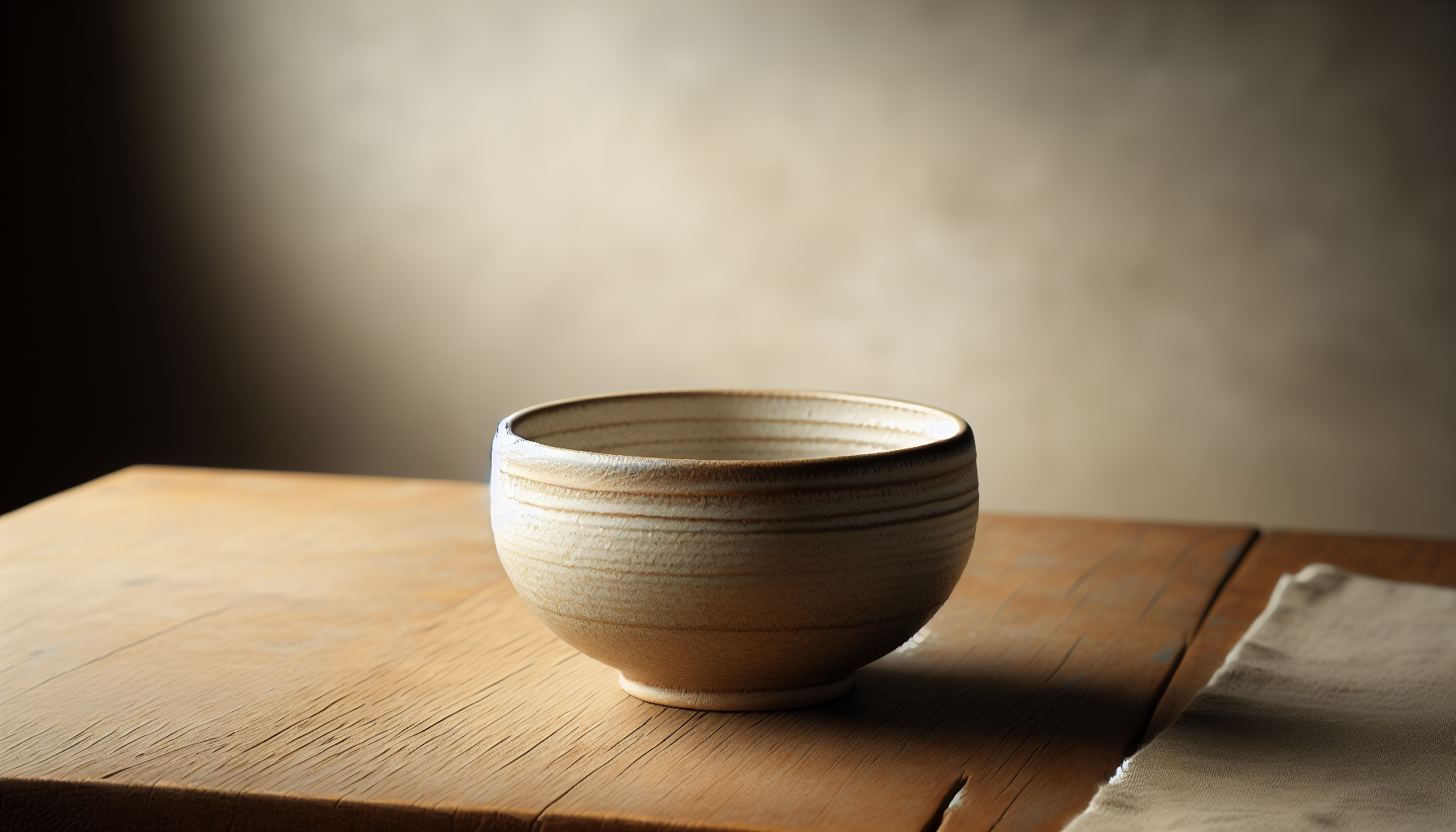
Have you ever wanted your home to feel like a calm retreat where every object seems to belong and nothing feels overwhelming?
Japandi Minimalism That Inspires Calm
This style marries Japanese restraint with Scandinavian warmth so you get a home that feels both purposeful and soothing. In this article you’ll learn why people describe Japandi as “calm,” how to apply its principles room by room, and practical steps that let you create serenity without making your space feel cold or spare.
Why people describe Japandi as “calm”
People call Japandi “calm” because it balances minimalism with comfort. You’ll notice uncluttered surfaces, natural materials, and a muted palette that reduce visual noise and invite relaxation. The intentionality behind every item helps you feel more grounded and in control of your environment.
Origins and Influences
Understanding where Japandi comes from helps you adopt it with respect and clarity. The style is a cultural meeting of two design traditions that share values.
Japanese roots: wabi-sabi and simplicity
Japanese influence brings appreciation for imperfection, natural processes, and restraint. You’ll see the philosophy of wabi-sabi in handcrafted objects, asymmetry, and an acceptance of aging materials. That sense of quiet and modesty is central to Japandi’s calm.
Scandinavian roots: hygge and functional warmth
Scandinavian influence focuses on light, comfort, and practicality. You’ll recognize hygge in soft textiles, cozy seating, and an emphasis on human-centered furniture design. Scandinavian minimalism keeps things functional and inviting rather than stark.
How they combine into Japandi
When you mix these lineages, you get clean lines with warm textures and purposeful imperfections. You’ll find minimalism that doesn’t sacrifice comfort—each piece has a function and contributes to the atmosphere.
Core Principles of Japandi
These principles will guide the decisions you make about furniture, color, and arrangement. Keep them in mind as you design each space.
Less is intentional
In Japandi, minimalism isn’t just removing things—it’s choosing what remains with care. You’ll keep items that are useful or beautiful to you, and let go of the rest.
Natural materials matter
Wood, stone, ceramic, and natural fibers establish a tactile connection to the outdoors. You’ll prefer materials that age gracefully and bring warmth to otherwise simple compositions.
Calm color palette
Muted shades and low-contrast palettes reduce visual stimulation. You’ll use soft neutrals, earthy tones, and occasional deep accents for depth.
Functional beauty
Everything you keep should serve a purpose or provide genuine pleasure. The result is spaces that feel curated without being theatrical.
Imperfection is welcome
Handmade and slightly imperfect objects create personality. You’ll accept small irregularities as signs of authenticity rather than flaws.
Color Palette and Visual Language
Choosing the right colors helps create a soothing backdrop for Japandi minimalism. The palette is subtle and harmonious.
Typical Japandi color schemes
You’ll gravitate toward warm neutrals, soft greiges, muted greens, and deep inky tones. Accent colors are used sparingly to maintain calm.
- Base tones: warm whites, soft beige, light greige
- Secondary tones: warm wood browns, muted sage, soft terracotta
- Accent tones: charcoal, deep indigo, black (used sparingly)
How to balance contrast
Low contrast creates a restful environment, but you still need depth. You’ll use darker accents or textured materials to anchor spaces without disrupting the serenity.
Sample palette table
| Role | Examples | Why it works for calm |
|---|---|---|
| Base | Warm white, light greige | Creates a neutral, airy canvas |
| Mid | Soft beige, muted green | Adds warmth and subtle color |
| Accent | Charcoal, deep indigo | Provides visual focus without increasing clutter |
Materials and Textures
Materials are crucial for tactile warmth and visual calm in Japandi interiors. You’ll combine smooth planes with organic textures to create balance.
Wood: the backbone of the aesthetic
Wood—especially light and medium tones like oak, ash, and bamboo—provides warmth and visual continuity. You’ll select furniture with clean profiles and visible grain rather than painted surfaces.
Stone and ceramic accents
Stone countertops, ceramic vessels, and matte tiles add quiet solidity. You’ll use stone sparingly so it feels grounded and special.
Natural fibers and textiles
Linen, wool, and cotton give comfortable texture without loud patterns. You’ll layer textiles in soft neutral tones for tactile interest.
Metal and finishes: restrained and matte
Brushed brass, blackened steel, or matte aluminum work as subtle accents. You’ll avoid high-polish metals that reflect light aggressively.
Materials usage table
| Material | Typical use | Visual effect |
|---|---|---|
| Oak/ash wood | Floors, furniture | Warmth, continuity |
| Bamboo | Accent furniture, accessories | Lightness, organic feel |
| Ceramic | Vases, tableware | Organic character |
| Stone | Countertops, tiles | Solidity and permanence |
| Linen/wool | Drapes, throws | Soft tactile warmth |
| Matte metal | Handles, lighting | Subtle contrast |
Furniture and Form
Furniture in Japandi aims for clean lines with human scale. You’ll prefer crafted simplicity over ornate pieces.
Low profiles and simple silhouettes
Low seating, slender legs, and uncluttered surfaces create a sense of openness. You’ll pick pieces that feel balanced rather than dominating the room.
Multipurpose and functional pieces
Furniture that works hard—like storage benches, nesting tables, and open shelving—supports the minimalist goal. You’ll choose items that reduce the need for extra clutter.
Proportion and negative space
Negative space matters as much as objects. You’ll allow breathing room around furniture so the room reads as intentional and calm.
Mixing eras and craftsmanship
Pairing modern Scandinavian pieces with handmade Japanese elements gives depth. You’ll combine mass-produced furniture with artisanal accents for personality.
Layout and Space Planning
Space planning in Japandi emphasizes flow and ease of movement. You’ll set up spaces so daily routines feel natural and uncluttered.
Prioritize function and sightlines
Arrange furniture so pathways are clear and focal points feel intentional. You’ll avoid blocking natural light and maintain visual continuity.
Create zones without clutter
Use rugs, low shelving, or furniture placement to define zones rather than walls. You’ll keep transitions smooth and unobtrusive.
Balance symmetry and asymmetry
You’ll often use asymmetry to create interest, balanced by symmetrical elements for a sense of order. This approach keeps spaces calm without being static.
Lighting: Layered and Soft
Lighting sets mood and supports the calm atmosphere of Japandi design. You’ll focus on warmth and layers.
Natural light is king
Maximize daylight with soft window treatments and unobstructed windows. You’ll position seating to benefit from natural light for both mood and function.
Ambient, task, and accent layers
Combine ambient overhead fixtures, task lamps, and accent lighting to shape different moods. You’ll use warm color temperatures (2700–3000K) for a cozy feeling.
Light fixtures as design accents
Choose fixtures with simple silhouettes and natural materials. You’ll favor paper, wood, or matte metal shades that diffuse light softly.
Textiles and Soft Furnishings
Textiles bring the hygge element that keeps Japandi from feeling austere. You’ll layer them thoughtfully.
Choose muted patterns and natural fibers
Subtle patterns like gentle stripes or small-scale geometrics work; loud prints will break the calm. You’ll favor linen, cotton, and wool for their texture and breathability.
Layer thoughtfully
A throw on a sofa, cushions in complementary neutrals, and a rug to anchor a seating area are enough. You’ll avoid excessive cushions or overly decorative textiles.
Rug selection and placement
Natural fiber rugs—flatwoven jute or wool with simple patterns—add grounding texture. You’ll ensure rugs are sized properly to connect furniture groups rather than float randomly.
Plants and Biophilic Design
Plants enhance Japandi by bringing life and a calming natural presence. You’ll choose species and placements that feel deliberate.
Select sculptural, low-maintenance plants
Monstera, rubber plant, fiddle leaf fig, and small bonsai can all fit, depending on scale. You’ll prefer plants with simple forms rather than fussy foliage.
Integrate planters as design elements
Use ceramic or wooden planters with muted tones to complement your palette. You’ll group plants in odd numbers for an informal, balanced look.
Connection to nature beyond plants
Incorporate natural light, views to outdoor greenery, and materials that reference landscapes. You’ll aim for a subtle sense of continuity with nature.
Storage and Decluttering
Calm depends on order. You’ll adopt storage systems that make it easy to keep surfaces clear and find what you need.
Concealed storage for visual calm
Closed cabinets and drawers keep daily clutter out of sight. You’ll use minimal pulls and flat fronts to maintain clean lines.
Display sparingly and intentionally
Select a few meaningful objects to display. You’ll rotate objects seasonally so displays remain fresh and intentional.
Practical decluttering routine
Build habits: regular 10–15 minute tidy sessions can prevent accumulation. You’ll use simple rules—if you haven’t used it in a year, consider letting it go.
Sensory Elements: Sound, Scent, and Temperature
Calm is sensory, not just visual. You’ll consider noise control, scents, and thermal comfort.
Sound: soften and absorb
Textiles, rugs, curtains, and books absorb echoes. You’ll add these elements where hard surfaces amplify noise, especially in open-plan rooms.
Scent: subtle and natural
Use mild scents—unscented is fine—for a clean feel, or light natural scents like cedar, green tea, or subtle citrus. You’ll avoid heavy fragrances that can feel overwhelming.
Temperature and comfort
A comfortable temperature plus breathable fabrics for upholstery help maintain calm. You’ll incorporate throws for cooler months and breathable linen in summer.
Room-by-Room Guide
Practical suggestions help you apply Japandi in each space. These are simple, actionable steps.
Living Room
Your living room should feel open, warm, and balanced. You’ll choose a central sofa with clean lines, a low wooden coffee table, and a few tactile textiles. Keep decor minimal: one piece of art or a single curated shelf is enough.
Bedroom
The bedroom should prioritize rest. You’ll use a neutral palette, layered linens, and minimal bedside furniture. Avoid screens before bed and choose soft lighting to encourage relaxation.
Kitchen
A Japandi kitchen is functional and calm. You’ll keep surfaces clear, use natural materials like wooden cutting boards and ceramic dishes, and choose a restrained backsplash or open shelving for carefully selected items.
Bathroom
Bathrooms should feel spa-like but simple. You’ll use stone or matte tiles, natural wood accents, and neatly stored toiletries. Choose soft, absorbent towels in muted tones.
Home Office
Your work area must support focus without clutter. You’ll prefer a simple desk, ergonomic seating, and organized storage. Minimize distractions and maximize natural light.
Entryway
The entry sets the tone. You’ll use a low bench, a minimal shoe storage solution, and a small tray for essentials. Keep the visual impression uncluttered and calming.
Common Mistakes and How to Avoid Them
Being aware of pitfalls helps you maintain the spirit of Japandi without ending up in a cold or sparse space.
Mistake: making it too sterile
If you remove texture and warmth, your space can feel clinical. You’ll retain textiles, wood, and handmade objects to preserve warmth.
Mistake: over-accessorizing
Too many decorative items create visual noise. You’ll choose fewer items with more significance and rotate them occasionally.
Mistake: ignoring scale
Oversized furniture in a small room will overwhelm the calm. You’ll measure and select pieces that fit the proportions of your space.
Mistake: following trends blindly
Japandi is about timelessness, not fads. You’ll prioritize quality and functionality over trendy gimmicks.
Practical Steps to Start Today
Make changes gradually rather than trying to overhaul everything at once. These steps are actionable and measurable.
Step 1: Clear one surface
Choose a table or shelf and remove everything. Keep only items with purpose or meaning. You’ll notice immediate visual relief.
Step 2: Introduce a natural material
Add a wooden bowl, a ceramic vase, or a linen throw. You’ll feel a warm change without needing a full room redo.
Step 3: Adjust your lighting
Swap bright, cool bulbs for warm, dimmable ones. You’ll create a more soothing ambiance for evenings.
Step 4: Edit your color accents
Replace any overly bright or clashing accessories with muted tones to better harmonize the space. You’ll find your room looks calmer right away.
Step 5: Add one plant
Choose a low-maintenance plant and a simple planter that complements your palette. You’ll add life without adding clutter.
Shopping and Sourcing Tips
Where and how you buy affects both the look and sustainability of your Japandi space. You’ll make mindful choices.
Prioritize quality over quantity
Invest in well-made foundational pieces like a sofa or dining table. You’ll save money in the long run by avoiding frequent replacements.
Mix affordable and artisan pieces
Pair budget-friendly essentials with handcrafted items to maintain warmth and personality. You’ll get a curated look without overspending.
Look for natural and responsibly sourced materials
Seek FSC-certified wood, natural fibers, and locally made ceramics. You’ll support sustainable practices and ensure longevity.
Secondhand and upcycling
Thrift stores and flea markets often yield unique pieces that fit the Japandi aesthetic. You’ll rescue items with character and reduce waste.
Sustainability and Longevity
Japandi naturally aligns with sustainable approaches because it emphasizes longevity and natural materials. You’ll choose items that age gracefully and can be repaired.
Choose timeless designs
Timeless silhouettes resist the urge to replace items for trends. You’ll be more likely to keep and cherish pieces over decades.
Maintain materials for lifespan
Oiling wood, reupholstering cushions, and repairing small defects preserves pieces and keeps them functional. You’ll minimize waste by maintaining rather than replacing.
Seasonal Adjustments
Adjustments across seasons keep your home comfortable and fresh while maintaining a consistent aesthetic. You’ll make small changes rather than wholesale swaps.
Warmer months
Switch to lighter linens, declutter heavier throws, and rearrange plants to highlight outdoor views. You’ll let air and light play a bigger role.
Cooler months
Introduce wool throws, layered lighting, and textured rugs to increase coziness. You’ll maintain the calm while adding warmth.
Psychological and Health Benefits
The calm of Japandi goes beyond aesthetics; it can improve how you feel and function day to day. You’ll likely experience reduced stress and improved focus.
Reduced decision fatigue
By simplifying choices and surroundings, you’ll spend less mental energy on everyday decisions. This creates cognitive space for more meaningful tasks.
Improved relaxation and sleep
A calm bedroom environment supports better sleep quality. You’ll sleep more easily when your space promotes relaxation.
Increased mindfulness
Curating a thoughtful home encourages you to be present and intentional. You’ll appreciate objects and routines rather than consuming impulsively.
FAQ: Quick Answers
These short answers address common questions you might have about applying Japandi.
Is Japandi suitable for small spaces?
Yes. The emphasis on minimal furniture, multifunctional pieces, and light palettes makes Japandi ideal for small spaces. You’ll maximize perceived space by keeping sightlines clear and using storage smartly.
Can you have color in Japandi?
You can, but use muted and natural hues. You’ll select colors that harmonize with wood tones rather than bright, saturated shades.
Is Japandi expensive to achieve?
It can be as affordable or expensive as you choose. You’ll get a Japandi feel by starting with small changes—lighting, textiles, and decluttering—before investing in larger pieces.
How do you keep Japandi from feeling boring?
Introduce texture, curated imperfections, and a few meaningful objects. You’ll maintain interest through material contrast, plants, and chosen accents without overwhelming the calm.
Checklist: A Simple Room Setup
Use this checklist as a practical guide when setting up or updating a single room.
| Area | Action |
|---|---|
| Foundation | Neutral wall color, natural wood floors or rugs |
| Furniture | Clean-lined sofa/bed, low table, functional storage |
| Textiles | Linen or wool throws, two to three cushions |
| Lighting | Dimmable warm bulbs, at least two layers (ambient + task) |
| Decor | One large artwork or a small curated shelf |
| Plant | One medium-sized plant in natural pot |
| Clutter control | One concealed storage unit, daily 10-minute tidy |
Final Thoughts and Starting Actions
Japandi offers a way to make your home feel calm, considered, and warm. You’ll find balance through careful editing, natural materials, and a muted palette that emphasizes both function and beauty. Start small—clear a surface, change your bulbs, add a plant—and notice how those shifts change how you experience your space. Over time, those small decisions add up to a home that truly inspires calm.