
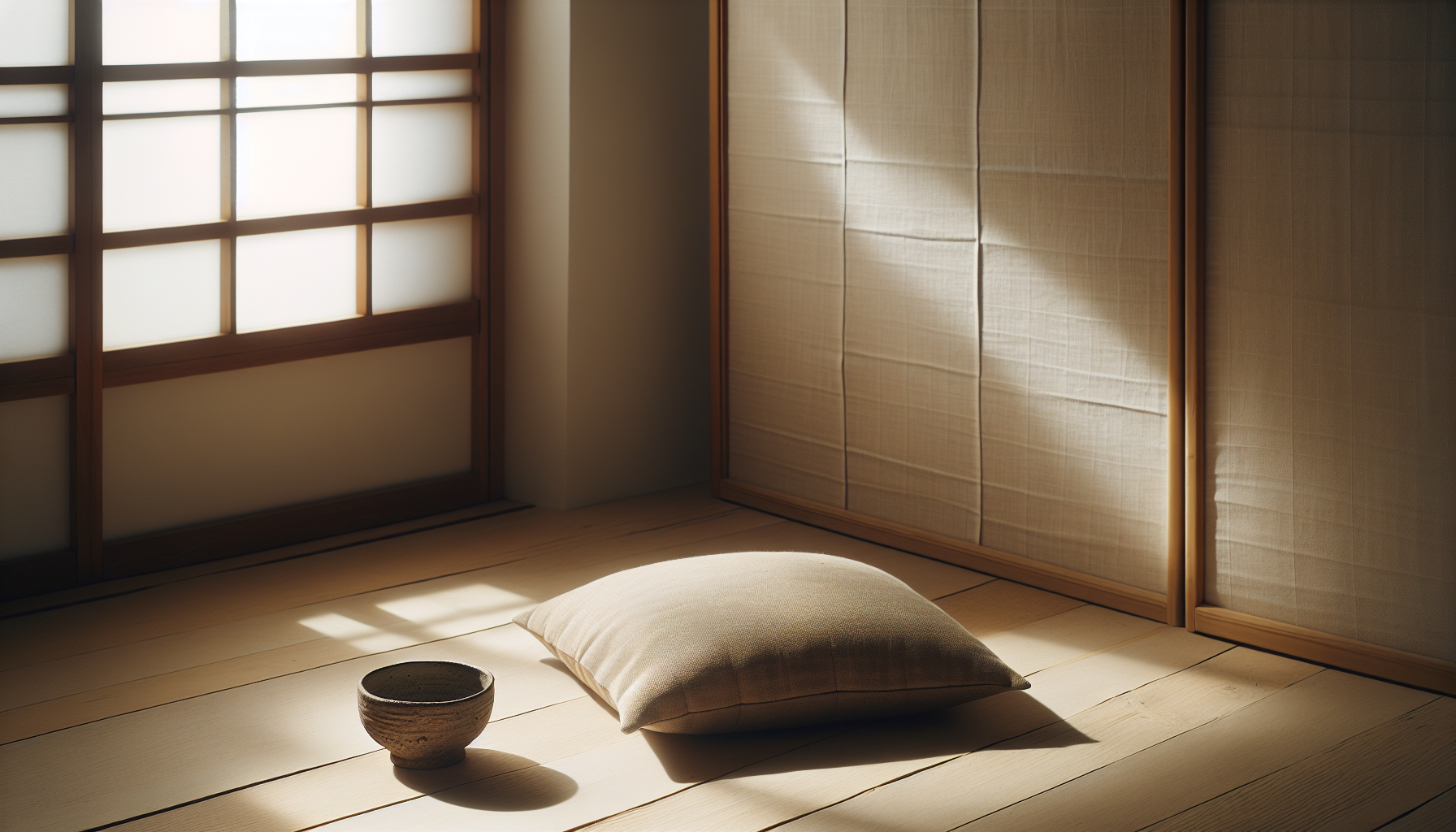
Can Japandi interiors support mindfulness and meditation?
Japandi Interiors That Support Mindfulness and Meditation
You can create a home that gently invites calm and focused presence by applying Japandi principles. This hybrid aesthetic blends Japanese restraint with Scandinavian warmth to form spaces that are both serene and functional, making them ideal for mindfulness and meditation practices.
What is Japandi?
Japandi is a fusion of Japanese minimalism and Scandinavian design sensibility. You’ll find it in homes that value clean lines, natural materials, muted palettes, and an emphasis on craftsmanship and utility.
Origins and philosophy
Japandi emerges from two design traditions that share common values: simplicity, functional beauty, and respect for nature. You’ll notice that both traditions favor purposeful objects, quiet spaces, and designs that encourage mindful living.
Visual characteristics
Japandi spaces typically feature low-profile furniture, warm neutral tones, organic textures, and uncluttered layouts. You’ll see an emphasis on negative space, tactile surfaces, and carefully curated decor that avoids visual noise.
Why Japandi suits meditation
Because Japandi intentionally reduces distractions and emphasizes sensory balance, it naturally supports practices that require attention and stillness. You’ll find it easier to sit, breathe, and observe in a space that’s thoughtfully pared down and comfortable.
How Japandi supports mindfulness and meditation
The design choices in Japandi are not merely aesthetic; they directly support mental clarity and contemplative practice. You’ll find that color, material, light, and layout can all influence your ability to be present.
Minimalism and mental clarity
Minimalism in Japandi removes competing visual stimuli so your mind can settle more quickly. When surfaces are uncluttered and objects have purpose, you’ll spend less energy navigating distraction and more on the act of being present.
Natural materials and grounding
Wood, stone, linen, and clay connect you back to tactile, organic sensations that calm the nervous system. You’ll experience a grounding effect when you touch raw materials or see natural grain patterns that encourage focus.
Wabi-sabi and acceptance
Wabi-sabi — the Japanese appreciation of imperfection and impermanence — can be a powerful complement to meditation, which often meets thoughts and feelings without judgment. You’ll be reminded that beauty can be simple and transient, easing pressure for perfection in your practice and your life.
Functionality and intention
Every element in Japandi design typically has a reason to be present. You’ll find that furniture, storage, and decor are chosen for usefulness as well as beauty, which supports intentional living and keeps meditation spaces uncluttered and ready.
Key design elements to create a Japandi meditation space
To build a meditation-friendly Japandi interior, focus on core components that shape your sensory experience. You’ll want to consider palette, texture, furniture, lighting, and layout as integrated parts of your practice environment.
Color palette
Japandi palettes are soft, muted, and earthy — think warm beiges, soft greys, muted greens, and natural wood tones. You’ll find these colors calming because they reduce visual stimulation and harmonize with natural light.
Materials and textures
Natural materials like oak, bamboo, hemp, linen, and unglazed ceramics are staples in Japandi design. You’ll benefit from varied but restrained textures that create tactile interest without overwhelming the senses.
Furniture selection
Choose low, simple furniture with clean lines and honest materials. You’ll want pieces that promote relaxation — a low bench, a meditation cushion (zabuton or zafu), and a simple shelf are often all you need.
Lighting
Soft, layered lighting supports calm. You’ll want a mix of gentle overhead light, task lamps for reading or journaling, and candles or lanterns for ritual and evening practice. Avoid harsh, cold lighting that can spike alertness when you want presence.
Layout and circulation
Keep sightlines clear and pathways unobstructed so movement feels calm and purposeful. You’ll find that an open floor area for sitting or movement practice makes transitions into meditation smoother.
Storage and clutter control
Built-in storage or minimalist wardrobes help you keep surfaces clear. You’ll feel less mental friction when daily items have a home and the meditation area stays undisturbed.
Textiles and comfort
Layer soft textiles in neutral shades for warmth and comfort — think linen throws, wool rugs, and cotton cushions. You’ll want seating that invites stillness without being so plush that it encourages drowsiness.
Plants and biophilia
Introduce a few well-chosen plants to bring life and improve air quality. You’ll feel more connected to nature with even a couple of potted plants or a simple ikebana-style arrangement.
Sound and acoustics
Soften echoes with textiles and natural sound absorbers like rugs and woven wall hangings. You’ll appreciate a quieter room for meditation; good acoustics reduce distraction from outside noise.
Scent and atmosphere
Use natural scent elements such as palo santo, white sage, or unscented beeswax candles carefully and intentionally. You’ll want scents that support your practice without overpowering the room.
Art and focal objects
Select a small number of meaningful objects or artworks that inspire calm and contemplation. You’ll benefit from a single sculptural piece, a scroll, or a framed print that acts as a gentle focal point during meditation.
Practical steps to design your Japandi meditation corner
Use a simple, repeatable process to plan your meditation area so you can create a space that feels both intentional and effortless. You’ll find clear steps easier to follow and less intimidating.
Step 1 — Choose the right location
Pick a quiet corner, a window-facing area, or a low-traffic part of your home. You’ll want a place that feels private and has natural light if possible.
Step 2 — Define the footprint
Allocate a clear floor area for your cushions or bench — typically 3′ x 3′ (90 cm x 90 cm) is a comfortable minimum for individual practice. You’ll use this footprint as a guideline for layout and furniture selection.
Step 3 — Select grounding furniture
Choose a meditation cushion or a low bench and a small side table for a candle, bell, or cup of tea. You’ll prefer pieces that are sturdy, proportionate to the room, and made of natural materials.
Step 4 — Layer textures and warmth
Add a simple rug, a throw, and a window covering that filters light. You’ll balance cool flooring with warm textiles so the space feels inviting and comfortable.
Step 5 — Curate minimal decor
Place one or two meaningful objects — such as a small ceramic bowl, a plant, or a framed calligraphy — and keep other surfaces clear. You’ll maintain focus by limiting decor to what supports your practice.
Step 6 — Finalize lighting and sound
Install a dimmable lamp or use a soft-glow lamp; add a small Bluetooth speaker or an acoustic panel if you rely on guided meditations. You’ll achieve greater presence when light and sound are tuned to your ritual.
Sample design palettes and materials
Below is a practical table you can use to mix and match colors and materials to build a cohesive Japandi meditation space. You’ll find combos that balance warmth and minimalism.
| Palette Name | Wall Colors | Primary Wood | Textiles | Accent |
|---|---|---|---|---|
| Soft Neutral | Warm beige, off-white | Light oak | Linen, cotton | Muted sage |
| Stone & Clay | Pale grey, warm taupe | Ash wood | Hemp, wool | Terracotta |
| Green Harmony | Very pale green, cream | Bamboo or light walnut | Jute, linen | Moss green |
| Cool Minimal | Soft grey, alabaster | White-washed oak | Cotton, cashmere | Black accents (small) |
You’ll be able to mix these elements to create a cohesive look that supports calming practice without feeling sterile.
Furniture and object recommendations (by room size)
Different home sizes require tailored solutions so the meditation area remains functional and unobtrusive. You’ll find suggestions here for small apartments, medium rooms, and larger spaces.
Small spaces (studio apartment or small bedroom)
Use a compact zafu or foldable zabuton, a narrow low bench that can double as seating, and wall-mounted shelving. You’ll keep the meditation area adaptable by selecting lightweight, movable pieces.
Medium spaces (living room corner or spare bedroom)
Include a low-profile daybed or bench, a larger rug to anchor the area, a modest storage cabinet, and a floor lamp with dimming. You’ll be able to create a dedicated nook without sacrificing the room’s flow.
Larger spaces (dedicated room or loft)
Designate a full meditation room with tatami mats or wide area rugs, a low altar or cabinet for meaningful objects, dedicated shelving for books and props, and layered lighting. You’ll enjoy a sanctuary that accommodates multiple practices like yoga and seated meditation.
Layout examples and measurements
Concrete dimensions help you visualize how a Japandi meditation area fits into your home. You’ll find these layout ideas adaptable to your space.
Compact corner layout
- Footprint: 3′ x 3′ (90 cm x 90 cm) for the seating area
- Rug: 4′ x 6′ (120 cm x 180 cm)
- Wall shelf: 8–12″ deep (20–30 cm) You’ll be able to position a cushion, small plant, and a narrow shelf for ritual objects without crowding the room.
Living room nook layout
- Footprint: 5′ x 5′ (150 cm x 150 cm) to include side table and lamp
- Rug: 5′ x 7′ (150 cm x 210 cm)
- Floor lamp: placed behind or to the side of seating You’ll create an integrated space that feels like part of the living room while remaining distinctly peaceful.
Dedicated room layout
- Footprint: 8′ x 10′ (240 cm x 300 cm) minimum
- Tatami mats or full rug area: covers most of the floor
- Low cabinet/altar: 30–40″ wide (75–100 cm) You’ll have room for multiple cushions, a bench, and storage for blankets and props, making the room versatile for different practices.
Rituals, routines, and keeping the space alive
Creating a space is only the first step; your rituals and how you care for the area will determine how supportive it is for regular mindfulness and meditation.
Daily rituals
Establish short rituals such as lighting a candle, ringing a bell, or arranging a small vase before sitting. You’ll signal to your mind that the practice is about to begin and help transition from activity to stillness.
Cleaning and seasonal care
Regularly dust, sweep, and air the room; rotate textiles seasonally to maintain comfort. You’ll find that a cared-for room invites you to return to practice more often.
Personalization without clutter
Add meaningful objects slowly and intentionally so they complement rather than compete. You’ll keep the room personal and resonant while maintaining space for presence.
Sound, scent, and temperature considerations
Senses beyond sight also play a role in creating a mindful environment. You’ll design a balanced sensory field by attention to sound, scent, and climate.
Managing noise
Use rugs, curtains, and soft furnishings to reduce echo; consider weather stripping or heavier drapes to dampen outside sounds. You’ll produce a quieter environment that supports concentration.
Scent practices
Choose subtle, natural fragrances for ritual use and avoid constant strong scents that can become distracting. You’ll benefit from scent as an occasional anchor rather than a persistent stimulus.
Temperature and comfort
Keep the room at a comfortable temperature for sitting still — typically between 68–72°F (20–22°C) depending on your preference. You’ll use blankets or throws for cooler sessions and breathable textiles in warmer months.
Plant selection and placement
Plants can enhance calm and air quality but should be selected with maintenance and light conditions in mind. You’ll choose species that match the environment and your capacity for care.
Low-maintenance plant options
Consider snake plant, ZZ plant, pothos, or small bonsai for low-light or low-care situations. You’ll add life without creating more tasks or stress.
Placement tips
Position plants near windows or in corners to soften hard lines and provide a visual anchor. You’ll avoid overcrowding surfaces and maintain balance between living and inanimate elements.
Lighting design specifics
Layered lighting helps you move between alertness and calm with intention. You’ll plan for dimmable, warm lighting as a core feature of a meditation-friendly space.
Recommended light temperatures
Aim for warm light (2700K–3000K) for evening practice and soft natural daylight for daytime sessions. You’ll avoid cool, bluish light that raises alertness when your goal is relaxation.
Types of fixtures
Use dimmable overhead fixtures, floor or table lamps with fabric shades, and candlelight for ritual. You’ll have flexibility to transition lighting for different practices and times of day.
Storage and decluttering strategies
Storage is essential to maintain the simplicity Japandi values. You’ll keep the space functional and calm by incorporating smart storage solutions.
Hidden storage solutions
Choose built-in cabinets, under-bench storage, or slim discreet chests to hide props and daily items. You’ll preserve visual calm while keeping necessities accessible.
Daily decluttering habits
Adopt a five-minute end-of-day tidy to put items back in their home and wipe surfaces. You’ll reduce visual clutter and create readiness for the next practice session.
Budgeting and sustainable choices
Japandi emphasizes quality and longevity, which can be cost-effective over time if you buy mindfully. You’ll benefit from investing in fewer, better items and choosing sustainable options.
Short-term vs. long-term spending
Spend less on disposable decor and more on foundational items like a good cushion, a durable rug, or a well-constructed bench. You’ll get better tactile experience and less replacement cost.
Sustainable sourcing
Look for reclaimed wood, locally made furniture, and natural fiber textiles. You’ll reduce environmental impact while supporting craftsmanship that aligns with Japandi values.
Common mistakes and how to avoid them
Even with good intentions, it’s easy to make design choices that undermine mindfulness. You’ll avoid these common pitfalls by planning and prioritizing comfort and function.
Over-minimalizing
Empty rooms can feel cold rather than calming; include warm textures and a few personal items. You’ll strike a balance between minimalism and warmth by layering textiles and natural tones.
Over-accessorizing
Too many small objects defeat the purpose of a quiet space; keep decor intentional and limited. You’ll allow your attention to rest rather than flitting from object to object.
Choosing the wrong lighting
Harsh lighting will inhibit relaxation; plan dimming and warm temperature light sources. You’ll adjust lighting to support the time of day and type of practice.
Case study: Transforming a living room corner into a Japandi meditation nook
Here’s a brief illustration to help you imagine the process and outcome. You’ll follow a practical path from cluttered corner to calm retreat.
- Situation: A living room corner used for storage and odd furniture.
- Steps taken: Clear everything, deep clean, paint in warm off-white, add a 4′ x 6′ natural fiber rug, position a meditation cushion and low bench, install a dimmable floor lamp, add one potted plant and a small shelf with a ceramic bowl and a framed print.
- Result: The corner became a designated spot for daily short meditations and occasional reading. You’ll notice increased frequency of practice because the area is clearly defined and emotionally inviting.
Checklist: Quick set-up guide
Use this checklist to get your Japandi meditation space ready in a weekend. You’ll find concrete tasks easier to tackle and less overwhelming.
| Task | Action |
|---|---|
| Location | Pick a quiet corner with good light |
| Footprint | Allocate at least 3′ x 3′ (90 cm x 90 cm) |
| Seating | Choose a cushion or low bench |
| Rug | Add a natural fiber rug to anchor the area |
| Storage | Provide hidden storage for props |
| Lighting | Add dimmable warm lighting |
| Decor | Limit to 1–3 meaningful objects |
| Plants | Add one or two low-maintenance plants |
| Sound | Add soft furnishings to reduce echo |
| Maintenance | Schedule 5-minute daily tidy |
You’ll be able to follow this checklist and create a functional, inviting meditation corner quickly and thoughtfully.
Frequently asked questions
This section answers practical doubts you might have when designing a Japandi space for mindfulness and meditation. You’ll find concise, actionable responses to common concerns.
Can Japandi work in a small apartment?
Yes. Japandi is ideally suited to small spaces because it emphasizes multifunctional, low-profile furniture and clear organization. You’ll use foldable or stackable items and keep decor minimal to maintain openness.
Is Japandi too cold for meditation?
Not if you balance minimalism with warm textures and soft lighting. You’ll keep the space cozy by layering textiles, adding warm-toned wood, and choosing soft warm lighting.
Do I need to copy authentic Japanese elements?
No. Japandi is about harmony and intention rather than strict replication. You’ll borrow principles like simplicity and natural materials and adapt them to your lifestyle and climate.
How often should I change the setup?
Keep changes minimal; frequent reconfiguration can interrupt your ritual. You’ll consider seasonal adjustments for textiles or plants but maintain core layout for consistency.
Final thoughts and next steps
You can cultivate a mindful home environment through the thoughtful application of Japandi design principles. Start small, prioritize comfort and functionality, and let the space evolve with your practice.
Immediate actions you can take
Begin by clearing a single corner, adding a cushion and a soft rug, and introducing one meaningful object. You’ll often find that these modest steps are enough to encourage a new habit of daily practice.
Long-term commitment
Over time, refine textures, materials, and storage to create a consistent environment that supports your mental habits. You’ll enjoy lasting benefits as your home becomes a supportive backdrop for mindfulness and meditation.