
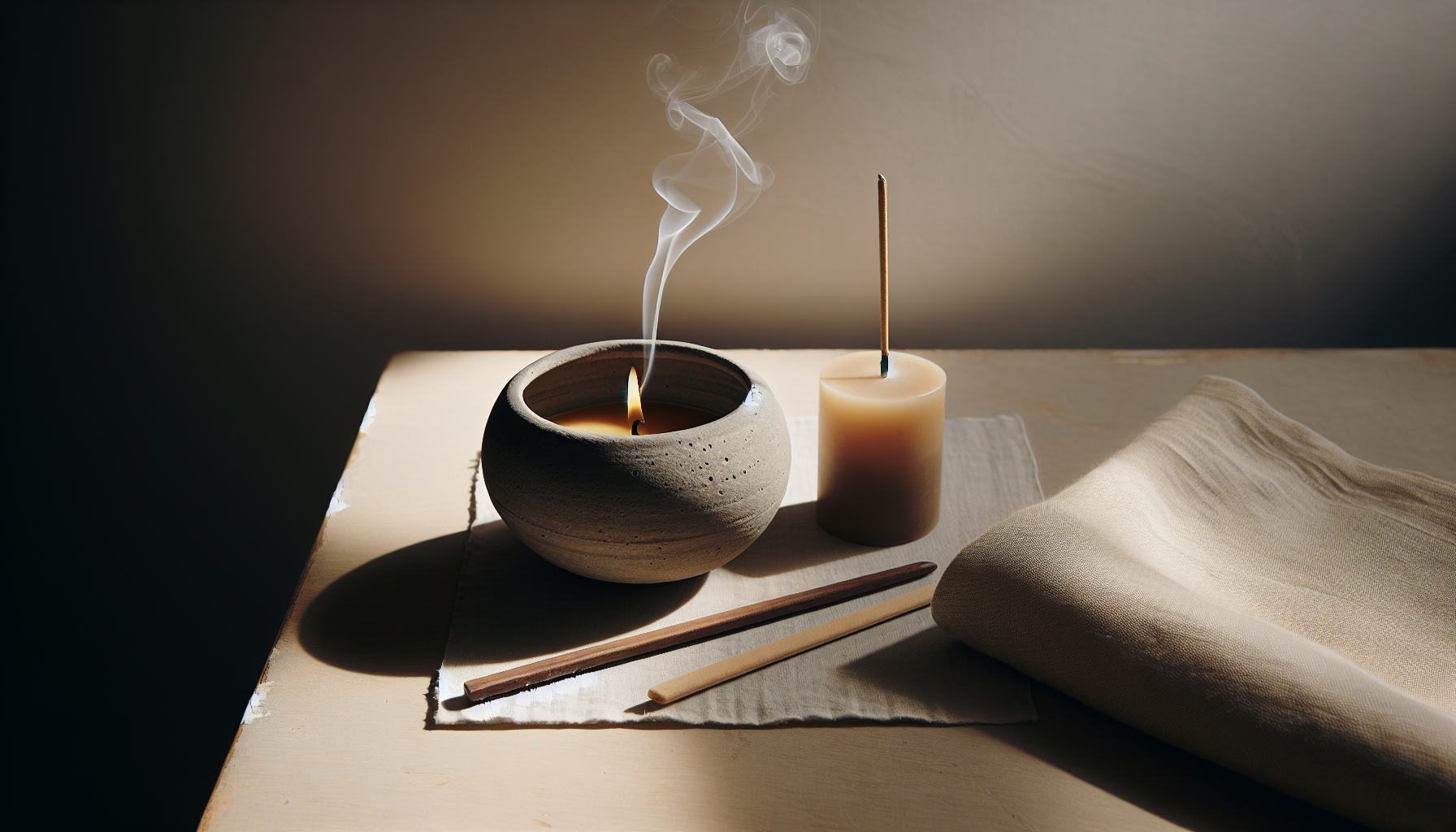
?Can you incorporate scented candles and incense into Japandi without sacrificing the style’s calm, functional beauty?
Japandi: Incorporating Scented Candles and Incense
You can bring scent into Japandi thoughtfully and still honor the movement’s restrained, balanced aesthetic. This article walks you through how to choose, place, and use scented candles and incense so your home feels cohesive, calm, and connected to nature.
What Japandi Is and Why It Matters for Scent
Japandi is a hybrid aesthetic that fuses Japanese wabi-sabi sensibilities with Scandinavian minimalism and functionality. You should view scent as another layer of the home — one that supports the visual language rather than competing with it.
Core principles of Japandi that affect scent choices
Japandi emphasizes simplicity, natural materials, muted color palettes, and mindful living. When you choose scented candles or incense, prioritize subtlety, natural ingredients, and designs that complement rather than dominate your spaces.
Can Japandi include scented candles or incense?
Yes — but you should be intentional about selection and use so scents enhance tranquility instead of creating sensory clutter. You’ll want to think about aroma intensity, vessel design, material quality, and cultural sensitivity when using incense.
Why scent matters in Japandi interiors
Scent can anchor a memory, influence mood, and make a space feel more intimate and curated. In Japandi, scent is an extension of materiality — it should feel like a natural layer among wood, textiles, and ceramic.
Balancing minimalism and sensory richness
You don’t need many scented items to make an impact; one well-chosen candle or a short incense ritual can be enough. The goal is restraint: fewer, higher-quality scent elements rather than many competing aromas.
Scent profiles that suit Japandi
Natural, subtle, and grounding scent families work best with Japandi. Think woody, green, light floral, herbal, citrus, and clean mineral notes rather than heavy gourmands or synthetic fruit bombs.
Table: Recommended scent families and how they fit Japandi
| Scent family | Typical notes | Best format | Mood / Why it suits Japandi |
|---|---|---|---|
| Woody | Hinoki, cedar, sandalwood | Incense sticks, wood wick candles | Grounding, natural, evokes Japanese timber architecture |
| Green / Herbal | Tea, pine, bamboo, eucalyptus | Soy candles, resin incense | Fresh and calming; complements indoor plants and wooden surfaces |
| Light Floral | Yuzu blossom, cherry blossom (sakura), jasmine (light) | Small votives, delicate incense | Adds subtle softness without becoming sweet or overpowering |
| Citrus / Bright | Yuzu, bergamot, lemon zest | Short-burning candles, citrus-incense blends | Adds clarity and uplift in kitchens or entryways |
| Mineral / Clean | Sea salt, stone, ozone accords | Clean-scent candles, unscented beeswax with a hint of fragrance | Keeps spaces feeling airy and uncluttered |
| Resin / Smoky | Frankincense (light), olibanum | Resin incense, palo santo alternatives | Used sparingly to create ceremony and warmth |
Choosing materials and vessels
Material choices must feel authentic to the Japandi mix of Japanese craft and Scandinavian functionality. Neutral, tactile vessels such as unglazed ceramics, matte stoneware, or lightly textured glass pair visually with wooden furniture and linen textiles.
Table: Vessel materials — characteristics and suitability
| Material | Look & feel | Suitability for Japandi | Care notes |
|---|---|---|---|
| Unglazed ceramic | Earthy, tactile, matte | Highly suitable — pairs with wabi-sabi imperfection | Hand wash gently; stains may patina |
| Glazed minimalist ceramic | Smooth, refined | Suitable for a cleaner look | Wipe clean; glazed interiors are easier for wax |
| Stoneware | Heavier, natural texture | Excellent — feels substantial and crafted | Avoid thermal shock; allow gradual heat changes |
| Glass (smoky or clear) | Clean lines, translucence | Suitable if simple and muted | Clean often to avoid soot marks |
| Cast iron | Stark, sculptural | Great for incense burners | Season or dry thoroughly to avoid rust |
| Bamboo / Wood | Warmth and organic texture | Use as accent trays or holders only | Avoid prolonged heat direct contact with wood |
Candles vs. incense: pros and cons
Both candles and incense bring scent and atmosphere, but they function differently and require different considerations in a Japandi context.
Table: Comparison — candles vs incense
| Characteristic | Candles | Incense |
|---|---|---|
| Scent longevity | Long, steady diffusion | Shorter, more focused bursts |
| Visual element | Flickering flame, vessel design | Smoke trail and ritualistic quality |
| Intensity control | Moderate — depends on wax and vessel | Stronger immediate impact; easier to overdo |
| Safety considerations | Hot wax, flame, soot in some cases | Smoke, ash, ventilation needed |
| Aesthetic fit | Best when vessels are minimal and natural | Best when burners match craft traditions |
| Ritual potential | Everyday cozy ambiance | Ceremonial or meditative moments |
Scent intensity: how to keep it subtle
You want scent to suggest rather than announce; select low to moderate fragrance loads and use short burning durations. If a candle’s scent throw is strong, trim the wick, keep the flame small, and place the candle in a wider vessel that allows scent to disperse gently.
How to layer candles and incense without overpowering
Layering should feel intentional and sparing, like composing a still life. Start with a base note (soft woody or mineral), add a light green or citrus top note, and use incense as a brief accent rather than a continuous presence.
Suggested layering method:
- Use a subtle soy or beeswax candle with a woody or mineral base for steady scent.
- Burn an incense stick for 5–15 minutes in a well-ventilated space to add a transient layer of aroma.
- Wait between sessions to let your olfactory sense reset, and avoid burning multiple scented items at once in the same room.
Placement and composition in rooms
Where you place candles and incense matters for both aesthetics and scent diffusion. You’ll want them where you spend time and where air moves gently — not directly under vents or beside textiles that can catch fire.
Table: Placement suggestions for rooms
| Room | Ideal placement | Notes |
|---|---|---|
| Living room | Low surface like coffee table, side table, or shelf | Keep away from curtains and high traffic; choose low-profile vessels |
| Bedroom | Nightstand or dresser, away from bedding | Use very subtle scents before sleep; avoid stimulating fragrances |
| Bathroom | Windowsill or countertop | Citrus or mineral scents refresh; ensure proper ventilation |
| Entryway | Console table, tray with a small candle | Choose an uplifting yet restrained scent to welcome you home |
| Kitchen | Open shelf or dining table centerpiece | Citrus or herbal notes work well; avoid heavy gourmand scents |
| Meditation / Tea corner | Dedicated altar or low shelf | Use incense or beeswax candles as ceremonial accents |
Safety first: burning etiquette and precautions
You should always respect open flames and smoke. Keep candles and incense away from flammable materials, never leave them unattended, and ensure proper ventilation when burning incense to prevent smoke buildup.
Basic safety checklist:
- Never leave a burning candle or incense unattended.
- Trim candle wicks to about 1/4 inch before lighting.
- Use a proper burner or tray under incense to collect ash.
- Keep items out of reach of children and pets.
- Extinguish candles and incense fully before leaving the room or sleeping.
Choosing sustainable and natural options
Select candles made from soy, beeswax, or rapeseed wax and choose incense made from natural resins and essential oils rather than synthetic fragrance oils. You’ll reduce indoor toxins, support ethical production, and better align with Japandi’s affinity for natural materials.
Table: Wax and incense materials — sustainability and notes
| Material | Sustainability | Performance notes |
|---|---|---|
| Soy wax | Renewable, cleaner burn | Soft scent throw; blends well with essential oils |
| Beeswax | Natural, long burn time | Subtle honey aroma; very clean burn |
| Rapeseed wax | Regional in some areas, renewable | Eco-friendly alternative; decent scent throw |
| Paraffin wax | Non-renewable, soot-producing | Strong scents but more indoor pollution |
| Natural resin incense (e.g., frankincense) | Traditional, sometimes sustainably harvested | Rich aromas; requires charcoal or resin burner |
| Charcoal-based incense | Effective but can produce more smoke | Use in well-ventilated areas; avoid frequent use |
| Makko powder/incense without charcoal | Plant-based binder | Burns cleaner; often used in Japanese incense |
Cultural sensitivity when using incense
Incense has spiritual and cultural significance in many Asian practices, including Japanese ceremonies and Buddhist rituals. When you use incense, approach it with respect: learn a bit about its traditional use, avoid adopting sacred rituals as mere aesthetics, and choose appropriate contexts for ceremonial scents.
Selecting scent notes that feel Japanese or Scandinavian
Japanese-inspired scents lean toward hinoki (cypress), green tea, bamboo, yuzu, and subtle floral notes such as plum or cherry blossom. Scandinavian-inspired scents favor clean mineral notes, crisp citrus, and soft linen accords. You can combine elements from both traditions to create authentic Japandi harmonies.
Table: Notes associated with Japanese and Scandinavian traditions
| Tradition | Typical notes |
|---|---|
| Japanese | Hinoki, cedar, green tea, yuzu, cherry blossom, rice, incense resins |
| Scandinavian | Pine, spruce, fresh linen, sea salt, bergamot, clean citrus |
Visual aesthetics: matching vessels to Japandi design
You should choose vessels that feel handcrafted, minimal, and functional. Aesthetic cues include muted glazes, visible fingerprints, matte textures, and forms that celebrate simplicity — small imperfections can be desirable.
Practical tips:
- Favor shallow, wide candle holders that let scent diffuse gently.
- Choose incense burners with clean lines or organic forms, made from stone, clay, or cast iron.
- Keep labels minimal or hidden; if a brand label is visible, it should be understated.
How often to burn candles and incense
Less is more: short, infrequent sessions maintain the sense of calm and prevent olfactory fatigue. Try lighting a candle for an hour in the evening or burning incense for a brief ritual a few times a week.
Timing and ritual: creating gentle habits
You can integrate scent into daily rituals that align with Japandi values — a brief meditation before starting your day, a quiet cup of tea in the afternoon, or a short unwinding ritual before bed. Rituals should be simple and repeatable, helping you slow down rather than complicate your routine.
Suggested micro-ritual:
- Before evening tea, light a beeswax candle for 20–40 minutes.
- Sit with your tea, breathe deeply, and appreciate textures and materials around you.
- Extinguish the candle intentionally, and let the scent linger softly as you move to the next activity.
Pairing scent with texture and color
Scent interacts with the visual and tactile environment — a citrus scent suits pale woods and linen, while hinoki or cedar pairs beautifully with darker timbers and stone. Keep pairings consistent across a room to maintain harmony.
Table: Scent pairing with color, texture, and atmosphere
| Scent | Colors & materials | Atmosphere it creates |
|---|---|---|
| Hinoki / cedar | Warm wood, muted browns, stone | Grounded, meditative, natural |
| Green tea / bamboo | Light wood, greens, linen | Fresh, calming, restorative |
| Yuzu / bergamot | Pale wood, white, soft ceramics | Uplifting, clean, welcoming |
| Sea salt / mineral | Greys, concrete, glass | Airy, crisp, spacious |
| Light floral (sakura) | Soft pinks, natural textiles | Gentle, seasonal, ephemeral |
Seasonal selections and adjustments
Seasonality is part of both Japanese and Scandinavian design traditions, and scent can underscore seasonal shifts. You can use lighter citrus and green notes in spring and summer, and move to warm woods and resin in autumn and winter.
Seasonal scent suggestions:
- Spring: yuzu, cherry blossom, green tea
- Summer: sea salt, bamboo, light citrus
- Autumn: hinoki, sandalwood, resin
- Winter: cedar, frankincense (light), spicy-woody blends in small amounts
How to avoid scent fatigue and nose blindness
Your nose adapts quickly, so rotate scents and give your home scent-free recovery periods. Open windows occasionally and use unscented beeswax candles to refresh the atmosphere without adding fragrances.
Troubleshooting common scent issues
If a scent is too strong, extinguish it and ventilate the room immediately. For lingering smoke or soot, clean surfaces and burners; for recurring problems, switch to cleaner-burning waxes and natural incense or reduce burn time.
Common problems and fixes:
- Overly strong scent: ventilate, remove remaining scented sources, use activated charcoal or baking soda to absorb odors.
- Soot stains: choose high-quality wicks and clean burners regularly.
- Allergic reactions: opt for unscented beeswax or fully natural essential oil blends; consider air purifiers if sensitivity persists.
DIY ideas: making your own simple Japandi candles and incense
You can create minimal, natural candles that reflect Japandi sensibilities by using beeswax or soy wax and essential oils. For incense, consider using makko-based sticks or simple bundles of dried herbs tied with natural twine.
Quick DIY candle recipe:
- Wax: 1 lb soy or beeswax
- Essential oils: 10–20 drops total (hinoki + a touch of bergamot or green tea)
- Vessel: small unglazed ceramic cup
- Method: melt wax, mix oils off heat, pour into vessel, let cool and trim wick
Quick DIY incense bundle:
- Ingredients: dried rosemary, dried bamboo leaves, small amount of powdered makko (as binder)
- Method: pulverize herbs lightly, mix with makko, shape thin sticks or cones, dry completely before burning
Where to shop and what to look for
Look for small-batch makers, ethical brands, and local artisans who use natural ingredients and minimal packaging. Prioritize brands that list ingredient origins and production methods.
Checklist for buying:
- Ingredient transparency (types of wax, essential oils, resins)
- Simple, muted vessel design
- Small-batch or artisan production
- Minimal and recyclable packaging
- Reasonable burn times for the product size
Storage and maintenance
Store candles and incense in cool, dark places to preserve scent quality. Keep incense in airtight containers to retain fragrance and prevent moisture damage.
Storage tips:
- Wrap candles in paper and keep in boxes away from sunlight.
- Store incense flat in sealed bags or tins.
- Clean burners after each use to avoid residue buildup.
Ethical and legal considerations
Some traditional incense materials are sourced from vulnerable species or overharvested resins. Check sourcing claims and prefer sustainably harvested options or synthetic alternatives when necessary. Be mindful of local regulations about smoke and open flames in your building or neighborhood.
Examples of scent pairings for common rooms
Living room: hinoki candle with occasional light frankincense incense for a calm evening. Bedroom: unscented beeswax or a soft green tea candle for soothing sleep routines. Kitchen: short-burning yuzu candle for bright, clean fragrance during meal prep. Meditation space: single-stick quality incense (traditional Japanese Aloeswood or hinoki-based) burned briefly as part of the practice.
Table: Example pairings at a glance
| Room | Primary scent choice | Accent | Burn time guideline |
|---|---|---|---|
| Living room | Hinoki soy candle | 5–10 min incense stick for ceremony | Candle: 1–2 hrs; Incense: 5–15 min |
| Bedroom | Beeswax (unscented or green tea) | None or micro incense | Candle: 30–60 min before sleep |
| Kitchen | Yuzu or bergamot | No incense | Candle: 30–45 min while cooking/cleaning |
| Meditation nook | Resin or hinoki incense | Small beeswax candle for grounding | Incense: 5–20 min |
Personalizing scent to your lifestyle
You should let your lifestyle guide scent intensity and frequency. If you have pets or sensitivities, choose unscented candles or very mild natural scents. If you entertain often, choose neutral scents for shared spaces and reserve bolder notes for private rituals.
Final thoughts on making scent a quiet companion
In Japandi design, scent should act as a quiet companion to the visual and tactile elements of your home. When you select natural materials, minimal vessels, and restrained rituals, scented candles and incense can deepen a sense of calm, presence, and cohesion without overpowering your carefully curated space.
Closing tips — a quick checklist before you light
- Choose natural wax or resin and minimal vessels that match your decor.
- Test scents in small amounts before committing to large candles or frequent incense.
- Keep safety at the forefront: stable holder, proper airflow, and no unattended flames.
- Use scent intentionally: for rituals, seasonal shifts, or a subtle background mood.
- Respect cultural origins and adopt practices thoughtfully, not as costume.
If you follow these guidelines, you’ll be able to enjoy the sensory richness of fragrance while maintaining the clean lines, natural materials, and mindful simplicity that define Japandi.