
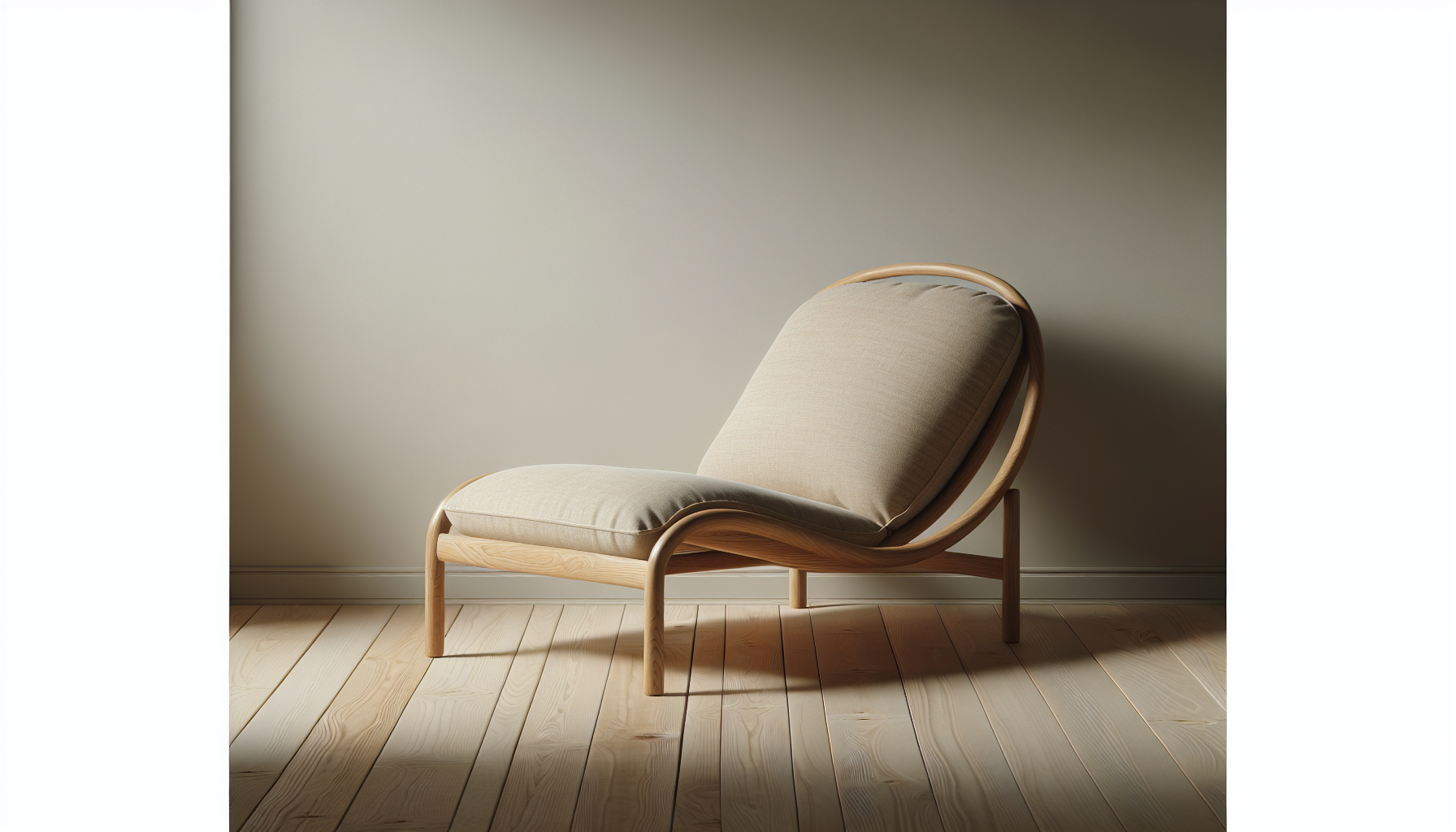
?Can Japandi furniture feature curves and soft edges while keeping its signature calm, minimal aesthetic?
Japandi Furniture with Curves and Soft Edges
You may associate Japandi with clean lines, minimal profiles, and a restrained palette. However, curved forms and softened edges can be entirely compatible with Japandi principles when they are used thoughtfully and with restraint.
What Japandi Means and Why It Matters
You should first understand the design language you are working with. Japandi is a hybrid style that blends Japanese wabi-sabi sensibility with Scandinavian functionality and warmth, emphasizing simplicity, natural materials, and purposeful living.
Origins: Japanese and Scandinavian Influences
You will notice that each tradition brings different strengths to Japandi: Japanese design contributes an appreciation for imperfection, quiet moments, and refined craftsmanship, while Scandinavian design contributes comfort, lightness, and practical ergonomics. When you combine these, you get a balanced aesthetic where curved lines can feel both modern and timeless.
Core Principles of Japandi Design
You will find consistent values across Japandi rooms: minimalism with meaning, attention to materials, neutral palettes, and functional beauty. Maintaining these principles helps you introduce curves without losing the style’s integrity.
Are Curves Compatible with Japandi?
You may be wondering whether curves contradict Japandi’s minimalist ethos. They do not inherently contradict it; curves can be integrated in ways that support the tranquil, restrained character of the style.
How Curves Align with Japandi Values
Curved forms can bring softness and human scale to spaces that might otherwise feel too stark. If you use curves sparingly and prioritize natural materials and craftsmanship, they will enhance the Japandi mood rather than disrupt it.
Risks of Misuse
You should avoid overloading a space with too many ornate curves or verbose detailing. Excessive ornamentation, glossy synthetic finishes, and loud patterns will pull the room away from the serene and crafted feel that makes Japandi appealing.
Why Curves and Soft Edges Work Well
Curves contribute physical comfort and visual calm. They can soften transitions, reduce sharp sightlines, and create a sense of flow that encourages relaxation.
Emotional and Visual Benefits
You will notice that rounded furniture often reads as more approachable and relaxed. Curved forms can draw the eye gently, reduce visual tension, and complement organic materials like wood and natural textiles.
Practical Benefits
Curved and softened edges are often safer in homes with children or narrow circulation routes. They can also conceal wear more gracefully than sharp corners, which show dings and chips more readily.
Comparing Straight Lines and Curved Forms
You should understand the trade-offs between straight and curved design to use both effectively.
| Characteristic | Straight / Angular Pieces | Curved / Soft-Edged Pieces |
|---|---|---|
| Visual effect | Crisp, architectural, minimal | Soothing, organic, approachable |
| Space perception | Can emphasize order and geometry | Can soften spatial divisions and flow |
| Comfort | Depends on upholstery and ergonomics | Often more inviting and ergonomic |
| Fit with Japandi | Classic fit when minimal | Fits when restrained and natural |
| Construction complexity | Easier with straight joinery | Often more complex, may require special techniques |
| Cost impact | Typically less costly | Can increase cost due to shaping & upholstery |
Design Strategies for Introducing Curves
You will achieve a cohesive look by applying simple rules when adding curves to Japandi interiors. Use measured restraint, coordinate materials, and balance curved pieces with linear elements.
Use Curves as Focal Anchors
Select one or two curved pieces per room rather than trying to curve every item. A single curved sofa, a round dining table, or a softly rounded sideboard can anchor the space while preserving minimalism.
Maintain Scale and Proportion
You should pay attention to the scale of curved pieces relative to the room. Oversized rounded furniture can overwhelm a small space, while too-small curves may feel like casual accents rather than intentional choices.
Balance Curved with Linear
You will create contrast and harmony by pairing curved furniture with linear lighting, shelving, or architectural details. This contrast reinforces the refined simplicity that defines Japandi.
Restrained Detailing
You must keep details minimal—avoid ornate carving, heavy trim, or excessive hardware. Even when forms are curved, detailing should remain subtle and honest.
Materials and Finishes That Complement Curves
Your material choices will make curves feel integrated into Japandi. Natural woods, matte finishes, and natural textiles keep rounded forms grounded and authentic.
Wood Choices
You should favor warm, fine-grained woods like oak, ash, and walnut. Light-stained oak or ash lends Scandinavian brightness, while darker walnut or bamboo can reference Japanese warmth. Avoid high-gloss veneers that betray the handcrafted feel.
Surface Finishes
You will prefer matte oil, wax, or satin finishes over glossy lacquers. These finishes emphasize the wood’s texture and absorb light softly, which helps curved edges read as tactile rather than flashy.
Upholstery and Textiles
Natural fabrics such as linen, cotton-linen blends, wool, and hemp are ideal. Choose calm, neutral tones—warm off-whites, muted grays, soft beiges, and earthy greens—to keep the palette cohesive.
Construction Techniques for Curved Furniture
You will want to understand how curves are made so you can evaluate quality and cost.
Steam Bending and Laminated Wood
Steam bending and laminated veneer construction allow craftsmen to shape wood into gentle curves without losing strength. Laminated plywood can be layered to follow a continuous curve.
CNC and Molded Components
For precise, repeatable curves, manufacturers may use CNC routing and molds. This technique is common in mass-produced curved pieces but can be done with attention to material quality to maintain a Japandi feel.
Upholstery Methods
Curved upholstered pieces often require tailored seams and custom foam shaping. High-quality foam cores and down-wrapped cushions will ensure comfort and longevity.
Types of Curved Japandi Furniture and How to Use Them
You will choose curved furniture based on function, scale, and room type. Below are common pieces and how to integrate them.
Curved Sofas and Loveseats
Curved sofas create a gentle focal point in living areas and can encourage conversation. Keep upholstery understated and combine with linear media units or shelving to maintain balance.
Rounded Armchairs and Lounge Chairs
You will find rounded armchairs particularly effective as accent seating. Choose a low-profile wooden base with a softly upholstered seat to bridge both traditions.
Oval and Round Dining Tables
Round tables encourage social interaction and fit well in compact dining areas. Pair a round top with simple tapered wood legs or a single sculptural base finished in a matte tone.
Soft-Edged Sideboards and Cabinets
Sideboards with rounded corners present a softer silhouette without sacrificing storage. Use flush doors and minimal hardware to keep the look restrained.
Beds with Curved Headboards
A gently curved headboard can soften a bedroom and create a restful focal point. Keep bedding neutral and textured, and use simple bedside tables to reinforce the style.
Coffee Tables and Side Tables
You will often see oval or kidney-shaped coffee tables in Japandi interiors because they reduce sharp sightlines and support a layered styling approach.
Recommended Materials by Furniture Type
You should match material performance to the function of each piece: structural woods for bases, resilient veneers for tops, and natural cushions for upholstery.
| Furniture Type | Common Materials | Tips |
|---|---|---|
| Sofas / Armchairs | Solid oak/ash frames, plywood, foam, linen/wool upholstery | Choose high-density foam for seat support; natural fabric for breathability |
| Dining Tables | Solid wood, laminated plywood, veneered tops | Prefer a thicker edge on wooden tops to keep a tactile, handcrafted look |
| Sideboards / Cabinets | Solid wood frames, veneered faces, soft-close hardware | Keep corners rounded but maintain flat fronts and minimal pulls |
| Coffee / Side Tables | Solid wood tops, ash/ oak laminate, metal bases | Use a subtle grain and matte finish to complement curves |
| Beds | Solid wood or engineered wood frames, upholstered headboards | Ensure headboard curve is gentle and proportionate to mattress size |
Color, Texture, and Pattern Choices
You will achieve a Japandi look by prioritizing a muted palette and natural textures. Curved pieces should be displayed in colors that reinforce calm rather than call attention.
Palette Guidance
Neutral tones—warm whites, soft beiges, muted grays, and gentle greens—work best. You may add one or two subdued accent colors, but keep the overall impression calm.
Texture and Pattern
You will layer texture rather than pattern: raw wood grain, woven linens, handwoven rugs, and matte ceramics. If you use pattern, keep it minimal and organic (thin stripes, subtle geometric, or small-scale botanicals).
Ergonomics and Comfort with Curved Pieces
You should ensure that curved forms meet ergonomic needs for daily use.
Seat Depth and Height
Maintain ergonomic norms: seat height around 42–46 cm for sofas and chairs, and a seat depth of 50–60 cm depending on intended use. Curved backs should support the natural lumbar curve without forcing posture.
Cushioning and Support
You will prefer a combination of high-density base foam and a softer top layer or down wrap for comfort. Curved seats may require bespoke cushion shaping to avoid creases and to maintain silhouette.
Lighting and Accessories to Complement Curves
You should use light and accessories to emphasize the softness of curved pieces and the simplicity of Japandi design.
Lighting Choices
You will select simple pendant lights or floor lamps with matte finishes and soft diffused light. A rounded pendant or a simple tubular lamp can echo furniture curves without cluttering the ceiling.
Accessories and Objects
Choose accessories that are functional and sculptural: ceramic vessels, stoneware bowls, and simple ceramic or wooden trays. Keep accessories few and intentionally placed.
Room-by-Room Applications
You will use different strategies depending on the room. Below is a guide to common rooms and suitable curved Japandi pieces.
| Room | Curved Furniture Options | Notes |
|---|---|---|
| Living Room | Curved sofa, round coffee table, rounded lounge chair | Use one dominant curve (sofa) plus two smaller curved accents |
| Dining Room | Round/oval dining table, soft-edged sideboard | Keep chairs simple—slim wooden frames with neutral upholstery |
| Bedroom | Curved headboard, rounded bedside tables | Use light bedding and textured throws for warmth |
| Entry / Hallway | Console with softened edges, rounded bench | Favor low-profile pieces to keep flow open |
| Small Spaces | Compact curved loveseat, nested round tables | Curves reduce visual clutter in tight areas |
Styling and Layout Tips
You will create harmony by thinking about rhythm, negative space, and thoughtful repetition.
Negative Space and Breathing Room
Leave visual breathing room around curved pieces so their form can register. Japandi emphasizes uncluttered spaces, so avoid filling every surface.
Repetition and Rhythm
Repeat one curved motif across furnishings or objects to create unity—this could be an oval tabletop, a rounded mirror, or a curvilinear lamp profile.
Anchoring with Rugs and Lighting
Use low-pile neutral rugs and simple pendant lights to anchor seating zones. These elements help create a composed scene that supports curved furniture.
Maintenance and Care for Curved Pieces
You will protect the integrity and beauty of curved furniture through routine care.
Wood Care
Use soft cloths, avoid harsh chemicals, and apply a suitable oil or wax every 6–12 months depending on finish. Clean spills promptly to prevent staining.
Upholstery Care
Vacuum regularly and follow fabric care instructions. Rotate cushions and use protective treatments for high-use items, especially in natural linen or light-colored fabrics.
Handling and Repairs
Curved joinery can be more complex to repair; choose reputable manufacturers or craftsmen who can offer repair services or replacement parts if needed.
Sourcing Curved Japandi Furniture
You will find curved pieces at different price and quality levels. Consider budget, craftsmanship, and material transparency when buying.
Ready-Made Brands
Look for brands that emphasize natural materials and minimalist forms. Some contemporary makers offer curated Japandi collections with curved options.
Custom and Local Makers
You will often get the most authentic results from local artisans who can steam-bend wood or craft bespoke upholstery. Custom work allows you to control scale, materials, and finishes.
What to Ask a Maker
Ask about wood provenance, finishing methods, upholstery specs, and sample swatches. Confirm warranty and delivery/assembly terms.
Cost Considerations and Budgeting
You will want to budget thoughtfully because curved pieces often require more labor and specialized techniques.
Cost Drivers
Curved timber, complex joinery, upholstery shaping, and limited production runs will increase cost. Expect custom curved pieces to be significantly more expensive than standard straight-line models.
Where to Save and Where to Invest
Save on simpler items like small side tables and lamps; invest in high-quality curved seating or a signature dining table that will be the room’s anchor.
Sustainability and Ethical Considerations
You will want to make choices that reflect Japandi’s respect for materials and craftsmanship.
Sustainable Materials
Choose FSC-certified wood, reclaimed timber, or fast-growing, responsibly harvested options like bamboo. Prefer low-VOC finishes and natural textiles.
Longevity and Repairability
You should prioritize pieces that can be reupholstered or refinished. Durable construction and modular components extend furniture life and reduce waste.
Common Mistakes to Avoid
You will keep your Japandi with curves cohesive by avoiding several common pitfalls.
Overuse of Curves
Do not fill a room with too many rounded forms. The calm of Japandi relies on restraint and selective emphasis.
Mixing Too Many Materials
Limit the palette of woods and metals to two or three complementary tones. Excessive mixing can make the space feel disjointed.
Losing Function for Form
Do not sacrifice comfort or usability for the sake of a pleasing shape. Ergonomics and storage should remain priorities.
Case Study Examples (Conceptual)
You will find inspiration in practical pairings that balance curves and minimalism.
Living Room Example
Place a low-profile curved sofa facing a simple linear media console. Add an oval coffee table and a single rounded accent chair. Keep textiles neutral and add a textured throw for warmth.
Dining Room Example
Use an oval wooden table with tapered legs and pair with slim-profile wooden chairs upholstered in a muted linen. A simple ceramic pendant above the table will echo the softness without overwhelming.
Frequently Asked Questions
You will likely have specific practical questions as you plan your space. These FAQs address common concerns.
Can curved furniture still feel minimal?
Yes. When you limit the number of curved pieces, keep detailing restrained, and maintain a neutral palette, curves will support minimalism rather than negate it.
How many curved pieces should I include in one room?
Aim for one dominant curved piece and one or two smaller supporting curves. This creates a sense of intention without clutter.
Are certain woods better for curved furniture?
Yes. Ash, oak, and laminated plywood respond well to steam-bending and layers. Walnut and beech can also be used depending on the technique.
Is curved furniture harder to maintain?
Not necessarily, but curved joinery can be more complex to repair. Regular care keeps pieces looking their best, and choosing quality construction reduces maintenance headaches.
Can you mix Japandi with other styles if you use curves?
You can, but mixing styles requires restraint. Combine only with complementary minimalist or natural design elements to keep the aesthetic cohesive.
Final Thoughts
You can confidently incorporate curves and soft edges into Japandi furniture without compromising the style’s core values. When you prioritize craftsmanship, natural materials, neutral palettes, and measured restraint, curved forms will enhance comfort and create a serene, tactile environment that still reads as intentional and minimalist.