
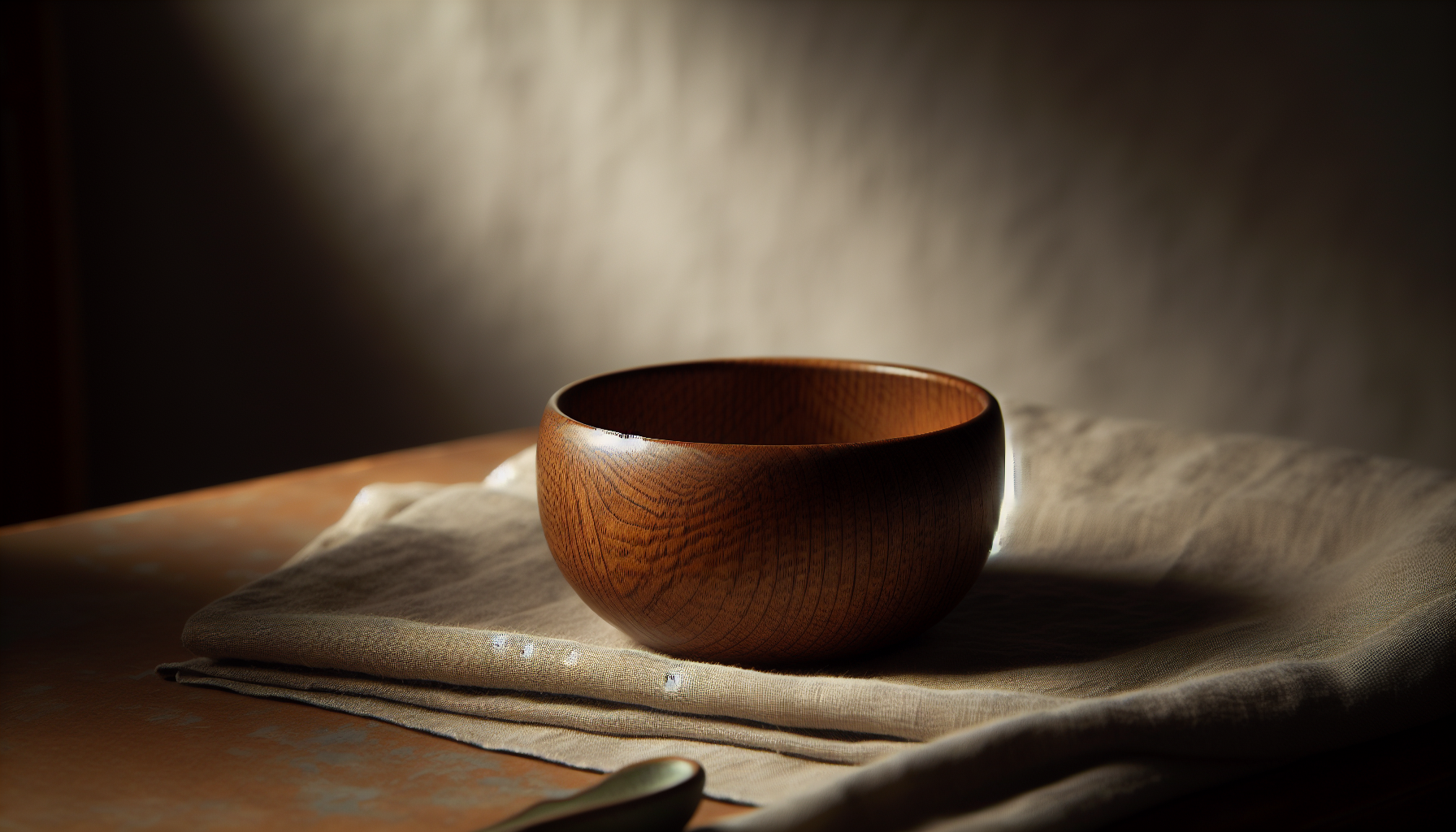
Have you ever paused and asked whether Japandi belongs only to the surfaces of your home or whether it can become a guiding approach to how you move through each day?
Japandi as more than just a style in people’s daily routines
Japandi started as a fusion of Japanese and Scandinavian interior design, but it has grown into a set of principles that can reshape how you live, work, and rest. This article examines whether people experience Japandi as a lifestyle or just an aesthetic choice, and shows how you can apply its values to your daily routines.
What is Japandi?
Japandi blends Japanese wabi-sabi and Scandinavian functionality to create spaces that are calm, simple, and intentional. It emphasizes natural materials, muted color palettes, craftsmanship, and an appreciation for the imperfect and the handmade.
Historical roots and cultural influences
The aesthetic borrows the Japanese value of simplicity, restraint, and respect for natural materials with Scandinavian ideas of hygge (comfort) and functional design. Both traditions prioritize longevity and mindful living, which makes Japandi more than surface-level decoration.
Core philosophy behind the look
At its heart, Japandi is about living with less but better: fewer objects, chosen for utility and meaning rather than novelty. This philosophy directly influences behavior and choices, shaping how you buy, arrange, and use items in daily life.
Key design principles that translate to lifestyle habits
These design principles are what allow Japandi to cross from aesthetic into routine: simplicity, intentionality, quality over quantity, and respect for natural rhythms. Each principle suggests a practical habit you can adopt to make Japandi a lived experience.
Simplicity and intentionality
Simplicity in design means removing visual clutter and keeping what you truly need and love. When you apply this to routines, you make choices deliberately—reducing distractions and prioritizing activities that matter.
Functionality and multipurpose solutions
Japandi favors furniture and objects designed to serve clear purposes, often with multiple uses. That mindset encourages you to choose tools and habits that solve several needs at once instead of accumulating single-purpose items.
Natural materials and textures
Wood, linen, stone, and wool are staples of Japandi interiors because they bring warmth and tactility. Incorporating natural materials into your daily items—like a wooden utensil or linen towel—reminds you to value sensory, sustainable choices.
Neutral palette and calm visual language
Muted tones such as warm greys, soft browns, and subdued greens create a visual calm that reduces cognitive load. Carrying that calm into daily routines means organizing your schedule and surroundings in ways that minimize surprise and stress.
Wabi-sabi and acceptance of imperfection
Wabi-sabi embraces wear, patina, and irregularity as part of an object’s beauty and history. Adopting this in your life encourages acceptance and reduces the pressure for perfection, making it easier to maintain routines without guilt.
How Japandi differs from related movements
It’s helpful to see where Japandi overlaps with and diverges from other trends so you can identify whether it’s a lifestyle fit for you. The differences often reveal whether the approach will inform how you live, not just how your home looks.
Japandi vs Scandinavian design
Scandinavian design emphasizes light, minimalism, and coziness (hygge), often with brighter palettes. Japandi incorporates more restrained color choices and a greater emphasis on asymmetry and organic imperfection from Japanese influence.
Japandi vs Japanese traditional design
Traditional Japanese interiors can be more formal and ritual-based, with specific cultural elements like tatami and shoji. Japandi borrows the calmer, natural aspects but adapts them to Western living patterns and functionality.
Japandi vs minimalism
Minimalism focuses mostly on reduction, sometimes to an extreme, whereas Japandi combines reduction with warmth and texture. This makes Japandi feel more lived-in and approachable compared with stark or purely functional minimalism.
Quick comparison table: Japandi versus related styles
This table highlights the main practical differences so you can decide which elements you might borrow for your life and routines.
| Feature | Japandi | Scandinavian | Japanese Traditional | Minimalism |
|---|---|---|---|---|
| Color palette | Warm neutrals, muted tones | Light neutrals, pastels | Natural tones, earth colors | Monochrome or neutral |
| Textures | Natural, tactile | Coziness, soft textiles | Natural, minimal ornament | Smooth, sparse |
| Focus | Function + warmth + wabi-sabi | Function + hygge | Ritual + harmony + nature | Reduction + efficiency |
| Lifestyle emphasis | Intentional choices, quality | Comfort, community | Ritual, discipline | Simplicity, low possessions |
| Ornamentation | Limited, artisan pieces | Decorative accents | Traditional artifacts | Minimal to none |
Japandi as a lifestyle: evidence and examples
People increasingly describe Japandi as an approach that stretches beyond décor into how they prioritize, buy, and move through time. This shift is visible in how interiors, consumption habits, and daily rituals change when you commit to Japandi principles.
Consumer behavior and purchasing choices
If you take Japandi seriously, you favor durable items over fast trends, which influences what you buy for your wardrobe, kitchen, and home. This habit of prioritizing longevity reduces waste and saves money long-term while fostering deeper satisfaction.
Routine and time management
A Japandi mindset tends to favor slower, more deliberate pacing rather than constant busyness. You might create routines that leave buffer time, reduce multitasking, and honor restorative practices.
Food, cooking, and dining habits
Japandi aesthetics often translate into simpler meal prep and mindful eating, using seasonal ingredients and simple presentations. This approach encourages you to respect ingredients and cooking as a form of care rather than a chore.
Practical ways to apply Japandi principles to daily routines
Translating aesthetic ideas into everyday actions requires concrete steps. Below are practical habits you can adopt to make Japandi genuinely functional in your life.
Decluttering with intention
Instead of a one-time purge, apply a continuous decluttering habit: evaluate items regularly for function and meaning. Keep a small number of high-quality items that serve multiple purposes.
Creating minimalist but warm morning routines
Design a morning routine with a few meaningful steps—hydration, light movement, preparing a simple breakfast, and setting an intention for the day. Use tactile and natural objects (ceramic mug, wooden spoon) to make each step feel grounded.
Designing a calm workspace
Choose a workspace with limited distractions, natural light, and simple storage solutions. Make sure the tools you use daily are high-quality and arranged for efficiency and ease.
Mindful consumption and shopping habits
Before you buy, ask whether the item will serve multiple uses, how long it will last, and whether it aligns with your values. Buying fewer, better things shifts your daily experience from constant acquisition to appreciation.
Ritualizing cleaning and maintenance
Japandi treats cleaning as part of care, not punishment. Develop short, consistent cleaning rituals—wiping surfaces, air circulation, tending plants—that keep your space functional and pleasant without overwhelming effort.
Morning routine scenario: a Japandi-inspired day starter
This sample routine shows how design choices inform actions and mood. It’s flexible and meant to be adapted to your needs and available time.
- Wake gently with natural light or a soft lamp. You’ll likely feel less jolted and more present for the day.
- Prepare a simple breakfast using seasonal ingredients in a few quality dishes. The physical act of making and eating becomes a calming ritual.
- Spend five to ten minutes tidying the key surfaces—this small investment prevents visual clutter from accumulating and preserves calm.
- Set a single, realistic priority for the day and place a small natural object (a stone or sprig) on your desk as a tactile reminder.
Applying Japandi in small spaces and family homes
Critics sometimes claim Japandi is only for minimalist, single-person apartments, but the principles can be adapted to families and compact layouts. The key is purposeful storage, flexible furniture, and routines that involve everyone.
Strategies for families
Use multipurpose furniture, clear zones for play and rest, and teach children simple tidy-up habits through gamified rituals. Choose durable materials and accept some imperfection—patina and wear tell the story of use rather than undermining the aesthetic.
Small-space hacks
Vertical storage, foldable tables, and built-in seating with storage capacity keep surfaces uncluttered. Keep a few meaningful decorative pieces and prioritize floor space for movement.
Table: Japandi lifestyle adaptations by household type
This table gives quick, actionable suggestions based on your living situation so you can apply Japandi without losing practicality.
| Household type | Key focus | Practical adaptation |
|---|---|---|
| Single person, small flat | Calm, functional | Minimal furniture, wall storage, ritualized mornings |
| Couple, mid-size home | Shared calm | Shared decluttering sessions, functional dining area |
| Family with children | Durable + flexible | Multipurpose furniture, toy rotation, family tidying rituals |
| Remote worker | Balanced work-life | Quiet workspace, natural light, soft textiles for comfort |
| Empty nesters | Comfort + craft | Invest in heirloom pieces, incorporate artisan items |
Benefits of living with Japandi principles
The lifestyle benefits extend beyond aesthetics: psychological well-being, better finances, reduced environmental impact, and deeper appreciation of objects and time. These long-term returns make the approach worth considering if you want lasting change.
Mental health and reduced decision fatigue
By reducing visual clutter and simplifying choices, you lower daily decision fatigue and create more mental space for creativity and rest. Calm surroundings often translate into calmer thinking.
Financial and environmental advantages
Choosing quality over volume reduces waste and can be more economical over time. Prioritizing second-hand or artisan pieces also supports sustainable systems and local makers.
Improved functionality and time savings
Multipurpose design and intentional organization reduce the time you spend searching for items or reworking spaces, freeing up more time for meaningful activities.
Common challenges and how to address them
Adopting Japandi as a lifestyle is rewarding but has real challenges—time, cost, family dynamics, and misconceptions about warmth and practicality. Understanding these obstacles helps you solve them practically.
Cost concerns and budget-friendly routes
High-quality pieces can be costly, but you can start small: swap small items first, shop second-hand, or prioritize investments like a durable sofa or table. Over time, replacing items less frequently often balances initial costs.
Perceptions of coldness or austerity
If you’re worried about a cold look, add tactile textiles, warm wood tones, and curated personal items to soften the space. The goal is warmth and restraint, not sterility.
Cultural appropriation and ethical considerations
If you borrow from Japanese culture, aim for respectful appreciation rather than superficial mimicry. Research origins, support artisans, and avoid copying sacred or culturally specific forms inappropriately.
Misconceptions about Japandi
People often assume Japandi is only for certain demographics or that it demands a complete lifestyle overhaul. Neither is true; you can incorporate Japandi in ways that fit your identity and daily realities.
It has to be permanent and total
Japandi works best when you gradually shift habits, not overhaul everything overnight. Small consistent changes often stick longer and feel less overwhelming.
It’s exclusive to a certain income bracket
Many Japandi principles—simplicity, repair, mindful purchase—can be practiced regardless of budget. Emphasis on second-hand shopping, mending, and choosing functional pieces helps democratize the approach.
How to personalize Japandi without losing its essence
Your life and background matter; Japandi should enhance, not erase, your personal story. Integrate heirlooms, art you love, or culturally meaningful objects while following the principles of restraint and intentionality.
Color and pattern choices
If strict neutrals feel limiting, add subtle color accents through textiles or small pottery pieces. Keep overall saturation low and pick recurring hues to maintain cohesion.
Mixing sentimental pieces
Include a few meaningful items that tell your story—these anchor a space and make the aesthetic feel authentic. Place them intentionally so they read as curated rather than cluttered.
Incorporating local craft
Pair Japandi furniture with local artisanal items to create a hybrid that honors both traditions. This supports craft economies and makes your home uniquely yours.
Table: Practical shopping and sourcing guide
This table helps you decide what to buy and where to look when you’re aligning purchases with Japandi values.
| Item type | What to prioritize | Where to source |
|---|---|---|
| Furniture | Solid wood, simple lines, multifunctional | Local carpenters, vintage stores, responsible brands |
| Textiles | Natural fibers, muted colors, durable weave | Local weavers, small textile labels, second-hand |
| Kitchenware | Ceramic, wooden utensils, multipurpose tools | Potters, farmers’ markets, quality kitchen stores |
| Lighting | Warm light, simple forms, dimmable | Artisan makers, sustainable lighting brands |
| Decorative objects | Handmade, minimal, meaningful | Markets, galleries, ceramics studios |
Maintenance: sustainable care and longevity
Part of Japandi’s promise is longevity; caring for items ensures they age well and reduce the need for replacements. Establish simple routines that extend the life and usefulness of your things.
Basic care routines
Regular dusting, timely repairs, and appropriate cleaning methods for wood and textiles keep items looking and functioning well. Treat maintenance as a form of respect rather than a chore.
Repair and repurpose
Learn basic repair techniques or find local repair services; a repaired object has more character and reduces waste. Repurposing items prevents disposal and keeps your home dynamic.
Digital Japandi: translating principles into your online life
A Japandi approach to technology means simpler, intentional tech use: limited apps, curated notifications, and clear boundaries between screens and rest. This reduces mental clutter and keeps technology supportive, not consuming.
Practical digital habits
Unsubscribe from unnecessary newsletters, set focused work sessions, and keep sleeping areas screen-free. Select a few digital tools that genuinely improve your life instead of many that fragment it.
Teaching Japandi principles to children and roommates
If you share your space, persistently modeling gentle routines and involving others in decision-making helps everyone adapt. Make tidy-up rituals fun and choose communal items that are durable and easy to care for.
Involving others respectfully
Explain the reasons behind choices rather than imposing them; when people understand the values, they’re likelier to participate. Create shared systems—labeled bins, low shelves, and clear daily habits—to keep harmony.
Measuring success: is Japandi working as a lifestyle for you?
You can judge whether Japandi is becoming a lifestyle by how your daily experience changes: do you feel less rushed, more connected to items, and more intentional about purchases? Measure success in improved routines and reduced friction, not in how closely your home matches a mood board.
Small indicators to watch for
Notice if cleaning takes less time, decision fatigue decreases, and you keep fewer but more appreciated items. These are reliable signs that Japandi principles are shaping your day-to-day.
Final thoughts: Do people see Japandi as a lifestyle or just a style?
Many people start with Japandi as a decor choice, but the strongest adopters find its values affecting habits, consumption, and time use—turning it into a lifestyle. If you align your choices with its principles—intentionality, functionality, and respect for materials—you’ll likely find the aesthetic naturally extending into routines and habits.
How to begin without pressure
Start with one area—a morning routine, a workspace, or a single room—and apply Japandi principles there. Small, consistent adjustments lead to gradual transformation that feels natural and sustainable.
Your next steps
Pick one practical change from this article—declutter one drawer, choose a multipurpose item, or start a five-minute evening tidy—and see how it ripples through your day. Over time you’ll discover whether Japandi becomes a daily way of living for you or remains a guiding aesthetic for your spaces.
If you’d like, you can tell me about your current routines or a room in your home and I’ll suggest a personalized Japandi action plan you can try this week.