
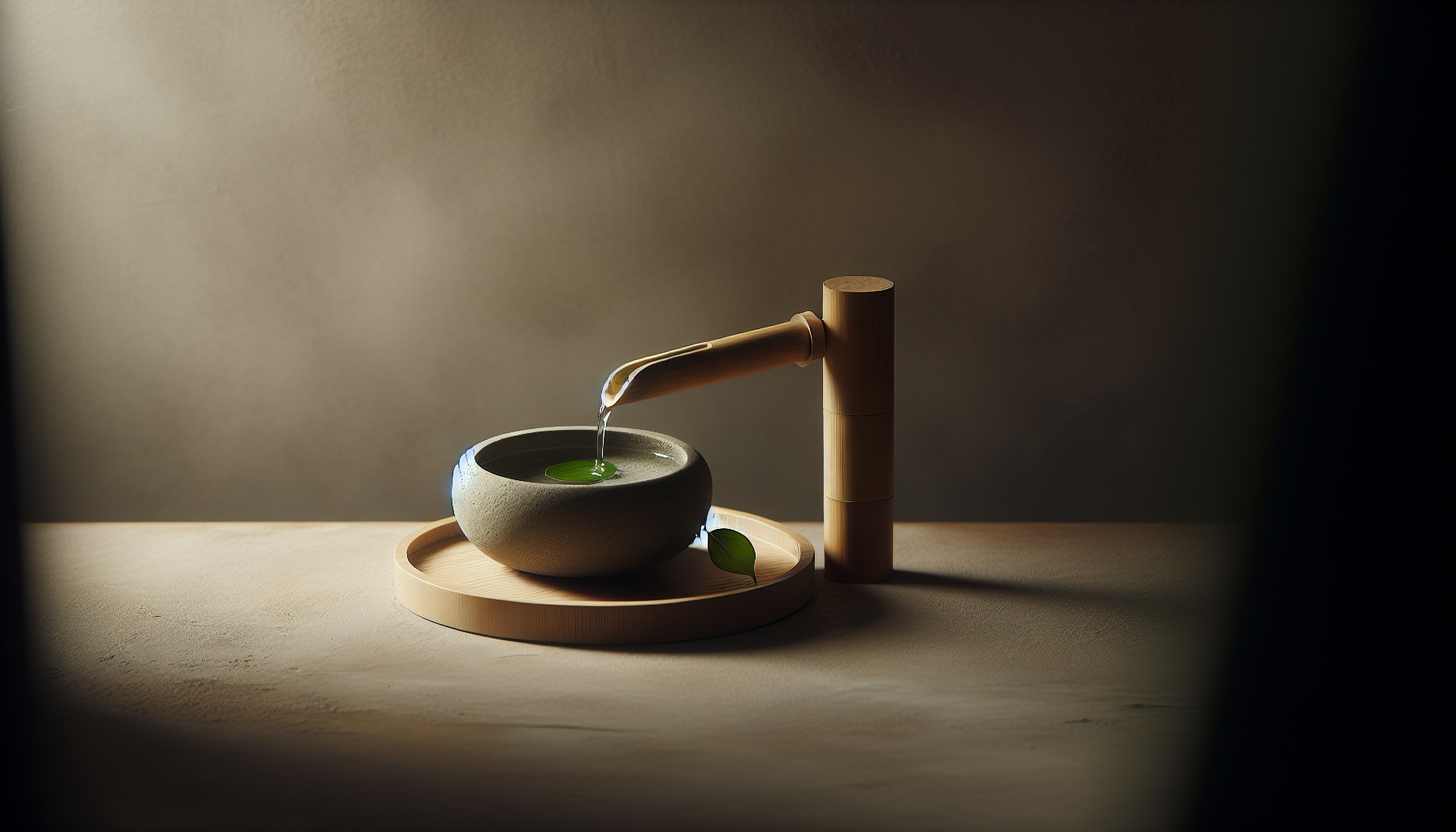
Have you ever wondered how you can bring the subtle, soothing sounds of nature into your home without sacrificing clean lines and minimalism?
Japandi and the Sound of Nature
Japandi combines Japanese and Scandinavian design philosophies to create spaces that are calm, functional, and beautiful. In this article you’ll learn how sound becomes an intentional element in Japandi interiors, shaping mood, comfort, and the sense of balance you experience in your daily life.
What is Japandi?
Japandi fuses the Japanese aesthetic of wabi-sabi — which values simplicity and imperfection — with Scandinavian hygge, which prioritizes coziness and functionality. You’ll notice natural materials, restrained color palettes, and an emphasis on craftsmanship that all support both visual and acoustic calm.
Why sound matters in interior design
Sound affects your stress levels, sleep quality, and ability to focus, so you should treat it as intentionally as light and texture. In Japandi design the auditory layer is tuned to complement visual minimalism, creating spaces where noise is not just reduced but shaped to feel natural and restorative.
Principles of Japandi design that invite natural sound
Japandi creates a sensory environment where sound is as considered as color and form. You’ll find that the defining principles of Japandi naturally contribute to a gentle soundscape that feels connected to the outdoors.
Simplicity and negative space
When you keep furnishings and decor minimal, you reduce competing surfaces and clutter that can create chaotic echoes. This negative space helps natural sounds — like the whisper of a breeze through curtains or the murmur of water — feel more intentional and calming.
Natural materials
Materials such as wood, bamboo, stone, and paper have warm, varied acoustic properties that tame harsh reflections and add a soft, organic quality to sound. You’ll find that these surfaces create a more comforting auditory environment compared with lots of glass or metal.
Biophilic elements
Bringing plants, water, and natural textures into your interiors restores a connection to the natural environment and introduces gentle sound sources. When you introduce leaves, flowing water, or wind-carried sounds you create living soundscapes that change subtly throughout the day.
Muted color palette
A soft, neutral color palette reduces visual noise and supports a perception of calm, which in turn influences how you interpret sound. When colors are subdued, the auditory environment can feel more harmonious and less overstimulating.
Mindful layout and flow
Careful placement of furniture and clear circulation paths reduce sudden sound reflections and create predictable acoustic zones. You’ll benefit from a layout that balances open spaces with soft, absorbing areas to avoid both echo and muffling.
Sources of natural sound you can bring into your home
To create a Japandi soundscape you’ll consider direct and indirect sources of natural sound, choosing those that suit your lifestyle and space. Each source contributes different textures and rhythms, from constant gentle tones to occasional chirps.
Water
Running water — whether a small tabletop fountain, a wall-mounted water panel, or an indoor pond in larger spaces — gives you a continuous, calming sound that masks background noise. You’ll want water features that produce soft, unobtrusive movement rather than aggressive splashing.
Wood and bamboo
Wooden elements creak softly and translate impact sounds into warmer tones; bamboo slats can rustle subtly when air moves through them. These natural materials provide a tactile and acoustic softness that enhances the overall ambiance.
Plants and leaves
Leaf movement produces a delicate, rustling sound that changes with air currents and humidity, offering a living, dynamic sound layer. You’ll find that larger-leaved plants like ficus or palms make more audible, satisfying rustles than dense, small-leaved varieties.
Wind and open windows
Allowing fresh air through operable windows, sliding doors, or shoji screens brings in natural wind sounds and outdoor ambiance. You’ll want to control when and how much you open these elements to balance comfort, privacy, and noise levels.
Wildlife and bird song
Positioning your seating or windows to face areas with birds or other small wildlife brings natural acoustic interest into daily life. Even short morning or evening song can anchor your connection to the outdoors and enrich your soundscape without overwhelming it.
Household textiles
Rugs, cushions, curtains, and throws soften impact and airborne sounds and add a gentle rustle when used. You’ll appreciate how layered textiles change the way sound travels, turning harsher noises into muffled, pleasant tones.
Practical ways to incorporate natural sound in Japandi interiors
You can use intentional design strategies to introduce and control natural sound while maintaining the clean aesthetic that defines Japandi. These interventions range from simple adjustments to built-in installations.
Indoor water features
Choose a small, low-flow tabletop fountain or a recessed water wall to create a consistent, calming murmur. You’ll want adjustable flow controls and easy-to-clean surfaces to keep the feature quiet and hygienic.
Strategic window placement and ventilation
Position windows and sliding doors to capture prevailing breezes and frame natural sound sources such as a garden or street lined with trees. You’ll also need operable shading or screens to manage privacy and control the intensity of wind-borne noise.
Use of timber and acoustic paneling
Incorporate timber slats, wooden ceiling beams, or perforated wood panels to add warmth and diffuse sound. You’ll find that acoustic wood panels can be both functional and aesthetically consistent with Japandi minimalism.
Textiles and soft surfaces
Layer rugs, woven cushions, and linen curtains to absorb mid and high frequencies that might otherwise make a room feel harsh. You’ll also want to choose muted patterns and natural fibers to maintain the visual calm.
Indoor plants and living walls
Live plants not only change a room’s microclimate but also create subtle sound from moving leaves; a small green wall can be designed to be slightly permeable to airflow. You’ll need to plan irrigation and proper lighting, but the acoustic payoff is a living, ever-changing sound layer.
Soundscaping with speakers and recordings
When natural sources are limited, use hidden speakers to play high-quality recordings of water, wind, or bird song at natural volumes and with randomized schedules. You’ll want to avoid loops that become repetitive and choose recordings with realistic spatial depth.
Minimalist furniture placement to enhance acoustics
Place seating and storage to break up long reflective surfaces and create cozy acoustic pockets. You’ll notice that placing bookshelves, textiles, or upholstered chairs near reflective walls softens reflections and concentrates sound in comfortable areas.
Acoustic basics for creating calming soundscapes
A few acoustic principles will help you shape a space that supports Japandi’s sense of calm. You don’t need to become an acoustician, but understanding how sound behaves will let you make smarter choices.
Reverberation time and echo control
Reverberation time (RT60) is the time it takes for sound to decay by 60 dB; shorter times suit small, intimate spaces while longer times can make spaces feel hollow. You’ll aim for moderate RT60 values so natural sounds remain gentle and intelligible without causing muddiness.
Absorption vs reflection vs diffusion
Absorptive materials (textiles, cork) trap sound energy, reflective materials (glass, polished stone) bounce it, and diffusers scatter it to avoid focused echoes. You’ll combine these strategies to achieve a balanced sound field: not too dead, not too live.
Materials and their acoustic properties
Different materials have predictable acoustic behaviors: soft fabrics absorb, wood diffuses and warms, glass reflects. You’ll use a mix of materials to shape timbre and clarity, ensuring natural sounds are pleasant rather than piercing.
Table: Common materials and their acoustic roles
| Material | Primary acoustic role | Typical use in Japandi |
|---|---|---|
| Linen, wool, cotton | Absorption (mid-high frequencies) | Curtains, cushions, rugs |
| Wood (solid, slats) | Diffusion and warm reflection | Floors, panels, furniture |
| Paper (shoji) | Controlled diffusion and soft reflection | Screens and partitions |
| Stone, tile, glass | Reflection (bright) | Floors, countertops, large windows |
| Cork, felt | Absorption (broadband) | Underlays, wall panels |
| Plants | Scattering and micro-absorption | Potted plants, green walls |
Design examples and room-by-room guidance
Each room has different acoustic needs and opportunities to bring nature’s sounds in a way that supports function. You’ll tailor sound elements to the room’s purpose and scale.
Living room
The living room is where you entertain, relax, and listen; you’ll want balanced acoustics and varied natural sound sources. Consider a low, wide water feature, timber furniture, and layered rugs to create a soothing communal space.
Bedroom
In the bedroom you should prioritize restful, low-level sound that supports sleep and relaxation. A distant, soft water sound or quiet wind through a shoji screen can be effective, complemented by plush textiles to dampen intrusive noises.
Bathroom
Bathrooms are ideal for water-focused sound design, with opportunities for integrated water panels or gentle recirculating fountains. You’ll also use stone and wood strategically to create a spa-like sound signature that feels natural and calming.
Kitchen
Kitchens can be acoustically lively due to hard surfaces and appliances, so you’ll introduce absorption and gentle natural sound to soften the environment. Plants near windows, wooden chopping boards, and a low murmur of water from a small fountain can balance the space.
Home office
To support concentration in a home office you’ll aim for controlled quiet with selective natural sound that enhances focus. You might use recordings of flowing water during certain tasks and plants that provide soft rustle without visual clutter.
Outdoor transition spaces (balcony, patio)
Balconies and patios are natural bridges to outdoor sound; you’ll use screens, planters, and timber seating to shape how wind and bird song enter your interior. These spaces can act as acoustic buffers that moderate external noise and provide intentional contact with nature.
Technology and sound in Japandi
Technology can augment natural sound in minimal, unobtrusive ways that respect the Japandi aesthetic. You’ll use devices selectively and often hidden to avoid visual distraction.
Sound systems and hidden speakers
Use compact, concealed speakers or in-wall solutions that blend with timber panels or shelving to produce realistic nature sounds. You’ll want high-quality playback with good dynamics so the recordings feel lifelike and not synthetic.
Smart soundscaping and automation
Automate schedules to gently introduce nature sounds at times you choose, such as morning bird song or evening water murmur. You’ll keep volumes low and gradual, so transitions feel organic rather than intrusive.
Using sound apps and nature recordings
Curate a library of natural recordings — water, rain, wind through trees, distant birds — and avoid repetitive loops by mixing files and varying playback. You’ll prioritize high-fidelity, ambient tracks with natural spatial cues for the most convincing effect.
Maintenance and seasonal adjustments
Natural sound elements require upkeep and occasional seasonal tuning to perform well and remain beautiful. You’ll plan for maintenance so features remain subtle and healthy.
Caring for water features and plants
Clean water reservoirs, replace filters, and trim plants regularly to keep sound quality consistent and hygienic. You’ll inspect pumps and irrigation systems seasonally to avoid noise from worn parts.
Adjusting sound for seasons
Change the intensity and type of natural sound to match seasonal activities and weather; for instance, increase bird song in spring mornings and emphasize indoor wind sounds in autumn. You’ll enjoy how seasonal variation makes your home feel synced with nature.
Cleaning and preserving natural materials
Treat wood with proper oils, dust shoji screens gently, and launder textiles according to care instructions to maintain both visual and acoustic performance. You’ll extend the life of materials by addressing humidity and sunlight exposure proactively.
Common mistakes and how to avoid them
Even with good intentions, you can create acoustic problems if you don’t plan carefully. You’ll benefit from avoiding a few common missteps that turn soothing design into noise.
Overloading with too many elements
Adding multiple water features, dense plant walls, and loud recordings at once can create a cluttered soundscape that competes rather than comforts. You’ll choose one or two primary sound sources and use others sparingly as accents.
Ignoring acoustics
Focusing only on appearance without testing acoustics can lead to harsh echoes or deadened rooms that feel lifeless. You’ll use simple tests — clap, speak, or play recordings — to sense how sound behaves and adjust materials and placement accordingly.
Poor placement of sound sources
Placing a fountain or speaker in a corner or against a hard surface can amplify unwanted frequencies and create hotspots. You’ll position sound elements centrally or near absorption to let the sound spread evenly and remain gentle.
Case studies and inspiration
Seeing practical implementations can help you adapt ideas to your own space. You’ll find that different scales and lifestyles call for tailored approaches that are true to Japandi principles.
Small apartment Japandi
In a compact apartment you’ll favor small tabletop water features, potted plants near windows, and soft textiles to control reflections without crowding space. You’ll prioritize multifunctional furniture that also acts as acoustic buffering, such as upholstered bench seating or open wood shelving filled with natural fibers.
Family home Japandi
Larger homes allow bolder interventions like recessed water walls, timber acoustic panels, and courtyard gardens that bring sound inward. You’ll balance family needs by zoning sound sources so play areas remain lively while bedrooms and quiet rooms stay restful.
Office/retreat space Japandi
A work or retreat space can use sound to signal transitions: quiet concentration time with minimal recordings and restorative breaks with water and bird song. You’ll design flexible control so occupants can choose sound intensity according to tasks.
Budget-friendly adaptations
You don’t need a large budget to bring the sound of nature into your home; many low-cost methods give strong acoustic returns. You’ll focus on simple, high-impact elements that align with Japandi’s restraint.
DIY water sounds
Create a tabletop fountain using a small pump, a shallow stone basin, and pipe fittings for adjustable flow. You’ll tune the outlet and water level to control pitch and volume so the sound remains gentle.
Affordable plants and materials
Choose resilient plants like snake plant, pothos, or rubber plant for easy care and added leaf movement. You’ll source natural-fiber textiles secondhand or from local markets to add absorption without high cost.
Second-hand timber and repurposed items
Reclaimed wood, thrifted shoji screens, and repurposed furniture can give you authentic materials at lower cost and with strong character. You’ll clean and finish reclaimed items properly to avoid pests and to preserve acoustic quality.
Measuring and refining your Japandi soundscape
Refinement is an ongoing process that benefits from observation and modest measurement. You’ll listen at different times and adjust until the sound fits your lifestyle.
Listening sessions and adjustments
Schedule quiet listening moments in the morning and evening to assess how sound sources interact with daily life. You’ll note whether sounds are too loud, too repetitive, or perfectly synchronized with your activities and adjust accordingly.
Simple acoustic measurements
You can use smartphone apps to measure background noise levels and reverberation roughly, but your ears remain the most reliable tool. You’ll make changes gradually, preferring subtle shifts over radical interventions.
Table: Room-by-room sound element checklist
| Room | Natural sound elements to consider | Acoustic treatments |
|---|---|---|
| Living room | Table fountain, timber furniture, large potted plants | Area rugs, linen curtains, wood slats |
| Bedroom | Distant water sound, soft textiles, small plants | Thick curtains, upholstered headboard, rug |
| Bathroom | Recessed water panel or fountain, stone surfaces | Soft mat, wood accents for warmth |
| Kitchen | Small herb planters near window, wooden utensils | Runner rugs, open shelving with baskets |
| Home office | Controlled water playback, potted plants | Bookshelf diffusion, felt panels |
| Balcony/Patio | Wind-permeable screens, bird-friendly plants | Timber decking, woven outdoor cushions |
Final considerations for harmony and longevity
Design choices should aim for a soundscape that supports your routines, health, and sense of calm over the long term. You’ll prioritize durable materials and flexible systems that let you scale or soften sound elements as needs change.
Sustainability and ethics
Select sustainably sourced timber, responsibly harvested reeds, and energy-efficient pumps to keep your Japandi soundscape ethical and low impact. You’ll research materials and ask suppliers about provenance to ensure your choices align with both aesthetics and values.
Cultural respect and authenticity
When you borrow elements from Japanese and Scandinavian traditions, honor their origins by understanding the principles rather than copying superficial motifs. You’ll prioritize craftsmanship, simplicity, and the intention behind objects rather than using cultural symbols as mere decoration.
Conclusion: Making Japandi sing
You can create a Japandi interior where sound is an integral, intentional part of the design that calms, centers, and connects you to nature. By combining natural materials, thoughtful placement, and gentle technology you’ll craft a home that looks minimal and sounds beautifully alive.