
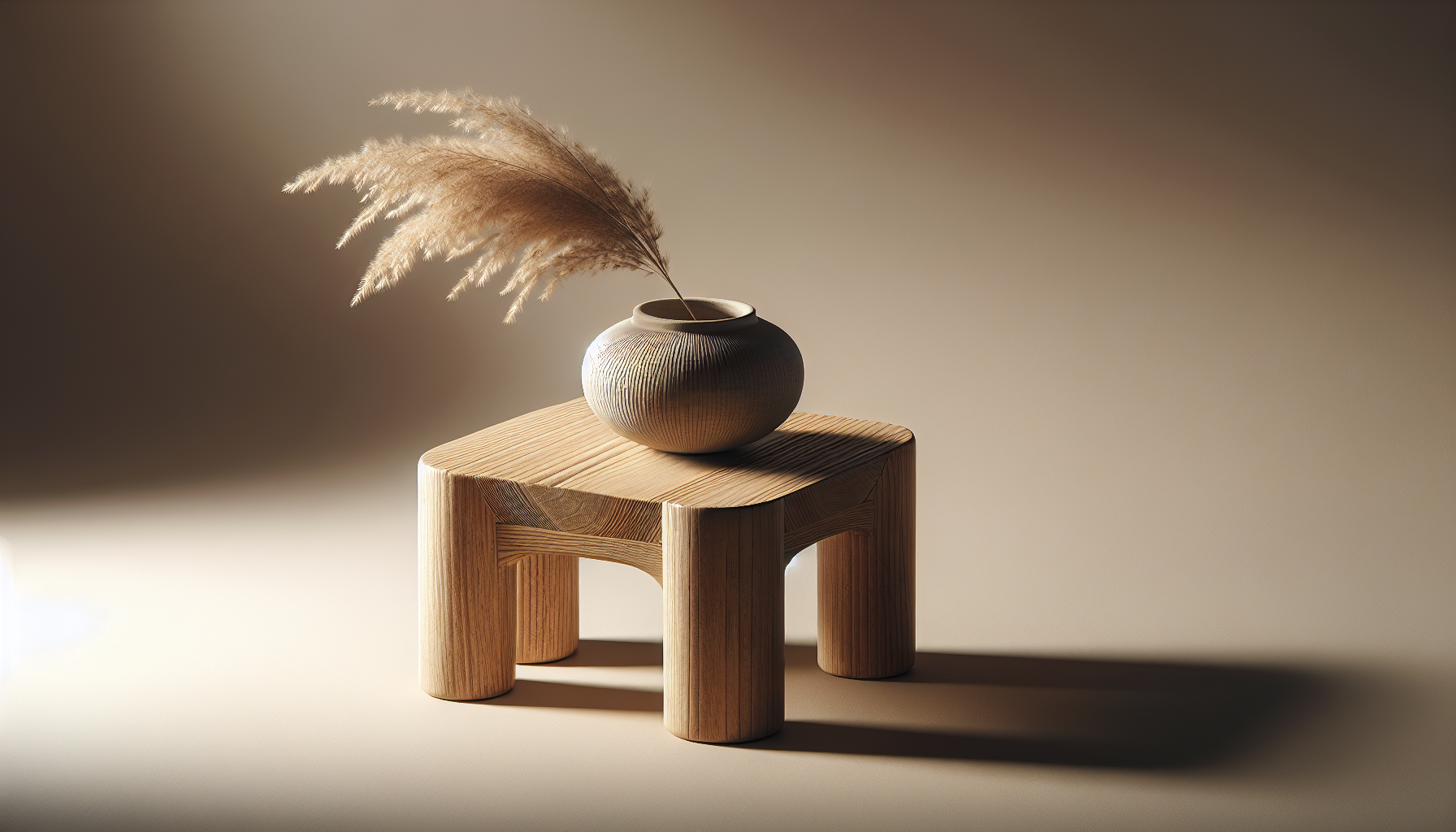
Have you ever wondered whether Japandi is best described as modern or truly timeless?
Japandi and the Case for Timeless Interiors
You’re about to read a detailed look at Japandi — what it is, where it comes from, and why many designers argue it belongs in the category of timeless interiors rather than a passing trend. This article will help you decide how to use Japandi in your home so the results remain relevant and satisfying for years.
What is Japandi?
Japandi is a hybrid design aesthetic that combines Japanese and Scandinavian design principles to create calm, functional, and elegant interiors. You’ll notice a clear focus on simplicity, high-quality materials, natural textures, and a muted color palette that supports restful living.
Historical roots
You’ll find Japandi’s roots in two cultural design lineages: Japanese design, with its emphasis on wabi-sabi, respect for natural materials, and minimalism; and Scandinavian design, known for functionalism, craftsmanship, and light-filled interiors. The synthesis of these lineages produces an aesthetic that values intentionality and restraint.
Core principles
Japandi centers on a few core principles you can follow: minimalism without austerity, functionality married to beauty, a palette anchored in neutrals, and an appreciation for craftsmanship. You’ll use these principles to guide every choice, from furniture silhouettes to small decorative objects.
Is Japandi Modern or Timeless?
Understanding whether Japandi is modern or timeless requires clarity on what those terms mean, and then matching Japandi’s traits against those definitions. You’ll want to look at how Japandi handles form, materials, function, and emotional resonance to answer this question.
Defining Modern Design
When you think of modern design, think of clean lines, a forward-looking sense of innovation, and often an aesthetic associated with specific historical movements such as mid-century modern or the International Style. Modern design frequently embraces new materials, bold simplicity, and a minimal ornamentation ethos.
Defining Timeless Design
Timeless design transcends fashion cycles because it emphasizes proportion, quality, comfort, and materials that age well. When you invest in timeless interior elements, you’re choosing pieces that remain aesthetically relevant and emotionally satisfying across decades.
How Japandi Aligns with Modern Design
You’ll notice Japandi’s restrained silhouettes, functional furniture, and uncluttered spaces feel distinctly modern. The aesthetic is often featured in contemporary publications and social media, and its minimalism reflects current design tendencies toward simplified living.
How Japandi Aligns with Timeless Design
At the same time, Japandi emphasizes natural materials, craftsmanship, proportion, and a neutral palette — qualities that contribute to timelessness. You’ll find that these choices don’t scream a specific year; they have an enduring visual logic that remains pleasing over time.
Elements that Make Japandi Feel Timeless
If you want your Japandi choices to withstand changes in taste, focus on the fundamental elements that generate longevity. These are the parts of the aesthetic that age gracefully and can be refreshed without full replacement.
Material choices
You’ll prioritize materials that develop patina and tell a story, such as solid wood, stone, natural fibers, and hand-thrown ceramics. These materials absorb life and often get better-looking with age, which is a hallmark of timeless interiors.
Color palette
Japandi favors neutral, muted tones: soft beiges, warm greys, subdued greens, and black accents. You’ll use a restrained color scheme to create visual calm and a flexible backdrop that can accommodate seasonal accents or new textiles without clashing.
Furniture forms and proportions
Furniture in Japandi design often exhibits low profiles, tapered legs, gentle curves, and simple geometric shapes. You’ll aim for proportion and scale that complement human dimensions and the room’s architecture, which helps maintain comfort and elegance over time.
Textures and layering
You’ll introduce texture through woven rugs, linen cushions, hand-carved details, and wood grain. Layering tactile elements in a restrained way creates visual depth without relying on ephemeral patterns or bright colors that may date quickly.
Lighting and spatial flow
Natural light plays a crucial role; you’ll prioritize windows, translucent treatments, and lighting that mimics daylight. A carefully planned spatial flow that supports movement and purposeful living contributes to an enduring sense of calm.
Decluttering and functionality
Timeless interiors avoid over-decoration. You’ll focus on functionality: good storage, multipurpose furniture, and an editing process that keeps possessions meaningful and necessary, which helps maintain order and long-term satisfaction.
Modern vs Timeless vs Japandi (Quick Comparison)
| Quality | Modern Design | Timeless Design | Japandi |
|---|---|---|---|
| Visual language | Often bold, forward-looking, sometimes stark | Balanced, proportionate, subtle | Minimal, warm, balanced |
| Materials | Can include industrial/new materials | Natural, high-quality, patina-friendly | Solid wood, natural fibers, stone |
| Color palette | High-contrast or monochrome | Neutrals and classics | Muted neutrals with warm undertones |
| Ornamentation | Minimal to none | Minimal, well-considered | Minimal, purposeful accents |
| Emotional impact | Contemporary, sometimes cool | Comforting, lasting appeal | Calm, warm, enduring |
| Trend risk | Higher | Lower | Low-to-moderate; sustainable design reduces risk |
You’ll use this table to quickly see how Japandi sits between modern and timeless: it captures the clean lines of modern design while incorporating the materials and restraint that support longevity.
Practical Tips to Make Japandi Timeless in Your Home
Apply specific strategies so your Japandi approach remains relevant and satisfying for years. These tips emphasize longevity, comfort, and adaptability.
Invest in quality anchor pieces
You’ll prioritize a few investment pieces — a solid wood dining table, a well-built sofa with neutral upholstery, or an artisan sideboard. These anchors establish the room’s tone and are pieces you’ll live with for years.
Keep a neutral backbone
Use a neutral base for walls, floors, and large furniture so smaller, seasonal, or trend-driven items can change without requiring a full overhaul. You’ll find that this backbone provides continuity.
Choose classic shapes and proportions
When you buy furniture, aim for forms that respect scale and human ergonomics. You’ll avoid overly faddish silhouettes that may feel dated; instead, select pieces that are simple and well-proportioned.
Prioritize natural materials and craftsmanship
You’ll select furniture and finishes that reveal grain, texture, and hand-finished details. These items not only look better over time but also become more valuable in emotional terms.
Edit often and curate intentionally
Regular editing helps you keep only what’s meaningful. You’ll develop a habit of assessing objects based on use, craftsmanship, and emotional resonance to prevent clutter from undermining the aesthetic.
Use accent pieces strategically
Allow yourself to change rugs, cushions, or small decorative objects as trends shift — but keep them subordinate to the room’s neutral anchors. You’ll be able to refresh the space with minimal expense.
Build in storage and multifunctionality
Practical solutions such as integrated cabinetry, hidden storage, or multipurpose furniture will maintain clutter-free spaces. You’ll benefit from long-term utility as well as visual clarity.
Checklist Table: Making Japandi Last
| Action | Why it matters | How to do it |
|---|---|---|
| Invest in anchors | Anchors define the room | Choose solid wood, neutral upholstery |
| Neutral base | Flexible design backbone | Paint, large textiles, flooring in muted tones |
| Prioritize craft | Long-lasting beauty & durability | Buy from artisans or reputable makers |
| Limit pattern | Prevent fast dating | Use patterns as small accent elements |
| Layer texture | Create depth without color | Linen, wool, stone, woven fibers |
| Maintain pieces | Protect value & appearance | Regular cleaning, oiling wood, reupholstery |
| Curate edits | Sustain minimalism | Seasonal reviews to remove redundant items |
You’ll use this checklist to make practical decisions that support lasting interiors.
Common Mistakes to Avoid
Even with the best intentions, there are pitfalls that can erode Japandi’s timelessness. Knowing these mistakes helps you avoid them.
Over-decorating
Adding too many decorative objects or mixing too many styles weakens the aesthetic. You’ll aim to keep surfaces purposeful and uncluttered to preserve the intended calm.
Buying cheap, lookalike pieces
Low-quality knockoffs may look right initially but wear poorly and feel cheap. You’ll prioritize well-made items, even if that reduces the quantity of items you can buy.
Chasing trend colors/patterns
Loud, seasonal colors and busy patterns can quickly date a room. You’ll use patterns sparingly and as accents only, keeping the primary palette neutral.
Ignoring proportion and scale
Oversized furniture in a small room or tiny pieces in a large space will disrupt balance. You’ll measure spaces and understand human ergonomics before choosing key pieces.
Neglecting comfort
An overly austere approach can compromise comfort. You’ll ensure seating, bedding, and layout prioritize livability to create spaces that feel inviting for the long run.
Decorating Examples by Room
Seeing how Japandi applies to each room helps you make decisions that feel intentional. Each room has specific considerations you’ll want to follow.
Living room
You’ll center the living room around a comfortable, neutral sofa and a solid wood coffee table. Use layered rugs, a few curated objects, and a mix of natural fabrics to maintain warmth while keeping lines simple.
Dining room
In the dining area, choose a sturdy wood table and chairs with clean profiles. You’ll focus on craftsmanship and proportion, adding a simple pendant light and minimal tableware to maintain clarity.
Kitchen
Kitchens benefit from functional layouts and natural materials: wooden shelving, neutral cabinetry, stone countertops, and simple hardware. You’ll add open storage selectively to display ceramics or glassware without clutter.
Bedroom
The bedroom is an ideal space for Japandi’s calming influence. You’ll prioritize good-quality bedding in natural fibers, a simple platform bed, and soft layering of rugs and throws to create a serene retreat.
Bathroom
Use warm wood tones, stone or matte tiles, and minimal fixtures to craft a spa-like feel. You’ll select tactile towels, natural-finish accessories, and built-in storage for a neat, timeless appearance.
Home office
Choose a streamlined desk, ergonomic seating, and minimal visual clutter to support focus. You’ll incorporate warm wood and good task lighting to balance functionality with comfort.
Longevity: Maintenance and Adaptation
To keep Japandi interiors looking and feeling timeless, you’ll adopt simple maintenance routines and strategies for gradual adaptation rather than abrupt change.
Caring for materials
Wood needs protection and periodic oiling; natural textiles require proper washing and storage. You’ll follow care instructions and perform small restorations rather than full replacements to retain the original pieces.
Reupholster and repair
Rather than discarding a worn sofa, you’ll consider reupholstery or replacing cushions. Repairs preserve both the environment and the sense of continuity in your interior.
Seasonal, minimal updates
If you want to refresh the room, rotate textiles or add a sculptural accessory. You’ll avoid wholesale color changes and instead make small updates that relate to the neutral base.
When to update versus replace
You’ll update accessories and textiles more often; replace only when structural or functional issues emerge. This approach keeps the aesthetic coherent and reduces waste.
Sustainability and Ethical Considerations
Japandi’s focus on natural materials and craftsmanship aligns well with sustainable and ethical practices. You can build a beautiful, long-lasting interior while minimizing environmental impact.
Choose locally made and ethically sourced items
Prioritize makers who use sustainably harvested wood and natural fibers. You’ll support reduced transport emissions and fair labor practices by buying locally or from transparent brands.
Embrace secondhand and vintage
You’ll look for vintage pieces with good bones that can be restored — these items often bring character and craftsmanship that new, mass-produced items lack.
Reduce, repair, reuse
By reducing consumption and repairing items rather than discarding them, you’ll extend the life of your interiors and align with Japandi’s restraint. This approach also supports a more meaningful relationship with your possessions.
Styling: Accessories, Art, and Plants
Accessories matter in Japandi but should be used judiciously. You’ll place a few well-chosen objects to add personality without disrupting the calm.
Art and objects
Select art with a restrained palette or simple lines. You’ll allow negative space around artwork so pieces can breathe and maintain a meditative quality.
Textiles and rugs
Rugs and textiles add comfort and acoustic softness. You’ll choose natural fibers and simple patterns, layering textures rather than colors to maintain depth.
Plants
Plants bring life and a touch of nature to the interior. You’ll use sculptural, low-maintenance plants in simple pots to underscore connections to the natural world.
Mixing Japandi with Other Styles
If you want to combine Japandi with other aesthetics, do so carefully so the result feels cohesive and long-lasting.
Japandi + Modern
You’ll blend sleek modern lighting or contemporary art with Japandi’s natural materials. Keep contrasts subtle so the room remains balanced rather than eclectic.
Japandi + Traditional
Integrate a traditional piece like a handcrafted cabinet or heirloom rug sparingly. You’ll link the piece to the room’s palette and materials to ensure cohesion.
Japandi + Minimalist maximalism
If you gravitate toward minimalist maximalism — restraint with curated abundance — you’ll organize collections thoughtfully. Keep the overall color story consistent and maintain negative space.
Cost Considerations and Budgeting
You don’t need to spend a fortune to achieve a timeless Japandi look; prioritization and smart choices matter. You’ll allocate budget to anchors and select affordable accents wisely.
Prioritize anchors over accessories
Spend more on a well-crafted sofa or table, while choosing budget-friendly textiles and small decor. You’ll get the most visual and functional impact for your investment.
Mix price points
Combine higher-cost investment pieces with well-chosen affordable items to balance budget and quality. You’ll be able to create an authentic feel without overspending.
Buy over time
You’ll let the aesthetic evolve by making deliberate purchases over months or years instead of buying everything at once. This staged approach reduces regret and improves curation.
Final considerations: Personalizing Japandi
A truly timeless Japandi interior reflects your habits and needs. You’ll adapt guidelines to your lifestyle rather than replicate a look verbatim.
Make it liveable
Ensure your choices match how you live: kids, pets, entertaining frequency, and personal preferences should influence material and layout decisions. You’ll maintain beauty by considering durability and practicality.
Add meaningful objects
Small personal objects — a travel vessel, a family heirloom, a favorite book — will make the space uniquely yours. You’ll incorporate these items with restraint so they add depth without clutter.
Trust restraint, not coldness
If Japandi ever feels overly sterile, you’ll warm it with layers and tactile materials. The goal is calm, not clinical; texture, plants, and soft lighting achieve this.
Conclusion: Is Japandi Modern or Timeless?
By now you’ll see that Japandi is both modern and timeless, but its strongest claim is to timelessness. The aesthetic draws from contemporary minimalism and modern functionalism, yet it rests on principles that foster longevity: natural materials, craftsmanship, proportion, and quiet restraint. If you follow the guidelines here — invest in anchors, choose a neutral backbone, prioritize quality, and curate intentionally — your Japandi interior will feel relevant and comforting for many years.
If you’re ready to begin, you’ll start by assessing what you already own, choose one or two anchor upgrades, and edit ruthlessly. Over time, you’ll refine the balance between modern simplicity and enduring warmth so that your home becomes a place you truly enjoy living in.