
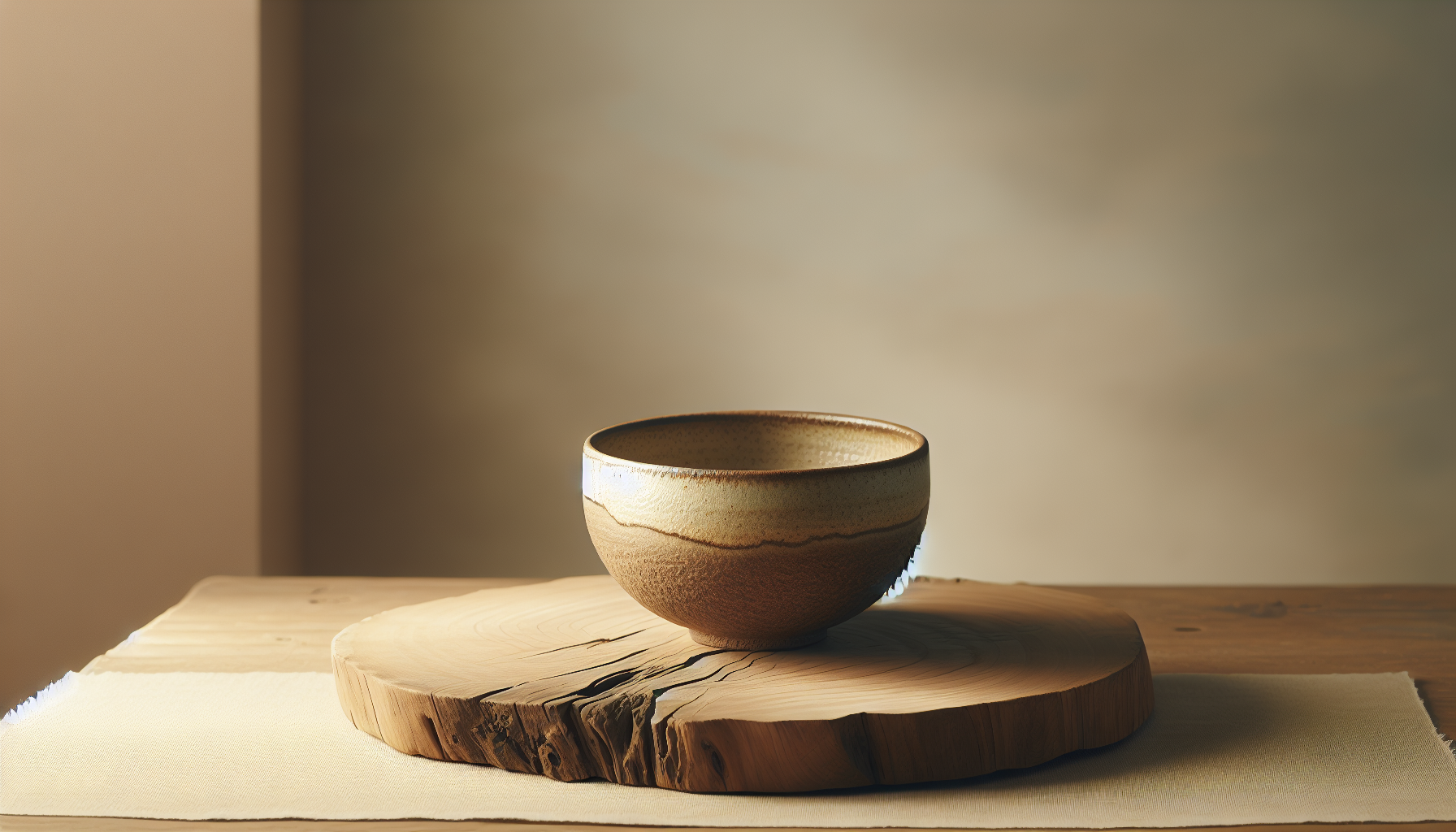
How does Japandi interpret the beauty of imperfection?
Japandi and the Beauty of Imperfection
Japandi blends Japanese restraint with Scandinavian warmth to create spaces that feel both calm and inviting. You’ll notice that imperfection is not a flaw here — it’s an asset that gives character, depth, and authenticity to your home.
What is Japandi?
Japandi is a hybrid interior style that marries the minimalism and craftsmanship of Japanese design with the functionality and cozy comfort of Scandinavian design. You’ll find that it values clean lines, neutral palettes, natural materials, and a careful balance between simplicity and warmth.
Japandi isn’t about copying a look; it’s about adopting a mindset that prioritizes quality, restraint, and the beauty of everyday objects.
Origins and influences
Japandi draws primarily from two design traditions:
- Japanese aesthetics: wabi-sabi, minimalism, mastery of craft, and appreciation for nature.
- Scandinavian principles: functionalism, hygge-like comfort, and light-filled spaces.
These influences combine to form a style that is simultaneously modern and timeless, restrained but welcoming.
Core principles
You’ll recognize Japandi by its recurring principles:
- Simplicity with purpose: every item serves a reason.
- Natural materials: wood, stone, clay, textiles that feel organic.
- Neutral palettes with muted accents.
- Mindful curation: fewer but better objects.
- Comfort through craftsmanship: well-made furniture that invites use.
When you apply these principles, imperfection becomes part of the story, not something to hide.
The philosophy of imperfection: Wabi-sabi
Wabi-sabi is the Japanese aesthetic that embraces transience, imperfection, and the beauty of natural aging. You’ll see it in objects with uneven glazes, rough textures, and forms that hint at human touch rather than machine-made precision.
Wabi-sabi teaches you to appreciate the imperfect, impermanent, and incomplete — qualities that make things more honest and emotionally resonant.
Key concepts of wabi-sabi
- Impermanence: everything changes; materials age.
- Asymmetry: balance without symmetry often feels more natural.
- Simplicity: removal of the excess brings focus.
- Patina: signs of wear increase beauty rather than diminish it.
If you lean into these ideas, you’ll intentionally choose items that tell a story over objects that scream perfection.
How wabi-sabi differs from Western perfectionism
Western design often prizes flawless finishes, symmetry, and brand-new appearance. Wabi-sabi rewards the lived-in and weathered, which can feel unfamiliar at first. But when you make peace with imperfection, your space will feel layered, authentic, and less brittle.
How Scandinavian aesthetics complement wabi-sabi
Scandinavian design contributes warmth, usability, and social comfort to the mix. You’ll get hygge-like coziness through soft textiles, warm lighting, and furniture designed for living. The result is a restrained but very livable environment.
Scandinavia’s functional design ethos ensures that the style remains practical: beauty must serve a purpose.
Hygge and coziness
Hygge encourages creating moments of comfort and togetherness. You’ll introduce tactile throws, cushions, and low-level lighting to foster intimacy and relaxation. These elements soften the austerity that pure minimalism can sometimes create.
Functionalism and craftsmanship
Scandinavian pieces often feature efficient use of materials and understated craftsmanship. In Japandi, functionality doesn’t undermine beauty; instead, it enhances it. You’ll prioritize pieces that are useful and well-made, turning everyday use into a form of ritual.
How Japandi interprets the beauty of imperfection
Japandi interprets imperfection as an essential aesthetic and ethical choice. Instead of pursuing immaculate surfaces and perfect symmetry, you’ll highlight natural textures, handmade objects, and signs of use that make a space feel alive.
This interpretation affects how you choose materials, arrange objects, and maintain your home. Imperfection becomes curated rather than accidental: you intentionally include patina, slight irregularities, and handcrafted qualities.
Use of natural materials and textures
Natural materials — wood, stone, linen, clay — inherently carry irregularities that you’ll celebrate. Wood grain variations, knots, hand-thrown ceramics with subtle asymmetries, and stone veining offer visual interest and tactile variety.
When you prefer raw or minimally finished materials, your home shows its relation to nature and time, which encourages a slower, more attentive lifestyle.
Handcrafted items and visible joins
Handmade furniture and artisanal objects often display traces of human touch: tool marks, uneven glazes, exposed joinery. You’ll intentionally select pieces where craftsmanship is legible rather than hidden, because visible joins convey honesty and the passage of skill.
These traces make objects feel personal and unique, reinforcing the sense that your home is curated by human hands.
Asymmetry and irregularity in layout and decor
You don’t need perfect symmetry to achieve balance. Japandi favors asymmetrical compositions that feel organic — a low bench offset by a tall plant, a grouping of three ceramics of different sizes, or a staggered shelf layout.
Asymmetry keeps the eye moving and prevents spaces from feeling sterile or staged.
Patina, aging, and maintenance
Patina — the sheen or change that materials acquire with time — becomes a design asset. Rather than hiding scratches or stains, you’ll often leave them as part of the object’s history. At the same time, mindful maintenance ensures that aging feels intentional and cared-for, not neglected.
You’ll balance acceptance of wear with practical upkeep so objects age beautifully rather than deteriorate.
Practical design elements
Translating philosophy into practice means making decisions about color, furniture, texture, lighting, and layout. Each element can emphasize imperfection in a refined way that keeps spaces comfortable and functional.
Color palettes
Japandi color palettes tend to be muted, grounded, and inspired by nature. You’ll use soft neutrals with selected accent tones that uplift without overwhelming.
Table: Common Japandi color palette and how to use it
| Color family | Example shades | Use and effect |
|---|---|---|
| Warm neutrals | Off-white, beige, warm gray | Base walls, ceiling, larger surfaces; creates calm canvas |
| Wood tones | Honey oak, walnut, elm | Flooring, furniture; introduces warmth and grain variation |
| Earthy greens | Olive, sage | Accent walls, textiles, plants; connects to nature |
| Muted blues | Slate, dusty blue | Soft accents, ceramics; cooling counterpoint to woods |
| Black/charcoal | Deep charcoal, matte black | Trim, hardware, contrast points; grounds the space |
| Terracotta | Burnt orange, clay | Small accents, pottery; adds warmth and authenticity |
You’ll aim for harmony rather than stark contrasts, using accent colors sparingly.
Furniture choices
Furniture in Japandi is typically low, functional, and composed of clean lines with gentle curves. You’ll favor pieces that show wood grain and have simple joinery. Sofas are often streamlined and comfortable, with wooden legs or frames left visible.
Choose fewer, higher-quality pieces rather than filling the room. That way each item has space to breathe and to be appreciated.
Textiles and soft furnishings
Textiles soften hard lines and invite touch. You’ll pick natural fibers like linen, wool, and cotton in neutral or muted tones. Throws and rugs can have slight irregularities in weave or color, which contribute to a handmade feel.
Layering textures — a nubby wool rug under a smooth wooden table — creates depth and comfort.
Lighting
Natural light is prized, so you’ll prioritize window treatments that allow daylight while providing privacy. Artificial lighting should be warm and layered: ambient ceiling light, task lamps for reading or cooking, and accent lighting to highlight textures and objects.
Matte or slightly textured lamp shades and fixtures reduce glare and enhance the soft mood of the room.
Plants and organic elements
Plants are both decorative and functional: they add life, texture, and a sense of seasonal change. You’ll use planters made from clay, rattan, or understated ceramics, and arrange plants to feel natural rather than regimented.
Organic elements — driftwood, stones, dried flowers — bring subtle irregularities and echo the wabi-sabi appreciation of nature.
Materials, finishes, and craftsmanship
Choosing the right materials and finishes is central to giving your home that Japandi sense of imperfect beauty. You’ll balance rawness with refinement, letting materials speak for themselves.
Wood types and finishes
Light woods like oak, ash, and maple from Scandinavian traditions pair well with darker Japanese woods like walnut and teak. You’ll often choose matte or oil-finished surfaces rather than high-gloss lacquer, so grain and texture remain visible.
Visible joins and simple mortise-and-tenon construction can be part of the design, highlighting honesty in construction.
Ceramics, pottery, and wabi-sabi objects
Hand-thrown ceramics with irregular glazes, small chips, and non-uniform shapes are prized. You’ll choose bowls, vases, and plates that look like they were made by a hand rather than a mold.
The tactile qualities of ceramics — cool, textured, slightly uneven — bring warmth and personality to table settings and displays.
Metal and stone
Metals like brass and blackened steel provide contrast and detail, often used for hardware or small tables. Stone surfaces — granite, soapstone, or unpolished marble — add weight and natural patterning. You’ll favor honed or matte finishes to minimize reflective perfection.
How to make mistakes intentional
You don’t need things to be worn by accident to be beautiful. You can intentionally create imperfection through thoughtful choices that feel natural, lived-in, and considered.
Repair and kintsugi
Kintsugi — the Japanese art of repairing broken pottery with lacquer mixed with gold or other metals — literally makes flaws more beautiful. You’ll use similar principles when repairing furniture or ceramics: celebrate the repair, don’t hide it. The visible repair becomes part of the object’s story and adds value.
This approach reframes damage as history and resilience rather than loss.
Layering and editing space
Intentional imperfection comes from editing. You’ll layer objects, textiles, and furniture in ways that feel curated rather than cluttered. At the same time, you’ll leave negative space so each imperfect object has room to be noticed.
A well-edited shelf with a mismatched stack of books, a handmade ceramic cup, and a small plant can feel more powerful than a perfectly symmetrical display.
Room-by-room guide
Applying Japandi principles room by room helps you see specific ways to interpret imperfection across different functions in your home.
Living room
In the living room, place fewer, well-made pieces: a low sofa with wooden legs, a simple coffee table showing grain, and a couple of hand-thrown ceramics. You’ll layer rugs and throws to introduce warmth and texture.
Allow things to age naturally: small scratches on a wooden table or a faded rug add to the story of the space.
Kitchen and dining
Choose simple cabinetry with recessed handles, open shelving for curated ceramics, and stone or wood countertops with visible grain or patina. You’ll favor functional utensils and handmade tableware for everyday use.
A dining table that shows knife marks and healed scratches becomes more personal over time.
Bedroom
Bedroom spaces benefit from muted color, tactile linens, and a low platform bed. You’ll pick bedding in linen or cotton that softens with each wash. Keep decor minimal: a bedside table, a reading lamp, and a few thoughtful objects.
Imperfection here is restful: soft wrinkles in linen, faded colors, and worn-in slippers invite comfort.
Bathroom
In the bathroom, use natural stone, wood accents, and matte black hardware. Handcrafted soap dishes and organic-texture towels add small, tactile details. You’ll let grout age slightly and embrace subtle staining as long as it’s clean.
A simple ceramic sink with visible glaze variations fits the aesthetic well.
Workspace
For workspaces, choose a well-built desk with minimal ornament, a comfortable chair, and good task lighting. Add a handmade mug for your pens, a small plant, and a single piece of wall art with an organic feel.
Imperfection keeps the workspace human, reducing the sterile feel of pure minimalism.
Common pitfalls and how to avoid them
You’ll likely mess up a few things as you adapt your space. Common mistakes include over-minimizing (creating a cold, sparse environment), buying too many “lookalike” items (mass-produced items that mimic handmade goods), and neglecting comfort.
Avoid these pitfalls by focusing on material authenticity, layering texture, and selecting pieces that are both usable and beautiful.
Sustainable and ethical choices
Japandi’s emphasis on quality over quantity aligns with sustainable design. You’ll prioritize durable pieces, second-hand finds, and local artisans to reduce waste and support ethical production.
Choosing slower consumption — buying fewer but better items — will help your space age more beautifully and reduce environmental impact.
Buying second-hand and supporting artisans
Second-hand furniture often has natural patina and unique character you can’t replicate. Supporting local makers ensures craftsmanship and reduces the carbon footprint of shipping.
You’ll find that pre-loved and handcrafted items often carry the very imperfections that give Japandi its soul.
Shopping and styling checklist
Use this checklist to shop and style with intention. It will help you prioritize what to buy and how to arrange it.
Table: Japandi shopping and styling checklist
| Priority | What to look for | Why it matters |
|---|---|---|
| Foundation | Solid wood furniture, neutral rugs | Long-lasting base that shows natural grain |
| Comfort | Quality sofa or mattress | Functionality and daily comfort |
| Craftsmanship | Handmade ceramics, visible joinery | Adds uniqueness and human touch |
| Textiles | Linen, wool, cotton | Natural fibers that age well and feel good |
| Lighting | Layered warm lighting | Creates the inviting atmosphere Japandi seeks |
| Plants | Low-maintenance houseplants | Introduces life and seasonal change |
| Patina | Pre-loved pieces or items with texture | Adds history and authenticity |
| Contrast | Dark accents or black hardware | Grounds the space without overpowering |
| Minimal decor | One or two meaningful objects per surface | Prevents clutter and highlights craftsmanship |
You’ll use this checklist as a guide, not a rulebook — adapt it to your needs and space.
Case studies
Seeing how Japandi principles are applied in real rooms helps you translate ideas to your home. Here are two short case studies you can imagine or replicate.
Case study 1: Small apartment living room
In a compact living room, you choose a low-profile sofa in muted gray linen, a round solid-wood coffee table with visible grain, and a wool rug with subtle texture. Open shelving holds a curated set of ceramics and a small stack of books. A tall single-stem plant balances one corner, and layered lighting provides warmth at night.
Result: The space feels breathable, tactile, and personal — small imperfections in the ceramics and a few scratches on the table add character.
Case study 2: Kitchen-diner with handmade accents
A kitchen-diner combines simple white cabinets with a reclaimed-wood dining table. Hand-thrown plates and mismatched ceramic cups are used daily. Shelving displays mortar-and-pestle, wooden spoons, and a woven basket. The countertop shows knife marks that are embraced rather than hidden.
Result: The kitchen becomes a practical, beautiful space where everyday use enhances the aesthetic.
Maintenance and long-term care
Accepting imperfection doesn’t mean neglect. You’ll maintain materials so they age gracefully: oiling wooden surfaces, rotating rugs to distribute wear, cleaning but not over-sanitizing pottery, and repairing rather than replacing when possible.
Regular care keeps objects functional and ensures that the patina they gain adds value rather than damage.
Frequently asked questions
Table: FAQs about Japandi and imperfection
| Question | Short answer |
|---|---|
| Is Japandi the same as minimalism? | Not exactly. Japandi values minimalism but pairs it with warmth, texture, and human touches. |
| How do I avoid a cold or sterile space? | Layer textiles, incorporate warm wood tones, and add soft lighting and plants. |
| Can I mix vintage and new pieces? | Yes. Mixing helps create layered imperfection and tells a richer story. |
| Does everything need to look worn? | No. Balance new, high-quality items with older or handmade pieces for contrast. |
| How do I add personality without cluttering? | Choose a few meaningful or handcrafted items and give them space to stand out. |
These answers will help you make informed choices as you bring Japandi into your home.
Final thoughts
Japandi teaches you to appreciate the imperfect as essential rather than inferior. When you combine Japanese respect for wabi-sabi with Scandinavian warmth and function, you create a home that feels lived-in, intentional, and humane. You’ll find that imperfection — visible joins, hand-thrown ceramics, worn wooden tables, and slightly asymmetrical compositions — makes your space more honest, more comfortable, and more beautiful.
Adopting Japandi is less about achieving a photogenic look and more about forming a relationship with your surroundings: choosing fewer, better things; caring for them; and letting time write a story into their surfaces. When you embrace those small irregularities and the passage of time, you’ll experience a kind of beauty that’s quiet, resilient, and deeply satisfying.