
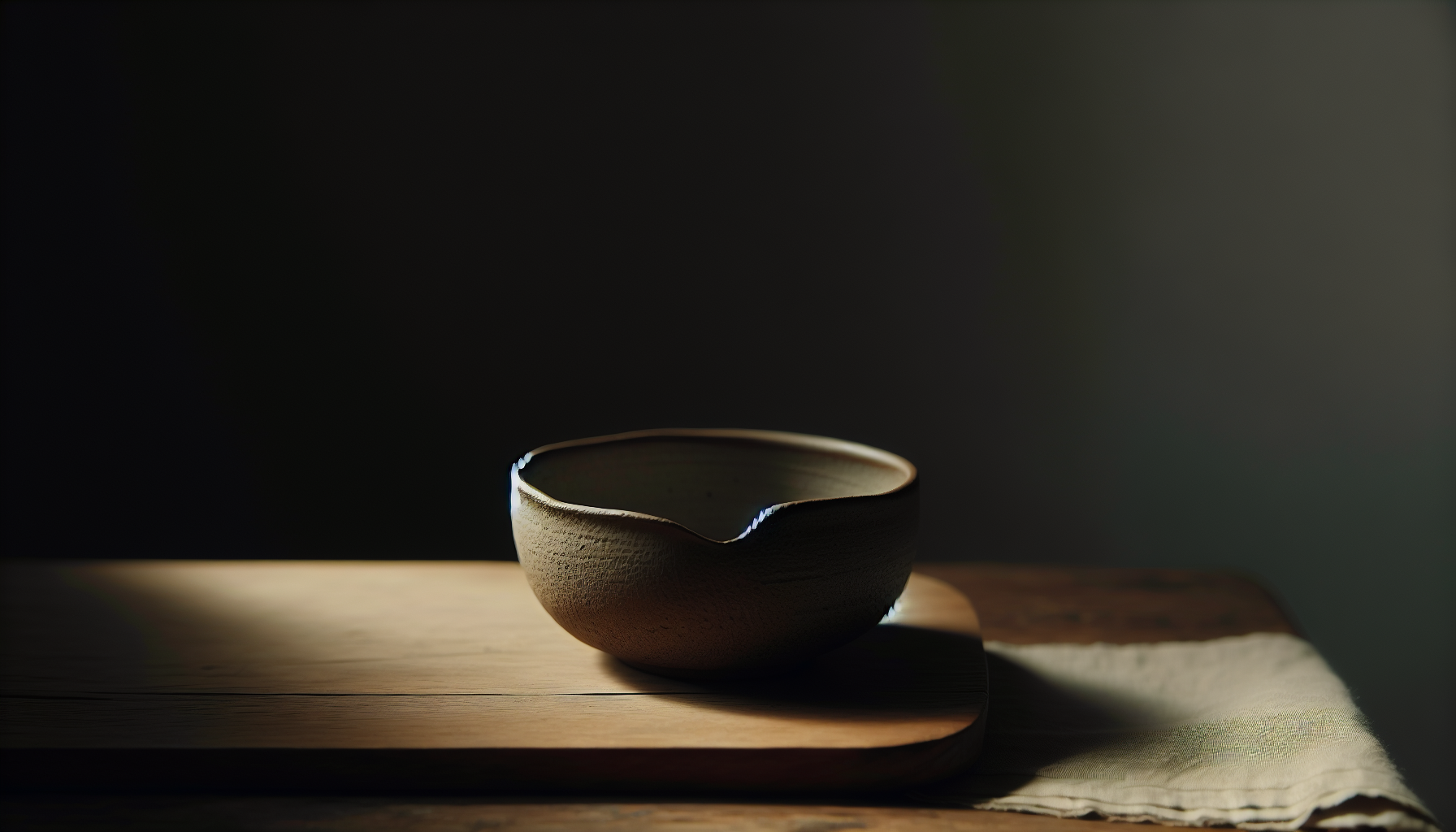
Have you ever noticed how certain rooms instantly calm you and make it easier to breathe?
Japandi and the Art of Quiet Living
Japandi blends Japanese minimalism and Scandinavian warmth into a design language that favors simplicity, natural materials, and purposeful function. You’ll find that its restrained beauty and thoughtful details create spaces that feel both modern and timeless, encouraging a quieter, more intentional life.
What is Japandi?
Japandi is a hybrid design style that combines the best of Japanese and Scandinavian aesthetics. It emphasizes clean lines, muted colors, natural textures, and functionality, with a strong focus on craftsmanship and harmony. If you’re drawn to uncluttered spaces that still feel cozy and welcoming, Japandi might be the right approach for your home.
Origins and cultural influences
The two primary roots of Japandi are Japanese wabi-sabi and Scandinavian functionalism. Wabi-sabi celebrates imperfection, impermanence, and authenticity, while Scandinavian design prioritizes simplicity, functionality, and warmth. Together, they create a style that honors restraint without feeling cold.
Japanese influence: Wabi-sabi and restraint
Japanese design contributes an appreciation for asymmetry, subtlety, and the beauty of aged materials. You’ll notice muted palettes, low-profile furniture, and intentional negative space in Japandi interiors. These elements encourage quiet contemplation and an acceptance of natural cycles.
Scandinavian influence: Hygge, form, and function
From Scandinavia you get hygge-style comfort—soft textiles, warm wood tones, and practical, human-centered furniture. The emphasis on utility without excess helps you create a home that’s livable, efficient, and emotionally grounding.
Comparison table: Japanese vs Scandinavian contributions
| Aspect | Japanese Influence | Scandinavian Influence |
|---|---|---|
| Philosophy | Wabi-sabi: imperfection, transience | Hygge: coziness, well-being |
| Palette | Muted neutrals, earthy tones | Light neutrals, soft pastels |
| Materials | Raw wood, paper, ceramic, stone | Light woods, wool, leather |
| Furniture | Low profile, minimal ornament | Functional, ergonomic, warm |
| Textures | Subtle, tactile | Soft, layered |
This table helps you see how each culture shapes the Japandi look and how their strengths balance each other.
Core principles of Japandi design
Understanding the guiding principles helps you apply Japandi thoughtfully rather than following trends superficially. These principles create the “quiet” feeling most people associate with Japandi.
Simplicity and restraint
You’ll reduce visual noise by choosing a few well-made items and letting empty space breathe. Simplicity here isn’t about scarcity; it’s about intentional selection.
Natural materials and craftsmanship
Wood, stone, clay, and natural textiles matter because they bring warmth and tactility. Prioritize well-crafted pieces that age gracefully and develop character over time.
Functionality and purpose
Every item should have a clear role. You’ll choose furniture and objects that perform well and contribute to daily comfort. This makes the space feel purposeful rather than staged.
Balance and harmony
Japandi balances contrast—dark and light, soft and rigid, modern and traditional—so the room feels composed. You’ll aim for visual equilibrium and calm proportions.
Emphasis on sensory subtlety
You’ll design for soft lighting, gentle textures, and understated scent. The result is an environment that calms your senses rather than overstimulating them.
Why Japandi feels “peaceful” to most viewers
Now that you know the principles, here’s why your brain responds positively to Japandi spaces.
Visual calm through minimalism
Fewer objects mean fewer visual cues competing for attention. Your nervous system can relax when there’s less complexity to process. That simplicity reduces cognitive load and can improve focus.
Natural textures and materials soothe you
Organic materials have inherent irregularities and textures that you can sense even peripherally. These qualities feel familiar and grounding, connecting you to nature and calming your mind.
Muted palettes reduce visual stress
Soft, desaturated colors are easy on the eyes. They create continuity across surfaces, which produces a tranquil backdrop for daily life.
Tactile comfort and cozy elements
Soft textiles, warm wood finishes, and subtly textured ceramics invite touch and create a sense of physical comfort. You’re more likely to feel relaxed in a space that’s tactilely inviting.
Order without austerity
Japandi balances minimalism with warmth so the space doesn’t feel clinical. This balance supports emotional well-being by offering structure and softness at the same time.
How to create Japandi in your home
You can bring Japandi into any home by using a combination of style choices, material selection, and routines. Work room by room so you can implement changes gradually.
Overarching approach
Start with decluttering and a clear plan. Choose a restrained palette, invest in foundational pieces, and layer textures incrementally. Aim for quality over quantity.
Room-by-room guidelines
Below is a table that gives you a succinct checklist for each main room to make conversion manageable.
| Room | Key Actions | Materials/Items to Consider |
|---|---|---|
| Living room | Keep seating low and proportional; use open shelving; limit decorative items | Solid wood coffee table, linen sofa, wool throws, ceramic vases |
| Bedroom | Choose a simple bedframe; use soft, breathable linens; minimize electronics | Wooden platform bed, cotton or linen bedding, rice-paper lamp |
| Kitchen | Prioritize functional layout; use natural countertops and concealed storage | Wooden cabinets, stone or matte countertops, simple ceramic dishes |
| Bathroom | Use neutral tiles; add wooden or bamboo accents; keep surfaces clutter-free | Stone sink, wooden stool, cotton towels, ceramic soap dish |
| Home office | Reduce visual distractions; use clean desk surfaces and hidden storage | Minimal desk, ergonomic chair, paper organizers, small plant |
| Entryway | Keep it tidy; provide storage for essentials; use durable, muted materials | Bench with shoe storage, natural fiber rug, tray for keys |
Use this checklist to focus on essential changes that produce a big emotional impact.
Choosing a color palette
Japandi palettes are calm and cohesive. Your choices will influence mood and perceived space.
Primary colors
Stick to neutrals: off-whites, warm grays, soft beiges, and muted taupes. These form the canvas for texture and shape.
Accent colors
Introduce deep greens, indigo blues, charcoal, or terracotta as muted accents. These provide contrast without overwhelming the composition.
Example palettes table
| Palette Name | Base Colors | Accents |
|---|---|---|
| Serene Sand | Warm white, light beige | Soft gray, dusty rose |
| Forest Mist | Pale gray, warm taupe | Moss green, charcoal |
| Stone & Indigo | Cool white, stone gray | Deep indigo, natural wood |
Pick one coherent palette for a room to avoid visual disharmony. You can repeat accents across the home to create continuity.
Materials and finishes
Your material choices determine tactile and visual warmth. Combining them thoughtfully helps you achieve the Japandi balance.
Wood
Choose warm, matte woods like oak, ash, or walnut in simple finishes. Visible grain adds character and authenticity.
Textiles
Use natural fibers—linen, cotton, wool—for durability and comfort. Keep patterns subtle and textures varied.
Ceramics and stone
Handmade ceramics and matte stone finishes add quiet sophistication. Look for slightly imperfect glazes that reflect wabi-sabi.
Metal and glass
Use metal sparingly, and choose muted finishes like blackened steel or brass with low shine. Glass should be clear and uncluttered.
Furniture: selection and placement
The right furniture supports Japandi’s functional aesthetic.
Prioritize low profiles and clean lines
You’ll notice low, sculptural seating and surface-level tables. These pieces reduce vertical clutter and encourage a grounded feeling.
Choose multifunctional and well-proportioned items
Select furniture that performs double duty—storage benches, nesting tables—to minimize excess pieces. Ensure scale matches the room for visual balance.
Placement for calm flow
Keep circulation clear and arrange furniture to create open sightlines. Avoid blocking windows; allow natural light to move freely.
Lighting: creating soft illumination
Lighting shapes mood more than almost any other feature. You’ll aim for layers of gentle, indirect light.
Natural light first
Maximize daylight with sheer curtains or wooden screens. Natural light emphasizes texture and color while improving well-being.
Layered artificial lighting
Combine ambient overhead lighting, task lamps, and accent lights. Use dimmers to control intensity and warmth throughout the day.
Warm color temperature
Choose bulbs in the 2700K–3000K range for warmth. Cooler light can be used briefly for tasks but favor warm tones overall.
Textiles and layering
Textiles provide the tactile warmth that keeps Japandi from feeling austere.
Layering strategy
Start with a neutral base—rug and upholstery—then layer throws, cushions, and small mats. Keep patterns sparse and textures natural.
Material choices
Linen and cotton are excellent for everyday comforts; wool adds warmth; hemp and jute offer informal texture for rugs and baskets.
Bringing nature inside
Plants and natural elements complete the calming effect. You’ll choose species and placement that feel intentional, not cluttered.
Plant selection
Choose low-maintenance plants like ficus, snake plant, or pothos for interiors. Bonsai or a single sculptural branch can be used as a focal point to echo Japanese sensibilities.
Natural objects
Use stones, driftwood, or dried botanicals sparingly. These elements add narrative and connection to the outdoors.
Accessories and art: less is more
Accessories should be purposeful and curated. You’ll avoid overcrowding surfaces; instead, select a few meaningful objects.
Curating objects
Choose handcrafted ceramics, simple vases, or a single piece of subdued art. The idea is one intentional vignette rather than many small items.
Wall art approach
Use minimal, framed art or a single statement piece. Negative space around art is as important as the artwork itself.
Storage and decluttering
A key part of maintaining quiet living is practical storage solutions.
Concealed storage
Invest in furniture with hidden compartments or closed cabinetry to keep surfaces clear. Visual clutter is a stressor you don’t need.
Decluttering routines
Adopt a weekly or monthly habit of reassessing items. Keep duplicates to a minimum and practice a “one in, one out” rule to prevent accumulation.
Maintenance and longevity
Sustainable choices and simple care routines keep Japandi spaces looking and feeling good over time.
Care for materials
Learn proper care for wood, textiles, and ceramics. Oil or wax wooden surfaces as recommended and follow washing instructions for natural textiles.
Buy for longevity
You’ll save money and reduce waste by choosing durable, repairable pieces rather than disposable furniture.
Budgeting and sourcing pieces
You don’t have to spend a fortune to achieve Japandi. Thoughtful selection and mixing high-quality items with affordable finds is a smart strategy.
Prioritize investment pieces
Spend on large, frequently used items such as sofas, beds, and dining tables. These impact comfort and aesthetics more than small accessories.
Affordable swaps
You can find affordable rugs, cushions, and lamps that mimic the look. Thrift markets and local craftspeople are often sources of unique, budget-friendly pieces.
Common mistakes to avoid
Awareness of common pitfalls helps you refine the aesthetic without losing its essence.
Over-minimizing
Avoid removing all personality. The goal is calm, not anonymity—include a few personal or tactile elements.
Clashing scales and colors
Keep proportion consistent and avoid introducing bright or conflicting tones that disrupt harmony.
Buying all-new at once
Make gradual changes. Rapid, total redesigns can lead to choices you’ll later regret.
Examples and mini case studies
Seeing applied examples helps you visualize possibilities. Here are a few brief scenarios you might recognize.
Small apartment living room
You could pair a low oak sofa with a soft linen slipcover, a small round coffee table, and a single large plant near the window. Keep shelving open but sparse—books, a ceramic bowl, and one framed print.
Master bedroom retreat
Opt for a platform bed, neutral linen bedding, and a single pendant light. Add a wool throw and a wooden bench at the foot of the bed. Use two narrow bedside tables instead of bulky dressers.
Compact kitchen update
Replace cluttered counter items with a wooden knife block and a ceramic utensil jar. Choose matte cabinets in a warm neutral and open shelving for a few curated dishes.
Simple rituals to support quiet living
Design alone doesn’t create a peaceful life; habits do. You’ll benefit from small, repeatable practices that reinforce the Japandi mindset.
Morning clarity routine
Spend five minutes opening windows, making your bed, and wiping down visible surfaces. This small order sets a calm tone for the day.
Evening reset
Create a quick tidying routine—clear the table, fold throws, dim lights, and close curtains. This signals the brain to unwind.
Mindful consumption habit
Before buying something new, pause and ask if it’s useful, beautiful, and durable. This restraint preserves both space and budget.
Sensory checklist for a peaceful room
Use this quick checklist to assess whether a room aligns with Japandi principles:
- Is the color palette predominantly neutral with one muted accent?
- Do you have at least one natural material visible (wood, stone, ceramics)?
- Are textiles layered but restrained?
- Is furniture proportional to the room’s scale?
- Are surfaces largely uncluttered with intentional objects only?
- Is lighting warm and layered?
- Is there some visible greenery or natural object?
If you can check most of these, you’re close to achieving the feeling of quiet living.
Sustainability and ethical considerations
Japandi’s emphasis on craft and longevity fits naturally with sustainable living. You can make choices that support the planet.
Choose responsibly sourced materials
Look for FSC-certified wood, organic cotton or linen, and low-VOC finishes. These choices reduce environmental impact and improve indoor air quality.
Support local craftsmanship
Buying from local makers reduces shipping impacts and supports small-scale, ethical production. Handmade items also carry unique imperfections that align beautifully with the wabi-sabi aesthetic.
Final tips for a successful transition
- Start small: convert one room or even one corner at a time.
- Test color samples in natural light before committing.
- Keep a short list of items you want, then wait 30 days before purchase to ensure it’s purposeful.
- Mix textures to avoid flatness—combine matte wood, soft linen, and slightly irregular ceramics.
- Let negative space be part of your design; it’s an intentional choice, not an incomplete room.
Closing thoughts
Japandi is more than a visual trend; it’s a practice that invites you to live with more intention, fewer distractions, and a deeper appreciation for materiality and craft. You’ll find that creating a quiet, balanced environment is as much about daily habits as about furniture and finishes. By choosing well, caring for your things, and honoring simplicity, you’ll create a home that supports calm, clarity, and comfort.
If you’d like, you can tell me a room you want to convert and your budget, and I’ll give you a step-by-step plan and a shopping list tailored to your space.