
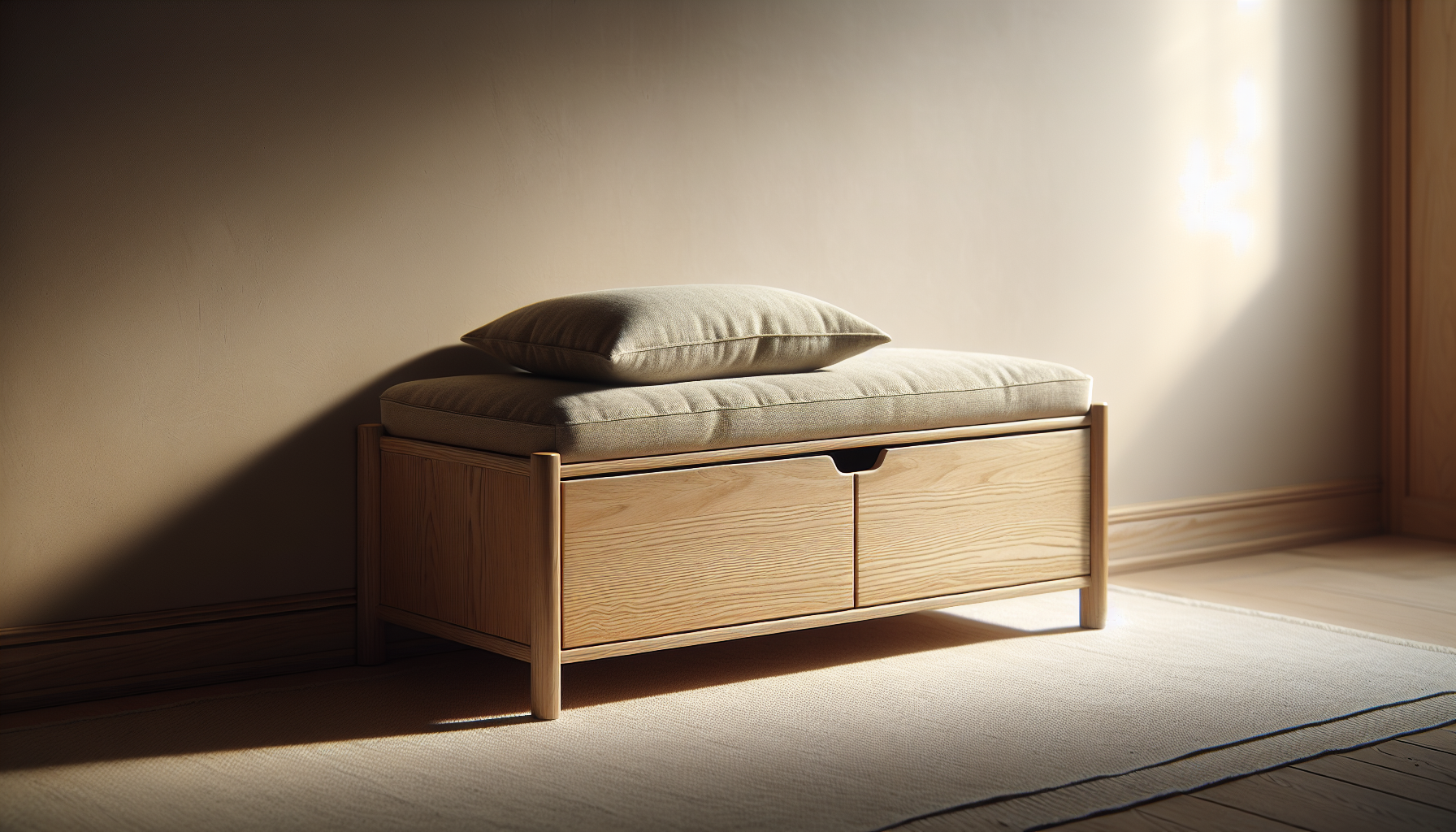
Would you like to keep the calm, balanced feel of Japandi while adding the convenience of modern storage systems?
Integrating modern storage systems into Japandi interiors
You’re looking at blending two design priorities: the serene simplicity of Japandi and the smart practicality of contemporary storage. This article shows how you can achieve that balance so your space feels calm, functional, and cohesive.
Can Japandi include modern storage systems?
Yes — Japandi can absolutely include modern storage systems when you prioritize restraint, natural materials, and mindful placement. You’ll learn how to select systems that align with the aesthetic while meeting the way you live.
Understanding Japandi: core principles
Japandi is a hybrid of Japanese minimalism and Scandinavian warmth that emphasizes simplicity, craftsmanship, and utility. You’ll aim for uncluttered spaces, intentional objects, and a tactile connection to materials.
Form follows function
In Japandi, beauty is rooted in usefulness; furniture and storage should serve clear purposes without unnecessary ornamentation. You’ll prioritize pieces that are efficient and elegantly simple.
Natural materials and muted palettes
Wood, soft textiles, and neutral tones create the calming backdrop you associate with Japandi interiors. You’ll use these materials to soften modern storage systems and keep the room cohesive.
Quiet craftsmanship and imperfection
Visible joinery, hand-finished surfaces, and slight imperfections communicate authenticity and human touch. You’ll prefer storage that feels made, not mass-produced, or that mimics artisanal qualities through finish and detail.
What “modern storage systems” means here
Modern storage systems include modular units, built-in cabinetry, concealed mechanisms, wall-mounted shelving, tech-integrated furniture, and multifunctional pieces. You’ll consider both off-the-shelf systems and custom solutions that can be adapted to Japandi values.
Key features of modern storage
Contemporary systems often emphasize modularity, space efficiency, and technological integration such as soft-close drawers or cable management. You’ll choose features that improve daily life without drawing attention away from the room’s calm.
Potential conflicts with Japandi
Highly glossy finishes, loud hardware, and overly complex shapes may clash with Japandi’s pared-back nature. You’ll want to avoid anything that screams “high-tech” at the expense of warmth and restraint.
Why combine Japandi with modern storage?
Combining these approaches gives you a home that’s both serene and practical, supporting contemporary needs without creating visual noise. You’ll get the best of both worlds: streamlined living and a cozy atmosphere.
Comfort and convenience
Modern storage increases functionality through organization and accessibility, helping you maintain the minimal look that Japandi promotes. You’ll find that well-planned storage reduces clutter and supports a calmer routine.
Longevity and adaptability
Smart storage systems can be reconfigured as your needs change, extending the life and usefulness of your furniture. You’ll choose systems that endure stylistically and functionally, reducing waste and repeat purchases.
Design strategies for seamless integration
You’ll use several strategies to marry modern storage with Japandi: concealment, restraint, natural finishes, proportion, and limited hardware. Each tactic helps maintain the visual quiet while maximizing practicality.
Concealed storage is your ally
Hidden drawers, doors, and recessed handles keep surfaces clean and uncluttered. You’ll rely on concealment for items you don’t want on display, reinforcing the minimal aesthetic.
Use open shelving sparingly
Open shelving can showcase a few curated items and natural materials, but too much will disrupt the sense of calm. You’ll select open displays for objects that contribute to the aesthetic and remove anything superfluous.
Opt for modular systems with restrained lines
Choose modular storage with simple geometry that complements your existing furniture. You’ll configure modules to fit human scale and maintain visual balance in each room.
Materials, finishes, and textures
Material choices determine whether modern storage looks like an intruder or a natural component of Japandi. You’ll prefer warm woods, matte finishes, and soft textiles to integrate modern systems harmoniously.
Wood and wood veneers
Oak, ash, walnut, and bamboo are excellent choices that match Japandi’s natural palette. You’ll select grain-forward finishes that feel tactile rather than shiny.
Muted lacquers and matte laminates
When wood isn’t practical, choose matte finishes in neutral tones like warm white, soft gray, or clay. You’ll avoid high gloss and bright colors that compete with the serene environment.
Metal and glass — used sparingly
Blackened metal and frosted or clear glass can add modernity if applied judiciously. You’ll use these materials as accents rather than the dominant language.
Hardware, handles, and joinery
Hardware contributes significantly to the overall look; choose discreet or integrated solutions for a Japandi-appropriate appearance. You’ll focus on minimal, tactile hardware or handle-free systems.
Integrated handles and push-to-open systems
Recessed pulls and push-to-open mechanisms keep fronts clean and uncluttered. You’ll pick reliable mechanisms to avoid maintenance headaches and preserve the streamlined look.
Soft metal tones and simple shapes
Brushed brass, matte black, or muted nickel work well as subtle accents. You’ll choose pared-down shapes that echo Japandi’s quiet geometry.
Color and contrast
Japandi favors a neutral and calming color palette, which you should maintain even when adding contemporary storage. You’ll use contrast sparingly to create depth without disrupting serenity.
Neutral base with warm accents
Stick to soft whites, beige, gray, and warm wood tones as the base palette, then add muted greens or deep indigo as occasional accents. You’ll ensure these accents feel rooted in nature.
Balance light and dark
A mix of light and medium tones prevents monotony while maintaining calm. You’ll avoid stark contrasts that feel too dramatic for Japandi spaces.
Room-by-room integration tactics
Each room has different storage needs, so you’ll tailor modern systems to suit the function while keeping the aesthetic consistent. Below are focused recommendations you can apply room by room.
Living room
In the living room, prioritize low-profile media units, built-in shelving with concealed cabinets, and coffee tables with storage. You’ll keep decorative items minimal and use storage to hide technology and cables.
Bedroom
Bedrooms benefit from built-in wardrobes with sliding or panel doors, under-bed drawers, and bedside units that offer hidden storage. You’ll aim for systems that encourage a restful, clutter-free sleep environment.
Kitchen
Kitchens need high-function storage: pull-out pantries, drawer organizers, and integrated appliances. You’ll choose warm wood fronts or matte laminates to tone down the mechanical nature of kitchen systems.
Entryway
The entryway requires shoe storage, coat hanging, and a place for keys and mail. You’ll integrate benches with storage, wall-mounted cabinets, and hidden hooks to keep the first impression calm.
Bathroom
Moisture-resistant floating vanities, recessed cabinets, and slim shelving work best in bathrooms. You’ll select finishes that withstand humidity while maintaining clean lines.
Home office
Your office needs organized shelving, cable-management desks, and concealed filing. You’ll keep the workspace minimal to support concentration while using storage to maintain visual order.
Practical storage types and how they fit Japandi
This table summarizes common storage types, their benefits, and how they align with Japandi principles.
| Storage type | Benefit | How it fits Japandi |
|---|---|---|
| Built-in cabinetry | Seamless, tailored solutions | Encourages concealment and unified materials |
| Modular shelving | Flexible configuration | Choose simple modules and natural finishes |
| Floating shelves | Lightweight display | Use sparingly for curated objects |
| Multifunctional furniture | Saves space and adds function | Prefer pieces with clean lines and natural materials |
| Concealed tech storage | Hides electronics and cables | Maintains calm surfaces and reduces visual noise |
| Pull-out pantry/organizers | Increases kitchen efficiency | Keep fronts muted and unified with surrounding cabinetry |
You’ll use this as a quick guide when selecting options for each room.
Scale and proportion: getting it right
Japandi values human scale and balanced proportion; oversized storage will overpower the room and small storage can look cluttered. You’ll measure carefully and choose units that match ceiling height and furniture scale.
Horizontal emphasis and low profiles
Many Japandi interiors emphasize horizontal lines and lower furniture to create a grounded feel. You’ll favor wide, low credenzas and media cabinets over tall, imposing units.
Maintain breathing space
Leave negative space around storage to allow the room to breathe and prevent visual crowding. You’ll use asymmetry and spacing as design tools rather than filling every wall.
Lighting and display
Good lighting highlights materials, reduces cluttered shadows, and helps the storage feel intentional. You’ll layer ambient, task, and accent light to make storage both usable and beautiful.
Integrated lighting for function
LED strips inside cabinetry and under shelves provide practical illumination and a soft glow. You’ll choose warm color temperatures to keep the atmosphere cozy.
Accent lighting for curated items
Use spot or strip lighting to emphasize a few selected ceramics or books. You’ll avoid over-displaying and aim for a calm, curated look.
Technology, cables, and charging
Modern living requires tech, and Japandi doesn’t exclude it — it just requires discreet management. You’ll plan cable routing, charging stations, and ventilation so tech disappears into the background.
Concealed charging drawers and cable access
Design drawers with built-in charging and hidden cable ports to keep counters tidy. You’ll ensure ventilation for devices and choose materials that tolerate heat.
Smart storage considerations
Smart locks, motorized lifts, and automated lighting can be integrated if they’re subtle and reliable. You’ll prioritize user-friendly systems with minimal visual impact.
Sustainability and material sourcing
Japandi’s respect for nature pairs well with sustainable storage solutions. You’ll choose responsibly sourced wood, low-VOC finishes, and durable designs that minimize replacement.
Reclaimed and certified woods
Look for FSC-certified or reclaimed timber to maintain authenticity and environmental responsibility. You’ll balance aesthetic desires with the availability and durability of sustainable options.
Longevity over trends
Select storage that will age gracefully rather than follow short-lived trends. You’ll invest in good joinery and finishes that develop patina rather than go out of style quickly.
Budgeting and cost management
Integrating modern storage can be high or low cost depending on customization and materials. You’ll set priorities and allocate budget toward areas with the most functional impact.
Where to spend and where to save
Spend on well-built, frequently used items like wardrobes and kitchen cabinetry; save on accents and decorative shelving. You’ll choose cost-effective materials where durability requirements are lower.
Phased implementation
If budget is limited, implement storage in stages — start with the most critical rooms. You’ll plan storage around the rhythm of your life and upgrade as needed.
Common mistakes and how to avoid them
Avoid these pitfalls to keep your Japandi storage true to the style: overfilling open shelves, choosing glossy finishes, and ignoring scale. You’ll use restraint, test samples in your space, and ask how each piece contributes to calm.
Over-decorating open display
Too many objects will erode the minimal feel you’re trying to achieve. You’ll curate and rotate items to maintain a sense of simplicity.
Ignoring functionality for looks
Storage that looks beautiful but is hard to use will quickly become a problem. You’ll test drawers, hinges, and accessibility before committing.
Maintenance and longevity tips
To keep integrated storage looking and functioning well, schedule regular cleaning, lubricate hardware, and touch up finishes as needed. You’ll treat storage as part of the home’s living system rather than static furniture.
Simple cleaning routines
Wipe surfaces with gentle cleaners and avoid abrasive products that damage finishes. You’ll address spills and humidity quickly to preserve wood and laminates.
Proactive hardware care
Tighten loose screws, clean tracks, and replace worn drawer slides proactively. You’ll avoid larger repairs by staying attentive to minor issues.
Shopping and specifying: a checklist
This checklist helps you purchase or commission storage that fits Japandi sensibilities.
- Measure your spaces accurately and note clearances.
- Bring material and finish samples into the room before deciding.
- Prioritize concealed storage for functional clutter.
- Select warm wood tones or matte neutrals.
- Choose simple, tactile hardware or handle-free solutions.
- Verify soft-close and durable mechanisms.
- Plan cable management and ventilation for tech.
- Confirm sustainable sourcing if that’s important to you.
You’ll use this checklist to make informed choices and avoid common decision-making traps.
Example design scenarios
Below are brief scenarios showing how you might approach storage integration in common layouts.
Small apartment living room
Use a low media console with concealed compartments, a single floating shelf for curated objects, and a slim sideboard for extra storage. You’ll keep surfaces clear and pick a warm wood tone to anchor the space.
Family kitchen in a modern condo
Install matte-laminate lower cabinets with wooden faces and a tall pull-out pantry for bulk items. You’ll incorporate drawer organizers and a concealed appliance garage for a tidy appearance.
Minimalist bedroom suite
Choose built-in wardrobes with sliding panels in a soft wood finish and under-bed drawers for seasonal storage. You’ll emphasize calm by keeping bedside surfaces open and uncluttered.
Custom vs. off-the-shelf: making the right choice
Custom cabinetry gives you perfect fit and material continuity, while off-the-shelf systems can be budget-friendly and modular. You’ll weigh cost, timeline, and the importance of seamless integration.
When to pick custom
Choose custom when you need precise dimensions, matched grains, and integrated lighting or tech. You’ll expect higher cost but better alignment with Japandi’s handcrafted feel.
When off-the-shelf works
Modular systems are great for renters or phased implementation and can be dressed with wooden fronts or casings. You’ll use smart styling to make modular pieces feel bespoke.
Final recommendations and next steps
To integrate modern storage into Japandi interiors successfully, you’ll prioritize concealment, natural materials, gentle hardware, and human scale. You’ll plan storage that supports daily life without interrupting the peaceful aesthetic.
Start small and iterate
Test a single room with one or two modern storage solutions and see how they feel in your home before committing widely. You’ll refine choices through use and adjust finishes and hardware to better match your space.
Keep intention at the center
Every storage choice should answer the question: does this make life simpler and the space calmer? You’ll let that principle guide selections and create a home that is both functional and serene.
If you’d like, you can share a floor plan or photos of a room and I’ll suggest specific storage layouts, materials, and product ideas that suit your Japandi goals.