
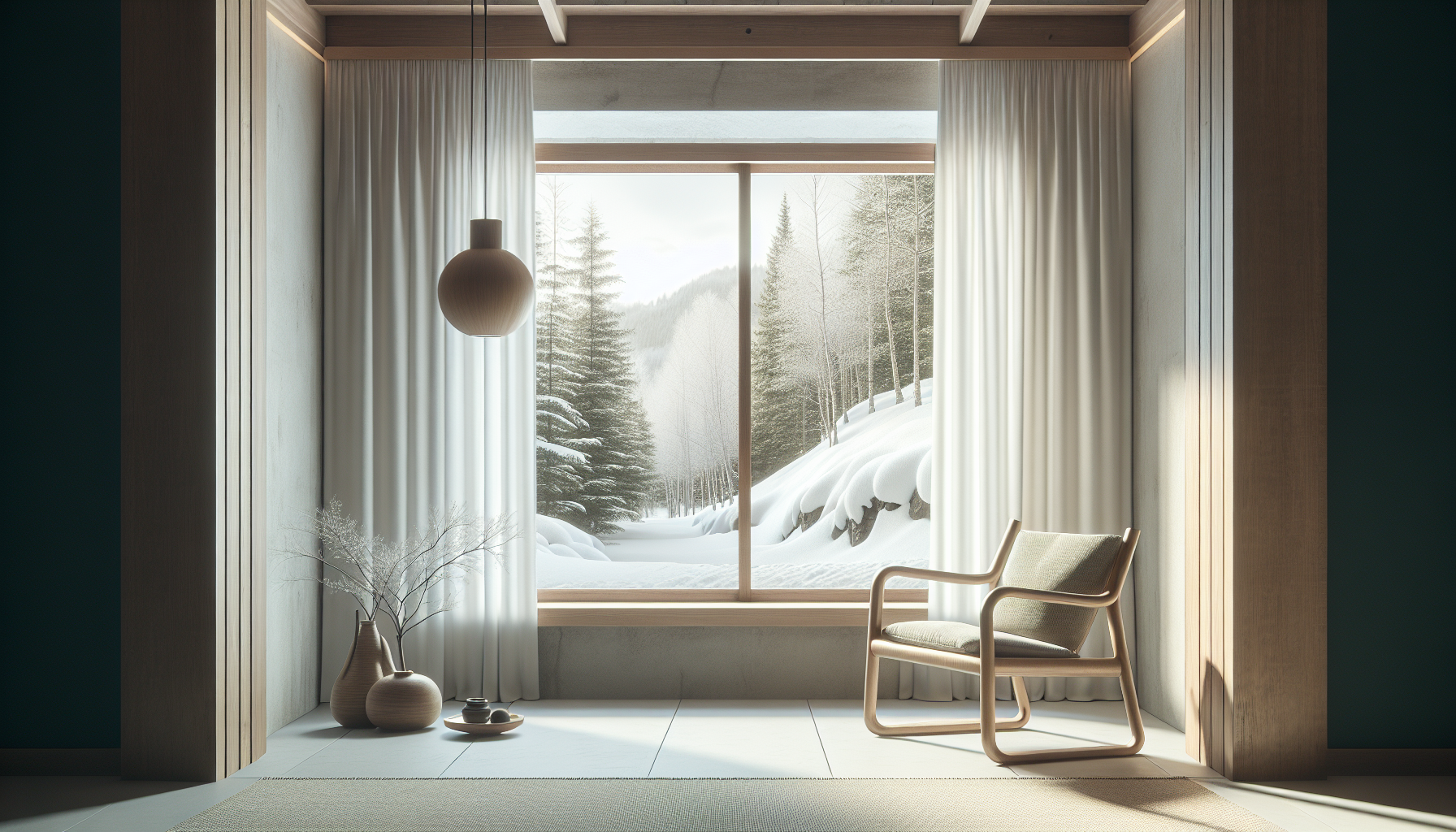
Have you ever wondered how your home’s comfort could be enhanced by combining effective insulation with the calming aesthetics of Japandi design? The marriage of these two concepts holds immense potential, especially in colder climates where both functionality and beauty are paramount. Let’s unpack how you can achieve this perfect balance.
The Essence of Japandi Design
Japandi is a beautiful blend of Japanese and Scandinavian design principles. It focuses on minimalism, functionality, natural materials, and a neutral color palette. This design style emphasizes peace and tranquility, making your living space a sanctuary from the outside world.
In your home, you can achieve this aesthetic by emphasizing simplicity and elegance. You’ll look for furniture and decor that are functional, yet stunningly crafted. Think about pieces made from wood, stone, and other natural materials. You might find this approach not only impacts the visual appeal of your space but also its emotional atmosphere.
Key Characteristics of Japandi Style
To fully appreciate how insulation fits into Japandi principles, it’s important to identify some defining characteristics of this style:
-
Neutral Color Palette: Soft whites, muted grays, and earthy tones dominate.
-
Natural Materials: Wood, bamboo, and stone are preferred over synthetic options.
-
Simplicity is Key: Clutter is minimized, ensuring the focus remains on beautifully crafted items.
-
Functionality Meets Aesthetics: Each piece should serve a purpose while also adding to the beauty of the space.
Applying these principles in a cold climate involves not just cosmetic changes but practical ones as well.
The Importance of Insulation
In colder climates, insulation plays a crucial role in maintaining a comfortable indoor environment. It acts as an effective barrier against unwanted heat loss. Good insulation ensures your home remains warm in the winter and cool in the summer, which can significantly reduce energy costs.
Here’s a simplified breakdown of insulation’s main benefits:
| Benefit | Description |
|---|---|
| Energy Efficiency | Reduces energy consumption, leading to lower bills. |
| Comfort | Maintains a stable indoor temperature year-round. |
| Noise Reduction | Minimizes outside noise, creating a peaceful sanctuary. |
| Environmental Impact | Less energy use decreases your carbon footprint. |
By ensuring your space is well-insulated, you seamlessly integrate practicality with the tranquil nature of Japandi design.
How Insulation Complements Japandi Principles
Enhancing Natural Light
A hallmark of Japandi design is the emphasis on natural light. With proper insulation, you can avoid the need for heavy draped curtains that block that coveted sunlight. Instead, opt for lighter, sheer materials that maintain the minimalist aesthetic while still allowing light to filter through.
For example, consider installing insulated window frames that reduce drafts but don’t obscure the view you want to enjoy. This balance allows your space to remain bright and open, aligning perfectly with the Japandi emphasis on tranquility and connection to nature.
Sustainable Materials
Japandi design places a significant focus on sustainability, making it essential that the insulation materials you choose align with this principle. Materials like cellulose, sheep’s wool, and recycled denim can serve as effective insulators while also being eco-friendly.
Using sustainable insulation not only supports the environmental aspect of Japandi but also embodies a commitment to creating a healthier indoor atmosphere. When every element of your home—from the insulation to the decor—reflects your values, the overall harmony elevates your living space.
Temperature Regulation
In colder climates, maintaining the right temperature is key to comfort. Good insulation regulates indoor temperatures effectively, vastly improving how you experience your living space. With a well-insulated home, you won’t need to rely on heavy heating equipment, allowing you to enjoy warmth without compromising the minimalism of the Japandi style.
You can accentuate this aspect by selecting soothing color palettes within your home that accentuate warmth. Soft browns, muted greens, and delicate whites can create an inviting atmosphere, melding comfort and style seamlessly.
Choosing the Right Insulation Materials
The Role of R-Value
When selecting insulation, understanding R-value—its thermal resistance—is crucial. The higher the R-value, the better the insulation’s effectiveness. Colder climates typically require higher R-values to ensure adequate protection against heat loss.
Here’s a quick comparison of common insulation materials and their R-values per inch:
| Insulation Type | R-value per inch | Material Type |
|---|---|---|
| Fiberglass Batts | R-2.9 to R-3.5 | Synthetic |
| Spray Foam | R-6 to R-7 | Synthetic |
| Cellulose | R-3.2 to R-3.8 | Recycled material |
| Mineral Wool | R-3.0 to R-4.0 | Natural material |
| Sheep’s Wool | R-3.5 to R-4.0 | Natural material |
When the R-value is high, the insulation will have an easier time fighting off the cold, allowing your home to maintain its cozy atmosphere while you embrace the Japandi aesthetic.
Eco-Friendly Options
More homeowners are shifting towards eco-friendly insulation options, blending aesthetic responsibility with functionality. Let’s look at a few healthy alternatives that help achieve this balance:
-
Cotton (Denim): This is made from recycled cotton, providing great insulation while being safe for the environment and for indoor air quality.
-
Cellulose: A sustainable option made from recycled paper, cellulose is not only environmentally friendly but also has a high R-value.
-
Hemp Wool: This natural fiber is hypoallergenic, effective at temperature regulation, and a perfect addition to a Japandi-inspired home.
Opting for these materials not only enhances your home’s thermal performance but also fits perfectly within the sustainable framework of the Japandi ethos.
Insulating Different Areas of Your Home
Attics and Roof Spaces
Most heat loss occurs through the roof or attic, making this area crucial for insulation. Effective attic insulation not only keeps your home warm but also aligns with the Japandi principle of creating a peaceful living environment.
You might consider using rigid foam board or spray foam for this area as they provide a high R-value per inch. Since this space generally isn’t seen, you can focus on robust insulation without worrying about aesthetics while ensuring that the lower levels of your home stay cozy.
Walls and Floors
Insulation in your walls and floors bridges functionality with style. Wall insulation will keep your interior warm, while insulated floors can help in maintaining a comfortable temperature.
There are many options here:
- Fiberglass: Great for wall cavities, easy to install.
- Mineral Wool: Provides fire resistance, which can be a valuable safety feature.
Investing in these materials adds to the overall harmony of your dwelling while ensuring comfort throughout.
Windows
Windows can be significant culprits of heat loss. You can easily upgrade to insulated windows or use film insulation as a quick fix without compromising the Japandi aesthetic.
Consider applying natural wood shades to match the Japandi palette or opting for minimalist window treatments that allow flexibility and control over sunlight. Proper window insulation enhances the peaceful connection to the outside world, an essential characteristic of this design philosophy.
Integrating Insulation into Your Design
Cohesive Aesthetic
While insulating and upgrading your home, make sure to maintain that serene, cohesive aesthetic that defines Japandi. Use soft, understated colors, and look for natural materials that blend well with your insulated elements without being too intrusive.
For instance, wood trim around insulated windows can add warmth and elegance without drawing attention away from the peaceful environment you’re trying to create.
Furniture Choices
When selecting furniture, think about how it contributes to the overall comfort and effectiveness of insulation. Furniture that promotes cozy gatherings—like plush sofas, soft textiles, and comfortable seating arrangements—enhances your insulated home in a way that embodies the Japandi philosophy.
Choosing multifunctional pieces helps save space while maintaining simplicity and beauty. Avoid excess decor, and let each piece shine on its own, reflecting the harmonious blend of functionality and aesthetic appeal.
Maintaining Your Insulation
Regular Checks
To make sure your insulation continues to work effectively, conduct regular checks. Look for signs of wear and tear, such as drafts or cold spots. If you notice any issues, addressing them promptly will sustain the comfort of your living space.
Upgrade as Needed
As your needs change or as technology advances, consider updating your insulation. Innovations in sustainable materials can lead to better energy efficiency, which aligns perfectly with the eco-conscious choices advocated by Japandi principles.
Stay Informed
Keeping yourself informed about insulation technology can be as helpful as improving your design. Knowledge about new materials, patterns of heat loss, and advanced insulation applications can enhance your home’s comfort level while keeping you aligned with Japandi design principles.
Final Thoughts
As you integrate insulation into your home while embracing the Japandi style, you create a wonderful amalgamation of comfort, beauty, and sustainability. Each space can reflect your values, style, and responsibility toward ensuring a peaceful living environment, all while keeping the cold at bay.
Take these principles to heart. By thoughtfully considering your insulation options and honing in on the essence of Japandi design, you can achieve a harmonious, warm retreat in even the coldest climates.