
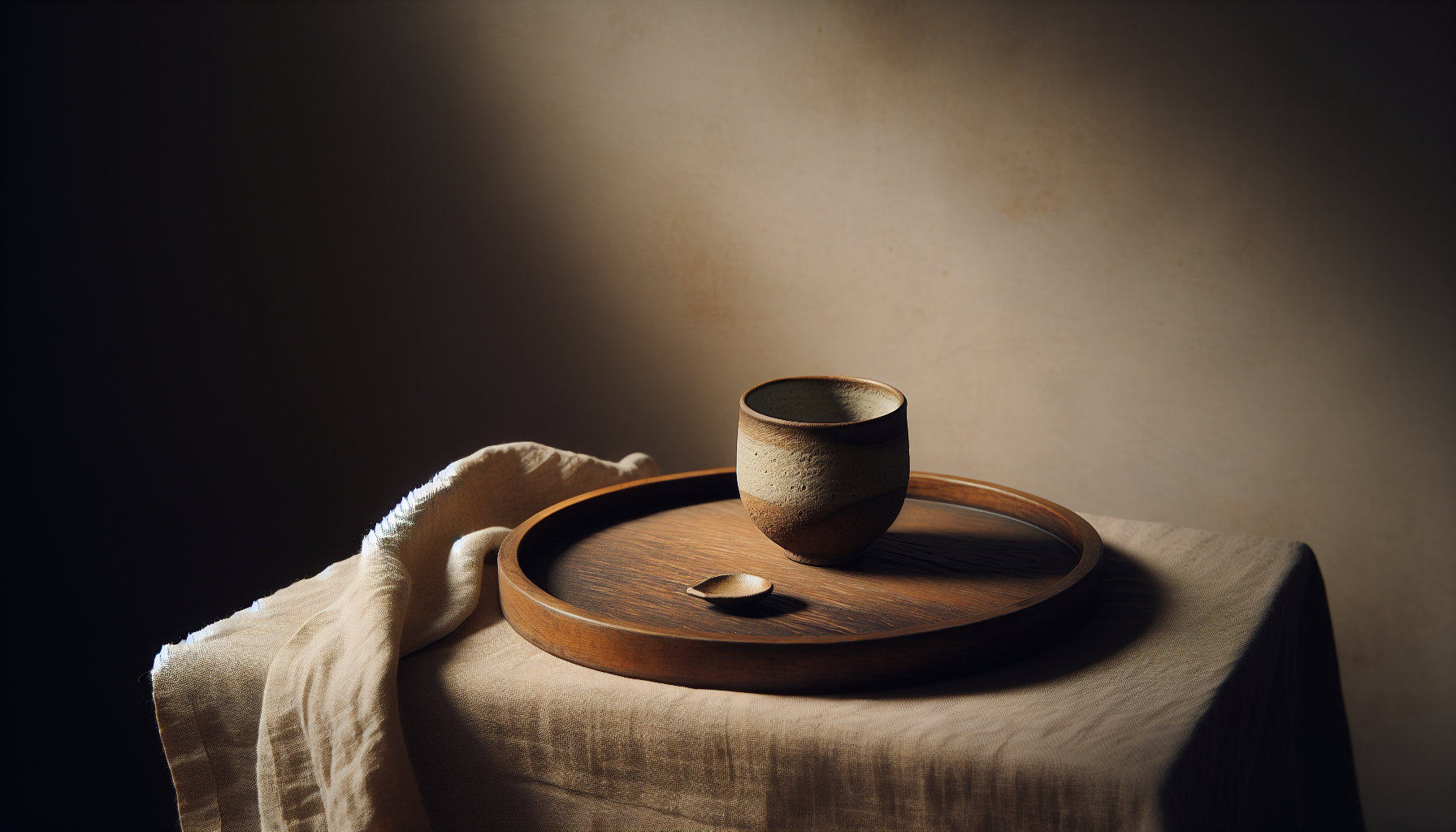
Have you ever stepped into a room and felt your breathing slow without thinking about it?
How people emotionally respond to Japandi interiors as a catalyst for slower living
This article looks at how Japandi interiors shape emotional experience and why those responses can support a slower, more intentional life. You’ll find practical design ideas, psychological explanations, measurement approaches, case examples, and hands-on tips so you can apply Japandi principles to your own space in service of calm and measured living.
What is Japandi?
Japandi is a hybrid design language that merges Japanese wabi-sabi sensibilities with Scandinavian functional minimalism. You’ll recognize it through its restrained color palette, natural materials, and a focus on craftsmanship and utility. The combination aims for beauty without fuss, and a lived-in feel that prioritizes longevity and comfort over trends.
Origins and philosophy
Japandi arises from cultural cross-pollination: Japanese appreciation for imperfection and Scandinavian reverence for simplicity meet where simplicity becomes soulful. The philosophy centers on slowing down by reducing visual clutter, choosing durable objects, and arranging spaces that encourage pause. When you think about the origins, you’ll see a shared emphasis on human scale, the tactile, and an ethics of less-but-better.
Core principles of Japandi design
Japandi rests on a few repeatable principles that influence how a room feels and how you act within it. These include restraint, natural texture, muted colors, multi-functionality, and a clear hierarchy of items. Together they create a backdrop that invites quieter routines and fewer impulse decisions about your environment.
Table: Core principles and their emotional effects
| Principle | Description | Typical emotional effect |
|---|---|---|
| Restraint | Fewer objects, curated selection | Reduced overwhelm; increased clarity |
| Natural texture | Wood, linen, clay, stone | Warmth, groundedness, sensory comfort |
| Muted palette | Soft neutrals, warm blacks, muted greens | Calm, slower visual processing |
| Craftsmanship | Visible joints, handmade pieces | Respect, connection, trust |
| Multi-functionality | Furniture with multiple uses | Practicality, reduced decision fatigue |
This table helps you link design choices to predictable emotional outcomes so you can design intentionally for slower living.
Key elements: materials, color, furniture, lighting
You’ll find the emotional character of a Japandi space is shaped by a repeated set of elements: warm woods like oak and walnut, matte black accents, soft linens, paper-based lighting, and low-profile furniture. These elements signal ease and invite you to touch, sit, and remain rather than move on to the next visual stimulus. Lighting that mimics natural cycles, tactile fabrics, and surfaces that age gracefully all encourage long-term relationships with objects.
Table: Materials and their emotional cues
| Material | Common use | Emotional cue |
|---|---|---|
| Oak or ash wood | Flooring, furniture | Stability, warmth, familiarity |
| Linen and cotton | Upholstery, curtains | Breathability, relaxed comfort |
| Clay, terracotta | Pottery, tiles | Earthiness, craft connection |
| Paper and rice paper | Lamps, room dividers | Soft light, quietude |
| Matte or natural finishes | Surfaces, cabinetry | Subtlety, absence of flashiness |
By choosing these elements you can nudge your own nervous system toward rest and reduce the frenetic pace that many modern spaces encourage.
The psychology of space: how interiors affect emotion
Your emotional responses to interiors are not arbitrary; they follow well-documented psychological patterns. Environments shape attention, affect stress physiology, and cue behaviors. When you change surfaces, objects, and layout, you shift how your brain allocates resources, how often you act impulsively, and how long you linger in a space.
Attention restoration and cognitive load
Clean lines, consistent materials, and fewer competing patterns reduce cognitive load by limiting unnecessary sensory processing. You’ll find it easier to focus on reading, conversation, or reflection when your surroundings demand less mental energy. This is related to Attention Restoration Theory: environments that are soft on the senses restore cognitive resources more effectively than chaotic ones.
Biophilia and materiality
Human beings have an innate affinity for life-like cues — plant life, natural materials, and organic shapes. Japandi leverages biophilic elements through wood grains, plantings, and tactile surfaces that quietly connect you with nature. When you bring such cues into interiors, your cortisol levels and perceived stress can drop, which supports slower, intentional living.
Texture, scale, and proportion
Texture invites touch and can modulate arousal: a rough, handmade pottery bowl tells a different story than polished chrome. Scale matters because oversized or undersized furniture can make you feel exposed or cramped respectively. Proportions that honor the human body — comfortable seat heights, reachable shelving — reduce friction in daily life so you can move through routines calmly.
Emotional responses specific to Japandi
People often report predictable feelings when they enter a Japandi interior. These emotions collectively create space for slower living because they prioritize calmness, appropriateness, and sustained comfort rather than thrill or novelty.
Calmness and reduced anxiety
Muted hues and simple silhouettes reduce sensory bombardment and create a calming baseline. You’ll likely notice fewer intrusive thoughts and a lower baseline of anxiety in a room where visual competition is minimized. Calmness becomes a precondition for reflection and slower pacing.
Warmth and approachable minimalism
Japandi avoids the clinical hardness sometimes associated with minimalism by pairing restraint with warm textures and human-scaled pieces. You’ll feel invited rather than admonished to keep your things, and minimalism becomes approachable rather than austere. This warmth supports longer social interactions and more deliberate daily rituals.
Focus and clarity
When you remove visual noise, your attention narrows naturally to what matters: a conversation, a meal, a book. You feel more present because your sensory bandwidth isn’t split across too many stimuli. This clarity helps you adopt slower routines, focusing on quality over quantity.
Nostalgia and cultural resonance
Some people experience a gentle nostalgia or cultural resonance in Japandi interiors because the style often showcases traditional craft techniques and timeless forms. You might feel a sense of lineage or continuity, which anchors you emotionally and resists the disposable mentality of fast design.
Comfort and safety
Low furniture, soft lighting, and tactile materials communicate safety and invite lingering. You’ll physically move more slowly in such spaces — you might sit longer, prepare meals more carefully, or host unhurried conversations. That bodily slowing feeds back to your emotional state.
Japandi as a catalyst for slower living
Design does not itself create slow living, but it can enable it by shaping daily choices and emotional states. A well-considered Japandi environment reduces friction for slow practices — cooking at home, reading, meditating, or hosting unhurried meals — and increases the psychological reward for engaging in them.
Rituals and routines shaped by space
Your morning or evening rituals will adapt to your surroundings. For example, a simple tea station with beautiful clay cups encourages a paused, respectful tea ritual rather than a hurried caffeine grab. You’ll find that when the environment supports slowness, your behavioral routines often align automatically.
Mindful consumption and longevity
Because Japandi emphasizes quality materials and craftsmanship, you’ll likely buy less frequently and choose items that age with you. That shift in consumption patterns is a behavioral backbone of slower living: owning fewer, better things reduces decision fatigue and environmental impact. This encourages mindful purchasing and maintenance practices.
Social interactions and hospitality
Spaces that feel informal yet curated make people relax, stay longer, and converse more deeply. If you arrange seating for eye contact and comfort rather than spectacle, you’ll host gatherings that are less about performance and more about connection. That kind of social rhythm supports a slower pace of life.
Time perception and sensory moderation
By reducing sensory overload, Japandi interiors can change subjective time. When you’re less stressed and more engaged with one activity at a time, minutes can expand and seem more meaningful. You’ll notice paperwork takes less mental effort, cooking becomes pleasurable rather than a chore, and a short conversation might feel fuller.
Designing Japandi spaces to encourage slower living
Intentional design choices help translate Japandi aesthetics into lived experiences. You’ll want to think about layout, materials, lighting sequences, furniture selection, and storage because each decision influences daily rhythm and emotion.
Layout and circulation
Plan for clear paths and human-centric circulation that reduces obstacles and visual clutter. Open sightlines and defined zones for different activities — reading, eating, sleeping — help you enter the right mental mode for each activity. When movement through the space feels natural, you’ll experience fewer micro-stresses.
Material choices and sourcing
Choose materials that age gracefully and that you enjoy touching. Look for local craft, sustainably sourced wood, natural fibers, and non-reflective finishes. You’ll appreciate objects more and buy less if you select things you want to care for and let patina develop over time.
Lighting and temporal cues
Layer light sources so you can support different moods across the day: bright, cooler light for focused tasks and warm, dimmable light for evenings. Natural light is ideal, but where it’s limited, paper lamps and indirect lighting help mimic the gentle transitions of outdoor light cycles that cue restfulness.
Furniture selection and multi-functionality
Invest in a few well-made, multi-functional pieces — a sturdy dining table that doubles as a workspace, a low storage bench that becomes seating, modular shelving that adapts over time. When furniture serves multiple purposes, you reduce clutter and simplify decisions about placement and ownership.
Decluttering and storage strategies
Design storage to be accessible and attractive so you’re more likely to put things away. Concealed cabinets combined with a few open surfaces for meaningful objects balance minimalism and personality. When decluttering is convenient and visual restraint is pleasurable, you’ll be more inclined to maintain a slower, organized lifestyle.
Case studies and examples
Seeing how Japandi principles translate into real scenarios helps you imagine their emotional and practical effects. These cases are illustrative and scalable to different budgets, household sizes, and existing home layouts.
Table: Case study comparison — emotional outcomes and key design choices
| Scenario | Key Japandi choices | Emotional & behavioral outcomes |
|---|---|---|
| Small urban apartment | Low-profile modular sofa, folding table, neutral palette, plant corner | You feel less cramped; you linger at home more; fewer outside activities to escape clutter |
| Family home with kids | Durable natural wood table, washable linen textiles, open shelving with baskets | Warmth and functionality coexist; family rituals like cooking and board games become regular |
| Single-person studio | Multifunctional storage bed, compact tea nook, paper lanterns | You slow morning routines, cultivate ritual tea/reading time, reduce impulse buys |
These examples show how you can tailor Japandi elements to your circumstances to encourage calmer emotions and slower practices.
Small urban apartment
In a compact city flat, you’ll prioritize multi-purpose furniture and vertical storage. This reduces constant reconfiguring and the stress of spatial scarcity, which in turn supports quieter evenings and more deliberate social choices. A well-placed rug, a low table, and a single plant can dramatically change how you use the square footage.
Family home with kids
For families, Japandi is about balancing durability with softness: rounded wooden chairs, robust textiles, and open baskets for toys. You’ll find that minimalism can be forgiving when you design for practical wear and tear; rituals like family meals or craft evenings become anchors of a slower household rhythm rather than exceptions.
Single-person studio
When you live alone, Japandi helps you design pockets of activity rather than one multipurpose chaos. A distinct reading corner, a ritual tea area, and a clear work surface allow you to compartmentalize time with greater ease. This physical separation supports mental separation, so you can finish work and genuinely relax afterward.
Measuring emotional response: methods and metrics
If you want to assess how a Japandi redesign affects your mood or routines, several qualitative and quantitative methods can help. Measurement helps you refine choices and understand what actually supports your slower-living goals.
Qualitative methods: interviews, diaries, photo journals
Keep a design diary for a few weeks where you note routines, mood before and after certain activities, and times you felt rushed versus calm. You can also interview household members or use photo journals to document which areas they naturally gravitate toward. These narrative methods reveal patterns and subjective experience that numbers can miss.
Quantitative measures: physiological and survey tools
For objective data, consider heart rate variability (HRV) measurements, sleep quality tracking, or short validated surveys about perceived stress and attention. Even simple daily mood scales (1–10) collected consistently can show trends and correlate with environmental changes. You’ll need to decide if the effort of measurement serves your goals or becomes an extra layer of pressure.
Mixed-methods approach
Combining qualitative and quantitative methods gives you the richest view. Use short surveys to detect broad trends, and follow up with diary entries or interviews to learn why changes are happening. This approach allows iterative refinement: small design tweaks followed by quick checks help you fine-tune the emotional affordances of your space.
Common challenges and critiques
While Japandi offers many benefits, it has limitations and potential pitfalls that you should be aware of before committing to a full redesign. Address these proactively so your space remains inclusive, sustainable, and lived-in.
Risk of homogenization and cultural appropriation
Combining Japanese and Scandinavian elements can sometimes reduce rich cultural practices to aesthetic motifs. You’ll want to engage with materials and makers respectfully, credit craft traditions, and avoid tokenizing cultural elements as mere surface design. Thoughtful sourcing and learning about provenance mitigate this concern.
Maintenance and affordability
High-quality natural materials and handcrafted pieces can be costly, and some finishes require maintenance. Plan purchases over time, prioritize pieces you’ll use daily, and learn simple care practices that preserve longevity. Secondhand finds and local artisans can offer affordability without sacrificing quality.
Balancing minimalism and warmth for families
For households with children or active lifestyles, pure minimalism can feel impractical or sterile. Use baskets, washable textiles, and designated play zones to keep visual calm without forcing an unrealistic level of order. When design accommodates life rather than fights it, you’ll sustain a slower practice more easily.
Practical tips for implementing Japandi on a budget
You don’t need a large budget to bring Japandi into your home. Small, intentional choices compound into meaningful change. Below are concrete steps you can apply quickly.
- Start with a single room: concentrate on the space where you need slow living most — kitchen, bedroom, or living area. You’ll see behavioral changes faster when the whole room supports a ritual.
- Declutter in stages: remove nonessential items in timed sessions of 15–30 minutes, and keep only what serves a purpose or brings joy. You’ll avoid decision fatigue.
- Choose textiles strategically: swap bright synthetic fabrics for linen or cotton where you can. New cushion covers and curtains transform temperature and texture affordably.
- Add one handmade object: a ceramic bowl or small woven rug creates craft resonance and rewards you emotionally when you use it.
- Emphasize lighting: replace a harsh overhead bulb with layered lamps or a warm-toned LED. The psychological effect of softer light is substantial and inexpensive.
- Refinish or oil wood: well-cared-for wood looks and feels better than many cheap new pieces. Simple maintenance can extend the life of existing furniture.
- Buy secondhand: you can often find solid wood pieces at thrift stores that suit Japandi aesthetics with a light refinish.
- Invest in storage solutions: baskets, boxes, and low-profile cabinetry reduce visual clutter and are affordable ways to create intentional surfaces.
By taking incremental steps, you’ll change behavior and emotion without a large one-time investment.
Conclusion
You can intentionally shape emotional experience through design, and Japandi provides a practical, human-centered vocabulary for creating spaces that support slower living. By combining natural materials, restrained palettes, considerate lighting, and functional furniture, you’ll reduce cognitive load, invite ritual, and encourage habits of care and presence. If you aim for fewer, better things and design layouts that respect human scale, you’ll find that the pace of life in your home can become calmer and more meaningful.
If you’d like, you can tell me what type of space you want to adjust (bedroom, kitchen, living room), and I’ll give a tailored set of Japandi recommendations you can implement step by step.