
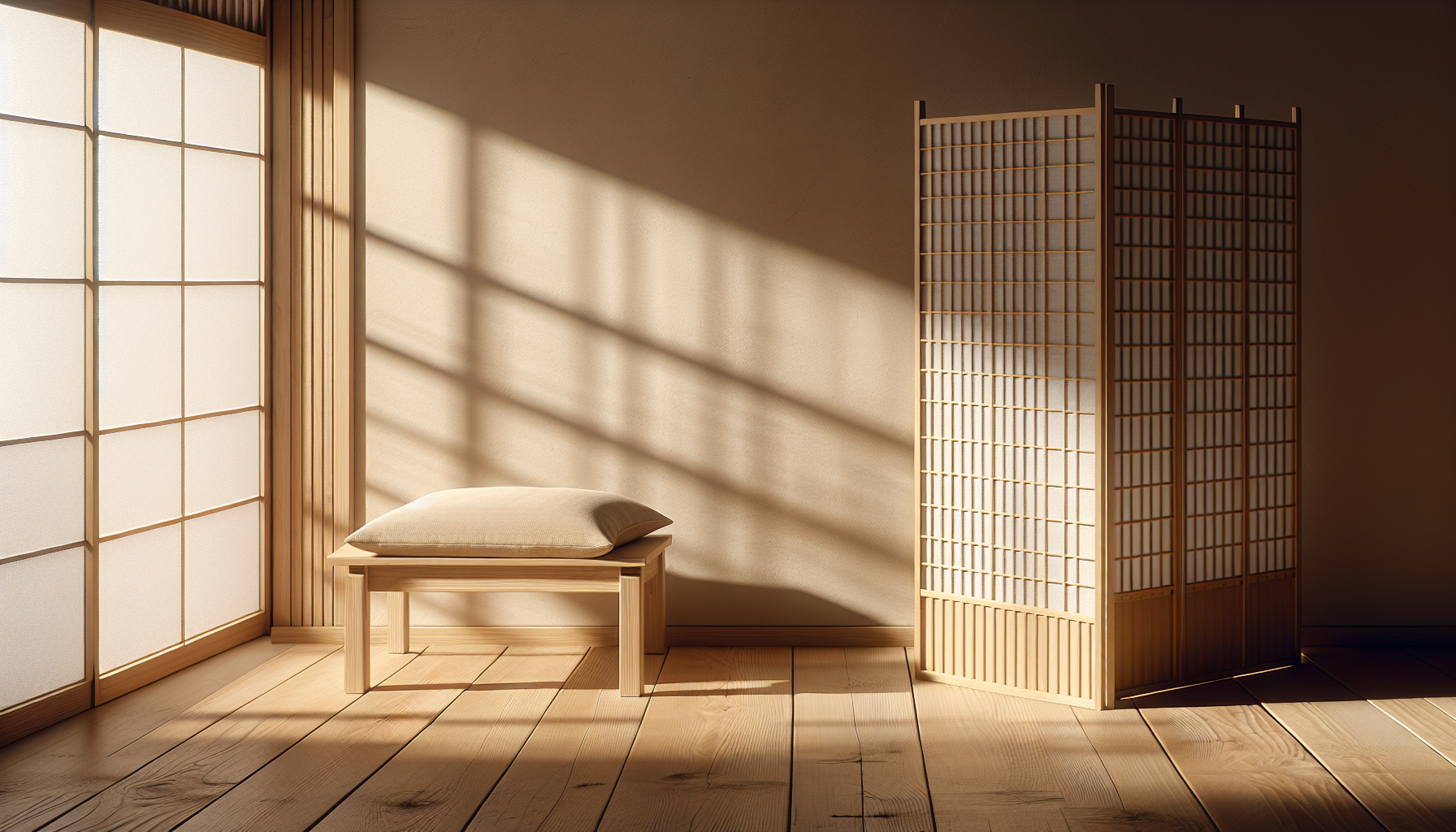
Have you noticed how a room changes the moment sunlight spills across a wooden floor?
How Natural Light Shapes Japandi Interiors
This article helps you understand the central role of natural light in Japandi design and gives you practical ways to shape, control, and enhance daylight in your space. You’ll learn architectural strategies, material choices, and everyday tactics that respect both Japanese minimalism and Scandinavian warmth.
What Japandi Means for Light
Japandi fuses Japanese restraint with Scandinavian comfort, and light is the connective tissue that binds those aesthetics. Natural light reinforces the minimalism and craftsmanship of Japanese interiors while supporting the bright, airy feel cherished in Scandinavian homes.
Core visual goals influenced by light
You want clean lines, quiet surfaces, and a sense of calm. Natural light highlights textures and volumes without overwhelming the restrained palette.
Emotional and functional goals influenced by light
You want rooms to feel serene, balanced, and comfortable for daily living. Natural light must support tasks, relaxation, and seasonal mood changes, while remaining gentle and unobtrusive.
The Qualities of Natural Light Japandi Prefers
Understanding the character of light will help you design spaces that feel authentically Japandi. Soft, indirect light and calm, changing tones are typically preferred.
Softness and diffusion
You want light to be diffused rather than harsh, to emphasize grain, weave, and matte surfaces. Diffused light reduces glare and supports a restful atmosphere.
Direction and movement
You want light to reveal shape and shadow subtly, moving through the day to create changing perspectives. Directional light can sculpt form, while balanced ambient daylight preserves tranquility.
Color temperature and rendering
You should favor daylight that reads as neutral to slightly warm—this complements natural wood and neutral textiles. High color rendering (CRI 90+) helps you see true tones of materials and artwork.
How Architecture Frames Light
The way a room is built sets the stage for how light behaves, so consider windows, openings, and massing as primary design tools. Architectural decisions will define the quality and quantity of daylight.
Orientation and view control
You should orient major windows to receive steady, pleasant light rather than intense, glare-prone sun. North-facing exposures give soft, consistent light; east and west face stronger morning or evening sun that needs control.
Window size and proportion
You want windows proportionate to the wall and the room’s function; oversized glazing can flood a space and overwhelm the minimalism. Thoughtful proportions let light highlight focal points without washing out textures.
Transitional spaces and layering
You should use porches, engawas (Japanese verandas), and entry alcoves to moderate light entering the interior. These transitional zones act as filters, smoothing sudden changes in brightness.
Window Types and Treatments for Japandi Light
Choosing the right window types and coverings helps you preserve light while providing privacy and softness. Natural materials and simple lines work best for this aesthetic.
Shoji screens and translucent panels
Shoji-style screens diffuse sunlight beautifully and add a tactile Japanese reference to your room. You can use them as sliding partitions or window covers to get soft, even light without sacrificing privacy.
Sheer textiles and linen curtains
You’ll want breathable, natural fabrics like linen or ramie for sheer curtains that gently filter daylight. These materials add texture and soften hard edges without blocking views completely.
Modern solutions: light-diffusing glazing
You can use fritted, frosted, or low-iron glass with diffusion layers to reduce glare while keeping brightness. These options are ideal when privacy is needed but daylight should still be maximized.
| Treatment | Light Effect | Privacy | Japandi Fit |
|---|---|---|---|
| Shoji screens (wood + paper) | Soft, even diffusion | High | Highly authentic |
| Linen sheers | Gentle filter, warm tone | Medium | Natural, textured |
| Roller shades (light-filtering) | Controlled diffusion | High | Minimal, clean |
| Frosted / fritted glass | Uniform brightness | High | Modern, unobtrusive |
| Motorized shades | Adjustable control | High | Functional, sleek |
Materials and Surfaces That Respond to Light
Surface choices change how light behaves in a room, so you’ll want materials that interact with daylight in subtle, beautiful ways. Matte finishes and warm natural textures are key.
Wood and grain
You should choose woods with visible, calming grain—oak, walnut, or maple—that come alive under shifting daylight. Light emphasizes grain and warmth, reinforcing the natural focus of Japandi.
Stone, plaster, and limewash
You’ll get quiet reflections and tactile shadows from plaster or stone finishes that accept light with a soft, earthy character. Limewash or clay plasters add depth without high sheen.
Textiles and matting
You’ll want textiles with tactile weave—wool, cotton, and linen—for soft shadow and light absorption. Tatami-style mats or woven rugs help diffuse light near the floor and anchor the space.
Color Palette and Reflectance
The palette you choose affects how much light the room retains and how it’s perceived. Japandi favors neutrals, muted tones, and a few warmer accents.
Neutrals and subtle contrasts
You should opt for off-whites, warm greys, and soft taupes that reflect light without creating harsh glare. These tones maintain visual calm while letting wood surfaces be focal points.
Accent colors and visual warmth
You’ll add quiet accents—deep green, indigo, or clay—to bring life into the room without disrupting the light balance. Accents should be used sparingly and thoughtfully.
Surface reflectance considerations
You must balance reflectance: too many shiny surfaces amplify glare, while too many dark matte surfaces can make a room feel dim. Aim for a mix of medium-reflectance surfaces that harmonize with daylight.
Placement and Arrangement to Use Light Intentionally
How you position furniture and objects determines whether light is used or wasted in your room. Intentional placement preserves sightlines, enhances mood, and supports daily activities.
Aligning furniture with light paths
You want seating and key activity zones where natural light supports reading or socializing, but not so direct that glare or heat become problems. Place low-profile furniture to keep sightlines open.
Creating focal points
You’ll use light to highlight handcrafted pieces, a simple art object, or a beautiful grain in timber. A well-lit display brings calm attention to a single meaningful item rather than cluttering the scene.
Clearing clutter and visual noise
You must keep surfaces minimal so light can reveal texture instead of competing with clutter. Simplicity lets light become an active participant rather than merely background.
Balance of Daylight and Artificial Light
Natural daylight should be the primary light source during the day, with artificial lighting filling gaps and supporting the evening. Layered lighting keeps your space functional and cozy.
Ambient, task, and accent layering
You’ll layer soft ambient fixtures with targeted task lights and subtle accent illumination to maintain a cohesive mood. Low-glare fixtures with warm color temperatures (2700–3000K) complement daylight and preserve the Japandi tone.
Fixture types that match Japandi aesthetic
You should choose fixtures with simple lines, natural materials, and soft finishes—paper lanterns, linen pendants, and matte metal sconces fit well. Avoid overly ornate or industrial styling that conflicts with the quiet aesthetic.
Lighting controls and dimming
You’ll want dimmers and multiple circuits so you can adapt the light to the hour and activity. Adjustable color temperature systems can help transition from daylight to evening warmth gracefully.
| Lighting Layer | Purpose | Best Japandi Options |
|---|---|---|
| Ambient | General room illumination | Paper lantern pendants, recessed cove lighting |
| Task | Focused activities | Adjustable floor lamps, directional table lamps |
| Accent | Highlight textures/objects | Low-profile wall washers, LED strips behind shelving |
| Control | Adjust mood | Dimmers, scene controllers, smart switches |
Managing Glare and Heat While Keeping Light
You want daylight without discomfort, so use architectural and material strategies to control harsh sun and thermal gain. These methods preserve Japandi serenity while improving comfort.
Light shelves and overhangs
You can install light shelves and deep overhangs to bounce light deeper into a space while shading direct sun. These passive strategies maintain brightness while reducing heat.
Operable shading and zoning
You should use operable elements—sliding screens, shutters, or motorized blinds—to adjust light by zone throughout the day. This gives you control without permanent impediments to daylight.
Strategic glazing choices
You’ll use low-emissivity coatings or solar control glass on sunnier elevations to reduce heat without sacrificing visible light transmittance. Choose glass with the right balance for your climate.
Seasonal and Daily Variation: Designing for Change
Japandi design respects the changing nature of light across seasons and times of day. Designing with change in mind keeps your interiors comfortable year-round.
Mapping daylight through the day
You’ll map light paths at different times to plan furniture placement and identify glare zones. A simple sun-path sketch helps you anticipate where light will be strongest in each season.
Adapting to winter and summer
You should design for maximum daylight and passive solar gain in winter, and for shading and ventilation in summer. Operable elements and thermal mass help create a comfortable seasonal balance.
Maintenance for consistent performance
You’ll keep glazing clean, maintain shading systems, and refresh natural finishes periodically to preserve light quality. Regular upkeep ensures that your original daylight intentions remain effective.
Plants and Natural Elements That Work with Light
Plants add life and soften spaces, and their selection should respond to the available daylight. The right greenery enhances the Japandi aesthetic and performs well in your light conditions.
Low-maintenance, light-tolerant plants
You should choose species like Ficus, Monstera (for bright filtered light), Sansevieria, and Zamioculcas for low fuss and sculptural forms. Match plant choice to the light level—succulents for bright spots, ferns for lower light.
Placement for scale and rhythm
You’ll place plants to balance vertical lines and to catch light where it creates pleasing shadow patterns. A single sculptural plant can act as a focal point under a soft wash of daylight.
Using natural materials alongside plants
You must complement plants with stone, wood, and simple pottery to maintain the restrained palette. These materials interact with light to create a calm, organic composition.
Case Studies: Small Living Room, Kitchen, and Bedroom
Real-world layouts help you apply principles. Below are concise examples showing how natural light can be shaped in common Japandi spaces.
Small living room: maximizing shallow daylight
In compact spaces, you should use light colors on walls and low furniture to keep sightlines open. Placing seating perpendicular to the window avoids glare and uses reflected light off warm wooden floors for ambient brightness.
Kitchen: balancing task light and mood
You’ll position work surfaces near bright windows and use matte backsplash materials that reflect light softly. Overhead pendants with linen shades provide warm evening light that echoes daylight tones.
Bedroom: soft morning light and evening privacy
You should use sliding shoji screens or linen sheers to receive gentle morning light while preserving privacy at night. Layered bedside lighting lets you transition from daylight to a calm, warm glow.
| Room | Daylight Strategy | Key Material/Feature |
|---|---|---|
| Living room | Maximize reflected light, low-profile furniture | Light oak floors, linen sheers |
| Kitchen | Bright task areas, matte reflections | Stone counters, south-facing window |
| Bedroom | Soft morning light, adjustable privacy | Shoji screen, wool rugs |
Common Mistakes and How You Fix Them
Design missteps can undermine Japandi light intentions, but most issues have straightforward solutions. You’ll want to anticipate these pitfalls before they become problems.
Over-glazing without control
Too much glass can lead to glare and heat issues that break the calm. Fix it with light shelves, operable screens, and careful glazing specification.
Excessive high-gloss finishes
Glossy surfaces create glare and visual noise in a restrained palette. Replace or tone down gloss with waxed or oiled wood and matte paints.
Cluttered surfaces that steal the light
Too many objects on tables and shelves break up visual calm and prevent light from sculpting surfaces. Edit down possessions and use display with intention.
Practical Checklist for Designing with Natural Light
A checklist helps you prioritize actions whether you’re renovating or starting from scratch. Use it as a quick reference during planning and implementation.
| Task | Why it matters | Action |
|---|---|---|
| Map sun paths | Anticipates glare and seasonal shifts | Sketch light at multiple times/seasons |
| Choose glazing by exposure | Controls heat and maintains brightness | Specify low-e or fritted where needed |
| Select materials for reflectance | Balances brightness and texture | Use medium-reflectance matte surfaces |
| Plan shading and screens | Prevents discomfort and adds warmth | Include operable shoji, awnings, or sheers |
| Layer artificial lighting | Keeps mood consistent after dark | Dimmers + warm color temperature fixtures |
| Maintain finishes | Preserves light quality over time | Regular cleaning, oiling wood, replacing papers |
Budgeting and Phased Implementation
You don’t need to overhaul everything at once; you can prioritize high-impact changes. Plan in phases so you can test how light behaves and refine choices.
High-impact, low-cost changes
You can start with sheers, rearranging furniture, and choosing warm light bulbs to see immediate improvements. These affordable moves give you quick wins.
Moderate investments
You might next add built-in shelving, shoji screens, or upgraded glazing in key windows. These changes take more resources but offer lasting aesthetic and comfort benefits.
Larger interventions
Major architectural changes—adding skylights, enlarging windows, or reorienting rooms—are most effective during significant renovations. Plan these carefully with sun-path analysis and professional input.
Working with Professionals
You’ll get better results by involving architects, lighting designers, or builders familiar with passive daylighting. Collaborative planning reduces costly mistakes and helps you achieve a cohesive result.
What to ask an architect or designer
You should ask for sun-path sketches, daylight simulations, and material studies to see how light will behave. Request specific recommendations for glazing, overhangs, and shading systems.
What measurements to request
You should ask for lux levels in key areas, expected solar heat gain coefficients (SHGC) for glazing, and suggested color temperature ranges for electric lighting. These metrics help you set realistic expectations.
Maintenance and Long-Term Care
Sustaining the Japandi light quality takes attention over time. You’ll benefit from seasonal checks and modest upkeep to keep the design intention intact.
Gentle cleaning and repair
You should clean glazing regularly, keep shades and screens functioning, and repair any weathered wood with oiling rather than high-gloss finishes. Proper care keeps light behavior consistent.
Replacing textiles and papers
You’ll refresh shoji paper, linen sheers, and soft furnishings as they age to maintain diffusion quality. Choose replacements that match the original light-handling characteristics.
Final Tips for Your Japandi Light Strategy
A few simple rules will help you make strong choices and keep your space true to Japandi principles. You’ll find that small, deliberate decisions compound into a cohesive, calm home.
- Prioritize natural materials and matte surfaces that accept light softly.
- Use screening and diffusion rather than heavy blockage to preserve brightness.
- Map and test light behavior before committing to permanent changes.
- Layer artificial light to maintain a coherent mood after sunset.
- Keep compositions minimal so light itself becomes the living element.
Conclusion
You can shape natural light to create a Japandi interior that feels calm, warm, and precisely tuned to daily life. By understanding how light interacts with architecture, materials, and furnishings you’ll make purposeful decisions that honor both Japanese subtlety and Scandinavian simplicity. Follow the practical strategies here to design rooms that feel balanced by daylight and inviting at every hour.