
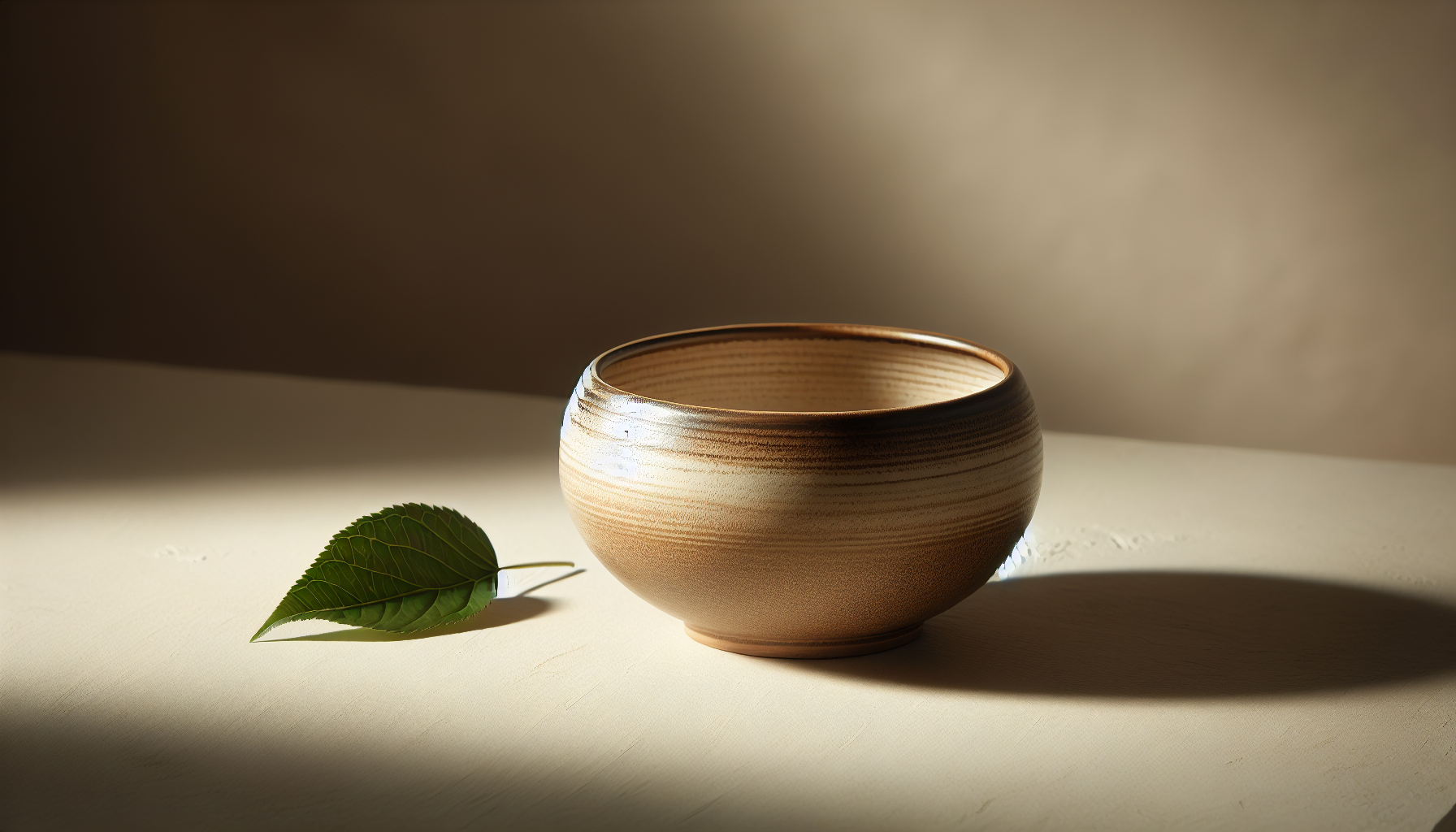
Have you ever walked into a room and felt an immediate sense of calm and clarity that seemed to settle you from the inside out?
How Japandi Design Nurtures Emotional Well-Being
You’ll find that Japandi design blends the quiet restraint of Japanese aesthetics with the warm functionality of Scandinavian design to create spaces that support your emotional health. This article explains how the style works, why it affects your mood, and how you can apply its principles to nurture your own well-being at home.
What is Japandi?
Japandi is a hybrid style that marries two distinct design traditions: Japanese minimalism and Scandinavian hygge-inspired comfort. You’ll notice it in rooms that feel uncluttered, natural, and welcoming — spaces that let you breathe and focus.
Origins and influences
The style grew in popularity as people started valuing simplicity, craftsmanship, and slower living practices. You’ll see influences from wabi-sabi (appreciation of imperfect beauty) and Nordic functionalism (prioritizing usefulness and warmth).
Core principles of Japandi
Japandi relies on a small set of guiding ideas that shape how it looks and feels. When you apply these principles, your environment naturally reduces sensory overload and supports a calmer mind.
Simplicity and minimalism
You’ll notice fewer decorative distractions and more intentional choices in a Japandi space. The restraint helps lower cognitive load so your attention isn’t pulled in many directions at once.
Function and utility
Every object in a Japandi interior tends to have a purpose, whether for storage or daily use. This focus on function removes unnecessary items and creates an easier, more efficient routine for you to live in.
Natural materials and textures
Wood, stone, rattan, linen, and soft wool are common in Japandi interiors because they connect you to the natural world. Those textures feel comforting and familiar, which helps your nervous system settle.
Muted, warm color palette
Colors tend to be neutral and earthy: soft grays, warm beiges, muted greens, and rich wood tones. You’ll find that such palettes reduce visual tension and create a sense of cohesive calm.
Craftsmanship and tactile detail
Handmade objects and well-crafted furniture invite you to slow down and appreciate material quality. That focus on workmanship supports feelings of care and respect for your belongings.
Biophilia: connection to nature
Plants, natural light, and views to the outdoors play a major role in Japandi design. Bringing nature into your space has well-documented psychological benefits, such as reduced stress and improved concentration.
Wabi-sabi and imperfection
You’re encouraged to accept wear, patina, and imperfection rather than hide them. This mindset reduces perfectionism and helps you feel more at ease with the passage of time.
Sustainability and mindful consumption
Japandi often favors longevity: materials that age gracefully and furniture built to last. When you commit to fewer, higher-quality items, you can reduce decision fatigue around purchases and feel better about your environmental impact.
How Japandi Affects Emotional Well-Being
Understanding the pathways between design and mood helps you intentionally shape your environment. Japandi works on multiple senses and psychological mechanisms to promote calm, clarity, and comfort.
Reduced stress and cognitive load
A tidy, well-organized space lowers the number of stimuli competing for your attention. When visual clutter is limited, your brain can allocate resources to tasks and relaxation instead of constant re-orienting.
Enhanced focus and creativity
Because the space is uncluttered and thoughtfully arranged, your attention can settle and flow more easily. You’ll likely find that you can work, think, or create with less friction.
Sense of safety and control
Design choices that favor clear circulation, comfortable seating, and predictable layouts give you a greater feeling of control. That perceived control is psychologically powerful and reduces anxiety.
Comfort and thermal satisfaction
Materials and textiles in Japandi often prioritize tactile comfort and thermal balance, which influences your bodily comfort and mood. When you’re physically comfortable, emotional resilience tends to improve.
Better sleep and circadian alignment
Soft colors, layered lighting, and calm bedroom design help your nervous system unwind at night. If your evening environment reduces stimulation, you’ll be more likely to fall asleep and stay asleep.
Social and relational benefits
Japandi spaces are designed to be welcoming without being overwhelming, which helps you host or spend time with others in a relaxed way. This gentle hospitality can strengthen relationships and reduce social stress.
Elements That Create Calming Japandi Spaces
Each design element contributes to a cumulative effect that can alter your mood and behavior. Understanding these elements helps you make specific changes that produce meaningful results.
Light and shadow
Good natural light balanced with warm artificial lighting creates nuanced spaces that feel alive without being harsh. You’ll want to layer light sources — overhead, task, and accent — to achieve flexibility and comfort.
Color and tonal balance
Muted and low-contrast palettes create a backdrop that soothes rather than dominates. You’ll often use one or two accent tones combined with neutrals to keep visual interest while maintaining serenity.
Texture and materiality
A mix of smooth and tactile surfaces — wood grain beside soft linen, matte ceramic beside wool — keeps a room from feeling sterile. These textures invite touch and give your senses subtle points of engagement.
Furniture arrangement and circulation
Placing furniture to encourage clear pathways and comfortable interaction decreases stress and increases functionality. You’ll aim for pieces that have appropriate scale and spacing to promote ease of movement.
Storage and clutter management
Hidden storage, built-ins, and multipurpose furniture keep belongings organized and out of view. When items have a dedicated place, you’ll encounter fewer visual reminders of disorder.
Natural elements and plants
Strategic plant placement and natural objects provide ongoing sensory connection to living systems. You’ll notice a quieter mind when you’re regularly exposed to greenery and natural forms.
Sound and acoustics
Soft textiles, rugs, and wall treatments help absorb unwanted noise and create a more peaceful auditory environment. You’ll also want to consider how sound travels in your room to maintain privacy and calm.
Scent and olfactory cues
Gentle, natural scents like wood, linen, or green notes can further support relaxation when used sparingly. You’ll avoid overpowering fragrances and opt for subtlety that aligns with the visual calm.
Comparing Design Traditions: Japanese, Scandinavian, and Japandi
This table clarifies how Japandi merges elements from both Japanese and Scandinavian design to create a distinct outcome. You’ll find it helpful when deciding which features to emphasize in your space.
| Feature | Japanese | Scandinavian | Japandi (Fusion) |
|---|---|---|---|
| Palette | Natural, often muted | Light, cool neutrals | Muted, warm neutrals with balanced contrast |
| Furniture | Low profile, minimalist | Functional, light wood | Clean lines, mixed scales, warm wood |
| Textures | Natural, handmade surfaces | Cozy textiles (wool, sheepskin) | Natural textures + soft textiles |
| Philosophy | Wabi-sabi, restraint | Hygge, comfort | Simplicity + warmth |
| Ornamentation | Minimal, symbolic | Limited, functional decor | Minimal accents, tactile craftsmanship |
| Materials | Bamboo, paper, cedar | Pine, birch, wool | Oak, teak, linen, stone, ceramics |
| Lighting | Subtle, paper lanterns | Bright, daylight-maximizing | Layered, warm, balanced |
| Biophilia | Garden views, plant placement | Large windows, greenery | Plants + natural materials for calm |
Room-by-Room Guide to Nurturing Emotional Well-Being
You can apply Japandi principles differently depending on the role of each room in your life. This section gives practical guidance for key areas.
Living room: calm gathering and restful presence
Design the living room as a place for comfortable conversation and quiet relaxation. Choose low-profile seating, warm woods, and a simple arrangement that supports ease of use and connection.
- Keep surfaces organized with trays, baskets, and closed storage.
- Use a single patterned textile (rug or cushion) to anchor the room without overwhelming it.
- Position seating to optimize natural light while maintaining privacy.
Bedroom: sanctuary for rest and recovery
Your bedroom should promote slow down and transition into sleep. Limit electronics, choose soft layered lighting, and use tactile bedding to create a restorative environment.
- Select a neutral palette and a minimal headboard.
- Incorporate storage that keeps clothes hidden and surfaces clear.
- Use blackout curtains and warm bedside lighting for evening routines.
Kitchen and dining: functional warmth and simple rituals
The heart of a home in Japandi style blends efficiency with unfussy hospitality. You’ll pick durable surfaces, simple cabinetry, and hand-thrown ceramics for a balance of utility and beauty.
- Keep countertops mostly clear and store frequently used tools within reach.
- Use wooden cutting boards and linen towels to introduce texture.
- Choose a dining table with comfortable spacing for shared meals and conversations.
Bathroom: quiet, contemplative utility
A Japandi bathroom is spa-like yet practical, favoring natural stone, wood accents, and simple fixtures. You’ll aim for clean storage solutions and tactile textiles that make routines feel nourishing.
- Use baskets and shelves to keep toiletries out of sight.
- Add a wooden stool or bench for warmth and practicality.
- Incorporate plants or a small window view to maintain biophilic connection.
Workspace: focused, uncluttered productivity
Design your workspace to minimize distraction while still feeling comfortable. A well-chosen desk, adequate storage, and thoughtful lighting help you sustain attention without stress.
- Choose an ergonomic chair with clean lines to prioritize comfort.
- Limit wall clutter and keep a single inspiration object or plant on the desk.
- Use task lighting to keep glare low and contrast comfortable.
Practical Tips for Implementing Japandi on Any Budget
You don’t need a large budget to begin reaping the benefits of Japandi design. You’ll get the most impact from a few intentional changes.
Start with decluttering and organization
Clearing surfaces and adding simple storage is the fastest, cheapest way to change how a room feels. You’ll feel immediate relief when everyday visual noise is reduced.
Prioritize key materials and finishes
If you can invest in only a few pieces, choose natural materials for high-impact items like a dining table, sofa, or bed frame. Quality finishes age better and continue to support your emotional well-being.
Mix thrifted and new items
Search for well-made secondhand furniture and refurbish it with light sanding or a new finish. You’ll save money and add character without sacrificing the Japandi aesthetic.
Upgrade lighting affordably
Replacing harsh overhead bulbs with warm LEDs and adding a couple of lamps dramatically improves atmosphere. You’ll also want dimmable options to tailor lighting to your moods.
Use textiles strategically
Rugs, cushions, and throws are cost-effective ways to add warmth, texture, and seasonal comfort. Choose neutral bases and switch accents by season to keep things fresh.
DIY and refinishing
You can refinish wood surfaces, sew simple linen cushion covers, or reupholster older chairs to create bespoke pieces. These projects let you personalize items while avoiding large expenditures.
Here is a simple budget-to-strategy table to guide your choices:
| Budget Level | Key Actions | Impact |
|---|---|---|
| Low | Declutter, add plants, swap bulbs | Immediate calm, improved light |
| Medium | New textiles, small furniture, thrifted refinishes | Greater comfort, cohesive look |
| High | Invest in quality furniture, bespoke lighting | Long-term well-being, durability |
Common Mistakes to Avoid
Knowing what not to do helps you preserve the calming qualities that Japandi offers. You’ll want to avoid these pitfalls.
Over-minimalizing to the point of coldness
Removing all personal items and leaving only sparse furniture can make a space feel sterile rather than soothing. Keep a few meaningful objects that reflect your personality and history.
Mixing too many styles or colors
Introducing conflicting patterns or bright, high-contrast colors disrupts the tranquil atmosphere. Stick to a muted palette and gradual contrasts to maintain harmony.
Ignoring scale and proportion
Furniture that’s either too large or too small in a room disrupts balance and function. Choose pieces that fit the room’s scale to allow comfortable movement and use.
Neglecting maintenance and care
Natural materials require basic upkeep — oiling wood, washing linen, pruning plants — to stay beautiful and functional. If you ignore maintenance, the space can drift into disrepair and lose its positive psychological effects.
Overcrowding with decorative objects
Collecting many small decorations creates visual noise. You’ll get better results by curating a few objects and rotating them seasonally.
Maintenance and Living with Japandi
Living well in a Japandi home requires small, regular actions that keep the environment supportive and fresh. You’ll feel the benefits accumulate over time.
Daily rituals for order and calm
Create short routines such as a five-minute evening tidying, a morning plant check, and putting items back in their place. These rituals make upkeep manageable and reinforce feelings of competence and calm.
Seasonal updates and small changes
Rotate textiles, swap a few accessories, and adjust lighting with seasonal needs to keep the space responsive to your life. You’ll enjoy the subtle changes while maintaining the overall serenity.
Caring for materials
Wood needs dusting and occasional oiling; textiles should be laundered according to instructions; plants need consistent but measured watering. Proper care preserves material beauty and the calming effect of a well-kept home.
Living with imperfections
Accept scratches, small stains, and the marks of daily use as part of an authentic, lived-in space. You’ll find that embracing imperfection reduces stress and fosters contentment.
Measuring the Impact on Your Emotional Well-Being
You can track whether Japandi changes are helping you feel better by using simple, practical methods. These measures are subjective but valuable for noticing trends and making adjustments.
Mood journaling and reflection
Keep a short log of mood, sleep quality, stress levels, and energy before and after changes. Over weeks, you’ll see patterns that tell you which interventions matter most.
Photographic before-and-after comparisons
Take photos of a room before you start and after each change to visually assess clutter reduction and compositional shifts. Visual evidence often highlights benefits you might otherwise miss.
Task performance and focus checks
Note whether you complete tasks more efficiently or experience fewer distractions in your redesigned spaces. You’ll often find small environmental adjustments yield measurable improvements in productivity.
Social and relational indicators
Pay attention to how comfortable you feel inviting people over and how relaxed interactions are in your space. If hosting feels easier and interactions are calmer, that’s a sign of positive emotional impact.
Case Studies and Scenarios
Reading real-world scenarios helps you imagine how Japandi might transform different living situations. Each scenario shows practical choices and expected emotional outcomes.
Small apartment, single dweller
You’ll focus on multifunctional furniture, vertical storage, and light colors to keep the space feeling open. Minimal decor, a single larger plant, and layered lighting create calm without crowding.
Family home with children
Balance durability and tactility: washable textiles, rounded furniture edges, and accessible storage. You’ll keep daily life organized by choosing functional pieces that are still warm and human-scaled.
Home of a remote worker
Prioritize a distinct, uncluttered workspace with good ergonomics and acoustic control. You’ll separate work and rest by using visual cues (rugs, screens) and clear rituals for beginning and ending the workday.
Shared living with roommates
Create agreements about communal spaces and storage so visual clutter doesn’t build up. You’ll use durable, neutral furnishings and shared rituals (ten-minute tidying) to maintain a calm shared environment.
Frequently Asked Practical Questions
These questions address typical concerns you’ll have when applying Japandi principles.
Can Japandi work in a very small space?
Yes: Japandi’s emphasis on multifunctional furniture and decluttering makes it ideal for compact living. You’ll use vertical storage, foldable furniture, and minimal ornamentation to maximize breathing room.
How do I introduce warmth without clutter?
Use texture and layered lighting rather than many objects. You’ll add warmth with a rug, a throw, warm wood tones, and soft lamps rather than increasing the number of decorative items.
Is Japandi compatible with pets and kids?
Absolutely—choose robust materials and washable textiles and design zones that can handle activity. You’ll incorporate natural fibers and durable finishes that age gracefully with life’s wear.
How long does it take to feel the benefits?
Many people report feeling calmer within days of decluttering and improving lighting. Deeper emotional benefits develop over weeks to months as rituals and maintenance become habits.
Final Thoughts
You can use Japandi design not only to change how your home looks but to shape how you live and feel each day. By simplifying your environment, prioritizing natural materials, and creating gentle routines, you’ll build a refuge that supports your emotional well-being.
If you’d like, you can tell me about a specific room you want to transform — the dimensions, your current color palette, and the mood you’re aiming for — and I’ll offer practical, tailored suggestions to help you start.