
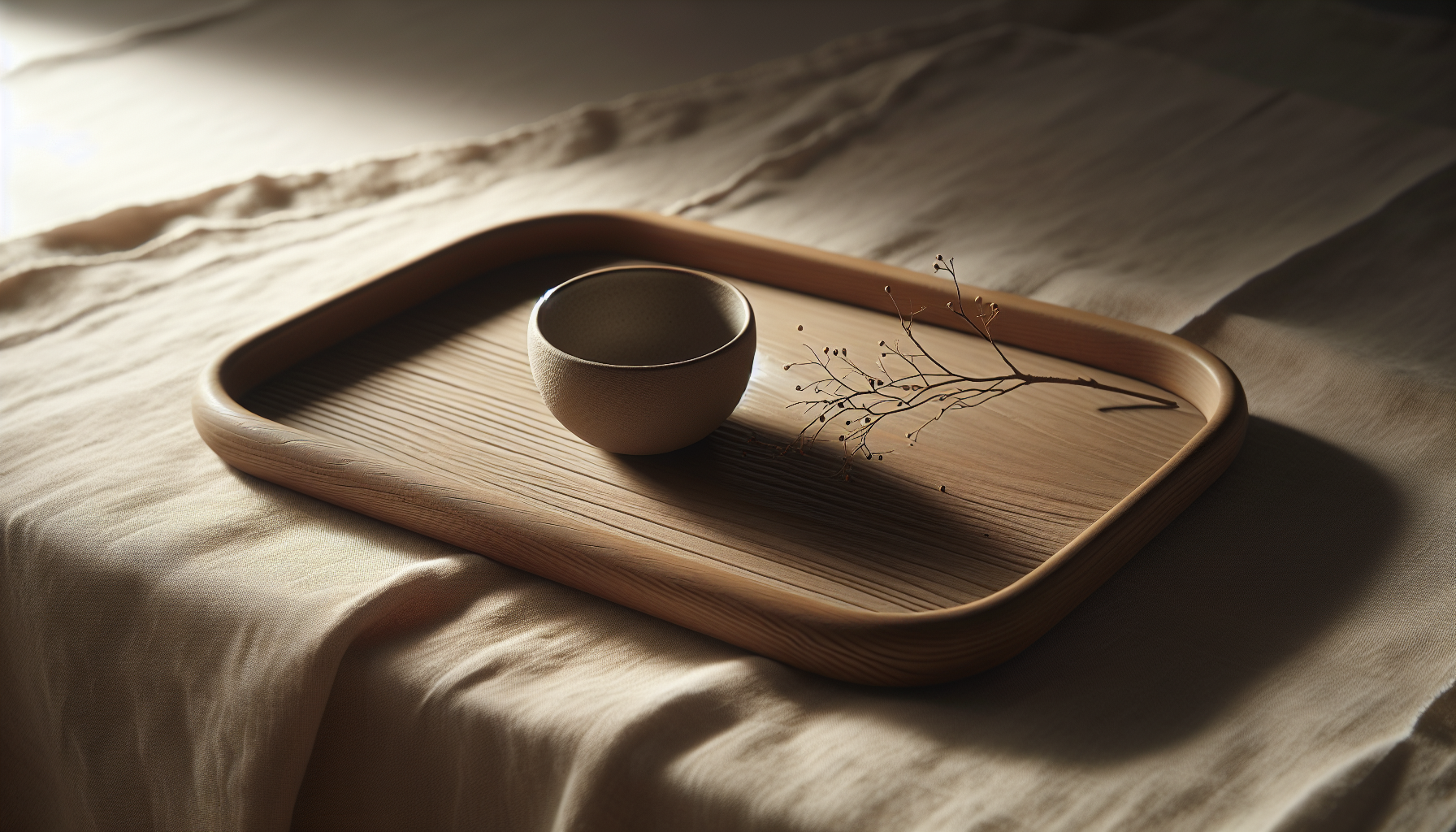
Have you ever walked into a room and immediately felt calmer, as if the space itself slowed your breath?
How Japandi Creates a Calm Living Space
This article explains how Japandi design creates calm through intentional choices you can use in your home. You’ll learn the history, core principles, practical steps, and room-by-room guidance so you can craft a serene living space that suits your life.
What is Japandi?
Japandi is a hybrid design style that blends Japanese minimalism with Scandinavian functionality and warmth. It combines the Japanese focus on natural materials and quiet elegance with Scandinavian comfort and practicality.
You’ll notice how both traditions prize simplicity, quality, and a quiet aesthetic. Japandi is not about copying looks; it’s about using principles from both traditions to create spaces that feel both refined and livable.
Why people describe Japandi as “calm”
People describe Japandi as calm because it reduces visual noise, emphasizes natural textures, and promotes purposeful living. When you remove excess and focus on essentials, your environment supports relaxation and clarity.
The calmness also comes from balanced proportions, muted colors, and spaces that encourage mindful activities such as reading, socializing, or resting.
Origins and influences
Both Japanese and Scandinavian design emerged from cultural responses to climate, resources, and philosophy. Japan’s design roots emphasize wabi-sabi (imperfect beauty) and ma (negative space), while Scandinavian design values hygge (comfort) and functional simplicity.
You’ll find Japandi borrows the best of both: the Japanese reverence for craftsmanship and asymmetry, and Scandinavian warmth, cozy textiles, and functionality.
Core principles of Japandi
Japandi uses a few straightforward principles to create calm spaces: simplicity, natural materials, muted palette, functional furniture, and attention to craftsmanship. Each principle supports a sense of order and calm.
When you apply these principles, you create rooms that are easy on the eyes and convenient for daily living, reducing stress and promoting presence.
Simplicity and restraint
Simplicity means keeping objects and furniture to a considered minimum. Restraint encourages you to choose items that serve multiple purposes and to avoid impulse decoration.
When you simplify, you’ll have fewer distractions and more space for activities that matter to you.
Natural materials and textures
Wood, stone, bamboo, linen, and clay are common in Japandi interiors. These materials add warmth and tactile interest without loud patterns.
You’ll feel more grounded when materials connect you to nature, and the subtle variations in texture become a focal point rather than busy ornamentation.
Muted, balanced color palette
Japandi relies on neutrals and soft tones—beiges, warm grays, soft greens, and charcoal accents. Colors are chosen to calm the eye and create a cohesive environment.
You’ll find that muted tones make it easier to switch out accents and keep the space feeling restful even when you change accessories.
Functional furniture and ergonomic design
Furniture should be comfortable, well-made, and purposeful. Clean lines and low profiles are typical, often with attention to ergonomic needs.
When every piece has a function and is comfortable, you’ll use your space more intentionally and feel less cluttered.
Craftsmanship and quality
Japandi values durable, handcrafted items that age gracefully. Investing in quality pieces reduces the need for constant replacements and gives you a sense of continuity.
You’ll appreciate how well-made items contribute to calm because they don’t visually degrade or feel disposable.
Visual vocabulary: shapes, lines, and scale
Shapes are simple—rectangles, low profiles, gentle curves. Lines are clean but not sterile. Scale is human-centered: furniture sits low and feels proportional to the body and the room.
You’ll want to prioritize furniture that fits you and your room rather than oversized or undersized pieces that disrupt harmony.
Color palette: recommended hues and pairings
A calm palette relies on neutrals with touches of muted color. Below is a simple guide to build your scheme.
| Primary base | Secondary tones | Accent colors |
|---|---|---|
| Warm white, soft beige, light taupe | Warm gray, soft clay, muted olive | Charcoal, deep indigo, terracotta |
You’ll use the primary base across walls and larger surfaces, secondary tones for furniture, and accents sparingly to create focal points without visual noise.
Materials and finishes: tactile calm
Wood finishes often show grain and warmth—oak, walnut, or light ash. Textiles are natural: linen curtains, wool throws, cotton rugs. Metal is often matte or blackened rather than shiny.
You’ll want to mix textures for depth—smooth wood, coarse linen, soft wool—while keeping the overall palette unified.
Lighting: natural light and layered fixtures
Lighting is crucial to calm. Maximizing natural light helps your space feel open and warm, while layered artificial light provides flexibility for mood.
You’ll combine ambient lighting (soft overhead lighting), task lighting (reading lamps), and accent lighting (wall sconces) to create a comfortable environment for different activities.
Natural light strategies
Use sheer curtains, uncluttered windowsills, and reflective surfaces to amplify daylight. Position seating near windows and choose window treatments that allow you to control brightness.
When you let in natural light, you’ll notice colors and textures come alive and the room will feel less confining.
Layered artificial light
Select warm color temperature bulbs (2700–3000K) for a cozy atmosphere. Add dimmers so you can soften light in the evening and use task lights for reading or work.
You’ll feel more relaxed when lighting can adapt to your activities and the time of day.
Furniture selection and arrangement
Choose items with clean silhouettes and low profiles. Opt for pieces that combine form and function—storage that looks like design, seating that’s both minimal and comfortable.
Arrange furniture to encourage conversation and movement. Leave negative space so the room breathes.
Seating and proportions
Low, wide sofas, simple armchairs, and floor cushions work well. Keep proportions human-scale and avoid overcrowding.
You’ll create calm seating areas by prioritizing comfort and allowing space between pieces.
Storage and clutter control
Built-in storage, hidden cabinets, and multifunctional furniture keep clutter out of sight. A place for everything helps maintain the visual calm.
You’ll find daily life simpler when items have consistent homes, reducing decision fatigue and visual stress.
Textiles and soft goods
Textiles add softness and comfort. Choose muted patterns or solids, and layer textures rather than bold prints. Natural fibers like linen, cotton, and wool fit the Japandi aesthetic.
You’ll use throws, cushions, and rugs to add warmth and tactile contrast without overpowering the room.
Rug choices and placement
Natural fiber rugs (wool, jute) in neutral or muted tones ground the space. Position rugs to define zones, like under the coffee table or seating area.
You’ll achieve balance and cohesion by matching rug size to furniture groupings.
Plants and natural elements
Plants introduce life and help air quality, but choose simple, sculptural species—ficus, snake plant, rubber plant, or bonsai. Natural elements like stone bowls and wooden trays are also calming.
You’ll bring energy into your space through living elements while maintaining simplicity.
Sensory calm: sound, smell, and touch
A calm space engages more than sight. Soft fabrics absorb sound, reducing echo and creating warmth. Natural scents—wood, clean linen, subtle incense—can be pleasant without overwhelming.
You’ll aim for subtle sensory cues that promote relaxation rather than bright or intrusive stimuli.
Sound control
Use soft furnishings, rugs, and upholstery to dampen noise. Consider bookshelves and curtains as acoustic elements to reduce reverberation.
When sound is controlled, conversations feel easier and your mind finds it simpler to rest.
Fragrance and air quality
Keep fragrances natural and light: essential oils, citrus, or green scents. Maintain good ventilation to keep air fresh.
You’ll notice calm increases when air feels clean and scents are gentle rather than overpowering.
Room-by-room application
Applying Japandi principles room-by-room ensures coherence and practicality. Below you’ll find guidance for common living areas.
Living room
Keep seating minimal but comfortable. Choose a low-profile sofa, a simple coffee table, and a few well-placed accessories. Allow negative space for flow and sightlines.
You’ll create a living room that encourages conversation and relaxation without visual clutter.
Dining area
Use a wooden dining table with clean lines and simple chairs. Let tableware be understated, and consider runner or placemats in natural fibers.
You’ll foster communal eating experiences that feel intentional and calm.
Kitchen
Opt for functional cabinetry, open shelving for curated items, and natural countertops like butcher block or stone. Keep countertops mostly clear.
You’ll find cooking more enjoyable when the space is organized and surfaces are free of unnecessary items.
Bedroom
Choose a low bed, soft bedding in neutral tones, and minimal bedside furniture. Limit electronics and visual distractions to support sleep.
You’ll sleep better when your bedroom emphasizes rest, with clutter removed and calming textures.
Bathroom
Use stone or ceramic, warm wood accents, and simple fixtures. Keep toiletries in baskets or concealed storage to maintain a spa-like feel.
You’ll appreciate the sense of quiet and cleanliness created by minimal surfaces and natural materials.
Home office
Select ergonomic, simple furniture that supports work without dominating the room. Keep storage organized and display only a few meaningful items.
You’ll work better when your environment minimizes distractions and supports focus.
Small spaces and apartment living
Japandi adapts well to small spaces due to its emphasis on multipurpose furniture and efficient storage. Use foldable or nested furniture and wall-mounted solutions to free floor space.
You’ll maximize serenity in small areas by being deliberate about every piece you bring in.
Common mistakes to avoid
Avoid over-accessorizing, mixing too many colors or patterns, and choosing low-quality furniture that looks cheap. Also avoid keeping too many items on display; visual clutter undermines calm.
You’ll maintain serenity by editing frequently and investing in a few key pieces that match your lifestyle.
Budget-friendly Japandi
You don’t need to buy high-end pieces to achieve a Japandi look. Look for secondhand solid-wood furniture, reupholster existing pieces in neutral fabrics, and choose affordable natural-fiber rugs.
You’ll save money by prioritizing a few quality items and balancing them with budget-friendly accents.
Shopping and sourcing tips
Look for solid construction, natural materials, and timeless designs. Support local artisans or search thrift stores for vintage wooden pieces you can refinish.
You’ll create a more meaningful space when you choose items that resonate and are well-made.
Sustainability and longevity
Japandi aligns well with sustainable practices: favoring durable materials, repairing instead of replacing, and choosing ethically made goods. Natural materials also age gracefully, gaining character over time.
You’ll promote sustainability by buying less, selecting better, and maintaining what you own.
Personalizing without clutter
Personalize with a few curated objects: meaningful artwork, a well-crafted vase, family photos in simple frames. Rotate objects seasonally to keep the space fresh while avoiding accumulation.
You’ll make the space feel uniquely yours while preserving calm.
Maintenance and routines for a calm home
Adopt simple routines: daily tidying, weekly cleaning, and seasonal editing. Use storage rituals—dedicate a basket for items that belong elsewhere to keep surfaces clear.
You’ll find calm is easier to keep when upkeep is simple and consistent.
Case study examples
Below are two brief scenarios that show how different users can adapt Japandi to their needs.
| Scenario | Key choices | Result |
|---|---|---|
| Young professional in small apartment | Low sofa, multifunctional coffee table, wall-mounted shelves, neutral palette | Open feel, easy maintenance, comfortable hosting |
| Family home with kids | Durable natural textiles, hidden storage, wooden dining table, washable cushion covers | Warm and practical, calm zones for family activities |
You’ll notice how core principles translate to different lifestyles while preserving calm.
Lighting plan example
A simple lighting plan helps you implement layered light effectively.
| Area | Ambient | Task | Accent |
|---|---|---|---|
| Living room | Overhead dimmable LED | Floor or table lamp near seating | Wall sconce or shelf uplighting |
| Bedroom | Soft overhead or pendant | Bedside reading lamp | Small dimmable LED for mood |
| Kitchen | Recessed lights or pendant | Under-cabinet strip lighting | Over stove or open shelf spot |
You’ll create flexible moods and functional light by layering sources.
Frequently asked questions
Answering common queries helps you apply design choices with confidence.
Is Japandi only for minimalist tastes?
No. You can incorporate Japandi principles while keeping things comfortable and lived-in. The aim is purposeful restraint, not austerity.
You’ll adjust the level of minimalism to match your comfort and lifestyle.
Can Japandi work with bold art or color?
Yes, if used sparingly. One bold piece can become a focal point against a calm backdrop, but keep surrounding elements neutral.
You’ll maintain calm by limiting bold elements to intentional accents.
How do I blend heirlooms with Japandi?
Choose a few heirlooms that have simple forms or natural materials, and display them thoughtfully. Pair them with modern, understated items for balance.
You’ll honor sentimental items without letting them create clutter.
Practical checklist to get started
Use the checklist below to implement Japandi in a step-by-step way.
| Step | Action |
|---|---|
| 1 | Declutter surfaces; create a donate box for non-essential items |
| 2 | Define a neutral base palette for walls and large furniture |
| 3 | Add natural materials: wooden table, linen curtains, wool rug |
| 4 | Choose 2–3 focal pieces (sofa, dining table, bed) of good quality |
| 5 | Integrate storage solutions to keep visual calm |
| 6 | Layer lighting with dimmers and task lamps |
| 7 | Add plants and a few tactile textiles |
| 8 | Maintain simple routines for cleaning and editing |
You’ll feel confident implementing Japandi step-by-step by following this checklist.
How to balance minimalism with daily life
Balance minimalism with the realities of life by prioritizing flexible storage and multipurpose items. Keep frequently used items accessible, and store seasonal or seldom-used objects out of sight.
You’ll reduce friction by designing systems that work with your habits rather than against them.
Final thoughts on creating calm with Japandi
Japandi creates calm by combining the best of two design traditions: the Japanese respect for quiet elegance and the Scandinavian emphasis on warmth and function. With intentional choices in color, materials, and layout, you’ll craft spaces that support rest, connection, and everyday living.
Start small—one room or one corner—and gradually expand as you refine what calm means for you. The result will be a home that not only looks serene but also feels like a supportive backdrop to your life.