
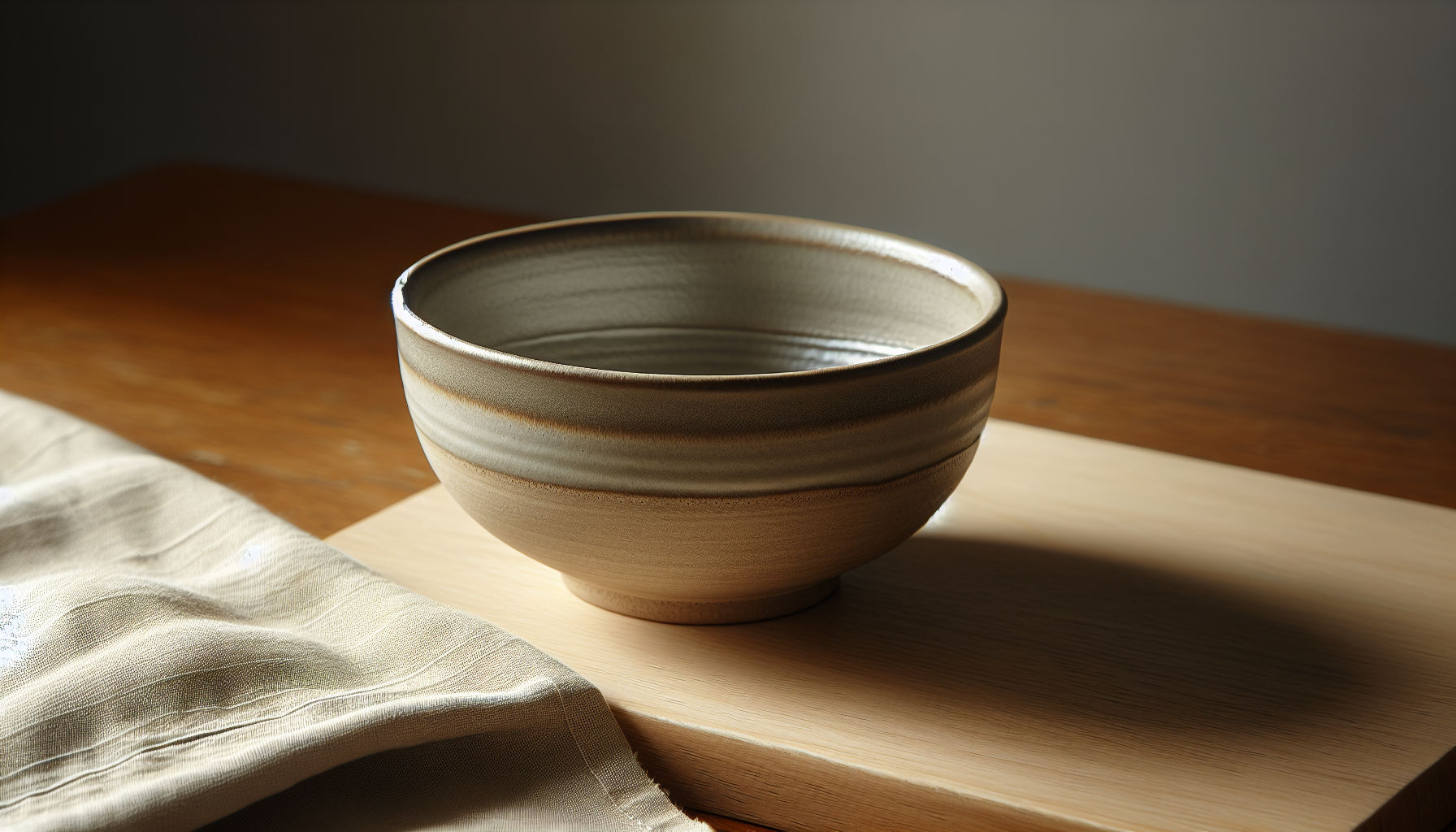
Have you ever noticed a space that feels both uncluttered and cozy at the same time, and wondered what gives it that calm, welcoming energy?
How Japandi Balances Simplicity and Warmth
Japandi blends Japanese and Scandinavian design philosophies into a cohesive aesthetic that values simplicity, functionality, and comfort. You’ll find it peaceful because it intentionally pares down visual noise while layering natural warmth, texture, and human-centered details.
What Japandi Is — at a Glance
Japandi is a hybrid design style that combines Japanese minimalism with Scandinavian warmth and functionality. It’s not a strict set of rules but a set of guiding principles that you can adapt to your tastes, space, and lifestyle.
Why It Resonates With You
You’ll find Japandi comforting because it honors restraint without feeling cold. It focuses on quality over quantity, natural materials, and purposeful details that make a space feel lived-in and restful.
Origins and Influences
Understanding the roots of Japandi helps you apply its principles with intention rather than imitation.
Japanese Design Roots
Japanese design brings a refined minimalism, respect for craftsmanship, and the aesthetic of wabi-sabi — the beauty of imperfection. These aspects encourage you to value simple forms, negative space, and objects that age gracefully.
Scandinavian Design Roots
Scandinavian design contributes hygge-like warmth, utility, and a focus on light and textiles. Scandinavian interiors often emphasize functionality, comfort, and cheerful practicality, which helps you make spaces inviting without clutter.
How the Two Traditions Complement Each Other
When you combine Japanese restraint with Scandinavian warmth, the result is a balanced environment: minimal shapes and layouts softened by tactile materials and cozy accents. You’ll find this blend supports slow living and mental clarity.
Core Principles of Japandi
These guiding principles will help you translate the aesthetic into practical choices for your home.
Simplicity and Function
Simplicity in Japandi isn’t about austerity — it’s about removing what doesn’t serve a purpose. You’ll aim for functional furniture and layouts that make daily life easier without unnecessary ornamentation.
Quality Over Quantity
Focus on fewer pieces that are well-made. Choosing durable, timeless items means your choices age well and require less frequent replacement, which aligns with sustainable values.
Natural Materials and Tones
Wood, stone, clay, and linen are staples. These materials add warmth and tactile interest while supporting the natural color palettes that define Japandi.
Clean Lines and Soft Edges
Design elements will be mostly simple, with clean silhouettes that avoid ornate detailing. Rounded edges or subtle curves can soften the overall look and make it feel more inviting.
Mindful Imperfection (Wabi-Sabi)
Accept irregularities as part of an object’s character. Handcrafted ceramics with subtle glazing variations or slightly uneven wood grain become focal points that tell a story.
Color Palette: Neutral with Warm Accents
Color plays a major role in how simple and warm an environment feels. Japandi favors restrained palettes that you can layer.
Base Tones: Muted Neutrals
You’ll typically start with neutral bases like warm white, soft beige, light gray, and muted taupe. These shades support a calm backdrop and reflect natural light effectively.
Accent Tones: Earthy and Deep
Accent colors come from nature: deep greens, muted blues, ochre, terracotta, and charcoal. Use them sparingly to anchor a space and provide visual interest.
Contrast and Balance
High contrast isn’t the goal. Instead, you’ll create subtle contrast through texture and tone, keeping the overall sensation gentle and balanced.
Materials and Textures
Materials are how Japandi achieves warmth without clutter. They add depth and sensory pleasure.
Wood: Warmth and Structure
Light woods like ash, oak, and beech (from Scandinavian influence) combine with darker, sometimes more refined woods like walnut (reflecting Japanese sensibilities). The key is natural grain and matte finishes.
Stone and Ceramics: Grounding Elements
Stone countertops, clay pottery, and ceramic vases add weight and permanence. They help anchor the softer, lighter elements in the room.
Textiles: Softness and Coziness
Wool, linen, cotton, and mohair are common. You’ll layer textiles through rugs, cushions, throws, and curtains to add tactile comfort and visual warmth.
Metal and Glass: Minimal Accents
Blackened steel, brass, or muted metals are used sparingly for detailing such as lighting fixtures or hardware. Glass provides clarity and lightness without imposing on the overall warmth.
Furniture: Minimal, Functional, and Comfortable
Your furniture choices determine whether your space feels inviting or austere. Japandi favors refined utility.
Low-Profile, Clean Designs
You’ll see low sofas, simple wooden frames, and furniture that emphasizes horizontal lines. The low profile creates a restful posture in the room.
Multi-Function and Thoughtful Proportions
Choose pieces that serve multiple functions or are designed for comfort and utility — a bench with hidden storage or a coffee table with a tray shelf. Proportions should be human-scaled and uncluttered.
Craftsmanship and Natural Finishes
Hand-finished surfaces and visible joinery emphasize quality. Avoid glossy lacquer or overly ornate pieces; instead pick furniture that highlights material honesty.
Layout and Spatial Organization
How you arrange furniture and define zones shapes both the perceived simplicity and the feeling of warmth.
Negative Space Is Intentional
You’ll leave breathing room around furniture to let each piece stand out. Negative space helps your eye rest and supports a calm atmosphere.
Clear Sightlines
Keep sightlines open and avoid blocking windows or walkways. Open layouts with purposeful groupings support both social interaction and personal relaxation.
Balance and Proportion
Distribute visual weight evenly. If you have a substantial wooden sofa, balance it with lighter textiles and smaller accents across from it.
Lighting: Soft, Layered, and Natural
Lighting is crucial for warmth. It’s where function and mood converge.
Prioritize Natural Light
Let daylight be the primary source whenever possible. Use sheer curtains or no curtains in areas where privacy isn’t compromised to maximize natural light.
Layered Lighting
Combine ambient overhead lights, task lamps, and accent or mood lighting. You’ll want soft, warm bulbs rather than harsh, cool-toned light.
Dimmer Controls and Directional Light
Install dimmers and adjustable lamps so you can tune the atmosphere for reading, conversation, or relaxation.
Textiles and Soft Furnishings
Textiles are your primary tool for warmth and comfort in Japandi.
Rugs: Natural Fibers and Subtle Patterns
Large area rugs in jute, wool, or flatweave anchor spaces and add texture. Opt for muted patterns or tonal variations rather than bold graphics.
Throws and Cushions: Layered Comfort
Layer cushions and throws in complementary textures. Keep patterns minimal and colors harmonious to maintain the calm aesthetic.
Curtains and Bedding: Breathable Fabrics
Linen or cotton curtains and bedding promote a relaxed, lived-in feeling. You’ll choose soft drapes that filter light rather than block it aggressively.
Plants and Natural Layers
Bringing nature indoors adds life and a calming rhythm to your space.
Plants as Living Sculptures
You’ll use plants sparingly and intentionally. A tall potted plant or a few bonsai and succulents can provide structure and freshness.
Organic Objects and Seasonal Changes
Rotate vases with seasonal branches, dried flowers, or simple fruit bowls to keep the space connected to natural cycles.
Biophilic Benefits
Plants improve air quality and contribute to psychological well-being, reinforcing the peaceful feeling that Japandi aims to create.
Sensory Considerations: Sound, Smell, and Touch
Japandi is not just about what you see — it’s about how a space feels overall.
Sound: Calm Background Noise
Soft background sounds, like a quiet radio or a small fountain, can enhance calm. Avoid echoing rooms by using rugs and textiles to absorb sound.
Scent: Subtle and Natural
Use subtle scents like cedar, green tea, or unscented soy candles. Strong perfumes or chemical smells clash with the understated aesthetic.
Touch: Tactile Layers
You’ll prioritize tactile variety — smooth ceramic, warm wood, crisp linen, and soft wool — to make the space feel lived-in and comforting.
Achieving the Balance: Practical Strategies
Here are concrete ways you can achieve the simplicity-warmth balance in your home.
Start With a Neutral Base
Paint walls in warm neutrals and select foundational furniture in natural wood or muted tones. This gives you the flexibility to layer textures and accents.
Reduce Visual Clutter, Not Necessities
Keep surfaces clear of excess items but allow carefully chosen objects that bring joy or utility. Let each object earn its place.
Combine Minimal Forms With Tactile Surfaces
Pair simple furniture silhouettes with textured materials. For example, a simple wooden bench paired with a wool throw creates visual contrast and comfort.
Accent With Handcrafted Pieces
Introduce handcrafted ceramics, woven baskets, or artisan-made textiles to add personality and human touch without overcrowding the space.
Edit Regularly
You’ll reassess what you own and keep only items that are useful, beautiful, or emotionally meaningful. Periodic editing prevents accumulation that undermines the style.
Room-by-Room Recommendations
Practical, actionable advice for making each room feel authentically Japandi.
Living Room
Create a quiet seating area with a low sofa, a simple coffee table, and a large rug to ground the space. Use a few accents like a ceramic vase or a wooden tray to keep the scene intentional and calm.
Bedroom
Prioritize a comfortable bed with high-quality linens and minimal headboard. Keep bedside tables simple, with one lamp, a book, and perhaps a plant or ceramic cup for water.
Kitchen and Dining
Select functional, durable surfaces and simple cabinetry. Use open shelving sparingly for curated dishware and wooden utensils. A wooden dining table with clean lines and comfortable seating invites communal warmth.
Bathroom
Focus on natural stone, wood accents, and soft towels. A small shelf for curated toiletries and a simple plant can make the bathroom feel spa-like and integrated with the rest of the home.
Entryway
Keep the entry functional with a bench or small shoe storage, a wooden tray for keys, and a mirror. Make it welcoming without being cluttered so you feel calm as soon as you come home.
Common Mistakes and How to Avoid Them
Avoid pitfalls that make a space feel sterile, chaotic, or contrived.
Mistake: Too Much Empty Space
Too much empty space can feel cold or uninviting. Balance negative space with texture and a few meaningful objects.
Mistake: Over-Decorating With Trends
Avoid piling on trendy items that don’t fit your lifestyle or the overall aesthetic. Japandi values longevity over immediate trends.
Mistake: Relying Only on Color for Interest
Color alone won’t provide depth. Prioritize texture, materials, and form to create a layered, warm environment.
Mistake: Using Harsh Lighting
Skip cool, overbright bulbs. Instead choose warm-toned lighting and multiple layers to create comfort.
Mixing Old and New: Curating Timelessness
You don’t have to buy everything new to achieve Japandi; blending old and new adds authenticity.
Pair Heirlooms With Minimal Frames
A vintage wooden chest or an old woven textile can find new life when paired with modern, minimalist furniture. You’ll emphasize their history while keeping the overall look restrained.
Refinish Instead of Replace
Sanding and oiling an older wooden table can bring it in line with Japandi’s natural aesthetic without losing character.
Curate, Don’t Overload
Introduce each older item intentionally, so it becomes a point of connection rather than visual noise.
Maintenance and Longevity
Japandi favors durable, natural materials that reward care. Maintaining them keeps your space feeling purposeful.
Wood Care
Use natural oils and avoid abrasive cleaners. Treat wood gently and address spills quickly to preserve finish.
Textile Maintenance
Shake out rugs and cushions, rotate them periodically, and follow care instructions for linen and wool. Spot-clean when needed and schedule deep cleaning when appropriate.
Preventive Practices
Use coasters, felt pads under furniture, and avoid placing items in direct sunlight to slow wear and fading.
Budgeting and Shopping Tips
You don’t need a big budget to create a Japandi interior. Thoughtful decisions matter more than price tags.
Prioritize Investment Pieces
Invest in the essentials: a sofa, a dining table, and a good bed. These pieces will set the tone and serve you for years.
Mix High and Low
Pair an investment wooden table with affordable, simple ceramics and budget-friendly textiles. Thrift shops and local artisans often have unique pieces that align with Japandi values.
Buy Slowly and Intentionally
You’ll get the best results by gradually assembling your space, selecting each piece with care rather than buying everything at once.
Small Projects You Can Start Today
Simple actions that make immediate improvements and reinforce the Japandi ethos.
Declutter a Surface
Pick one surface — a coffee table, countertop, or shelf — and reduce non-essential items to create an immediate sense of calm.
Add One Natural Textile
Introduce a woven rug or linen throw to a room to instantly increase warmth and tactile interest.
Curate a Small Vignette
Create a small grouping of a handcrafted vase, a stack of simple books, and a plant on a shelf to add personality without clutter.
Quick Comparison Table: Japanese vs Scandinavian Traits
This table helps you decide which elements to emphasize when tailoring Japandi to your space.
| Design Area | Japanese Traits | Scandinavian Traits | How You Use Both |
|---|---|---|---|
| Form | Minimal, refined, low-profile | Clean, functional, sometimes playful | Use simple forms with functional comfort |
| Materials | Dark woods, bamboo, paper, ceramics | Light woods, wool, sheepskin, glass | Mix light and dark woods; layer textiles |
| Color | Muted, earthy, restrained | Light neutrals, pastel accents | Neutral base with earthy accent tones |
| Ornament | Wabi-sabi, handcrafted details | Hygge, cozy accessories | Handcrafted objects + soft textiles |
| Layout | Negative space, meditative | Open, bright, social | Keep sightlines open with cozy zones |
Practical Checklist for Creating a Japandi Room
Use this checklist as you plan or edit a room.
- Start with a neutral wall color and maximize natural light.
- Choose one or two quality furniture pieces as anchors.
- Layer natural textiles (rug, throws, cushions).
- Add a single large plant or a few curated small plants.
- Introduce handcrafted ceramics or wood objects.
- Keep surfaces mostly clear; allow negative space.
- Use warm-toned lighting with dimmers.
- Maintain balance between light and dark wood tones.
- Edit regularly and keep only meaningful items.
Final Thoughts
Japandi succeeds because it answers a modern need: you want clarity and calm without sacrificing warmth and personality. By blending Japanese respect for restraint with Scandinavian comfort and functionality, you can create spaces that feel purposeful, intimate, and timeless. Apply the principles gradually, make thoughtful edits, and choose materials and objects that support the kind of life you want to lead — calm, comfortable, and beautifully simple.
If you’d like, I can help you create a room layout plan, recommend specific furniture pieces that fit Japandi principles, or suggest a shopping list based on your budget and room dimensions.