
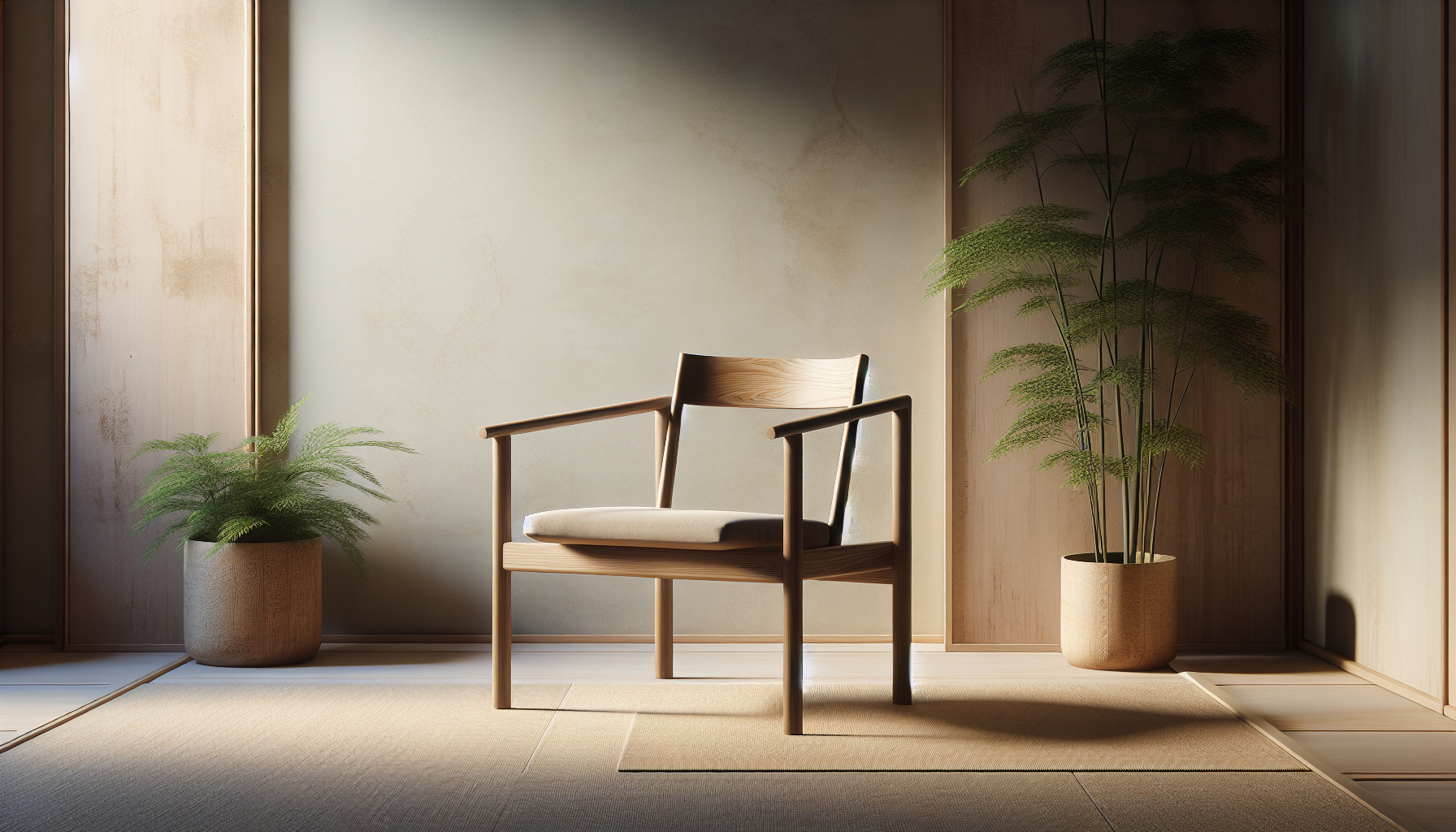
Have you ever wondered how the design choices in your living space can influence the environment? It’s fascinating to see how certain styles, like Japandi, can help create a more sustainable world while keeping our homes stylish and functional. Let’s take a closer look at Japandi design and how it contributes to reducing environmental impact.
What is Japandi Design?
Japandi style is a blend of Japanese and Scandinavian design philosophies, combining the best elements of both traditions. It reflects simplicity, natural materials, and an appreciation for craftsmanship while promoting a minimalist aesthetic. This harmonious fusion results in a space that feels both calming and inviting.
The Essentials of Japandi Style
At its core, Japandi design focuses on a few key principles:
-
Simplicity and Minimalism: By emphasizing what’s essential, Japandi encourages you to eliminate clutter. The idea is to create a peaceful refuge that fosters mindfulness and tranquility.
-
Natural Materials: Japandi often incorporates wood, bamboo, and stone, which not only add warmth but also have a lower environmental footprint compared to synthetic materials.
-
Craftsmanship: Prioritizing handmade and artisanal pieces supports sustainable practices and reduces mass production waste.
-
Functionality: Each piece in a Japandi space serves a purpose, avoiding the environmental burden of superfluous items.
By integrating these principles into your home, you’re not just creating an aesthetically pleasing environment but also fostering sustainability.
The Environmental Benefits of Japandi Design
You might be curious how the principles of Japandi specifically contribute to reducing environmental impact. Let’s break down some of these significant benefits.
1. Promoting Minimalism and Reducing Waste
In a world filled with excessive consumerism, Japandi’s minimalist approach plays a pivotal role in waste reduction. By valuing quality over quantity, you’re inclined to invest in fewer, high-quality items that last longer.
Benefits of Minimalism:
- Less Interference with Nature: Fewer items mean fewer resources are extracted from the environment.
- Easier to Maintain: A minimalist space is generally easier to clean and maintain, causing less wear and tear over time.
2. Emphasizing Sustainable Materials
Japandi design heavily uses sustainable materials that promote environmental well-being. Wood from responsibly managed forests, organic textiles, and natural fibers are common staples. This conscious choice reduces your carbon footprint by minimizing energy-intensive production processes.
Types of Sustainable Materials:
| Material | Description | Environmental Impact |
|---|---|---|
| Bamboo | Fast-growing, renewable plant | Low carbon footprint |
| Reclaimed Wood | Salvaged from old buildings or furniture | Reduces deforestation |
| Organic Cotton | Grown without harmful chemicals | Minimizes water pollution |
| Wool | A natural fiber that’s biodegradable | Reduces reliance on synthetic fabrics |
3. Encouraging Local Production
Japandi style often champions local artisans and craftspeople, which not only infuses your home with unique character but also supports the local economy. By sourcing items locally, you limit transportation emissions, thus mitigating the overall environmental impact.
Benefits of Local Artisanship:
- Lower Carbon Footprint: Local products typically travel less distance, reducing fuel consumption.
- Unique Aesthetic: Handmade goods often carry a unique quality that mass-produced items lack.
4. Fostering Indoor Air Quality
The materials used in Japandi design contribute to better indoor air quality, essential for your health and well-being. Natural materials like wood and cotton are less likely to emit volatile organic compounds (VOCs), which can be harmful to both you and the environment.
5. Flexible and Timeless Design
Another striking aspect of Japandi is its timelessness. By choosing classic designs that outlast fleeting trends, you won’t feel the need to frequently update your space. This not only saves you money but also lessens the environmental impact associated with continually purchasing new items.
Implications of Timeless Design:
- Reduces Waste: Fewer remodels and updates mean less waste generated.
- Sustained Value: High-quality, timeless pieces can retain their value over the years.
6. Energy Efficiency
Japandi design often incorporates energy-efficient solutions that align with environmental sustainability. Natural lighting, thoughtful space planning, and low-energy lighting fixtures contribute to lower energy consumption in your home.
Key Energy Efficiency Tips:
| Tip | Description |
|---|---|
| Use Natural Light | Install larger windows to maximize daylight. |
| Low-Energy Bulbs | Replace traditional bulbs with LED options. |
| Smart Thermostats | Control heating and cooling efficiently. |
7. Connection to Nature
Japandi emphasizes the importance of connecting with nature. By incorporating plants and natural elements into your home, you not only enhance the aesthetic but also create a soothing environment that has beneficial effects on your mental health.
Benefits of Indoor Plants:
- Improved Air Quality: Plants naturally filter pollutants.
- Enhanced Mood: A connection to nature reduces stress and promotes relaxation.
Embracing Japandi Design in Your Home
Now that you’re familiar with how Japandi design contributes to reduced environmental impact, you might wonder how to incorporate these principles into your own living space. Here are a few practical tips.
1. Declutter Your Space
Begin with the essentials: declutter your home by removing items that no longer serve a purpose. Focus on quality pieces that bring you joy and value.
2. Invest in Sustainable Furnishings
When selecting furniture, prioritize sustainable materials and craftsmanship. Look for items made from reclaimed wood or bamboo, and choose natural fabrics for upholstery and textiles.
3. Foster Local Artisanship
Support local artisans by purchasing handmade items. Not only are you securing unique pieces for your home, but you’re also contributing to the local economy and reducing transportation emissions.
4. Maximize Natural Lighting
Consider light colors for walls and furnishings to reflect natural light. Use sheer curtains and strategically placed mirrors to enhance brightness in your space.
5. Incorporate Nature
Introduce plants to your home to enhance air quality and boost your mood. Choose low-maintenance options like succulents if you’re new to plant care.
6. Commit to Timelessness
Choose designs that resonate with you personally and have a timeless appeal. Opt for styles that won’t feel outdated in a few years, thus promoting longevity in your choices.
7. Regular Maintenance
Adopt a regular maintenance routine for your furniture and fixtures to prolong their lifespan. Take care of your items, and they’ll take care of you in return!
A Sustainable Future with Japandi Design
It’s clear that Japandi design principles can contribute positively towards creating a more sustainable living environment. By embracing minimalism, sustainable materials, and local craftsmanship, you play a crucial role in reducing your environmental impact.
The Bigger Picture
As you adopt Japandi in your own space, remember that you’re part of a larger movement towards sustainability. Every small decision contributes to a more significant effort to protect our planet, preserving it for future generations.
Conclusion
Understanding how design styles like Japandi can reduce environmental impact empowers you to make conscious choices. By incorporating these values into your home, you’re not merely creating a stylish and serene environment but also taking active steps towards a sustainable lifestyle. Your home can reflect a commitment to both functionality and the environment—making a positive statement for both you and the planet.
So, as you sit back and admire your beautifully curated Japandi space, know that you’re contributing to a more sustainable future. Your choices matter, and together, we can create a healthier world.