
Have you wondered how Japandi aligns with biophilic architecture and what that means for your living space?
How does Japandi align with biophilic architecture?
This article explains how Japandi and biophilic architecture intersect, so you can apply both sensibly in your home or workspace. You’ll learn guiding principles, practical strategies, room-by-room tips, and helpful checklists to turn your environment into a calm, healthy, and nature-connected sanctuary.
What is Japandi?
Japandi is a hybrid design style that combines Japanese minimalism with Scandinavian warmth and functionality. It values simplicity, craftsmanship, natural materials, reduced clutter, and a calm aesthetic that supports everyday living.
Origins and philosophy
Japandi draws from Japanese wabi-sabi—an appreciation of imperfection and transience—and Scandinavian hygge, which emphasizes comfort and well-being. You’ll find the philosophy encourages restraint, meaningful objects, and a focus on how spaces make you feel.
Key principles of Japandi
Japandi emphasizes neutral palettes, natural textures, clean lines, functional furniture, and thoughtful craftsmanship. You’ll notice spaces that feel serene, balanced, and intentionally curated rather than overly decorated.
What is biophilic architecture?
Biophilic architecture is an approach to design that intentionally connects people with nature to enhance well-being. It incorporates natural elements, sensory experiences, and spatial arrangements that mimic the patterns and processes of the natural world.
Origins and evidence base
The concept comes from biophilia—the innate human attraction to nature—and has strong scientific backing showing benefits for mental and physical health. You’ll find that research links biophilic design with reduced stress, improved mood, faster recovery, and increased productivity.
Key principles of biophilic design
Biophilic design includes direct elements like plants and water, indirect elements like natural materials and patterns, and experiential aspects like daylight, views, and spatial variety. You’ll see a focus on multisensory experiences, natural light, ventilation, and fostering a connection to outdoor spaces.
Where Japandi and Biophilic Architecture Overlap
Japandi and biophilic architecture share many values and techniques, making them highly compatible. You’ll notice shared emphasis on natural materials, light, craftsmanship, and creating a calming environment that supports human needs.
Natural materials and textures
Both approaches prioritize wood, stone, clay, and natural fibers to create tactile, warm interiors. Using these materials helps you bring nature’s texture and warmth indoors while grounding the space visually and physically.
Neutral color palettes inspired by nature
Japandi uses muted, earthy tones—soft greys, warm beiges, pale greens—that mirror natural landscapes. You’ll find these palettes create a soothing backdrop that complements biophilic strategies like plantings and natural light.
Minimalism that highlights nature
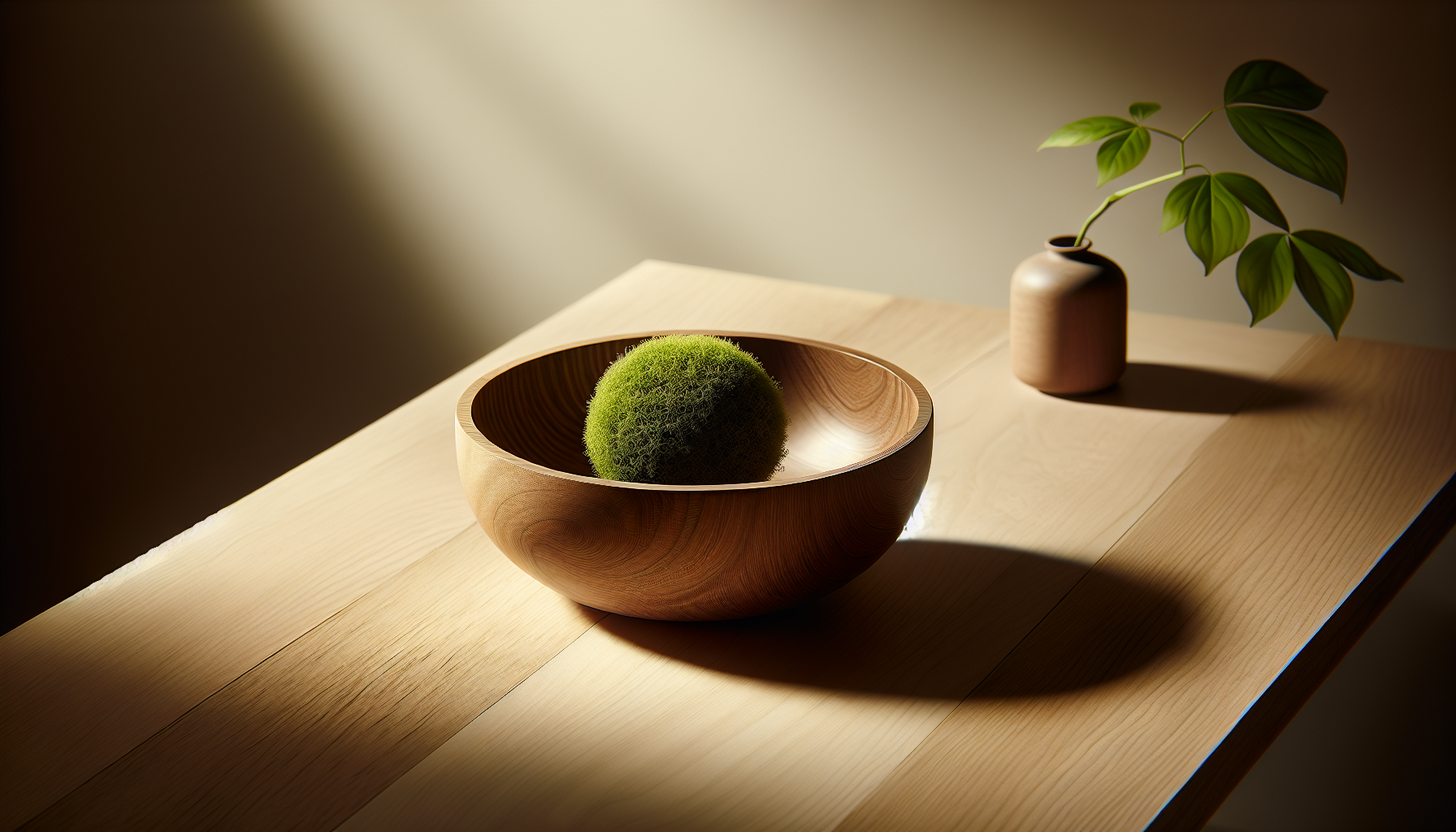
The minimalism of Japandi reduces visual clutter and allows natural elements to become focal points. When you keep decor restrained, a single well-placed plant, piece of driftwood, or a bakery-grade ceramic bowl can carry real visual and emotional weight.
Indoor-outdoor connection and views to nature
Both design philosophies emphasize visual and physical connections to the outdoors. You can use large windows, sliding doors, or framed views to bring in the rhythm of changing weather and seasonal light.
Natural light and daylighting
Daylight is central to both traditions; it highlights materials, shifts through the day, and supports circadian rhythms. Use unobstructed windows, light wells, and reflective surfaces to maximize daylight without glare.
Organic forms and asymmetry
Japandi’s wabi-sabi tendency toward imperfect forms complements biophilic interest in organic, non-linear patterns. Allow curved furniture, irregular ceramics, and handmade finishes to add a natural, human touch.
Sensory engagement and tactile richness
Both approaches value multisensory experiences—wood grain under your palm, the smell of clay, the sound of water, or the rustle of plants. You’ll create richer environments when tactile and auditory elements are intentionally included.
Craftsmanship and human scale
Handmade objects and visible joins are celebrated in Japandi and add authenticity that biophilic design supports as a link to natural processes. You’ll prefer items crafted at a human scale that feel approachable and durable.
Sustainable and low-impact materials
Sustainability is a core concern for both styles, from local sourcing to using reclaimed or FSC-certified woods. You’ll reduce environmental impact and create healthier indoor air quality by choosing low-VOC finishes and responsibly harvested materials.
Table: Quick comparison of Japandi and biophilic features
| Design Aspect | Japandi Focus | Biophilic Focus | How They Complement |
|---|---|---|---|
| Materials | Natural woods, ceramics, linen | Natural materials, textures | Both emphasize tactile, low-impact materials |
| Color | Muted, earthy neutrals | Nature-inspired palettes | Shared calming visual language |
| Light | Soft, diffused daylight | Maximizing daylight & circadian support | Daylight enhances materials and well-being |
| Layout | Minimal, functional | Views, sightlines, spatial variety | Minimalism highlights natural elements |
| Ornament | Sparse, meaningful objects | Patterns mimicking nature | Subtle biomimicry supports calm |
| Plants | Decorative, considered | Direct nature element | Plants add life and improve air |
| Craftsmanship | Handmade, imperfect | Natural processes & authenticity | Human-scale craft fosters connection |
| Sustainability | Durable, long-lasting pieces | Low-impact, local materials | Shared environmental ethic |
Practical strategies to combine Japandi with biophilic architecture in your home
You can merge Japandi aesthetics with biophilic principles by making intentional choices about materials, light, and layout. The following actionable strategies will help you create a space that feels both minimal and naturally alive.
Choosing materials and finishes
Prioritize untreated or lightly finished woods, natural stone, clay, and textured plaster in your interiors. You’ll want materials that age beautifully and show natural variation rather than high-gloss or synthetic surfaces.
Lighting and daylight strategies
Position furniture to take advantage of natural light and use sheer or adjustable window coverings to reduce glare while preserving softness. You can layer lighting with warm, dimmable fixtures that mimic the color temperature changes of daylight.
Using plants effectively
Select plants with architectural shapes and appropriate sizes for your space, and use containers that match your Japandi aesthetic—simple, unglazed ceramics, woven baskets, or hand-finished pots. You’ll want to balance a restrained number of statement plants with smaller accents rather than creating clutter.
Furniture and layout
Choose low, functional furniture with clean lines and organic proportions that encourage relaxation and social interaction. A balanced layout with generous sightlines, pathways for natural light, and designated zones will reinforce calm and usability.
Textiles, pattern and tactile elements
Integrate natural textiles like wool, linen, and cotton in neutral tones to add warmth and softness. You’ll benefit from subtle patterns inspired by nature—like linen slubs, soft stripes, or handwoven textures—rather than bold prints.
Water features and soundscapes
Introduce sound by using quiet water elements such as a small tabletop fountain or a gentle waterfall wall if space allows. You can also use natural soundtracks (wind chimes, bird recordings) carefully to support relaxation without being intrusive.
Views, frames, and sightlines
Frame views with simple window treatments and orient seating toward outdoor focal points when possible. Even a framed indoor planting or a small courtyard can act as a living picture that anchors the room.
Indoor air quality and ventilation
Use plants, natural materials, and mechanical ventilation systems with good filtration to maintain healthy indoor air quality. Choosing low-VOC paints and breathable finishes supports both your health and the longevity of materials.
Table: Materials, benefits, and recommended uses
| Material | Biophilic Benefit | Recommended Use | Maintenance Tips |
|---|---|---|---|
| Oak or ash (untreated) | Warm, tactile grain; ages well | Flooring, parquets, furniture | Oil periodically; avoid harsh cleaners |
| Bamboo | Fast-growing, renewable; linear pattern | Flooring, screens, furniture | Keep dry; seal edges to prevent swelling |
| Clay/terracotta | Breathable, earthy warmth | Tiles, planters, wall finishes | Avoid freeze-thaw; seal in wet areas |
| Natural stone (limestone, slate) | Thermal mass, texture | Countertops, flooring, hearths | Use appropriate sealant; regular cleaning |
| Linen, wool | Breathable, tactile, insulating | Curtains, throws, rugs | Air out rugs; gentle wash for textiles |
| Cork | Soft underfoot, renewable | Flooring, pinboards, acoustic panels | Dust and vacuum; avoid heavy water exposure |
| Reclaimed wood | Storytelling, low embodied energy | Shelves, beams, furniture | Inspect for pests; light sanding & sealing |
| Low-VOC paint | Healthier indoor air | Walls, ceilings | Choose breathable options to avoid off-gassing |
Practical checklist for implementing Japandi + biophilic design
| Action | Why it matters | How to start |
|---|---|---|
| Audit existing items | Remove visual clutter and prioritize durable pieces | Keep items that are functional, beautiful, and meaningful |
| Maximize daylight | Natural light supports mood and circadian health | Rearrange seating and thin window dressings |
| Add 2–4 architectural plants | Plants improve air and focal interest without clutter | Choose plants with structure: ficus, rubber plant, snake plant |
| Select one statement natural material | Creates cohesion and authenticity | Use stone or wood for a focal wall or floor |
| Balance textures | Keeps minimalism warm and tactile | Mix smooth surfaces with woven or rough textures |
| Invest in craftsmanship | Long-lasting pieces support sustainability | Source locally made furniture or small-batch makers |
| Use warm, dimmable lighting | Mimics natural day-night rhythms | Register lamps with dimmers and use warm color temps |
| Ensure ventilation & air quality | Health foundation for biophilia | Check HVAC, add mechanical ventilation or air-cleaning plants |
Room-by-room recommendations
You’ll get the biggest benefits when you match Japandi and biophilic choices to the specific needs of each room. Below are practical, room-focused tips to guide your decisions.
Living room
Create a calm gathering space with streamlined seating, a tactile rug, and one or two large plants to anchor the room. Position seating to face windows or a garden view, and use simple shelving to display meaningful objects rather than clutter.
Kitchen
Use durable natural surfaces like stone countertops and wooden cabinetry in clean lines for a kitchen that feels both warm and utilitarian. You’ll also benefit from a small herb garden on the sill or a vertical planter for fresh aroma and practical use.
Bedroom
Prioritize sleep-supportive elements: neutral colors, soft textiles, and blackout options with layered daylight control. Introduce a low-profile wooden bed, natural fiber bedding, and a small plant to improve air quality and give a gentle natural presence.
Bathroom
Choose water-tolerant natural materials like stone, clay tiles, and untreated wood accents to create a spa-like atmosphere. Incorporate plants suited to humidity—ferns, spider plants, or pothos—and design for daylight and ventilation where possible.
Home office
Incorporate task lighting with warm tones, a comfortable ergonomic chair, and a desk near a window for connection to outdoor views. Keep the desk surface minimal and add a small plant or natural object to reduce stress and improve focus.
Outdoor and transitional spaces
Extend Japandi aesthetics to patios, balconies, and entryways with simple seating, durable textiles, and potted trees or bamboo screens. You’ll reinforce the indoor-outdoor relationship and provide smooth transitions between interior and exterior.
Common challenges and how to solve them
Combining minimal Japandi aesthetics with the abundance inherent in biophilic design can feel challenging, but practical strategies make it manageable. Address common issues proactively to maintain both your aesthetic and your plants’ health.
Balancing minimalism and lushness
Keep plant numbers selective and choose structural or sculptural plants rather than many small pots. You can use groupings of similar plants in a defined area instead of scattering them throughout the home.
Maintenance and plant care
Pick low-maintenance species and design for accessibility so watering and pruning aren’t a chore. Consider self-watering planters, drip systems, or hiring a plant-care service if you travel or have limited time.
Budget and sourcing sustainable materials
Prioritize investments where they make the biggest impact: flooring, major furniture, or window treatments. Use secondhand markets for accessories and consider reclaim or locally milled woods to keep costs lower and sustainability higher.
Small spaces and maximizing natural elements
Use mirrors to amplify daylight and create framed views with plants or natural objects that don’t take up much floor space. Vertical planting, narrow consoles, and multipurpose furniture help you keep the minimal Japandi aesthetic while adding biophilic elements.
Benefits for health and well-being
You’ll see measurable benefits when you combine Japandi calm with biophilic connections to nature. These advantages extend across mental, physical, and cognitive dimensions.
Psychological benefits
Reduced visual clutter and natural cues lower stress and foster feelings of safety and calm. You’ll likely experience improved mood, better emotional regulation, and a stronger sense of home.
Physical benefits
Improved air quality from plants and low-VOC materials reduces pollutants and supports respiratory health. Additionally, better daylight exposure helps regulate sleep cycles and energy levels.
Productivity and cognitive benefits
Connection to nature and thoughtfully lit spaces increase concentration, creativity, and cognitive performance. You’ll often find tasks feel easier and more flow-oriented in spaces designed with biophilic principles.
Case studies and examples
Concrete examples can help you visualize how Japandi and biophilic design work together in real settings. The following scenarios show practical implementations for different lifestyles.
Example 1: Small apartment
In a small apartment, you’ll use a single natural-material focal wall, a low wooden sofa, one tall fiddle-leaf fig near a window, and light linen curtains to create airiness. Mirrors, warm lighting, and a woven rug complete the calm, nature-connected feel without crowding the space.
Example 2: Family home
A family home benefits from durable oak floors, a large communal table, child-friendly woven textiles, and a courtyard garden visible from the living room. You’ll combine storage that tucks away toys with a few robust indoor plants and breathable finishes for health and longevity.
Example 3: Workspace
A small office uses adjustable daylight lamps, a standing-sitting desk near a large window, acoustic cork panels, and a planter wall to improve focus and acoustics. You’ll cultivate a mix of functional furniture and natural elements for better productivity and well-being.
Materials and sourcing recommendations
When you choose materials, aim for transparency and low impact to support both the Japandi aesthetic and biophilic goals. Below are sourcing tips and recommendations you can use when making purchasing decisions.
- Prioritize certified wood (FSC, PEFC) and reclaimed materials to reduce embodied carbon.
- Choose low-VOC paints, finishes, and sealants to maintain healthy indoor air.
- Buy locally-crafted furniture and ceramics to reduce transport emissions and support craftsmanship.
- Select durable textiles that can be repaired or patched rather than disposed of.
- Consider lifecycle impacts (repairability, recyclability) when selecting appliances and furnishings.
Checklist for designing with Japandi + biophilic principles
- Remove unnecessary items and keep only functional, meaningful pieces.
- Identify a primary natural material for cohesion (e.g., oak, stone).
- Maximize daylight and maintain sightlines to the outdoors.
- Add 2–4 architectural plants and use simple, natural planters.
- Layer warm lighting and use dimmers to mimic natural rhythms.
- Incorporate tactile textiles—linen, wool, cotton—to soften minimalism.
- Use acoustic materials (cork, wool) to reduce noise stress.
- Prioritize air quality through ventilation and low-VOC materials.
Final considerations and next steps
If you’re ready to combine Japandi and biophilic design, begin with a single room and experiment with light, materials, and a few plants. You’ll learn quickly how small changes—better light control, one beautiful wooden table, and a well-placed plant—can transform your space into a healthier, more calming place to live or work.
If you want, you can tell me about a specific room or a photo of your space and I’ll suggest targeted layout, material, and plant choices to help you apply these principles right away.