
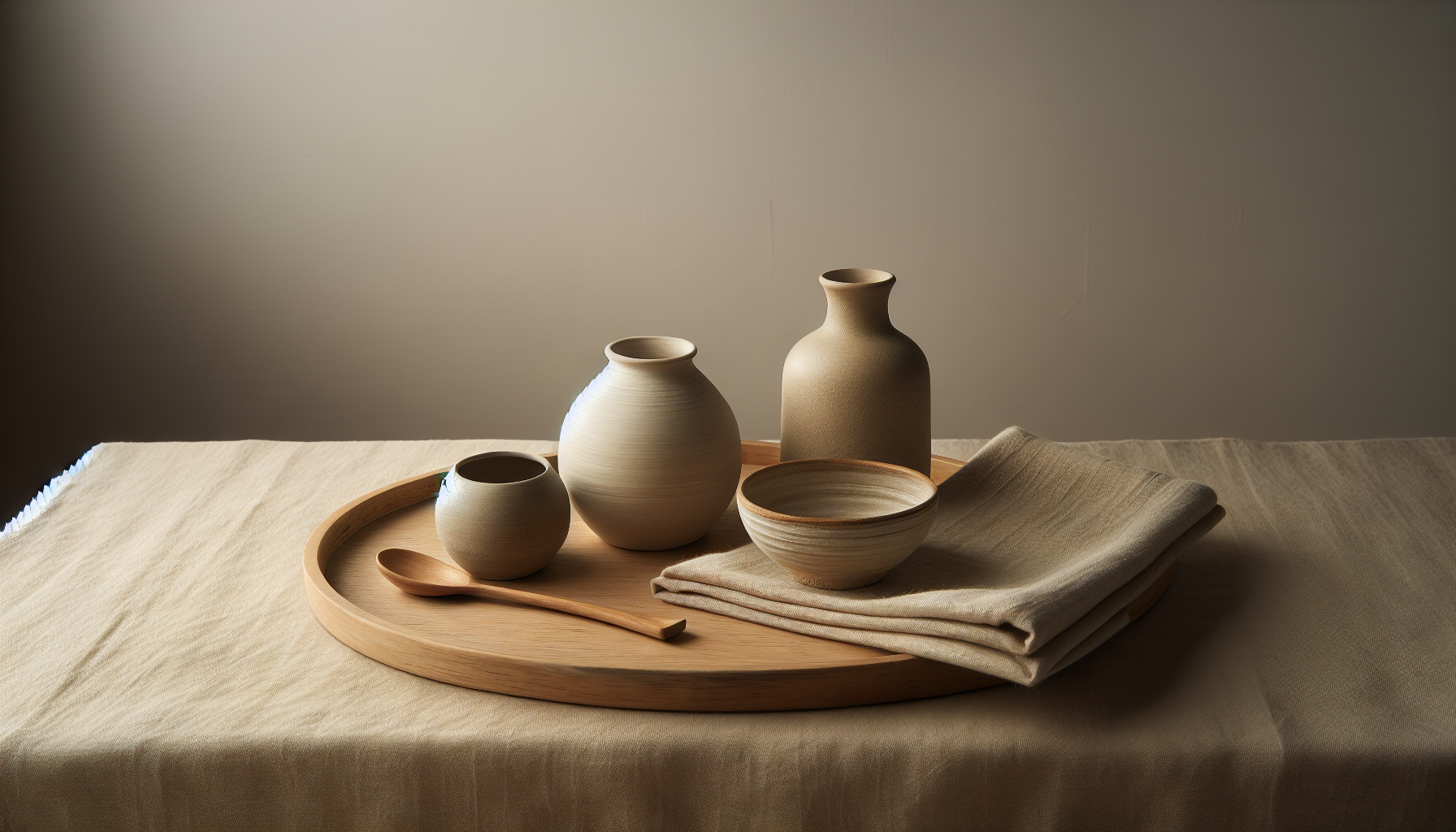
How can you create layered Japandi decor that feels warm and lived-in without tipping into clutter?
How do I layer decor in Japandi without clutter? Achieving balanced layers with calm minimalism
You’re aiming for that serene, intentional look that combines Japanese restraint and Scandinavian warmth. This article shows you how to layer thoughtfully—so every object contributes to calm minimalism rather than visual noise.
What is Japandi and why layering matters
Japandi blends Japanese wabi-sabi aesthetics with Scandinavian functionality and hygge. You’ll get the quiet simplicity of Japan paired with Scandinavian comfort, and layering is how you introduce warmth, texture, and personality without overwhelming the room.
Layering matters because it builds depth and coziness. By arranging a few well-chosen items across different visual planes and materials, you create a space that feels complete and calm rather than empty or cluttered.
Core principles to guide your layering
Keep your approach intentional, restrained, and textural. These principles will guide every decision you make when selecting furniture, textiles, and accessories.
- Intentionality: Choose items with purpose and meaning.
- Restraint: Less is more—prioritize quality over quantity.
- Contrast in texture: Use tactile variety to create interest while keeping visual calm.
- Harmony in palette: Limit colors to a cohesive, soothing range.
Understanding layers: what “layers” actually mean
Layers are visual and physical elements placed at different heights, distances, and textures. You’ll work with foundational layers (walls, floors, large furniture), middle layers (rugs, lighting, art), and surface layers (accessories, books, small ceramics).
Think of layering as composing a painting where foreground, middle ground, and background work together. Each level should support the others without competing for attention.
The Japandi color palette: calm, natural, and limited
Japandi relies on muted, natural tones that create a calming backdrop for texture. Your palette should prioritize neutrals, warm woods, and a few gentle accent colors.
| Color family | Tone guidance | How to use it |
|---|---|---|
| Neutrals | Warm off-whites, beige, soft greys | Walls, large furniture, textiles |
| Wood tones | Light to medium warm woods | Furniture, shelving, trim |
| Accent naturals | Olive, muted blue, rust | Small textiles, art, ceramics |
| Black accents | Deep charcoal or matte black | Frames, hardware, occasional contrast |
Keep saturation low and limit the number of true accent colors. This helps every layer feel purposeful.
Materials and textures: mixing tactility without chaos
A key to Japandi layering is combining a few complementary materials that contrast in tactile quality. You’ll want natural fibers, matte ceramics, and solid woods that feel grounded and cohesive.
- Wood: Choose steady, matte finishes that show grain without high gloss.
- Textiles: Use linen, wool, cotton, and simple weaves with subtle patterns.
- Ceramics and stone: Select matte or raw-glazed pieces for handcrafted warmth.
- Metal: Stick to muted metals like brushed brass or matte black for sparing accents.
Aim for 3–5 primary materials across the room to keep the palette harmonious while offering tactile variety.
Furniture selection: bigger pieces set the stage
Large items create the primary visual layers, so choose them with balance and proportion in mind. You’ll prioritize low-profile sofas, clean-lined storage, and minimal wood frames.
Guidelines for furniture:
- Emphasize horizontal lines and low silhouettes for calm.
- Choose multifunctional pieces to reduce the need for excessive accessories.
- Keep legs exposed where possible to maintain visual lightness and airiness.
A clear hierarchy of furniture establishes order and prevents decorative overload.
How to arrange furniture for layered depth
Arrange seating and shelving so there are clear spatial layers—foreground seating, middle-ground surfaces, and background storage or art. Leave breathing room around pieces to showcase each layer.
Spacing tips:
- Keep at least 30–45 cm (12–18 in) between seating and a coffee table.
- Allow 60–90 cm (24–36 in) circulation pathways in high-traffic areas.
- Avoid pushing everything to the walls; floating arrangements can create more depth.
Textiles: soft layers that add warmth
Textiles are key to making minimal spaces feel cozy. You’ll use rugs, throws, and cushions strategically to provide warmth without clutter.
Textile layering approach:
- One foundation rug, larger than the seating area, anchors the space.
- Add 1–3 cushions in varied textures and tones that remain within the same palette.
- Use a single throw folded neatly or draped casually to suggest comfort without mess.
Keep patterns subtle and limited to avoid visual busyness.
Rugs: grounding without overpowering
A rug defines zones and adds texture; choose one that’s understated and appropriately scaled. Natural fibers like jute, wool, or flatweave are ideal for Japandi.
Rug sizing reminders:
- Living room: rug should be large enough so front legs of all seating sit on it.
- Bedroom: extend rug at least 60–90 cm (2–3 ft) beyond the sides and foot of the bed.
- Dining: rug should allow chairs to remain on the rug when pulled out.
A single rug usually suffices—avoid layering too many floor coverings unless you intentionally want additional texture in a large space.
Art and wall decor: calm focal points
Art should be thoughtfully placed and limited to a few meaningful pieces. You’ll prefer simple, framed prints, muted abstract works, or a single large statement that fits the room’s proportions.
Placement tips:
- Hang art at eye level (about 145–150 cm / 57–60 in from floor to center).
- Use a single large piece or a small, carefully curated gallery of 2–3 pieces rather than many small frames.
- Choose frames with thin profiles in wood or matte black for subtlety.
Leave negative space around art to let it breathe and contribute to calm minimalism.
Lighting: layered and soft
Layer lighting in three layers—ambient, task, and accent—to create mood and function. Soft, warm bulbs and simple fixtures keep the space gentle and harmonious.
Lighting layers:
- Ambient: ceiling or pendant fixtures for overall light. Choose understated styles.
- Task: table lamps or floor lamps for reading and focused tasks.
- Accent: small wall sconces or directional lamps to highlight art or objects.
Dimmer switches help you adjust the mood and reduce cluttered visual impact.
Plants and greenery: bring life, not chaos
Plants add softness and life but should be used sparingly and intentionally. Choose sculptural plants that suit your light conditions and that have strong, simple silhouettes.
Plant layering tips:
- Use one or two larger plants for vertical interest and a couple of small plants on surfaces.
- Place plants in neutral pots or natural materials like clay or unglazed ceramic.
- Avoid many small plants that can create visual noise; pick fewer, healthier specimens.
Plants also improve air quality and add a living texture that complements wood and textiles.
Storage solutions: concealment as a design choice
Smart storage is essential to prevent clutter from accumulating on visible surfaces. You’ll want built-in or closed storage where possible and purposeful open shelving for curated display.
Storage strategies:
- Use low credenzas, simple cabinets, or tatami-style storage trunks to hide items.
- Keep open shelving minimal and reserved for curated objects and books.
- Use baskets and boxes in natural fibers for stashing small items while preserving aesthetics.
Declutter regularly so visible surfaces remain intentional and clear.
Styling surfaces: how to layer tabletop decor
When you style a coffee table, console, or shelf, think in threes and vary heights. You’ll build small vignettes that feel curated rather than cluttered.
A basic surface formula:
- Anchor with one medium object (a tray, bowl, or vase).
- Add one taller element (a book stack with a small ceramic on top or a slender vase).
- Complete with one low object (a small plant or candle).
Rotate objects seasonally and keep flat surfaces mostly clear to maintain calm minimalism.
Example tabletop vignette
- Ceramic tray (medium) — anchors the composition.
- Two stacked art books (base) — adds height and function.
- Small matte ceramic vase with a single branch — introduces life and subtle asymmetry.
- One small stone or candle — finishing low element that adds texture.
This arrangement balances height, texture, and negative space.
Shelving and book styling: curated, not crowded
Bookshelves can show personality without looking messy. You’ll combine books, objects, and small framed pieces with deliberate spacing.
Shelf styling tips:
- Arrange books both vertically and horizontally to create visual rhythm.
- Use a limited number of objects per shelf—aim for 3–5 items with breathing room.
- Group items by color or material to maintain cohesion.
Leave empty space between groups to help the eye rest.
Patterns and prints: keep them subtle and restrained
Patterns should be used sparingly and in small scale. You’ll gravitate towards organic, nature-inspired patterns or subtle geometric motifs.
Pattern hierarchy:
- Large areas (walls, sofas): solid or extremely subtle patterns.
- Medium areas (rugs, curtains): gentle patterns with low contrast.
- Small accents (cushions, throws): slightly bolder but still within the palette.
Repeating a pattern element in two places (e.g., cushion and art) can create harmony without clutter.
Scale and proportion: balance for visual calm
Proportion matters more than decoration. You’ll consider the scale of furniture, art, and accessories relative to the room size.
Scale guidelines:
- Match furniture scale to room proportions—avoid oversized pieces in small spaces.
- Use taller, slimmer objects to draw the eye upward in rooms with higher ceilings.
- Keep accessory sizes varied but within a consistent visual language.
Balanced proportions make layering feel deliberate rather than accidental.
Room-by-room layering: practical examples
You’ll get best results by applying the layering rules consistently in each room while adjusting for function and scale. Below are practical suggestions per space.
Living room
The living room is where layering creates warmth and social comfort. Use one anchoring rug, a low-profile sofa, a simple coffee table, and a curated console or shelving unit.
- Keep cushions to 2–4 that vary in texture but stay in the same color family.
- Add a single throw in a complementary tone, folded or gently draped.
- Place one large plant and one table lamp to balance vertical and surface layers.
Bedroom
In the bedroom, layering should enhance restfulness. Focus on bedding textures, bedside tables, and minimal decor.
- Use a neutral linen duvet, a textured throw at the foot, and up to three pillows.
- Keep bedside tables clear except for one lamp and one functional object, like a book or small tray.
- Consider a low bench or simple shelf for a single decorative object and practical storage.
Dining room
Let the dining area be clean and functional with simple accents. A runner, centerpiece, and a single piece of wall art are often enough.
- Centerpiece: a low ceramic bowl or a single vase with a branch.
- Lighting: a restrained pendant that sits over the table to create a focal layer.
- Storage: concealed sideboard for dishes and linens to keep surfaces clear.
Entryway
You’ll set the tone of the home in the entry. Keep it minimal with purposeful storage and one statement object.
- Use a low bench or console with a tray for essentials.
- Add a mirror or simple piece of art to provide depth and functionality.
- Include a small basket for dropped items, keeping the visible area tidy.
Kitchen and bathroom
These functional spaces need clear surfaces and practical storage. Use countertop decor sparingly.
- Keep counters mostly clear—store appliances if you’re not using them daily.
- Display one or two high-quality ceramics or a small herb plant.
- Use closed cabinetry for cleaning supplies and extra dishes to maintain calm.
Practical step-by-step layering process
Follow this step-by-step method to layer any room without adding clutter.
- Start with architecture: Walls, floors, windows, and paint set the base.
- Choose foundational furniture: Sofa, bed, dining table—stick to simple silhouettes.
- Add grounding textiles: One rug, base bedding, and primary curtains.
- Introduce lighting: Ambient plus task lighting for function and mood.
- Layer mid-level items: Art, shelving, and a few larger plants.
- Finish with surface details: 3–5 curated objects per visible surface.
- Edit ruthlessly: Remove anything that doesn’t support calm or function.
This process ensures each layer builds toward a cohesive whole.
A checklist to prevent clutter while layering
Use this table as a quick reference when you’re styling or shopping. It helps you decide if an item serves the Japandi layering goal.
| Question to ask | Action if yes | Action if no |
|---|---|---|
| Does this item serve a function? | Keep and place intentionally | Consider storing or donating |
| Does it fit the color/material palette? | Include as an accent | Replace with a compatible piece |
| Will it add texture or height? | Use to balance other layers | Skip to avoid visual noise |
| Can it be grouped with other items? | Create a small vignette | Keep it singular or remove |
| Will it need frequent cleaning? | Prefer closed storage | Avoid high-maintenance pieces |
Routinely run through these questions to maintain clarity and calm.
Common mistakes to avoid
You’ll stay on track by avoiding a few frequent missteps that turn intentional layering into clutter.
- Picking too many accents: Limit decorative objects and prioritize quality.
- Ignoring scale: Small objects on huge surfaces can feel insignificant; large objects in small rooms overpower.
- Uncurated open shelving: Full shelves look messy—leave gaps and group items.
- Overusing color: Too many colors create chaos; stick to a cohesive palette.
- Forgetting function: Every visible item should have a reason for being there.
When in doubt, remove the item and reassess.
Maintenance and seasonal refreshes
Keeping a Japandi space balanced is ongoing. You’ll benefit from slow seasonal edits rather than frequent major overhauls.
Maintenance tips:
- Quarterly edit: Remove items that aren’t used or loved.
- Seasonal textiles: Swap one or two textiles per season for subtle change.
- Rotate plants and art occasionally to refresh the room without clutter.
Small, intentional changes preserve the calm minimalism you’re aiming for.
Budget-friendly ways to layer Japandi
You don’t need to spend a lot to achieve this aesthetic. Focus on a few impactful investments and thoughtful swaps.
Affordable strategies:
- Invest in one well-made sofa or bed, then supplement with budget-friendly textiles.
- Shop secondhand for solid wood furniture that can be refinished.
- DIY simple ceramic vases or reframe old prints with thin wood frames.
- Use natural materials like branches or stones as sculptural accents.
Prioritizing where to spend helps you achieve a cohesive look without overspending.
When to break the rules
You can bend guidelines when an item truly resonates with you. Japandi is about restrained personal expression as much as rules.
- Keep one meaningful object even if it slightly breaks the palette, but let it be an intentional focal point.
- Use a bold pattern in a small area only if it’s balanced by calm surroundings.
- Introduce an heirloom or cultural object for personal narrative, but pair it with simpler pieces to maintain balance.
The key is choosing exceptions purposefully and sparingly.
Frequently asked questions
You’ll likely have practical questions as you apply these ideas. Here are concise answers to common concerns.
Q: How many decorative objects should I display in a room? A: Aim for small groupings—generally 3–5 objects per visible surface—and one or two larger sculptural pieces.
Q: Can Japandi work in a small apartment? A: Absolutely. Japandi’s simplicity and focus on multifunctional furniture are well suited to smaller spaces.
Q: How do I mix minimalism with sentimental items? A: Curate a few sentimental pieces and give them space to shine. Store the rest to avoid visual clutter.
Q: Are bold colors allowed? A: Use bold colors sparingly—one accent at a time, typically in a small object or a single textile.
Final thoughts: slow, intentional layering
You’ll create balanced Japandi layers by choosing restraint, natural materials, and purposeful objects. Think in terms of architecture first, furniture next, and accessories last. Keep editing and favor quality over quantity to maintain calm minimalism.
When each item has a purpose, texture complements rather than competes, and negative space is respected, your home will feel layered, warm, and uncluttered—exactly what Japandi aims for.