
What do people notice first when they step into a Japandi home, and why does that initial impression often stick?
First Impressions People Have of Japandi Homes
You’ll often form a quick, lasting opinion the moment you enter a Japandi space. That first impression is shaped by a careful mix of visual restraint, tactile warmth, and thoughtful layout that communicates comfort and calm before you even speak.
What is Japandi?
You’ll want to understand Japandi as a hybrid design language that blends Japanese minimalism with Scandinavian functionality and warmth. It’s not just a set of aesthetics; it’s a philosophy about how design should support living with simplicity and dignity.
Origins and influences
You should know that Japandi grew from an appreciation of two traditions: Japanese wabi-sabi and Scandinavian hygge/function-driven design. These influences bring together respect for craftsmanship, natural materials, and purposeful minimalism in a way that feels modern yet timeless.
Core philosophy
You’ll notice that Japandi prioritizes intentionality: every object has purpose, and negative space is as important as the items themselves. This philosophy encourages calm, reduces visual noise, and lets quality materials and proportions speak.
Visual cues that create first impressions
The visual language of Japandi is what most people notice first; it signals a particular lifestyle and set of values. These cues are what make a space feel curated without being fussy.
Color palette
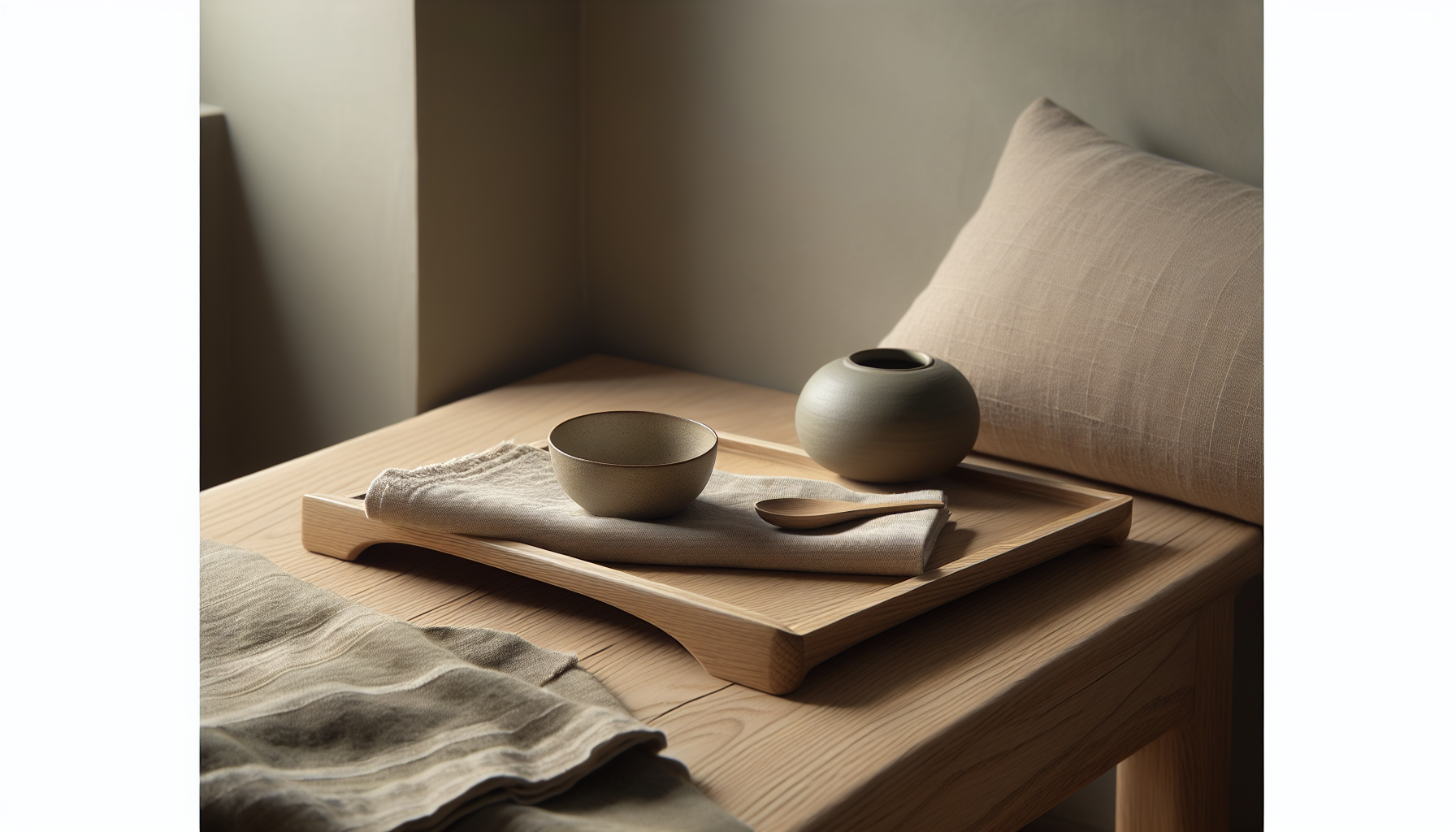
You’ll see muted neutrals as the foundation: soft whites, warm beiges, and gentle greys paired with deeper earth tones like charcoal or forest green. Accent colors are restrained, often pulled from nature, giving the space cohesion and subtle depth.
Materials and textures
You’ll immediately notice natural materials: light- to mid-tone woods, stone, linen, and matte ceramics. Textures are layered to add warmth—think handwoven rugs, kiln-fired pottery, and wood grain that’s appreciated rather than concealed.
Furniture and silhouettes
You’ll recognize low-profile furniture with clean lines and gentle curves that feel comfortable and deliberate. Pieces are often sculptural but unpretentious; the silhouettes are simple, with an emphasis on proportion and balance.
Layout and negative space
You’ll sense an openness because Japandi uses negative space strategically; furniture arrangement respects pathways and sightlines. This breathing room reduces visual clutter and creates a sense of calm and flow throughout the home.
Lighting
You’ll find soft, layered lighting that favors warmth over brightness: paper or fabric shades, dimmable fixtures, and indirect uplighting. Natural light is maximized where possible, and artificial sources are used to reinforce a cozy ambiance in the evening.
Sensory and emotional impressions
The way a Japandi home makes you feel is as important as how it looks; first impressions often translate into emotional responses. People often sense these feelings before they can name the design elements that caused them.
Calm and serenity
You’ll feel calm almost immediately because the environment minimizes distractions and visual clutter. A restrained color scheme, orderly layout, and purposeful objects work together to soothe the mind.
Warmth and coziness
You’ll perceive a subtle warmth that differentiates Japandi from cold minimalism: wooden tones, soft textiles, and layered lighting create comfort. Even with a minimal approach, the home feels inviting rather than austere.
Minimalism vs warmth balance
You’ll notice how Japandi avoids extremes: it uses minimalism but intentionally balances it with tactile and warm details. That balance is what prevents the space from feeling empty and keeps it human-scale.
Quality and craftsmanship
You’ll often sense an appreciation for craftsmanship; details like joinery, hand finishes, and well-chosen ceramics give the impression of quality and longevity. That signal of durability contributes to a first impression of mindful, long-term living.
Practical impressions people notice
Beyond visuals and emotions, people form practical judgments about livability and functionality within the first few moments. These impressions often answer whether the place is both beautiful and usable.
Functionality and flow
You’ll quickly notice if the space supports everyday activities: clear pathways, thoughtful storage, and furniture placed for easy conversation and movement communicate practicality. Japandi’s emphasis on function means it usually feels easier to live in than overly decorative styles.
Attention to detail
You’ll pick up on small, well-resolved details such as seamless transitions between materials, coordinated hardware finishes, and neatly integrated storage. Those details imply intentional design and care.
Organization and storage
You’ll usually see that storage is discreetly integrated—closed cabinetry, simple shelves, and hidden compartments keep things orderly. That visible neatness helps reinforce the impression that the home is calm and well-managed.
Comparing first impressions: Japandi vs other styles
Seeing how Japandi contrasts with related styles helps you identify the specific cues that shape first impressions. The table below summarizes the quick impressions people get from Japandi compared with Scandinavian and traditional Japanese design, plus minimalist and modern aesthetics.
| Style | Typical First Impressions | Key Visual/Material Cues |
|---|---|---|
| Japandi | Warm minimalism; balanced simplicity; refined craftsmanship | Natural woods, muted palette, low profiles, layered textures |
| Scandinavian | Bright, airy, functional, cozy (hygge) | Pale woods, white walls, soft textiles, practical layouts |
| Japanese (traditional) | Meditative, restrained, ritualistic | Tatami, sliding screens, dark woods, simple ceramics |
| Minimalist (contemporary) | Extremely clean, sparse, sometimes cold | Monochrome palette, sharp lines, very few objects |
| Modern (mid-century) | Stylish, design-forward, bold shapes | Statement furniture, geometric lines, mixed materials |
You’ll use these differences to recognize how Japandi borrows elements from both sides to create a unique first impression that is calm, warm, and deceptively simple.
Staging tips to shape first impressions
When you want visitors to have a specific first impression, staging becomes essential. Small, intentional choices at first glance can change perceptions dramatically.
Entryway and foyer tips
You’ll want your entryway to set the tone using natural materials and uncluttered surfaces; a simple bench, a well-placed plant, and a minimal coat rack can do the work. Keep shoes and bags organized with hidden storage to protect the sense of calm.
Living room staging
You’ll arrange your living room around conversation and comfort—low sofas, a single statement rug, and one or two sculptural objects keep the area visually restful. Avoid overcrowding with accessories; instead, use texture and quality to add interest.
Kitchen and dining impressions
You’ll give the kitchen a clean, functional look: uncluttered countertops, wood cabinetry, and simple ceramic tableware communicate utilitarian beauty. In the dining area, a handcrafted table and comfortable chairs promote slow, mindful meals.
Bedroom and bathroom impressions
You’ll design the bedroom to feel like a retreat with layered linens, calm hues, and minimal decor to reduce stimulation before sleep. In bathrooms, natural stone, matte fixtures, and soft towels reinforce a spa-like calm that aligns with Japandi values.
Common mistakes that hurt first impressions
Even a few missteps can undermine the carefully crafted first impression of a Japandi home. Being aware of common errors helps you avoid them and maintain the intended vibe.
Too much clutter or ornamentation
You’ll quickly break the Japandi spell if surfaces are crowded with decorative objects or if there are too many competing visual elements. Keep the number of displayed items limited and meaningful.
Cold minimalism without warmth
You’ll lose the inviting quality of Japandi if you prioritize stark minimalism without adding tactile warmth. Introduce wood tones, natural textiles, or a warm light temperature to counteract sterility.
Mismatched scales or cheap materials
You’ll create visual dissonance if furniture scales don’t fit the space or if low-quality finishes are juxtaposed with designer pieces. Prioritize proportion and invest in a few well-made items rather than many cheap ones.
Overuse of trends that conflict
You’ll muddle the timelessness of Japandi if you layer on trendy elements that clash with its restrained palette and form. Use trends sparingly and favor items that align with the overall minimal, natural approach.
How people interpret sustainability and ethics on first glance
Your guests often read sustainability and ethical choices into Japandi aesthetics because natural materials and handcrafted items are emphasized. First impressions can signal that you value durability and mindful consumption.
Natural materials imply sustainability
You’ll often be assumed to prefer eco-conscious choices when your home prominently features wood, stone, and linen rather than plastics or synthetic finishes. This visual language suggests you care about material provenance.
Longevity and craftmanship signal ethical values
You’ll convey an ethic of longevity by choosing well-made furniture and artisanal pieces. Visitors often equate visible craftsmanship with responsible consumption and lower environmental impact.
Cultural associations people make
When someone first encounters a Japandi home, they’ll bring cultural associations that influence their impression. Recognizing these associations helps you intentionally communicate the story behind your space.
Japanese restraint and ritual
You’ll likely be associated with Japanese values like simplicity, restraint, and an appreciation for imperfection. Visitors may feel the space is designed for thoughtful living practices and mindful routines.
Scandinavian comfort and functionality
You’ll also be linked to Scandinavian ideas of comfort and practicality: hygge-inspired coziness, modularity, and a pragmatic approach to everyday life. That combination often makes the space feel balanced for modern living.
Lighting details that shape first impressions
Lighting can make or break a first impression because it affects how colors, textures, and spatial relationships are perceived. aandacht to both natural and artificial sources supports the Japandi mood.
Natural light optimization
You’ll maximize natural light with unobstructed windows, sheer shades, and reflective surfaces that gently bounce light. This approach keeps the space bright during the day without harsh glare.
Layered artificial lighting
You’ll layer overhead, task, and accent lighting to maintain a warm, even glow in the evening. Lamps with fabric or paper shades and dimming controls let you tailor the mood to the occasion.
Textiles and soft furnishings that create a tactile impression
How your home feels to the touch is a big part of a first impression, because tactile qualities contribute to feelings of comfort and warmth.
Rugs, throws, and cushions
You’ll use handwoven rugs and natural-fiber throws to add softness underfoot and warmth in seating areas. Keep patterns subdued and textures varied to maintain visual simplicity while increasing tactile interest.
Curtains and window treatments
You’ll prefer linen or cotton curtains that diffuse light and frame windows without heavy ornamentation. Simple, unlined panels or lightweight shades preserve the serene aesthetic while offering privacy.
Color and accent strategies
Color choices create immediate emotional responses. In Japandi homes, accents are used sparingly and with intention so the overall impression remains cohesive and calm.
Neutral base with organic accents
You’ll choose a neutral base palette and add organic accent colors—muted greens, deep blues, or warm terracotta—to give depth without disrupting harmony. Accents are usually introduced through art, ceramics, or a single upholstered piece.
Monochrome vs layered neutral palettes
You’ll find that monochrome palettes can feel elegant, but layered neutrals often feel richer and more lived-in. Use different shades and undertones to avoid flatness and to give the eye small discoveries upon closer inspection.
How first impressions affect perceived value
People often equate a strong first impression with higher perceived value. That impression can influence everything from how guests treat the space to buyers’ willingness to pay more.
Quality signals increase perceived worth
You’ll notice that visible quality—solid wood, smart joinery, and handcrafted goods—makes a home feel more valuable. First impressions that highlight these traits can elevate perceived market value.
Cohesion implies thoughtful investment
You’ll be seen as someone who invests thoughtfully in your home when each piece feels curated rather than mismatched. Cohesion across finishes and materials tells viewers you’ve made intentional design choices.
Quick visual checklist to create the right first impression
The following table gives you an at-a-glance checklist to use when preparing a Japandi home for visitors or potential buyers. It helps ensure you cover the essential cues that shape first impressions.
| Element | What people notice | What you should do |
|---|---|---|
| Entryway | Order and tone-setting | Keep it uncluttered, add a bench, use natural materials |
| Color | Overall mood | Use muted neutrals with organic accents |
| Furniture | Comfort and proportion | Choose low-profile, well-scaled pieces |
| Materials | Warmth and authenticity | Prioritize wood, stone, clay, and textiles |
| Lighting | Ambiance | Maximize daylight, layer warm artificial light |
| Textiles | Tactile warmth | Use linen, wool, and woven textures sparingly |
| Storage | Practicality | Integrate hidden storage and neat solutions |
| Accessories | Intentionality | Display a few meaningful items; avoid cluttered décor |
You’ll use this list to run a quick pre-visit check so the first impression aligns with Japandi principles.
Hiring help or DIY: shaping first impressions on a budget
Creating the right first impression doesn’t always require a big budget; smart choices and thoughtful staging can go a long way.
Prioritize a few high-impact pieces
You’ll get the most value by investing in a few high-quality items—like a solid wood coffee table, a quality sofa, or handcrafted ceramics—and pairing them with budget-friendly accessories. Focus on proportion and finish rather than brand names.
DIY finishes and small projects
You’ll improve impressions by refinishing existing wood surfaces, painting walls in a cohesive neutral, or sewing linen cushion covers yourself. Small projects that enhance texture and color consistency can be transformative.
Frequently asked questions about first impressions of Japandi homes
The following FAQs summarize common concerns you might have about creating or interpreting the first impressions of a Japandi home.
Will Japandi look too minimal for everyday living?
You’ll find that Japandi prioritizes function, so it can be thoroughly livable for daily life if you include smart storage and comfortable seating. The key is to keep everyday objects tidy and to select multi-purpose furniture.
Is Japandi expensive to create?
You’ll be able to create Japandi aesthetics on a range of budgets by mixing investment pieces with affordable accents. Prioritize materials and craft where it counts, and use thrifted or budget items that match the color and texture scheme.
How do I keep Japandi from feeling cold?
You’ll maintain warmth by layering textiles, choosing warm wood tones, adding plants, and using warm-tone lighting. Intentional material and color choices prevent the space from feeling clinical.
Can small spaces work with Japandi design?
You’ll benefit from Japandi in small spaces because the emphasis on simplicity and storage enhances perception of space. Choose multi-functional furniture and keep sightlines open to maximize the effect.
Conclusion
You’ll find that first impressions of Japandi homes are powerful because they communicate a way of living: calm, intentional, and aesthetically restrained yet warm. By balancing natural materials, thoughtful lighting, and purposeful furniture, you can shape a welcoming, timeless impression that feels both modern and deeply human.